


Chad Fortson
6 Helpful Tips For When You Are Doing Some Roof Cleaning



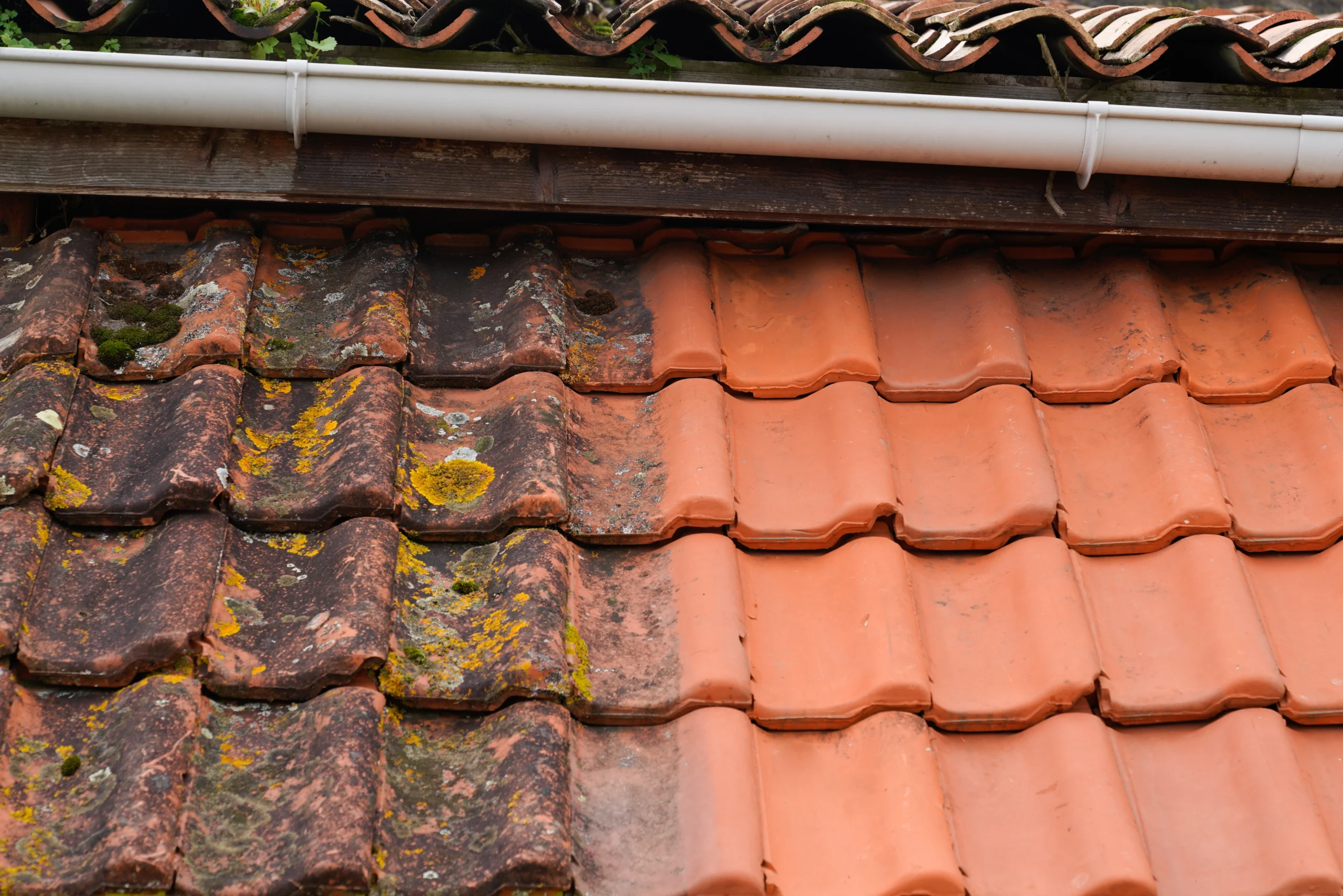

Your roof is like the number one protector of your home, keeping you safe and dry from the elements. But just like anything else, it needs a little TLC to stay in tip-top shape. Roof cleaning might not be the most glamorous task, but it’s an essential part of home maintenance. Here are some handy tips to make the job a breeze!
Inside this blog:
- The 6 best tips for thorough roof cleaning
- Details under each tip to help homeowners
Keep reading to learn everything you need to know about proper roof cleaning so your home can stay in tip top shape!
1. Safety First
Before you even think about climbing up onto your roof, make sure you have the right safety gear. A sturdy ladder, non-slip shoes, and a safety harness can help prevent accidents. Additionally, ensure that the ladder is placed on a stable surface and that it extends at least three feet beyond the edge of the roof for proper support. Taking these precautions is crucial to safeguarding yourself against potential falls or injuries while working on the roof.
Check the weather forecast before you start the roof cleaning process. Avoid working on your roof in rainy or windy conditions, as it can make surfaces slippery and increase the risk of falls. It’s also essential to consider the temperature and humidity levels, as certain cleaning solutions may be less effective or pose safety hazards in extreme weather conditions. By planning your roof cleaning on a clear and dry day, you can ensure optimal safety and effectiveness in removing debris and stains.
Let someone know you’ll be up on the roof, just in case anything goes wrong. Having a friend, family member, or neighbor aware of your rooftop activity can provide an extra layer of safety and support. In the event of an emergency or accident, having someone nearby who can assist or alert authorities can make all the difference. It’s always better to be safe than sorry when it comes to working at heights, so don’t hesitate to inform someone of your plans before tackling roof cleaning tasks. And, if you’re hesitant at all to do a DIY roof cleaning, reach out to professional roof cleaners.
2. Start With a Visual Inspection
Take a walk around your home and inspect your roof from the ground. Look for any visible signs of damage on your roofing material, such as missing or damaged asphalt shingles, moss or algae growth, or debris buildup in gutters. Pay attention to areas where the roof meets other structures, such as chimneys, vents, and skylights, as these areas are prone to leaks and damage.
Additionally, inspect the edges of the roof for any signs of sagging or deterioration, as this could indicate structural issues that require immediate attention.
If needed, use binoculars to get a closer look at hard-to-reach areas. Binoculars can help you spot potential issues that may not be visible from the ground, such as loose or damaged shingles or signs of water damage. Take note of any areas that may need special attention during cleaning, such as areas with heavy moss or algae growth or sections where debris has accumulated.
By thoroughly inspecting your roof shingles before cleaning, you can identify any areas that require repairs or additional maintenance to ensure the longevity and integrity of your roof.
3. Gather Your Tools and Cleaning Solutions
Before you head up to the roof, gather all the necessary tools and cleaning solutions. A soft-bristled brush, a garden hose with a spray nozzle, and a gentle cleaning solution such as mild detergent or a commercial roof cleaner are essential.
Avoid using harsh chemicals or engaging in pressure washing, as this can damage your roof’s surface and void your warranty.
4. Start With Gentle Cleaning Techniques
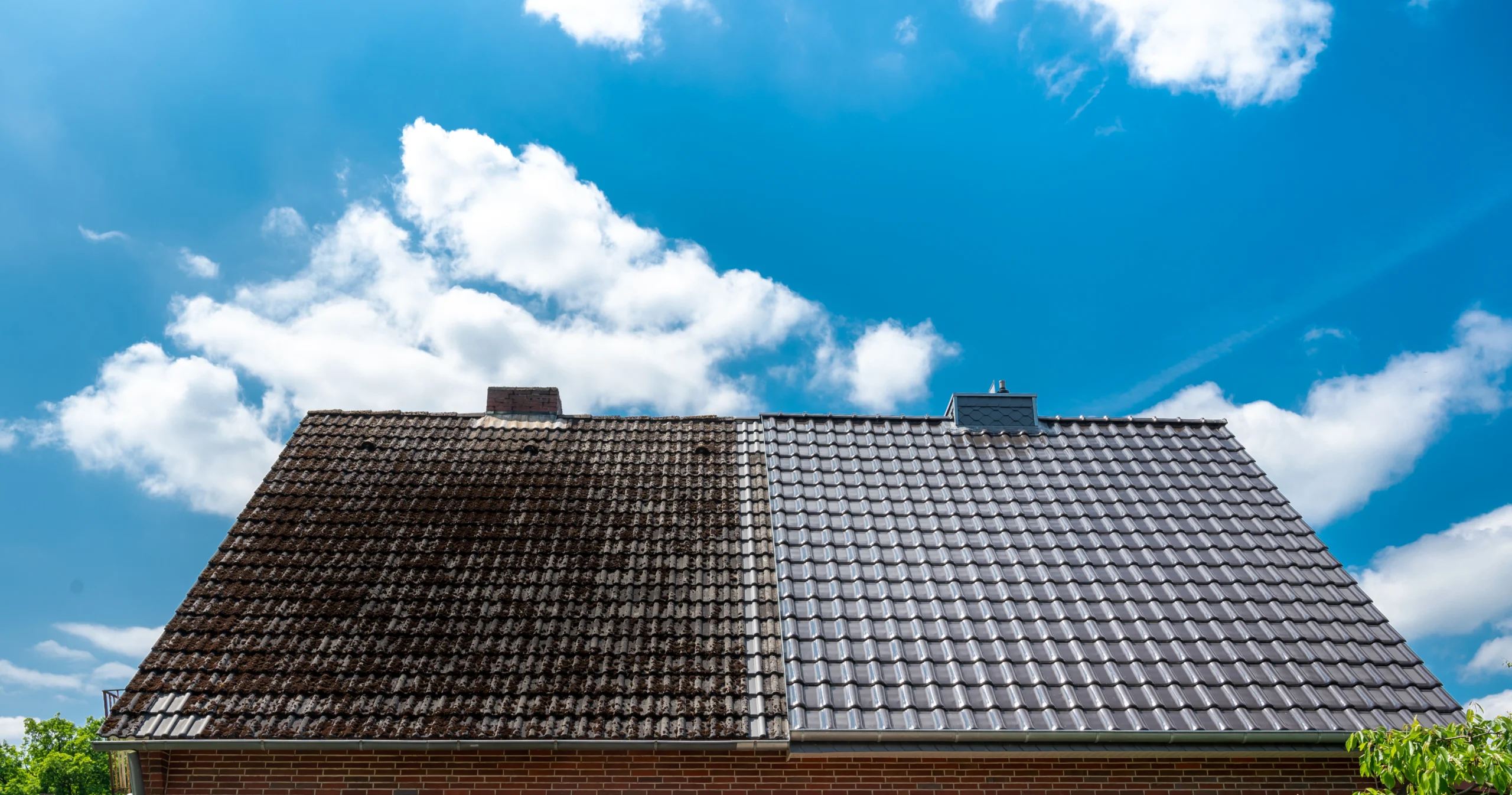
Begin by gently sweeping away any loose debris, such as leaves, twigs, or dirt, using a soft-bristled brush or broom. Work from the top of the roof down to avoid pushing debris into gutters or downspouts.
Once the surface is clear, use a garden hose with a gentle spray nozzle to rinse away any remaining dirt or grime. Avoid using high-pressure settings, as they can damage shingles or dislodge roofing materials.
5. Address Stubborn Stains and Growth
For stubborn stains or areas affected by moss, algae, or mildew, apply a mixture of water and mild detergent to the affected areas. Allow the solution to sit for a few minutes to loosen the stains.
Use a soft brush or sponge to gently scrub the stained areas, working in a circular motion. Rinse thoroughly with clean water to remove any residue.
6. Take Preventive Measures
After cleaning your roof, consider applying a preventive treatment, such as zinc or copper strips, to inhibit the growth of moss, algae, or mildew. These strips release metal ions that help prevent organic growth over time.
Regular maintenance, such as keeping gutters clean and trimming overhanging branches, can also help prevent debris buildup and minimize the need for frequent roof cleaning.
🌟 Bonus Tip: Consider hiring a professional roof cleaning service for a thorough and safe cleaning experience, especially for multi-story homes or roofs with steep pitches. They have the expertise and equipment to ensure your roof is cleaned effectively without causing damage.
🧹 A Healthy Home Has a Clean Roof
Regular roof cleaning is essential for maintaining the integrity and longevity of your home’s roof. By following these helpful tips, you can ensure that your roof stays clean and free from damage-causing debris, stains, and growths.
Remember to prioritize safety, use the right tools and cleaning solutions, and consider seeking professional assistance when needed. With proper care and maintenance, your roof will continue to protect your home for years to come, giving you peace of mind and saving you money on costly repairs in the long run. Contact our team of expert contractors at Secured Roofing and Restorations today. We’ll answer all of your questions and customize an approach to tackle your project quickly and efficiently. Every one of our roofing experts is trained to provide the highest professional workmanship, personalized service, and to use only the best quality materials.
Emergency Roof Repair: Expert Tips & Quick Fixes

When disaster strikes, and your roof is compromised, knowing how to handle emergency repairs can make all the difference. Whether it’s a fallen tree, heavy storm damage, or unexpected leaks, quick and effective action can protect your home from further damage. This comprehensive guide offers expert tips and quick fixes for emergency roof repair, including:
- Understanding the importance of emergency roof repairs
- Preparing for roof emergencies
- 4 immediate steps to take during a roof emergency
- 4 expert tips for common emergency roof repairs
- Long-term solutions and prevention
🤔 Understanding the Importance of Emergency Roof Repairs
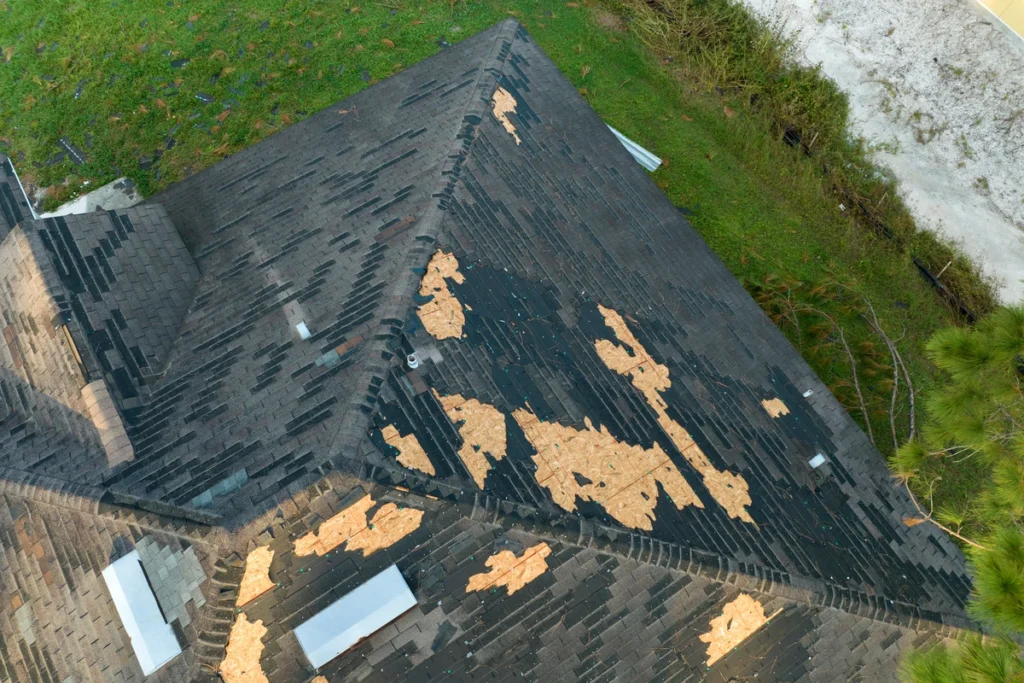
A damaged roof can lead to a myriad of problems, including water damage, mold growth, and structural instability. In an emergency, addressing these issues promptly can:
- Prevent Further Damage: Quick repairs can stop leaks and protect the interior of your home.
- Ensure Safety: Immediate action can prevent accidents caused by structural weaknesses.
- Save Money: Timely repairs can mitigate the need for extensive and costly repairs later on.
⚠️ Preparing for Roof Emergencies
Preparation is key to handling roof emergencies effectively. Here are some steps to ensure you’re ready:
Regular Inspections and Maintenance
- Schedule Inspections: Have your roof inspected by professionals at least twice a year, ideally in spring and fall.
- DIY Checks: Regularly inspect your roof for missing or damaged shingles, especially after severe weather.
- Clean Gutters: Ensure gutters are free of debris to prevent water backup and damage.
Emergency Kit
Prepare an emergency roof repair kit with the following items:
- Heavy-duty plastic sheeting or tarps
- Roofing nails or screws
- Roofing cement or adhesive
- Hammer or nail gun
- Utility knife
- Ladder
- Flashlight with extra batteries
- Safety gloves and goggles
🏠 4 Immediate Steps to Take During a Roof Emergency
When a roof emergency occurs, quick and calm action is essential. Here’s what you should do:
1. Ensure Safety First
- Evacuate if Necessary: If the damage is severe, evacuate the premises to ensure everyone’s safety.
- Turn Off Utilities: Shut off electricity and gas if there is a risk of water intrusion.
2. Assess the Damage
- Visual Inspection: From a safe distance, assess the damage. Look for obvious signs such as missing shingles, visible holes, or structural damage.
- Document the Damage: Take photos and notes for insurance purposes.
3. Temporary Repairs
Fixing Leaks
- Locate the Leak: Identify where the water is entering your home.
- Contain the Water: Place buckets or containers to catch the water inside your home.
- Apply a Tarp: Cover the damaged area with a tarp. Secure it with nails or screws and ensure it extends several feet beyond the damaged area.
Securing Loose Shingles
- Use Roofing Cement: Apply roofing cement under the loose shingles and press firmly.
- Nail Down Loose Shingles: Use roofing nails to secure any shingles that have partially detached.
4. Contact a Professional
After making temporary repairs, contact a professional roofer for a thorough assessment and permanent repair. Ensure they are licensed, insured, and have good reviews.
💡 4 Expert Tips for Common Emergency Roof Repairs
1. Dealing with Fallen Trees
A fallen tree can cause significant damage to your roof. Here’s how to handle it:
- Stay Safe: Avoid the damaged area and ensure no one is injured.
- Remove the Tree: Contact a professional tree removal service. Attempting to remove it yourself can be dangerous.
- Cover the Hole: Once the tree is removed, cover the hole with a tarp until professional repairs can be made.
2. Handling Severe Storm Damage
Severe storms can rip off shingles, cause leaks, and create structural damage. Here’s what to do:
- Inspect the Roof: After the storm, check for missing shingles, damaged flashing, and leaks.
- Quick Fixes: Apply tarps over large damaged areas and use roofing cement for minor repairs.
- Professional Help: Contact a roofing contractor to assess and repair storm damage comprehensively.
3. Fixing Wind Damage
High winds can lift and tear off shingles. For immediate fixes:
- Reattach Shingles: Use roofing nails and cement to reattach any loose shingles.
- Replace Missing Shingles: Temporarily cover the exposed area with a tarp until you can replace the shingles.
4. Addressing Ice Dams
Ice dams form when snow melts and refreezes at the roof edge, causing water to back up under shingles. To manage this:
- Remove Snow: Use a roof rake to remove snow from the roof edge.
- Install Heat Cables: Heat cables can help melt ice and prevent dams from forming.
- Ventilation and Insulation: Improve attic ventilation and insulation to prevent ice dams in the future.
💪 Long-Term Solutions and Prevention
Preventing future roof emergencies is just as important as addressing current ones. Secured Roofing and Restorations provides comprehensive long-term solutions and preventative measures to ensure your roof remains robust and resilient year-round.
- Invest in Quality Roofing Materials: Using high-quality materials can prevent many common roofing issues. Consider:
- Impact-Resistant Shingles: These can withstand hail and debris impacts.
- Metal Roofing: Durable and resistant to severe weather conditions.
- Proper Installation: Ensure your roof is installed by experienced professionals.
- Improve Roof Ventilation: Proper ventilation can prevent moisture buildup, ice dams, and heat damage. Ensure your attic has adequate ventilation through soffit and ridge vents.
- Regular Maintenance: Regular maintenance can extend the life of your roof and prevent emergencies:
- Clean Gutters and Downspouts: Prevent water buildup and ice dams.
- Trim Overhanging Branches: Reduce the risk of falling branches during storms.
- Check for Wear and Tear: Regularly inspect and repair minor issues before they become major problems.
- Emergency Roof Repair Plans: Consider signing up for an emergency roof repair plan with a trusted roofing contractor. These plans often include regular inspections, priority service, and discounted rates for emergency repairs.
🙌 Stay Safe and Secure: Expert Solutions for Roof Emergencies with Secured Roofing and Restorations
Dealing with a roof emergency can be stressful, but with the right knowledge and preparation, you can handle the situation effectively. Prioritize safety, make temporary repairs to prevent further damage, and contact a professional for permanent solutions. By maintaining your roof and being prepared for emergencies, you can protect your home and ensure its longevity. When facing a roof emergency, staying calm and taking swift action is crucial. Utilize the tips and quick fixes outlined in this guide to navigate through the initial crisis, and always consult with a professional to ensure your roof is properly repaired and maintained.
At Secured Roofing and Restorations, we are the team you want for your roofing needs. Our experts are equipped with the skills and experience to manage any emergency swiftly and efficiently. We prioritize your safety and the durability of your roof, offering both temporary fixes and long-term solutions tailored to your specific situation. Choose Secured Roofing and Restorations for peace of mind and top-notch service. Contact us today for a consultation and ensure your home is safeguarded against the unpredictable. Let us help you keep your family safe and secure!
When To File A Roof Insurance Claim For Damages
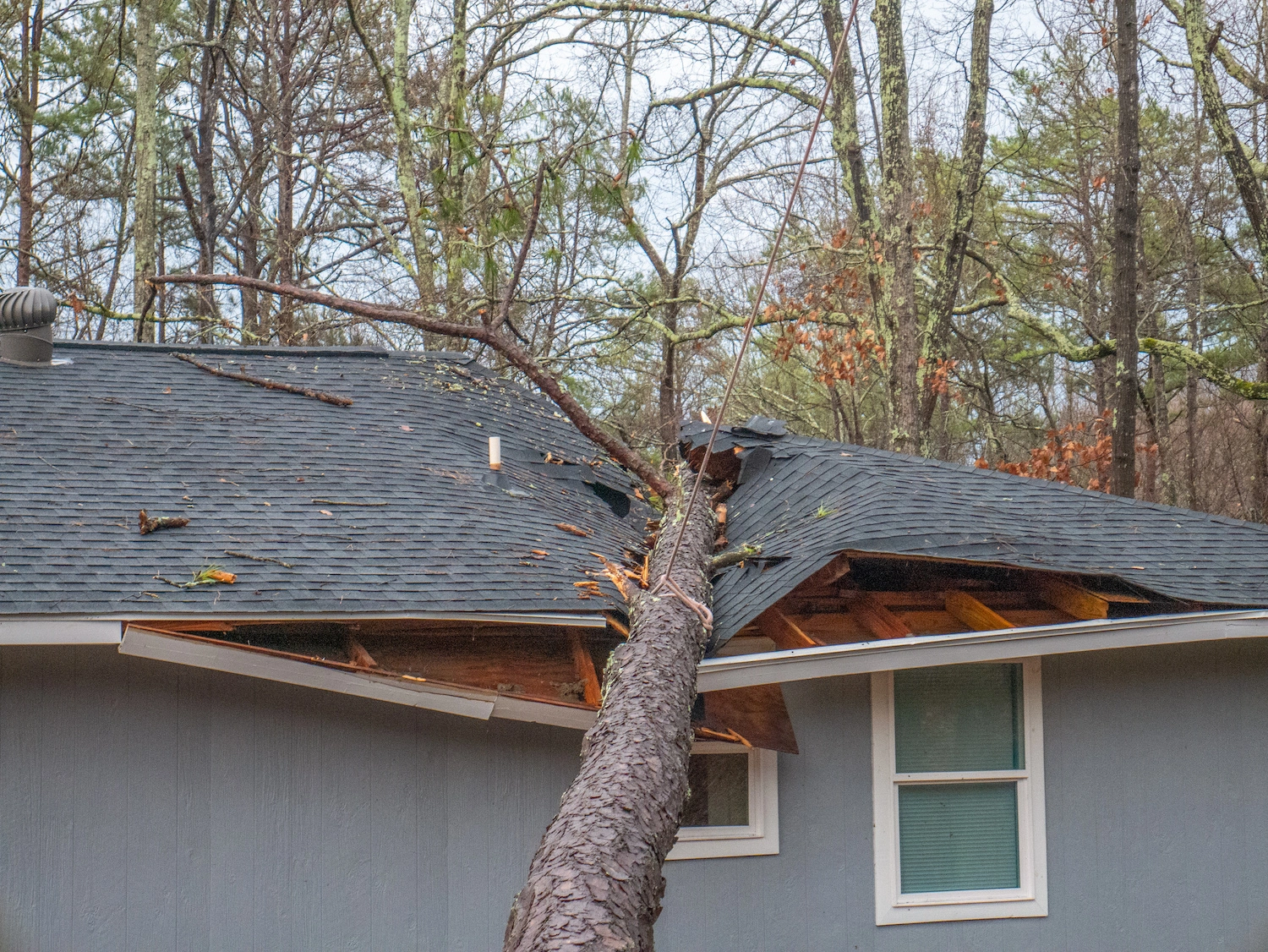
Your roof is your home’s first line of defense against the elements, but sometimes even the sturdiest roofs can suffer damage. Knowing when to file a roof insurance claim for damages is crucial for protecting your investment and ensuring timely repairs. In this homeowner’s guide, we’ll explore the signs that indicate it’s time to file a roof insurance claim and guide you through the process. Let’s dive in!
Inside this blog:
- 4 signs you need to file a roof insurance claim
- 3 scenarios when you should take action for filing a claim
- How to file a roof insurance claim for roof damages
Keep reading to learn all you need to know about when it’s the right time to file a roof insurance claim!
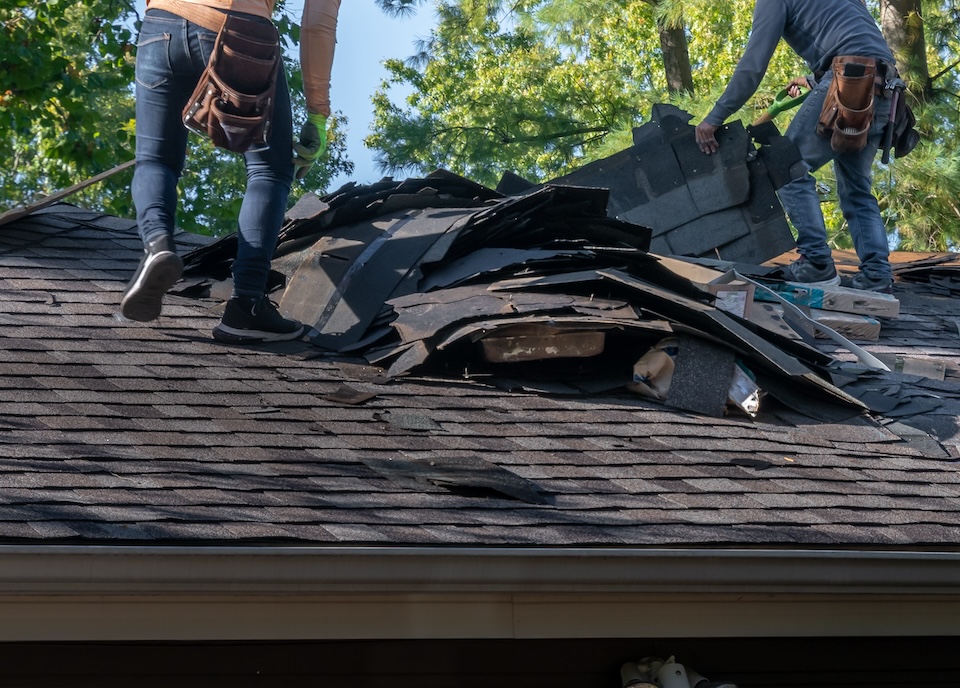
4 Signs It’s Time to Act on Filing a Claim For Roof Damage
Check out the signs below that indicate it’s time to start the roof insurance claim process.
1. You Notice Visible Damage
When you see obvious signs of trouble on your roof, like missing or broken shingles, cracks, or spots where water is leaking through, don’t wait to act. These problems might seem small at first, but if you leave them alone, they can get worse and cause even bigger headaches down the road.
2. You’ve Been Hit By a Recent Storm
After a big storm rolls through your area, it’s smart to give your roof a once-over. Even if your roof looks okay from the ground, there could be damage that’s hard to spot. Checking for any new issues after bad weather can help you catch problems early and prevent them from getting worse.
3. Your Roof is Getting Old
As your roof gets older, it starts to wear out and become more prone to damage. If your roof is getting up there in years or has already surpassed its expected lifespan, it’s a good idea to keep a close eye on it. Older roofs are more likely to develop problems, so it’s important to watch for any signs of trouble and take action if you see them.
4. You See Water Stains or Leaks
If you see water stains on your ceilings or walls, it’s a sign that something’s not right with your roof. These stains can indicate that water is getting in somewhere it shouldn’t be, which could lead to more serious issues if you don’t address it. Whether it’s a small leak or a big one, it’s important to deal with it right away to prevent further damage to your home.
When to Take Action
Below are 3 scenarios when you should take action on filing a homeowners insurance claim for your roof damage.
1. Immediate Damage
When something major happens to your roof, like a tree crashing down on it or a chunk of it collapsing, don’t hesitate to get your insurance involved right away. The quicker you act, the faster you can get things fixed up and stop any more damage from happening to your home.
2. Hidden Damage
Sometimes, the damage to your roof isn’t obvious right away. After a big storm or if you suspect something’s not right, it’s a good idea to take a closer look. Even if you can’t see any problems from the ground, there could be damage lurking underneath that could cause big issues later on if you don’t catch it early.
3. Preventive Measures
If you spot little problems on your roof, like a few missing shingles or some wear and tear, don’t wait for them to get worse. Filing a claim with your insurance can help cover the cost of fixing up these minor issues before they turn into big headaches. It’s like getting ahead of the game and stopping problems in their tracks before they have a chance to get out of hand.
How to File a Claim
Before filing a roof insurance claim, review your homeowner’s insurance policy to understand your coverage limits, deductibles, and any exclusions that may apply to roof damage.
Thoroughly document the damage to your roof, including photos and videos from multiple angles. Be sure to capture any visible signs of damage, such as missing shingles, leaks, or structural issues.
Contact Your Insurance Company
Contact your insurance company as soon as possible to report the damage and initiate the claims process. Be prepared to provide detailed information about the damage, including when it occurred, how it happened, and the extent of the damage.
Your insurance company may schedule an inspection of your roof to assess the damage and determine the cost of repairs or replacement. Be sure to schedule the inspection as soon as possible to expedite the claims process.
After the inspection, follow up with your insurance company to discuss their findings and address any recommendations or concerns. Be proactive about staying informed throughout the claims process and advocating for the repairs your roof needs.
🏡 File a Roof Insurance Claim Like a Pro
Filing a roof insurance claim for damages can be a complex process, but knowing when to take action and how to navigate the process can help you protect your home and ensure timely repairs. By staying vigilant for signs of damage, documenting any issues, and working closely with your insurance company, you can restore your roof’s integrity and safeguard your home for years to come.Contact our team of expert contractors at Secured Roofing and Restorations today. We’ll answer all of your questions and customize an approach to tackle your project quickly and efficiently. Every one of our roofing experts is trained to provide the highest professional workmanship, personalized service, and to use only the best quality materials.
3 Types Of Roof Warranty Options To Consider

What does your roof warranty actually cover, how long is it valid, and what are the loopholes that might leave you vulnerable? A roof warranty can be your best defense against unforeseen expenses, ensuring your peace of mind after a roofing project. This article delves into the essentials of roof warranties. We’ll equip you with the knowledge to choose the right warranty for your roof and understand how to optimize it.
Inside this blog:
- Roof Warranties: Types and What They Cover
- Warranty Duration: How Long Are You Covered?
- Selecting the Right Warranty for Your Roofing Project
Roof Warranties: Types and What They Cover
Understanding roof warranties might seem like an overwhelming task, but it can be simplified if you know what to look for. Broadly speaking, the shelter above your head is typically protected by three types of warranties:
- Manufacturer’s warranties defend against defects in roofing materials
- Workmanship warranties shield you from installation blunders
- Extended warranties offer that extra layer of assurance
Each plays a distinct role in safeguarding your abode.
These warranties collectively ensure the protection of your roofing project. Let’s examine each one in detail to comprehend their full potential.
Unpacking Manufacturer’s Warranty
Manufacturer warranties, including roof replacement warranty, are the cornerstone of roof protection, safeguarding your roofing material against defective materials and factory defects. These warranties stand guard, ensuring that your shingles, tiles, or other roofing elements perform as they should, provided they falter due to manufacturing hiccups. However, not all heroes wear capes, and this warranty is no exception—it won’t swoop in to save the day if the foe is improper installation or the fury of Mother Nature.
Plus, like a trust fund that diminishes over time, the coverage might be prorated, with the compensation waning as the years roll by, and labor costs often left out in the cold.
Scrutinizing Workmanship Warranty
Following the manufacturer’s warranty, the roofing contractor’s workmanship warranty acts as a strong secondary protection, reflecting the quality of your contractor’s work. These warranties come in various durations and levels of assurance, with some even offering lifetime coverage, though the definition of ‘lifetime’ is as varied as the contractors themselves. Essentially, a roofing warranty serves as a safety net, catching any fallout from installation errors and ensuring that labor and materials needed for repairs don’t come out of your pocket.
It’s the roofing equivalent of having a skilled surgeon on call, ready to remedy any slip-ups during a roof replacement without adding to your bill, just like a reliable roofing company.
Extended Warranty Advantages
For homeowners wanting robust roof protection, extended warranties serve as the ultimate safeguard. These are not your average warranty coverage plans; they offer a longer, non-prorated period of safeguarding, wrapping the entire roofing system in a warm embrace of security. But, as with most elite services, there are criteria to meet—specific components must be used, and only authorized contractors can wield the tools of installation to uphold the high standards of workmanship required.
Opting for an extended warranty, such as an extended manufacturer’s warranty, is akin to choosing a luxury car over a standard sedan—it may come at a premium, but the comprehensive coverage is a testament to its value. With a basic limited lifetime warranty, you can still enjoy some level of protection for your purchase.
Warranty Duration: How Long Are You Covered?
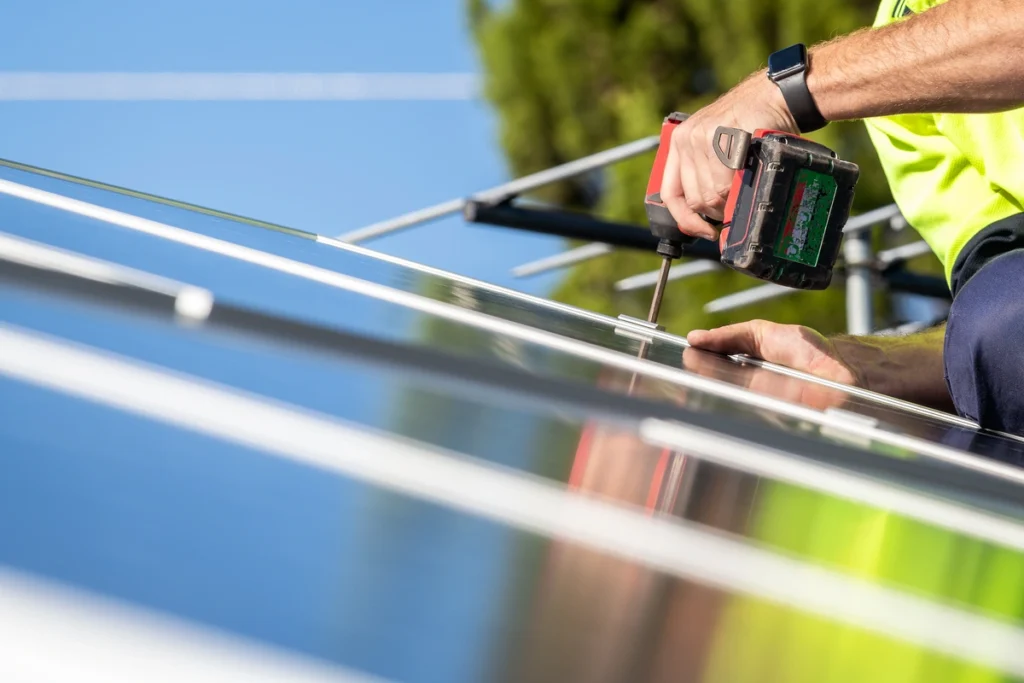
As time goes by, one might wonder: For how long does a roof warranty provide cover? While most manufacturers boldly offer lifetime coverage, the term ‘lifetime’ can be as mysterious as the depths of the ocean, with interpretations varying like the tide. After two decades, the generosity of ‘lifetime’ coverage may begin to ebb, transitioning to a prorated state where the benefits gradually recede.
Contractors, too, vary in their promise of longevity, with warranty durations spanning from a solid 10 years to the coveted lifetime warranty coverage. The lifespan of your warranty often echoes the quality of your roofing materials, with premium options boasting longer protection than their budget-friendly counterparts. In the realm of roofing, warranties are not just numbers—they’re a pledge of enduring shelter and structural integrity. That’s why it’s crucial to look for the best roofing warranty available, including a standard roofing warranty.
The Fine Print: Understanding Warranty Limitations and Exclusions
Exploring roof warranties without recognizing their limitations and exclusions is akin to sailing into a storm unprepared. It’s the fine print that often houses the devils of detail, outlining scenarios where your warranty might not come to the rescue. Acts of God—those dramatic natural events like tornadoes, floods, and fires—are typically not covered, nor is the silent enemy of moisture lurking in an existing roof system. Even the best-laid roofing plans can falter under the weight of heavy snowfall, hail, or a lack of maintenance, all of which are commonly left out of warranty protection.
And while the roof may shield you from the elements, the warranty often stops at the exterior, leaving interior damages like ruined carpets or water-damaged walls to the mercy of your insurance. Understanding these exclusions is crucial, for knowledge is power, and in this case, it’s the power to protect your home and your wallet.
Selecting the Right Warranty for Your Roofing Project
Selecting an appropriate warranty for your roofing project is like choosing the ideal armor—it must provide optimal protection and fit the circumstances perfectly. The landscape of warranties is vast, with options ranging from manufacturer’s to workmanship to extended warranties, each with its own shield of coverage. The reputation of the roofing contractor you engage with can be the difference between a sturdy shield and a flimsy facade, influencing the long-term value of your warranty and the efficacy of repairs.
And while the upfront cost of a roofing project may seem steep, the registration of a warranty, despite the potential additional fees, is a small price to pay for the peace of mind it brings—a peace that comes from knowing your investment is well-protected against future skirmishes with the elements.
Give Your Roof Quality Coverage
With newfound knowledge of warranty types, you stand ready to safeguard your home’s rooftop with confidence. The right warranty will serve as a steadfast guardian, ensuring that the roof over your head is more than a structure—it’s a promise of protection.If you’re ready to revamp your roof, get in touch with us at Secured Roofing. We’ll handle your home with care and provide adequate coverage for your roof.
What Are Shingles Made Of? A Guide To Asphalt Shingles
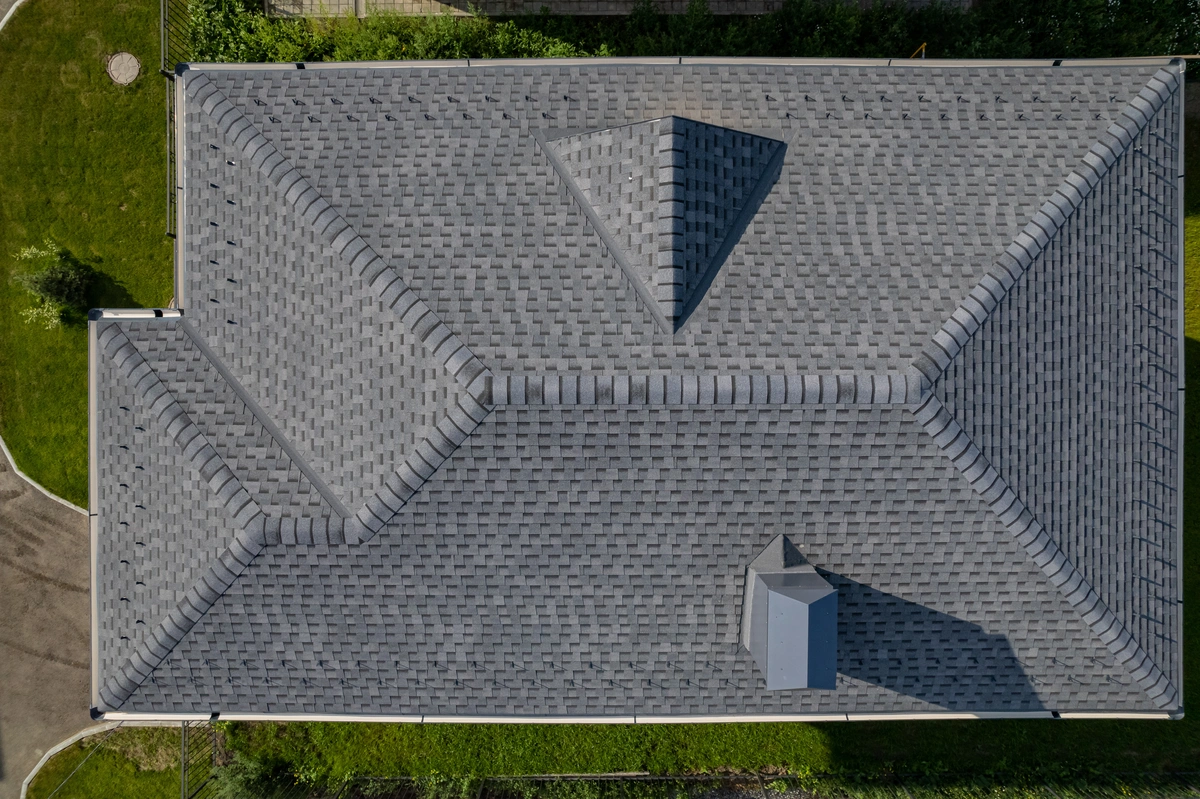
Asphalt shingles are a common roofing material used in many homes across the globe. But have you ever wondered what they’re made of? Let’s dive into the fascinating world of asphalt shingles and explore their composition, benefits, and more!
Inside this blog:
- A breakdown of what asphalt shingles are made of
- Benefits of asphalt shingles
- The environmental aspect of asphalt shingles
Keep reading to learn what asphalt shingles are made of!
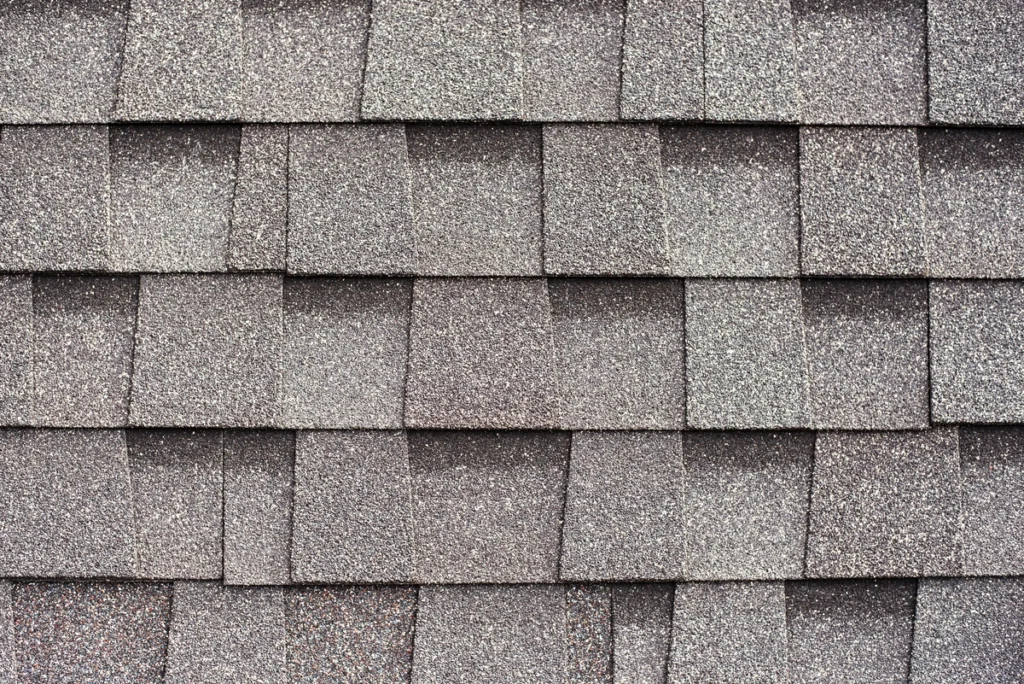
What Are Asphalt Shingles Made Of?
Asphalt shingles consist of several layers, each serving a specific purpose to provide durability, weather resistance, and aesthetic appeal. Here’s a breakdown of the primary components:
Fiberglass Mat
The core of asphalt shingles is typically a fiberglass mat. This lightweight yet durable material provides strength and stability to the shingle.
Asphalt Coating
Asphalt is applied to both sides of the fiberglass mat to create a waterproof barrier. This asphalt coating helps protect the shingles from water infiltration and provides flexibility to withstand various weather conditions.
Mineral Granules
The top surface of asphalt shingles is embedded with mineral granules. These granules serve multiple purposes, including enhancing the shingle’s appearance, providing UV protection, and improving fire resistance.
Benefits of Asphalt Shingles
Asphalt shingles offer several advantages that make them a popular choice among homeowners. Here are some key benefits:
Affordability
Asphalt shingles are one of the most cost-effective roofing materials available, making them an attractive option for budget-conscious homeowners. Compared to other roofing materials like metal or tile, asphalt shingles are generally more affordable to purchase and install, helping homeowners save money on their roofing projects without compromising on quality or durability.
With asphalt shingles, homeowners can achieve a high-quality roof at a fraction of the cost of premium roofing materials.
Versatility
Asphalt shingles come in a wide range of colors, styles, and textures, allowing homeowners to choose a look that complements their home’s design. Whether you prefer the classic look of traditional asphalt shingles or the modern appeal of architectural shingles, there’s a style to suit every taste and architectural style.
Additionally, asphalt shingles can mimic the appearance of more expensive roofing materials like wood shakes or slate, providing homeowners with versatile options to enhance their home’s curb appeal.
Ease of Installation
Asphalt shingles are relatively lightweight and easy to install, making them suitable for a wide range of roof types and slopes. Roofing contractors can quickly and efficiently install asphalt shingles, reducing labor costs and minimizing disruption to homeowners.
Additionally, the straightforward installation process means that homeowners can enjoy a new roof in less time compared to other roofing materials, allowing for a faster and more convenient home improvement project.
Durability
High-quality asphalt shingles can provide reliable protection against harsh weather conditions, including wind, rain, and hail. Asphalt shingles are engineered to withstand the elements and maintain their structural integrity over time, ensuring long-lasting performance and peace of mind for homeowners. With proper installation and maintenance, asphalt shingles can provide decades of durable protection for your home, keeping it safe and secure in all weather conditions.
Low Maintenance
Asphalt shingles require minimal maintenance and can withstand the test of time with proper care and periodic inspections. Unlike some roofing materials that require regular upkeep or specialized maintenance procedures, asphalt shingles are relatively low maintenance, saving homeowners time and money over the life of their roof. Routine maintenance tasks such as cleaning gutters, removing debris, and inspecting for damage can help prolong the lifespan of asphalt shingles and ensure optimal performance for years to come.
The Environmental Impact of Asphalt Shingles
While asphalt shingles offer many benefits, it’s essential to consider their environmental impact. Here are some factors to keep in mind:
Recyclability
Asphalt shingles can be recycled, reducing the amount of waste sent to landfills. Many recycling facilities accept old asphalt shingles, where they can be processed and reused in various applications. Recycling shingles helps conserve valuable resources and reduces the environmental impact of roofing materials.
By choosing recycled asphalt shingles, homeowners can contribute to a more sustainable future while enjoying the benefits of a durable roofing solution.
Energy Efficiency
Some asphalt shingles are designed with energy-efficient features, such as reflective coatings or cool roof technology, which can help reduce energy consumption and lower utility bills. These energy-efficient shingles help reflect sunlight and heat away from the home, keeping indoor spaces cooler during hot weather and reducing the need for air conditioning.
By installing energy-efficient asphalt shingles, homeowners can improve comfort levels and save money on energy costs over time.
Longevity
While asphalt shingles have a relatively long lifespan, eventually, they will need to be replaced. Proper disposal and recycling of old shingles can help minimize environmental impact. Recycling old asphalt shingles not only reduces landfill waste but also conserves resources and reduces the need for new raw materials.
Additionally, recycling shingles can contribute to the creation of new products, such as pavement and roadways, further extending their usefulness beyond their initial roofing application.
The Versatile World of Asphalt Shingles
Asphalt shingles are a popular roofing choice for many homeowners, thanks to their affordability, durability, and versatility. Understanding what they’re made of and their environmental impact can help you make informed decisions when it comes to your roofing needs. Whether you’re building a new home or replacing an existing roof, asphalt shingles offer an excellent combination of quality and value.
Contact our team of expert contractors at Secured Roofing and Restorations today. We’ll answer all of your questions and customize an approach to tackle your project quickly and efficiently. Every one of our roofing experts is trained to provide the highest professional workmanship, personalized service, and to use only the best quality materials.
2024 Hurricane Season Predictions For Florida

As we approach the 2024 hurricane season, many Florida homeowners are eager to understand what weather experts are predicting for the region. With the potential for severe storms and hurricanes, being prepared and informed is essential for protecting your home and loved ones. In this guide, we’ll explore the predictions for the upcoming hurricane season and provide valuable tips for homeowners to stay safe and secure.
Inside this blog:
- How to understand hurricane predictions
- 6 home preparedness tips
Keep reading to learn all you can about 2024 hurricane season predictions for the sunshine state!

Understanding the Predictions
Below we’ll dive into an overview of hurricane season/tropical storms’ predictions and what they mean.
Experts’ Forecasts
Meteorologists and hurricane prediction centers analyze a variety of factors to make their forecasts. They look at things like how warm the ocean water is, what the air is like in the atmosphere, and past hurricane seasons to predict what might happen next.
2024 Projections
For the upcoming 2024 hurricane season, experts are predicting that Florida could see more hurricanes than usual. This means there’s a higher chance of storms forming and possibly hitting the state.
Climate Change Impact
Climate change is making hurricanes stronger and more frequent. As the Earth’s temperature rises, so does the temperature of the ocean, which hurricanes feed off of. This can make them more powerful and more likely to cause damage when they hit land.
6 Home Preparedness Tips
To help Florida homeowners prepare for the upcoming Atlantic hurricane season, here are some essential tips:
1. Create a Hurricane Preparedness Plan
Take some time to sit down with your family and come up with a plan for what to do if a hurricane hits. This plan should include things like where you’ll go if you need to evacuate, how you’ll contact each other if you get separated, and what you’ll do to protect your home.
2. Stock Up on Supplies
It’s essential to have enough food, water, and other supplies to last you and your family for at least a few days in case you lose power or can’t leave your home. Make sure you have things like canned food, bottled water, flashlights, batteries, and a first-aid kit ready to go.
3. Secure Your Property
Before a storm hits, take some time to secure your property. Trim any trees or bushes that could fall onto your house, bring in any outdoor furniture or decorations, and reinforce your windows and doors to prevent them from breaking in high winds.
4. Review Insurance Coverage
Make sure you understand what your insurance policy covers and what it doesn’t, especially when it comes to hurricanes and wind damage. Consider adding flood insurance to your policy if you live in an area that’s prone to flooding.
5. Stay Informed
Keep an eye on the weather forecast and listen to updates from trusted sources like the National Hurricane Center and your local news station. Sign up for alerts on your phone so you’ll know right away if there’s a hurricane headed your way.
6. Evacuation Planning
If you live in an area that’s at risk of flooding or storm surge, you may need to evacuate when a hurricane hits. Know what evacuation zone you’re in and have a plan for where you’ll go and how you’ll get there. Make sure your car is gassed up and ready to go, and have a designated meeting spot in case you get separated from your family.
📝 Checklist for Hurricane Preparedness 📝
To ensure you’re ready for the 2024 hurricane season, here’s a checklist to follow:
- Develop a hurricane preparedness plan for your family.
- Stock up on emergency supplies and non-perishable food items.
- Secure your property by reinforcing windows, doors, and outdoor structures.
- Review your homeowners insurance policy for adequate coverage.
- Stay informed about weather forecasts and advisories.
- Know your evacuation zone and have a plan for evacuation if necessary.
- Keep important documents and valuables in a waterproof container.
🌀 Protect Your Home From Hurricane Season
By taking proactive steps to prepare for the upcoming hurricane season, Florida homeowners can mitigate risks and ensure the safety and security of their families and properties. Stay informed, stay prepared, and stay safe!
Contact our team of expert contractors at Secured Roofing and Restorations today. We’ll answer all of your questions and customize an approach to tackle your project quickly and efficiently. Every one of our roofing experts is trained to provide the highest professional workmanship, personalized service, and to use only the best quality materials.
Should You Repair Or Replace Your Roof? 6 Key Factors

Your roof is your home’s first line of defense against the elements, so it’s crucial to keep it in top condition. But when faced with issues like leaks, missing shingles, or general wear and tear, should you opt for repairs or a complete replacement? Let’s dive into the key factors to consider before making this decision!
Inside this blog:
- 6 factors to consider when deciding between a roof repair and a roof replacement
- Details under each factor to help you make a decision
Keep reading to find out more about whether you should repair or replace your roof!
1. Age of Your Roof
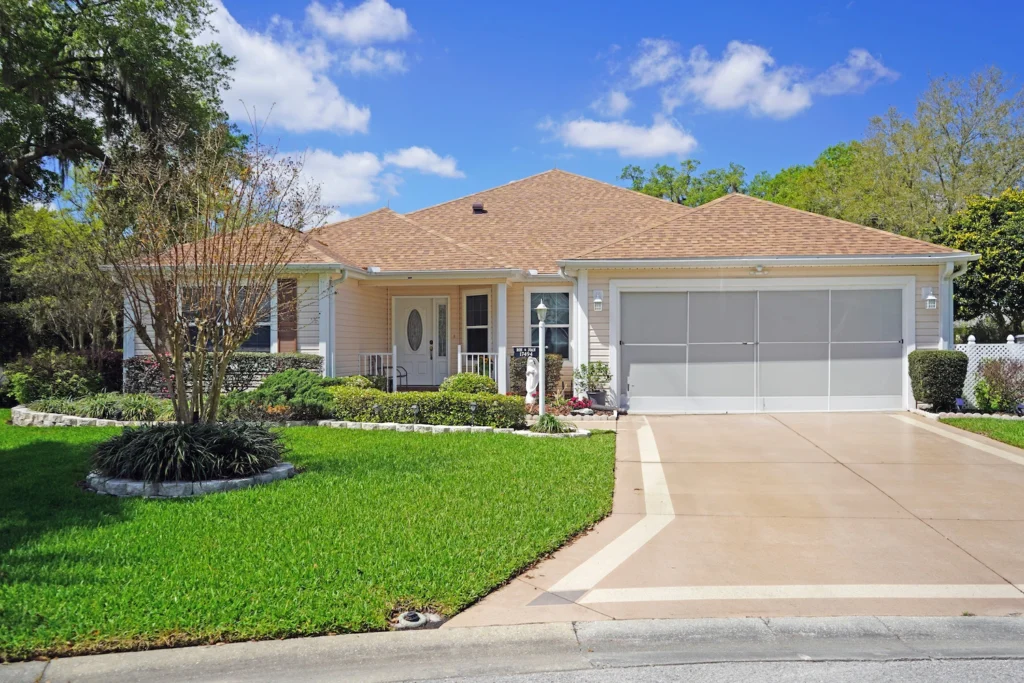
If your roof is nearing the end of its expected lifespan (usually around 20-25 years for asphalt shingles), frequent repairs may only serve as temporary solutions. In such cases, replacing the roof entirely might be a more cost-effective and long-term solution.
For relatively new roofs with minor issues, repairs may be sufficient to address specific problems and extend the roof’s lifespan.
2. Extent of Damage
When assessing the extent of damage to your roof, it’s essential to consider both minor and major issues:
Minor Damage
If your roof has minor damage, such as a few missing shingles or small leaks, repairs may be sufficient to address the issues. These minor issues can often be fixed without the need for a full roof replacement, making repairs a more affordable and less disruptive option.
Repairing minor damage promptly can help prevent it from escalating into more significant problems in the future. Plus, addressing small issues early on can extend the lifespan of your roof and prevent further damage to your home’s interior.
Major Damage
In cases of extensive damage, such as widespread leaks, significant structural issues, or multiple missing shingles, a roof replacement may be necessary. Attempting to patch up severe damage with repairs may only provide temporary solutions and could lead to more significant problems down the line.
A complete roof replacement allows for a fresh start and ensures that your home is adequately protected from the elements. While a replacement may require a larger upfront investment, it can provide long-term peace of mind and prevent future issues from arising.
3. Cost Considerations
When it comes to deciding between repairing or replacing your roof, cost is a significant factor to consider. Here’s a closer look at the cost considerations you should keep in mind:
Repair Costs
When assessing repair costs, it’s essential to consider both the immediate expenses and the potential for recurring issues. While repairing your roof may seem like a more affordable option upfront, the cost of ongoing repairs can quickly add up over time. Additionally, repeated repairs may only provide temporary solutions, leading to the need for more frequent maintenance and potentially higher costs in the long term.
Replacement Costs
While a roof replacement typically involves a more significant upfront investment compared to repairs, it can offer several long-term benefits that may justify the higher initial cost. A new roof provides greater durability and reliability, reducing the likelihood of future issues and the need for frequent repairs.
Additionally, modern roofing materials and technologies can improve energy efficiency, potentially lowering your heating and cooling costs over time. While the initial cost of replacement may be higher, it can result in greater peace of mind and potentially lower long-term maintenance expenses.
4. Future Plans
There are two main things to think about when it comes to determining your future plans: Long-term ownership and selling your home.
Long-Term Ownership
If you’re in it for the long haul with your home, think about the longevity of your roofing decision. While repairs might patch things up for now, a replacement could provide better value in the long run. Investing in a new roof means you won’t have to worry about major repairs cropping up again anytime soon, giving you peace of mind for years to come.
Selling Your Home
If you’re gearing up to sell your house soon, you’ll want to weigh your roofing options carefully. Minor repairs can spruce up your roof enough to make it presentable to potential buyers and pass inspections. However, if you opt for a full replacement, you could significantly boost your home’s value and appeal on the market. A new roof is a major selling point that can set your home apart from others in the neighborhood.
5. Personal Preferences and Aesthetics
Your roof isn’t just a protective barrier; it’s a visible part of your home’s exterior. If you’re concerned about how your roof looks, opting for a replacement gives you the chance to select a style and color that enhances your home’s curb appeal. With a fresh roof, you can make a statement and boost your home’s overall attractiveness in the neighborhood.
6. Environmental Impact
When deciding between repairs and replacement, think about the environmental consequences of your choice. While repairs may seem less impactful initially, they might not address underlying issues efficiently.
On the other hand, choosing eco-friendly materials for a new roof can contribute to energy efficiency and sustainability. By investing in a green roof, you’re not only reducing your carbon footprint but also enhancing your home’s long-term environmental friendliness.
🏠 Making the Right Choice for Your Home
Deciding whether to repair or replace your roof depends on various factors, including the age of your roof, the extent of damage, cost considerations, future plans, and personal preferences. By carefully evaluating these factors and consulting with a professional roofing contractor, you can make an informed decision that ensures the long-term integrity and protection of your home.
Whether you opt for repairs or a replacement, investing in your roof’s maintenance is essential for the safety, comfort, and value of your home.
Contact our team of expert contractors at Secured Roofing and Restorations today. We’ll answer all of your questions and customize an approach to tackle your project quickly and efficiently. Every one of our roofing experts is trained to provide the highest professional workmanship, personalized service, and to use only the best quality materials.
3 Ways To Stop Water Leaking From Ceiling + Next Steps

Water leaking from ceiling demands quick thinking and immediate repair. This can signal serious issues that need fast identification and action. In this step-by-step guide, you’ll learn how to pinpoint the leak’s origin, minimize damage with quick fixes, and understand when to tackle repairs yourself or call a professional.
Inside this blog:
- Identifying the Source of Ceiling Leaks
- Repair Solutions for Ceiling Leaks
- Repairing Ceiling Damage After a Leak
Identifying the Source of Ceiling Leaks
When dealing with a ceiling leak, the first question that likely pops into your mind is, “Where is the water coming from?” The source of the leak might not be directly above the water stain on your ceiling. Water can travel along pipes or roof panels before it starts dripping down.
To tackle the issue effectively, it’s crucial to identify the source of the leak, which could stem from plumbing issues, roof leaks, or faulty appliances.
Plumbing Issues
Plumbing issues are a common cause of ceiling leaks. Burst pipes, leaking shower drains, and damaged water supply lines can all lead to water seeping into your ceiling. If you notice a leak below an upstairs shower, it’s likely a plumbing problem.
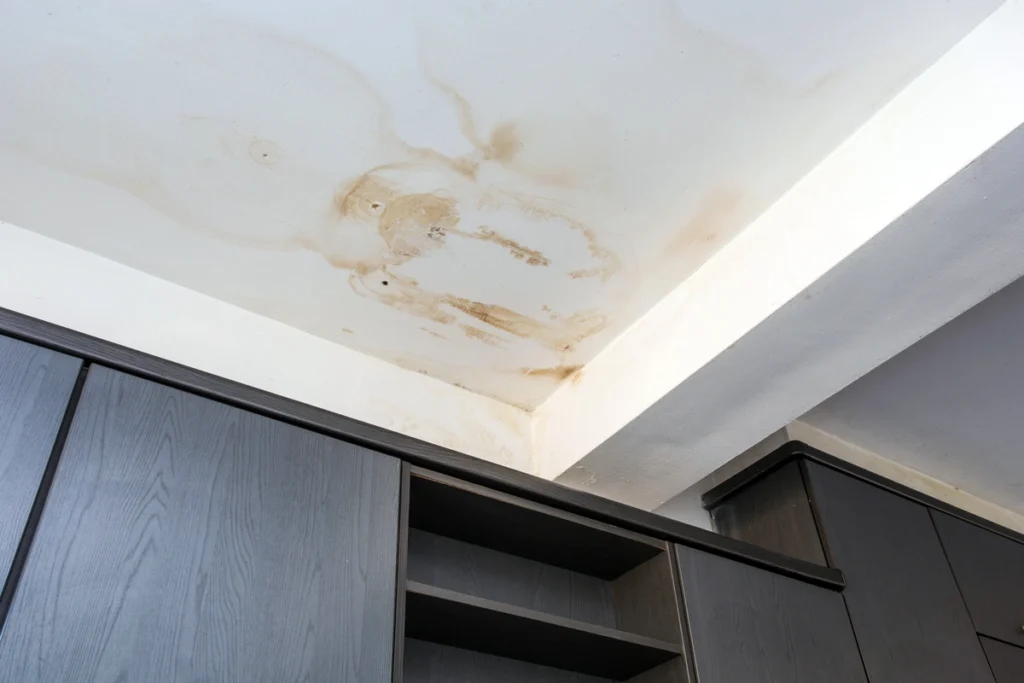
Water stains on the ceiling, a telltale sign, typically appear as discolored rings. In severe cases, you might notice significant water flow or water pooling on your bathroom floor.
Roof Leaks
A leak in your roof is another common cause of a leaking ceiling. Damaged shingles, poor attic ventilation, and openings around vents and chimneys can all lead to water infiltrating your home. If you notice wet spots on your ceiling during or after heavy rain, it’s a good indicator that your roof might be causing ceiling leaks.
Regular roof maintenance, such as replacing missing or damaged shingles and repairing damaged flashing, is crucial in preventing leaks.
Faulty Appliances
Faulty appliances on upper floors, such as dishwashers, refrigerators, and washing machines, can also lead to ceiling leaks. If these appliances’ supply or drain lines are damaged, water can seep through the floor and stain the ceiling below.
Regularly checking your appliances for any leaks in their hoses or connections can help you catch any potential issues early and prevent ceiling leaks.
Immediate Actions to Take When Water Leaks from the Ceiling
Now that you have identified the potential sources of your ceiling leak, what’s next? Time is of the essence when dealing with water leaks. It’s vital to take immediate action to minimize the potential damage to your home.
From catching dripping water to managing water flow and protecting your belongings, every little step can make a significant difference in the outcome.
Catch Dripping Water
As soon as you notice a ceiling leak, take immediate steps to catch the dripping water. Place a gallon bucket or a large bowl atop towels directly beneath the leak. This will not only collect the dripping water, but also prevent it from spreading on the floors. Be prepared to empty these containers regularly to avoid overflow and manage the amount of leaking water efficiently.
Manage Water Flow
If the water leak is significant, it’s critical to manage the water flow. If the water leaking is due to a plumbing problem, shut off the main water line to prevent more water from entering the system and drain existing water by opening a faucet on the lowest level, such as a shower drain.
If the roof leak is due to a roof issue, you can create a hole with a sharp tool at the leak’s most prominent point to direct water flow and minimize spreading damage.
3 Repair Solutions for Ceiling Leaks
Once you have identified the source of the leak and taken immediate action, the next step is to repair the leak. While some leaks require professional repair, others can be fixed with a bit of DIY knowledge.
Here are some strategies for fixing leaking roofs, repairing damaged pipes, and addressing faulty appliances.
1) Fixing a Leaking Roof
Fixing a leaking roof can be a DIY task if the leak is minor and easily accessible. Start by checking for missing or damaged shingles and repairing or replacing them as necessary. Use caulk to seal minor gaps that may be causing leaks on the roof surface.
2) Repairing Damaged Pipes
Damaged pipes can be repaired by tightening connections or replacing sections of the pipe, depending on the location and severity of the leak. Before you start, make sure to shut off the water supply to prevent further water flow and damage.
You could also consider replacing old or damaged caulking around pipe fixtures, such as a leaking toilet, to stop leaks.
3) Addressing Faulty Appliances
Faulty appliances can lead to water leaks in your ceiling. Regularly inspect your appliances for any leaks in their hoses or connections. If you find a leak, repair or replace the faulty part as necessary.
In some cases, it may be more cost-effective to replace the entire appliance.
Repairing Ceiling Damage After a Leak
Once the leak has been repaired, it’s time to address the water damage to your ceiling. Depending on the extent of the damage, this could involve drying out the area, patching holes, and painting the ceiling to hide any water stains.
Drying Out Water Damage
Drying out the water damage is an essential step in repairing your ceiling. Use fans or dehumidifiers to speed up the drying process. In case of larger damaged areas, you might need to cut away the damaged section.
Remember, it’s crucial to completely dry out the area before proceeding with repairs to prevent mold and mildew growth.
Patching Holes
After drying out the area, you can proceed to patch any holes in your ceiling. Small holes can be patched with spackle, while larger holes may require new drywall. After patching the holes, sand the area to achieve a smooth finish.
Finally, apply a stain-blocking primer to the ceiling to hide water spots and prepare the surface for painting.
Contact Us for Roofing Services
Dealing with a ceiling leak can certainly be a challenge, but with the right knowledge and a proactive approach, it’s a challenge that can be effectively managed. The key is to take immediate action.Are you experiencing a leak? If so, contact Secured Roofing. Our contractors will get your roof back into good condition.
How Much Does A Metal Roof Cost? (2024 Update)
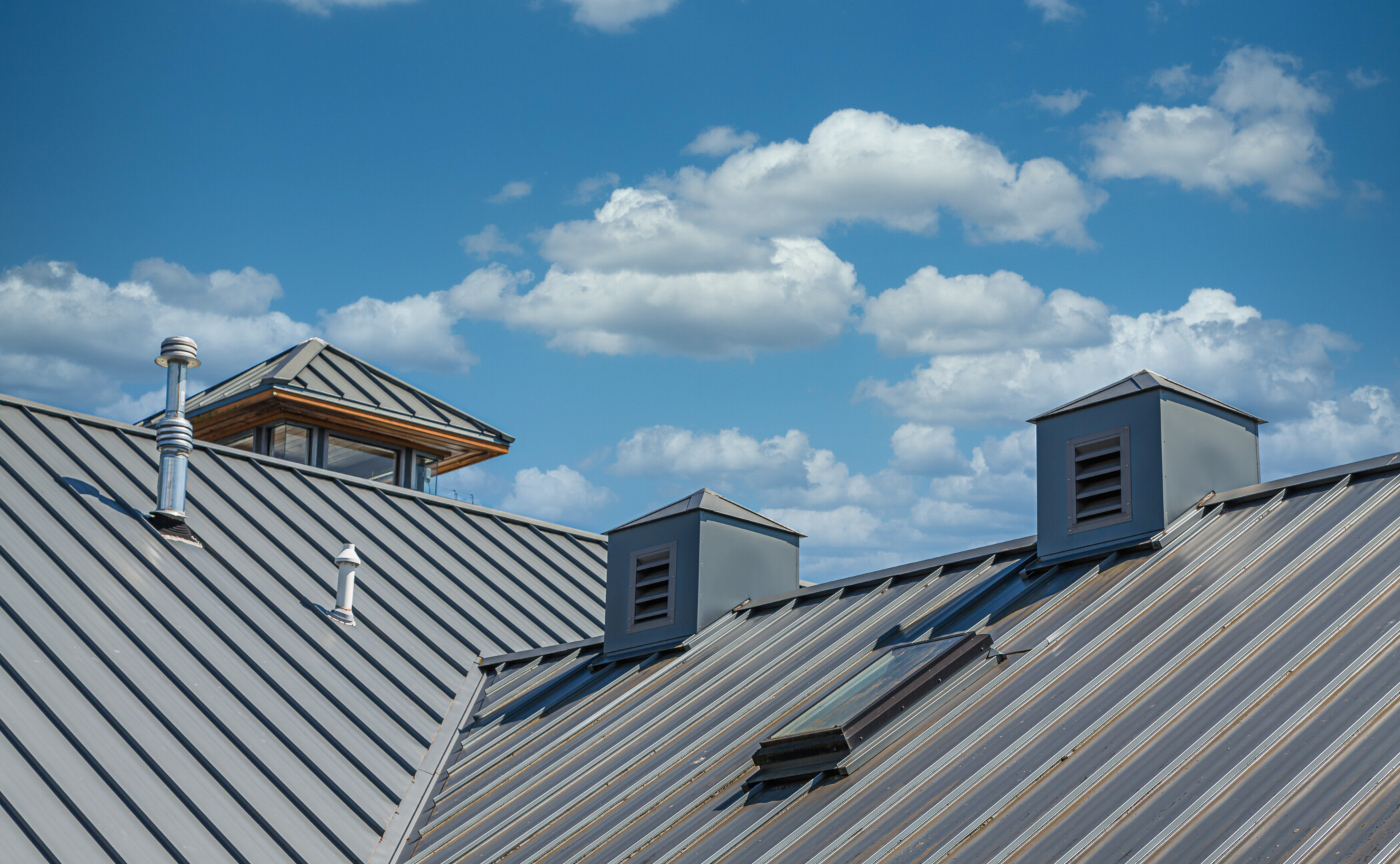
When considering a metal roof for your home, it’s essential to understand the associated costs. Metal roofing offers durability, energy efficiency, and aesthetic appeal, but how much does it actually cost? In this updated guide for 2024, we’ll explore the factors that influence metal roof costs and provide valuable insights for homeowners. From materials and labor to additional expenses, let’s dive into the world of metal roof pricing!
Inside this blog:
- 5 factors affecting metal roof cost
- 4 tips for managing metal roof costs
Keep reading to learn more about how much you should have saved up for a metal roof!
💰 5 Factors Affecting Metal Roof Cost
Several factors contribute to the overall cost of installing a metal roof. Understanding these factors can help homeowners budget effectively and make informed decisions:
1. Roof Size
The size of your roof plays a significant role in determining the overall cost of a metal roof installation. Larger roofs require more materials and labor to cover, resulting in higher expenses. Additionally, complex roof designs with multiple angles or sections may require additional time and effort to install properly, further contributing to the overall cost.
2. Material Choice
The type of metal roofing material you choose will impact the cost of your project. While basic options like steel may be more affordable upfront, premium materials such as copper or zinc come at a higher price point due to their durability and aesthetic appeal. Consider your budget and long-term goals when selecting the right material for your roof.
3. Roof Complexity
The complexity of your roof’s design can affect the installation process and, consequently, the overall cost. Roofs with multiple peaks, valleys, or dormers may require more intricate installation techniques, increasing labor costs. Additionally, features like chimneys, skylights, or roof vents may require custom flashing or additional materials, adding to the total expense.
4. Labor Costs
Labor expenses for a metal roof installation can vary depending on factors such as location, contractor rates, and the complexity of the project. Skilled labor is essential for ensuring proper installation and long-term performance, so it’s essential to budget accordingly for labor costs. Obtaining multiple quotes from reputable contractors can help you compare labor rates and find the best value for your project.
5. Additional Features
In addition to the roofing material and labor costs, there may be additional features or accessories that contribute to the total expense of a metal roof installation. These can include insulation to improve energy efficiency, underlayment to provide added protection, flashing to seal joints and edges, and gutter systems to manage water runoff.
While these features may increase the upfront cost of your project, they can enhance the performance and longevity of your metal roof in the long run.
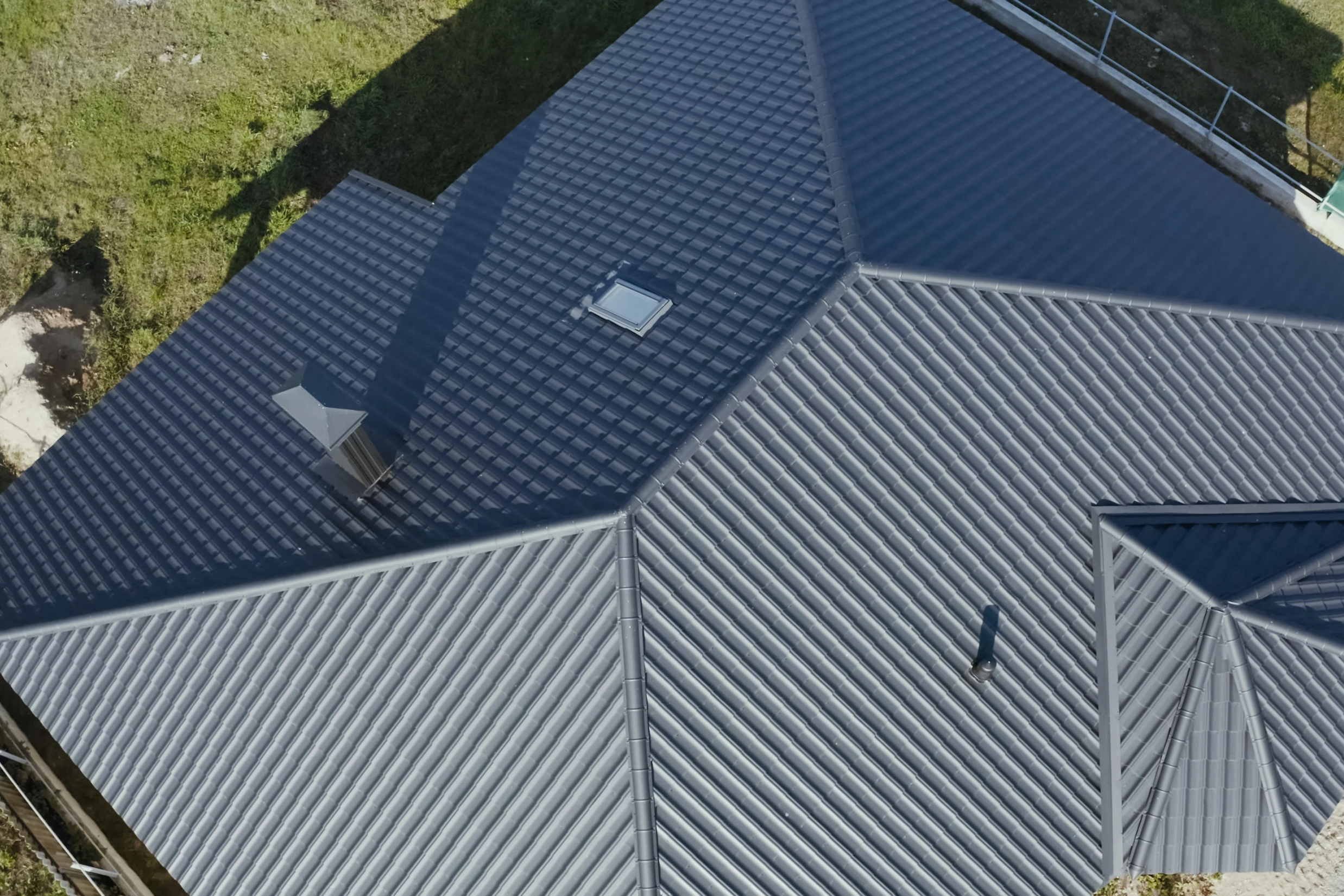
Breaking Down the Costs
Let’s delve deeper into each component of metal roof costs to gain a comprehensive understanding:
Material Costs
- Steel: Steel is a popular and affordable option, with prices typically ranging from $5 to $12 per square foot.
- Aluminum: Aluminum offers excellent corrosion resistance and durability but comes at a higher cost, ranging from $9 to $15 per square foot.
- Copper: Copper is a premium option known for its beauty and longevity, but it’s also the most expensive, averaging $15 to $25 per square foot.
Labor Costs
Labor expenses vary depending on factors like location and contractor rates. On average, homeowners can expect to pay between $3 to $7 per square foot for labor.
In some areas with higher costs of living, labor expenses may be higher, while in others, they may be more affordable. It’s essential to obtain quotes from multiple contractors to compare labor costs and ensure you’re getting a fair price for the installation.
Additionally, investing in a reputable and experienced contractor may come with a higher labor cost upfront but can save you money in the long run by ensuring quality workmanship and fewer issues.
Additional Expenses
- Underlayment: Typically costing around $0.50 to $1 per square foot, underlayment provides added protection against moisture and improves energy efficiency.
- Flashing and Trim: These essential components help seal roof joints and edges, preventing leaks. Prices range from $10 to $20 per linear foot.
- Insulation: Insulating your metal roof can enhance energy efficiency and comfort, with costs varying based on insulation type and thickness.
4 Tips for Managing Costs
Navigating metal roof costs can be daunting, but these tips can help homeowners manage expenses effectively:
1. Get Multiple Quotes
Obtaining quotes from multiple contractors allows you to compare prices and services, ensuring you get the best value for your money. It also gives you the opportunity to ask questions and clarify any concerns you may have about the project.
2. Consider Long-Term Value
Although the initial cost of a metal roof may be higher than other roofing materials, it’s essential to consider the long-term benefits. Metal roofs are durable and can last for decades with minimal maintenance, saving you money on repairs and replacements in the long run. Additionally, their energy-efficient properties can lower your utility bills over time, further enhancing their value.
3. Explore Financing Options
If the upfront cost of a metal roof is a concern, many contractors offer financing plans or payment options to help homeowners spread out the expense. By exploring these financing options, you can make installing a metal roof more affordable and manageable within your budget.
4. Invest in Quality
When it comes to metal roofing, investing in high-quality materials and professional installation is crucial for ensuring the longevity and performance of your roof. High-quality materials are more durable and resistant to damage, while professional installation ensures proper fitting and sealing, minimizing the risk of leaks or other issues down the road. While it may cost more upfront, investing in quality now can save you money on repairs and replacements later.
🏡 Investing in Your Home’s Future
While the cost of a metal roof may seem significant upfront, it’s an investment in your home’s future. With durability, energy efficiency, and aesthetic appeal, metal roofing offers long-term value and peace of mind for homeowners. By understanding the factors influencing metal roof costs and implementing smart budgeting strategies, you can embark on your roofing project with confidence, knowing you’re making a wise investment in your home.
Contact our team of expert contractors at Secured Roofing and Restorations today. We’ll answer all of your questions and customize an approach to tackle your project quickly and efficiently. Every one of our roofing experts is trained to provide the highest professional workmanship, personalized service, and to use only the best quality materials.
The Ultimate Roof Maintenance Guide For New Homeowners
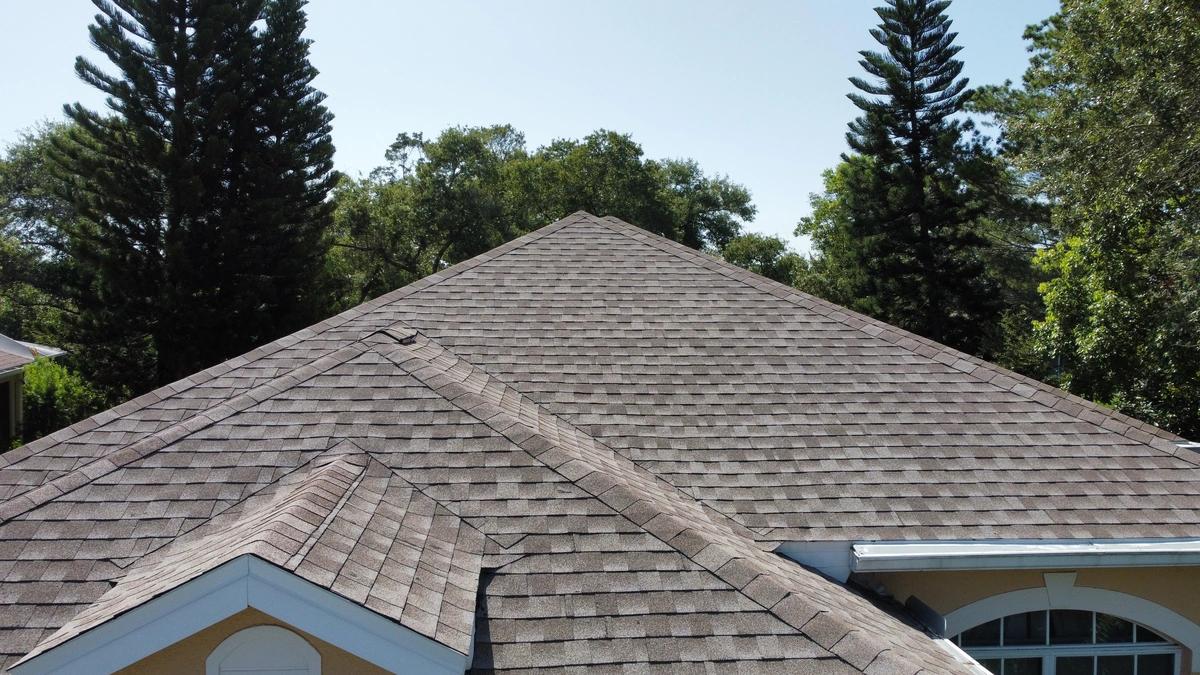
Are you looking to prevent roof damage and avoid steep repair costs? Start with active roof maintenance. Our guide uncovers essential maintenance tips, from thorough inspections to tackling weak spots before they escalate. Learn from these straightforward strategies to protect your roof and wallet.
Inside this blog:
- Prioritize Regular Roof Inspections
- Proactive Moss and Algae Control
- Safety Precautions for DIY Roof Maintenance
Prioritize Regular Roof Inspections
Understanding the value of roof integrity starts with the cornerstone of home maintenance – frequent roof inspections. Regular check-ups make you a proactive guardian against potential disasters. A roof maintenance checklist should be a staple in every homeowner’s routine, helping to spot early signs of roof damage that could spiral into costly repairs.
Inspecting your roof is a proactive measure that protects against environmental factors and enhances energy efficiency by identifying insulation and ventilation problems. Maintaining a routine of regular inspections ensures the longevity of your roof.
Annual Inspections
Time does not tread lightly on any structure, and the roof is no exception. An annual roof inspection is a ritual that should be observed without fail. As the seasons change, they leave their marks on your shingle roof, from the sweltering heat of summer. That’s why seasonal roof care is essential to maintain the longevity of your roof.
A professional roofer can assess the roof deck, evaluating the roof structure for any signs of sagging and ensuring that the flashings continue to provide a steadfast barrier against water. This yearly pilgrimage across your rooftop is a critical investment in the longevity of your home.
Shingle Care and Replacement
Shingles serve as the roof’s shield, and their condition is crucial for the home’s protection. Regular shingle maintenance is the primary defense against environmental factors. When damaged shingles are spotted, prompt replacement is vital to preventing leaks and further deterioration.
Regular maintenance of your shingle roof not only prevents damage but also enhances your home’s curb appeal. Moreover, selecting the right roofing material, such as impact-resistant shingles, can offer additional defense against extreme weather. Lastly, protective coatings and sealants serve as the shield’s polish, warding off UV damage and the ravages of time.
Replacing Damaged Shingles
When shingles sustain damage, they call for a surgeon’s precision and a warrior’s resolve. Replace cracked or missing shingles swiftly to shield your home from water damage. With the right tools in hand, such as a roofing hammer and nailer, you can surgically remove and replace the affected shingles, taking care to reseal the roof deck.
Each tool, from the pry bar for removal to the shingle cutter for clean cuts, plays a vital role in ensuring the repair is seamless and enduring.
Proactive Moss and Algae Control
Despite lending a green hue to your roof, moss and algae are intrusive elements that can undermine its structure. These organisms thrive in damp conditions, particularly in shaded areas that receive little sunlight. A proactive approach to moss and algae control can save you from the headaches of roof repair down the line.
From specialized shingles with built-in resistance to strategic applications of cleaning solutions, there are a variety of methods to keep these pesky invaders at bay.
Removal Methods
When moss and algae take hold, they can be evicted with a blend of elbow grease and the right concoctions. A professional cleaning service can tackle significant growths, ensuring that your roof is left spotless and intact. For the DIY enthusiast, a solution of chlorine bleach and water can be used to cleanse the roof, but caution and safety precautions must be observed. If the moss is particularly tenacious, it may require multiple applications to fully surrender.
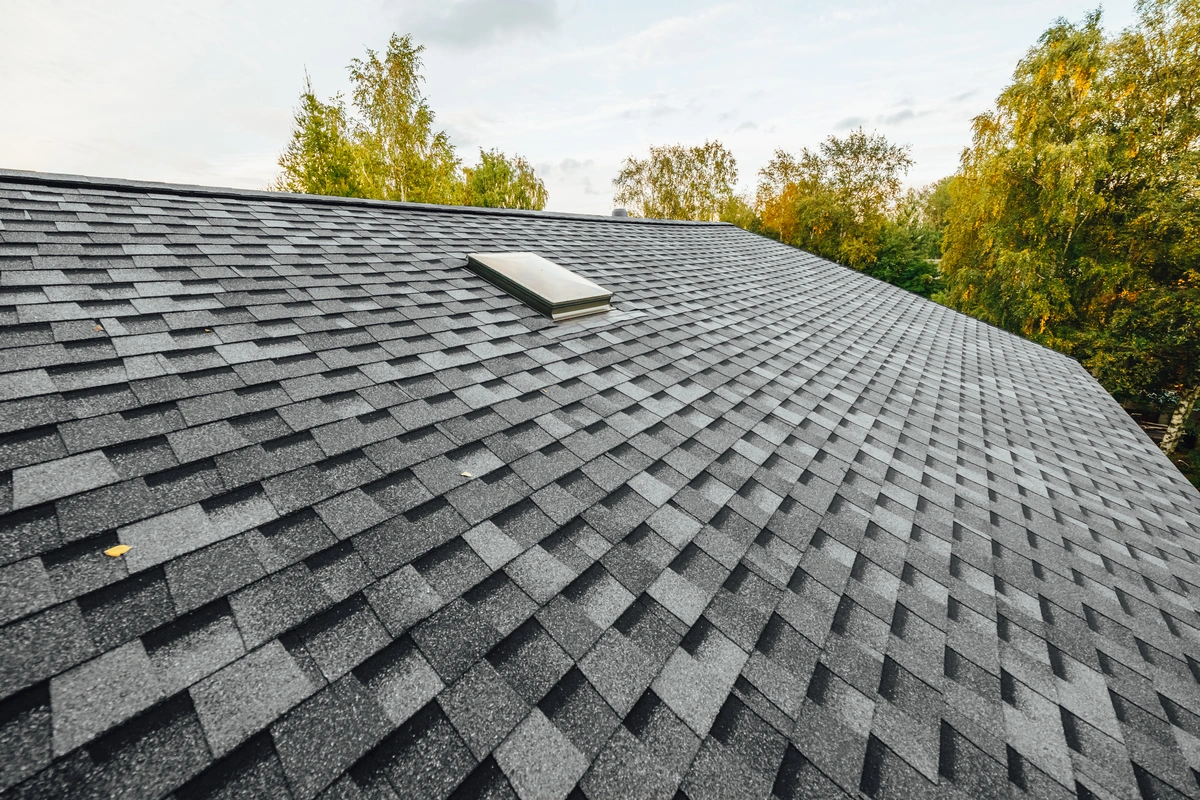
Ventilation and Insulation
A roof’s longevity is closely tied to the conditions beneath it. The right attic ventilation and insulation are essential to avoid heat damage and prevent mold proliferation. Insufficient ventilation can lead to premature roof failure, while proper insulation keeps heat where it belongs—within the living spaces.
Together, they create a balanced system that not only protects the roof but also enhances the home’s overall energy efficiency.
Attic Ventilation
Effective attic ventilation is a breath of fresh air for your roof, mitigating heat damage and promoting a healthier home environment. By installing ridge and soffit vents, you create a natural airflow that cools the attic and extends the life of your roof shingles.
Regular checks for blockages or damage to these vent pipes are essential to maintain this natural ventilation system.
Choosing the Right Roofing Material
The choice of roofing material is a critical decision that can impact the longevity and performance of your roof. Materials like slate tiles offer long-lasting durability, while UV-resistant coatings and shingles protect against the sun’s damaging rays.
By choosing the right materials, you can ensure that your roof remains a steadfast guard against the elements for decades.
Safety Precautions for DIY Roof Maintenance
DIY roof maintenance can be gratifying for proactive homeowners. Nonetheless, safety should always be given the utmost priority. Proper gear, such as a safety harness and non-slip shoes, and working in pairs can significantly reduce the risk of accidents.
By following these safety precautions, you can maintain your roof while ensuring that you remain safe and sound.
Proper Gear and Equipment
Taking to the roof without proper gear is akin to sailing without a life jacket. Safety gear is not just an accessory; it’s essential. Here are the bare minimum safety gear you should have:
- A sturdy ladder
- Hard hat
- Safety goggles
- Non-slip boots
In addition, a safety harness tied to a solid anchor point can mean the difference between a close call and a calamity.
Remember, the roof can be treacherous territory, especially in roof valleys, and your well-being is paramount as you maintain your home’s protective cloak, especially when considering a new roof.
Don’t Slack on Your Roof Maintenance
As we cap off this guide, remember that your roof is the guardian of your home. Regular inspections and diligent maintenance are part of preserving its integrity. Embrace these strategies, and you’ll fortify your home against the elements, ensuring that it remains a bastion of security for many years.At Secured Roofing, we’ll help you stay on top of your roof. Get in touch with us to start your roofing project.