


Chad Fortson
How to Repair a Roof Leak In 5 Simple Steps





Few things can send a chill down your spine like discovering a leaky roof. But don’t worry, with a little know-how and some elbow grease, you can tackle that pesky leak head-on. In this guide, we’ll walk you through five simple steps for roof leak repair and get your home back to dry and cozy in no time. Let’s dive in!
Inside this blog:
- 5 easy steps to repair your leaky roof
- Tips under each step
- 4 bonus tips for leak prevention
Keep reading to learn more about how to repair your leaky roof so you can live dry and comfortably in your home!
Step 1: Identify the Source of the Leak

The first step in fixing a roof leak is to pinpoint where it’s coming from. This may require some detective work, so grab a flashlight and head up to your attic to look for signs of water infiltration. Here’s what to look for:
- Water stains on the ceiling or walls
- Damp or discolored insulation
- Mold or mildew growth
- Traces of water dripping or pooling
Once you’ve located the source of the leak, mark the area with a pencil or masking tape so you can easily find it from the outside. Take note of any structural features or landmarks that can help you locate the spot precisely, ensuring that your repair efforts are focused and effective.
Step 2: Clear Debris from the Roof
Before you can make any repairs, you’ll need to clear away any debris, such as leaves, branches, or dirt, that may be blocking the path of water flow on your roof. Use a broom or leaf blower to sweep the roof clean, being careful not to damage the shingles or other roofing materials.
Additionally, consider checking your gutters for any clogs or buildup, as these can exacerbate water flow issues and contribute to leaks. Regular gutter maintenance can help prevent future roof problems and prolong the life of your roof.
Step 3: Apply Roof Patching Material
Now it’s time to patch up that leak! Depending on the size and severity of the leak, you may need to use different materials. Here’s a general guide:
- For small cracks or holes in asphalt shingles, you can use roofing cement or asphalt roof patching compound.
- For larger areas or more significant damage, consider using a roof sealant or silicone caulk.
- For metal roofs, you may need to use metal roof repair tape or patches specifically designed for metal roofing materials. Remember to follow the manufacturer’s instructions carefully when applying these materials to ensure a proper and long-lasting repair. (Additionally, consider reinforcing the patched area with an extra layer of material for added durability and protection against future leaks.)
Step 4: Seal Around Roof Penetrations
Roof penetrations, such as chimneys, vents, and skylights, are common culprits for leaks. To prevent water from seeping in around these areas, it’s essential to seal them properly. Here’s how:
- Use flashing or roof cement to seal around chimneys and vents, ensuring a tight seal between the roofing material and the penetration.
- Apply silicone caulk or sealant around skylights and other smaller penetrations, filling any gaps or cracks to prevent water intrusion.
Step 5: Perform a Water Test and Monitor for Leaks
Once you’ve made your repairs, it’s time to put them to the test. Grab a hose and have a helper stand inside while you spray water onto the repaired area from the outside. Keep an eye out for any signs of leaking, and have your helper alert you if they see water coming in.
It’s also a good idea to check the repaired area periodically, especially after heavy rainfall, to ensure that the leak has been successfully fixed and no new issues have arisen.
🌟 4 Bonus Tips for Preventing Roof Leaks

Let’s cover 4 tips below for how you can prevent roof leaks.
1. Regular Maintenance
Keep your roof in tip-top shape by performing regular inspections and maintenance, including clearing debris, checking for damaged shingles, and sealing around roof penetrations. Don’t forget to also inspect the flashing and gutter system to ensure everything is in working order and free of debris buildup.
2. Trim Overhanging Branches
Overhanging branches can rub against your roof and cause damage to the shingles, leading to potential leaks. Trim back any branches that hang over your roof to prevent this from happening, and consider hiring a professional tree service if the branches are too high or difficult to reach safely.
3. Inspect Attic Ventilation
Proper attic ventilation is essential for preventing moisture buildup and mold growth, which can contribute to roof leaks. Make sure your attic vents are clear and functioning correctly, and consider installing additional vents if needed to improve airflow and reduce humidity levels.
4. Address Ice Dams
In colder climates, ice dams can form along the edge of the roof and prevent water from draining properly. Install ice and water shield membrane along the eaves of your roof to prevent ice dams from forming, and consider adding additional insulation in the attic to help regulate temperature and prevent snow from melting and refreezing on the roof.
💪 Tackle a Leaking Roof Like a Real Pro
Leaky roof repairs may seem daunting at first, but with the right tools and know-how, it’s entirely manageable. By following these five simple steps and implementing preventive measures, you can keep your roof leak-free and your home dry and comfortable for years to come. So, roll up your sleeves, put on your DIY hat, and tackle that leak head-on! Your home will thank you.
Contact our pro team of roofing contractors at Secured Roofing and Restorations today for expert workmanship and speedy turnaround times. We can’t wait to get the ball rolling on your next roofing project!
8 Main Parts of a Roof Explained (Picture Guide)

Have you ever looked up at your roof and wondered what exactly makes it tick? If you feel confused about how all of your roofing parts work together to keep your home standing strong–don’t worry! We know you’re not a roofing contractor, and that’s why we’re here to put your mind at ease and educate you with the primary components of your own roof.
So, let’s break down the eight main parts of a roof, from the shingles on top to the rafters underneath.
Inside this blog:
- The 8 key components of a roof
- Features + functions for each roof component
Keep reading to become an empowered homeowner and learn everything you need to know about the roof that hangs over your home’s head!
The Roof: An Overview
Before we get into the nitty-gritty details, let’s take a moment to appreciate the importance of your roof. Not only does it protect you and your home from the elements, but it also plays a significant role in your home’s overall aesthetic appeal and structural integrity. From rain and snow to wind and sunshine, your roof bravely faces it all, day in and day out.
1. Shingles: The Outer Armor
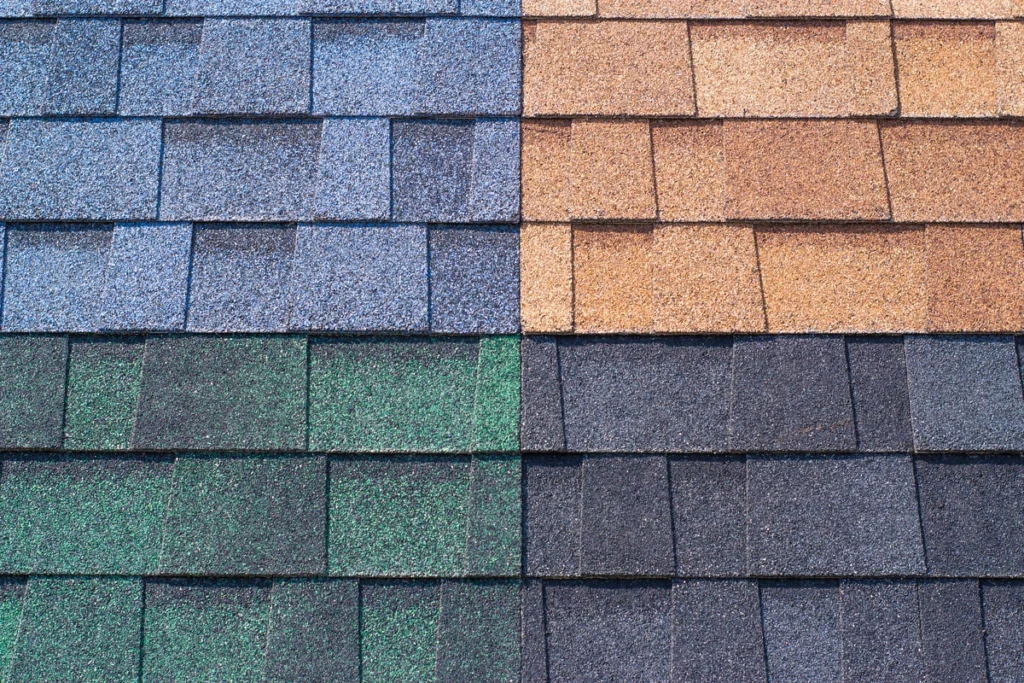
Shingles are the first line of defense against the elements, covering the entire surface of your roof. They come in various materials, including asphalt, wood, metal, and tile, each with its own unique characteristics and aesthetic appeal.
Here are some key points about your roof’s shingles:
- Asphalt shingles are the most common type of roofing material, known for their affordability and durability.
- Wood shingles offer a natural, rustic look but require more maintenance to prevent rot and decay.
- Metal shingles are becoming increasingly popular for their longevity and energy efficiency.
- Tile shingles add a touch of elegance to any home but can be more expensive upfront.
2. Underlayment: The Waterproof Barrier
Underneath the shingles lies the underlayment, a waterproof barrier that protects your roof deck from moisture infiltration. Typically made of felt or synthetic materials, this roof component acts as a secondary line of defense against leaks and water damage.
Some key points about underlayment:
- Felt underlayment, also known as tar paper, is a traditional option that provides adequate protection at an affordable price.
- Synthetic underlayment is gaining popularity due to its superior durability and resistance to tearing and wrinkling.
- Proper installation of underlayment is crucial for ensuring a watertight seal and preventing water from seeping into your home and entire roofing system.
3. Roof Deck: The Structural Foundation
The roof decking is the solid surface that provides structural support for the rest of the roof components. It’s typically made of plywood or oriented strand board (OSB) and is attached directly to the rafters or trusses.
Here are some key points about your roof’s decking:
- Plywood is the most common material used for roof decks due to its strength, stability, and resistance to moisture.
- Oriented strand board (OSB) is a more affordable alternative to plywood but may be prone to swelling and delamination if exposed to prolonged moisture.
4. Flashing: The Leak Prevention Specialist
Flashing is a thin, weatherproof material installed around roof openings and transitions to prevent water from seeping into your home. You can think of flashing as your home’s ice and water shield. It’s typically made of metal, such as aluminum or galvanized steel, and is installed in areas vulnerable to leaks, such as around chimneys, vents, and skylights.
Here are some key points about flashing:
- Properly installed flashing is essential for maintaining a watertight seal and preventing water damage to your home’s interior and roofing structure.
- Flashing should be inspected regularly and replaced if damaged or deteriorated to ensure continued protection against leaks. Solid protection against water leaks could prevent a roof replacement in the future.
5. Ventilation: The Climate Control Expert
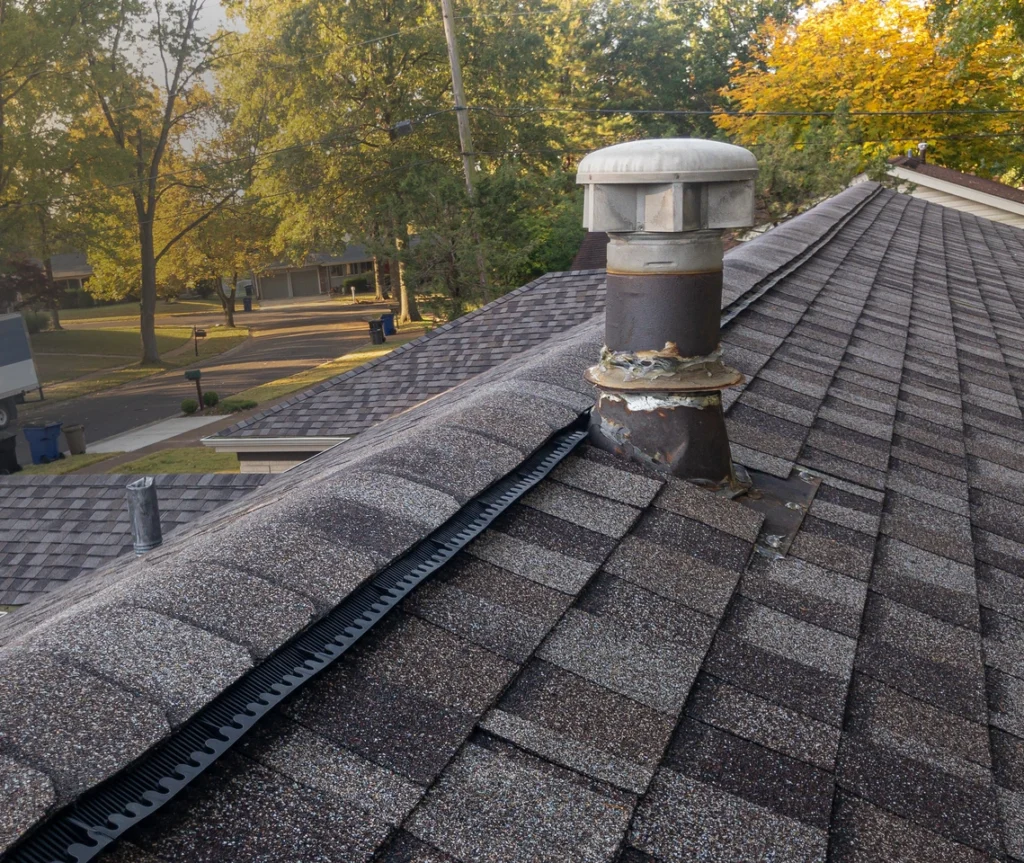
Proper ventilation is crucial for maintaining a healthy and comfortable indoor environment and extending the life of your roof. It allows air to circulate freely through your attic, preventing heat and moisture buildup that can lead to mold, mildew, and structural damage.
Here are some key points about ventilation:
- Ridge vents, soffit vents, and gable vents are commonly used to facilitate airflow and remove excess heat and moisture from the attic.
- Adequate ventilation can help lower energy costs by reducing the strain on your HVAC system and prolonging the life of your roofing materials.
6. Rafters: The Backbone of Your Roof
Rafters are the inclined beams that support the weight of the roof structure and transfer it to the walls of your home. They’re typically made of wood or metal and are spaced evenly across the width of the roof.
Here are some key points about rafters:
- Rafters are essential for providing structural support and maintaining the shape and integrity of your roof.
- Properly sized and spaced rafters are crucial for ensuring that your roof can withstand the weight of heavy snow loads and other environmental factors.
7. Gutters and Downspouts: The Rainwater Management Team
Gutters and downspouts are responsible for channeling rainwater away from your home’s foundation and preventing water damage to your roof and walls. Gutters are installed along the edges of the roof, while downspouts direct water from the gutters to the ground.
Here are some key points about gutters and downspouts:
- Regular maintenance, such as cleaning and repairing damaged sections, is essential for ensuring that gutters and downspouts function properly and prevent water buildup.
- Installing gutter guards can help minimize the accumulation of debris and reduce the frequency of gutter cleaning.
8. Eaves and Fascia: The Finishing Touches
Eaves are the lower edges of the roof that overhang the walls of your home, providing protection from the elements and adding architectural interest to your exterior. Fascia is the horizontal board that runs along the edge of the roof and supports the gutters.
Here are some key points about eaves and fascia:
- Properly maintained eaves and fascia can enhance the curb appeal of your home and protect it from water damage and rot.
- Regular inspections and repairs are essential for preventing issues such as rot, insect infestations, and damage from wind and weather.
🏗️ Your Roof, Piece by Piece
And there you have it – the eight main parts of a roof, explained in all their glory! From shingles and underlayment to rafters and gutters, each roof component plays a vital role in keeping your home safe, dry, and comfortable year-round. So, the next time you look up at your roof’s structure, take a moment to appreciate all the hard work that goes into keeping you and your family protected from the elements.
Contact our pro team of roofing contractors at Secured Roofing and Restorations today for expert workmanship and speedy turnaround times. We can’t wait to get the ball rolling on your next roofing project!
Roof Trusses: What Are They and What’s the Function?
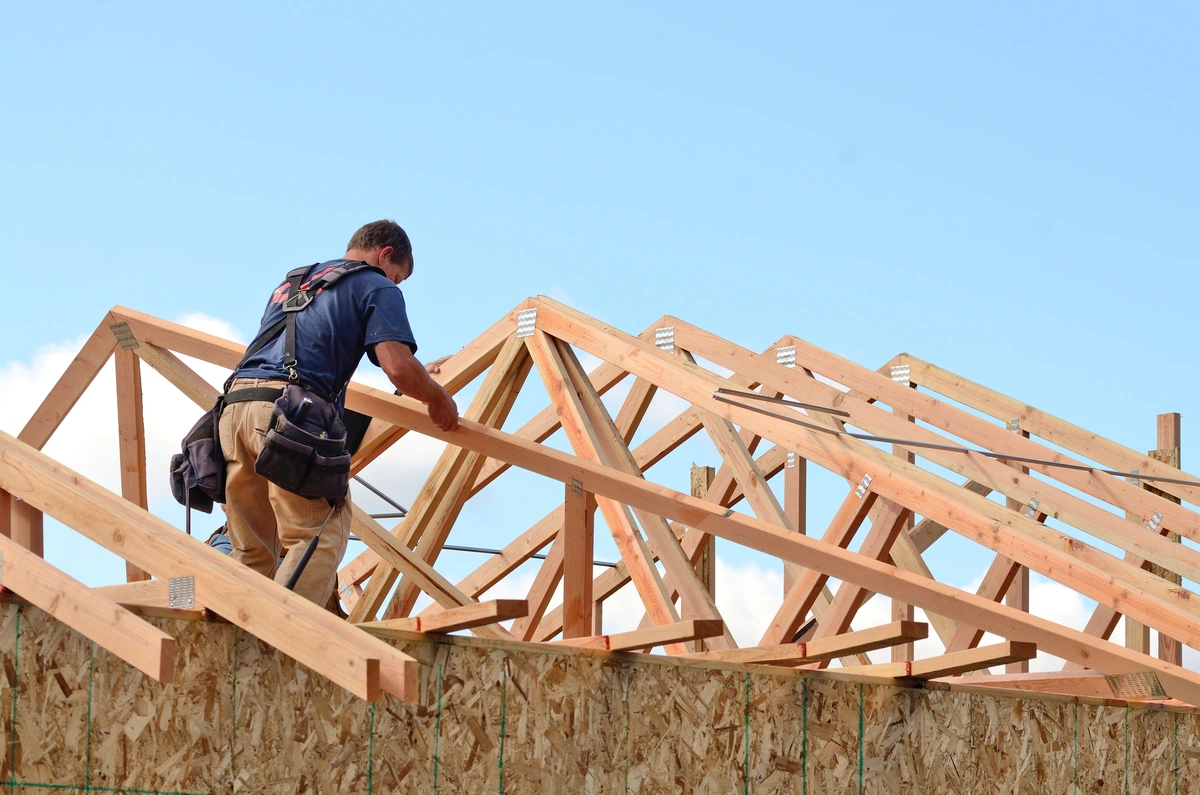
Ever looked up at your roof and wondered how it stays up there, strong and sturdy, through wind, rain, and whatever else Mother Nature throws its way? That’s where roof trusses come into play! In this guide, we’ll delve into what roof trusses are, how they work, and why they’re essential for the structural integrity of your home. Let’s get started!
Inside this blog:
- An overview of what roof trusses are and their primary functions
- 5 common types of roof trusses
- The 4 key benefits that roof trusses bring to your roof and home
Keep reading to learn all about roof trusses and why they’re the backbone of your home!
What Are Roof Trusses?
Simply put, roof trusses are engineered components that form the framework of your roof. They’re usually made from wood or metal and consist of interconnected triangles that distribute the weight of the roof evenly across the walls of your home. Think of them as the backbone of your roof, providing support and stability.
Functions of Roof Trusses

Below are a few primary functions of roof trusses.
Structural Support
One of the key functions of roof trusses is to provide structural support to your roof. By distributing the weight of the roof evenly, they help prevent sagging and ensure that your roof can withstand the elements.
Spanning Distance
Roof trusses allow for longer spans between load-bearing walls without the need for internal supports, making them ideal for open floor plans and large living spaces.
Resistance to Forces
They’re designed to withstand various forces, including wind, snow, and seismic loads, ensuring that your roof remains intact during extreme weather conditions.
Flexibility in Design
Roof trusses come in a variety of shapes and sizes, allowing for flexibility in roof design. Whether you prefer a traditional gable roof or a more modern hip roof, there’s a truss design to suit your needs.
5 Types of Roof Trusses
Let’s talk about the 5 common types of roof trusses:
1. King Post Truss
This is one of the simplest truss designs, consisting of a central vertical post (king post) with angled beams extending from it to the top of the roof. While it’s straightforward in design, the king post truss is still effective in providing support for smaller roof spans and structures.
2. Queen Post Truss
Similar to the king post truss, but with two vertical posts (queen posts) for added support and stability. This design variation allows for greater weight distribution and can accommodate larger roof spans compared to the king post truss.
3. Scissor Truss
These trusses have a unique design with bottom chords that cross each other, creating a vaulted ceiling space below. The scissor truss not only adds architectural interest to a space but also provides ample room for decorative ceiling treatments or attic storage.
4. Gambrel Truss
Often used in barns and garages, gambrel trusses have two slopes on each side, allowing for maximum attic space. This design maximizes headroom in the attic while providing a classic barn-like appearance to the structure.
5. Mono Truss
Ideal for small or narrow spaces, mono trusses have a single slope and are commonly used in lean-to roofs or additions. Despite their simple design, mono trusses are efficient in providing structural support while minimizing material usage, making them a cost-effective solution for smaller structures.
4 Benefits of Roof Trusses

Below we cover 4 benefits that roof trusses bring to your roof and home.
Cost-Effective
Roof trusses are manufactured off-site to precise specifications, reducing labor costs and construction time compared to traditional rafter framing methods. This efficiency not only saves you money during the initial construction but also minimizes potential delays and additional expenses down the line.
Strength and Durability
Engineered to meet stringent building codes and standards, roof trusses offer superior strength and durability, ensuring the longevity of your roof. With proper maintenance, roof trusses can withstand decades of exposure to the elements without compromising their structural integrity.
Ease of Installation
Because they’re prefabricated, roof trusses are relatively easy to install, saving time and hassle during the construction process. This streamlined installation process allows for faster project completion, reducing labor costs and minimizing disruption to your daily life.
Versatility
From residential homes to commercial buildings, roof trusses can be tailored to suit a wide range of architectural styles and design preferences. Whether you’re building a cozy cottage or a modern office complex, there’s a roof truss design to fit your unique vision and requirements.
Maintaining Your Roof Trusses
While roof trusses are designed to be durable, it’s essential to maintain them regularly to ensure they remain in good condition. Here are a few tips:
Inspect Regularly
Conduct visual inspections of your roof trusses at least once a year to check for signs of damage, such as cracks, splits, or insect infestations. Additionally, after severe weather events like hurricanes or heavy storms, it’s wise to perform an extra inspection to catch any potential issues early on.
Address Issues Promptly
If you notice any problems with your roof trusses, such as sagging or water damage, don’t wait to address them. Prompt repairs can prevent further damage and extend the life of your roof. Remember, a stitch in time saves nine!
Keep Gutters Clear
Clogged gutters can lead to water backup and potential damage to your roof trusses. Keep gutters clear of debris to ensure proper drainage and prevent water from pooling on your roof. Consider installing gutter guards to minimize maintenance and keep water flowing freely away from your home.
Roof Trusses: The Backbone of Your Roof
Roof trusses may not be the most glamorous part of your home, but they play a crucial role in its structural integrity and stability. From providing support and spanning distances to withstanding the forces of nature, roof trusses are undoubtedly critical to keeping your roof overhead and your home safe and sound. So, the next time you look up at your roof, give a nod of appreciation to those trusty trusses holding it all together!
Contact our pro team of roofing contractors at Secured Roofing & Solar today for expert workmanship and speedy turnaround times. We can’t wait to get the ball rolling on your next roofing project!
How Long Does a Shingle Roof Last in Florida?
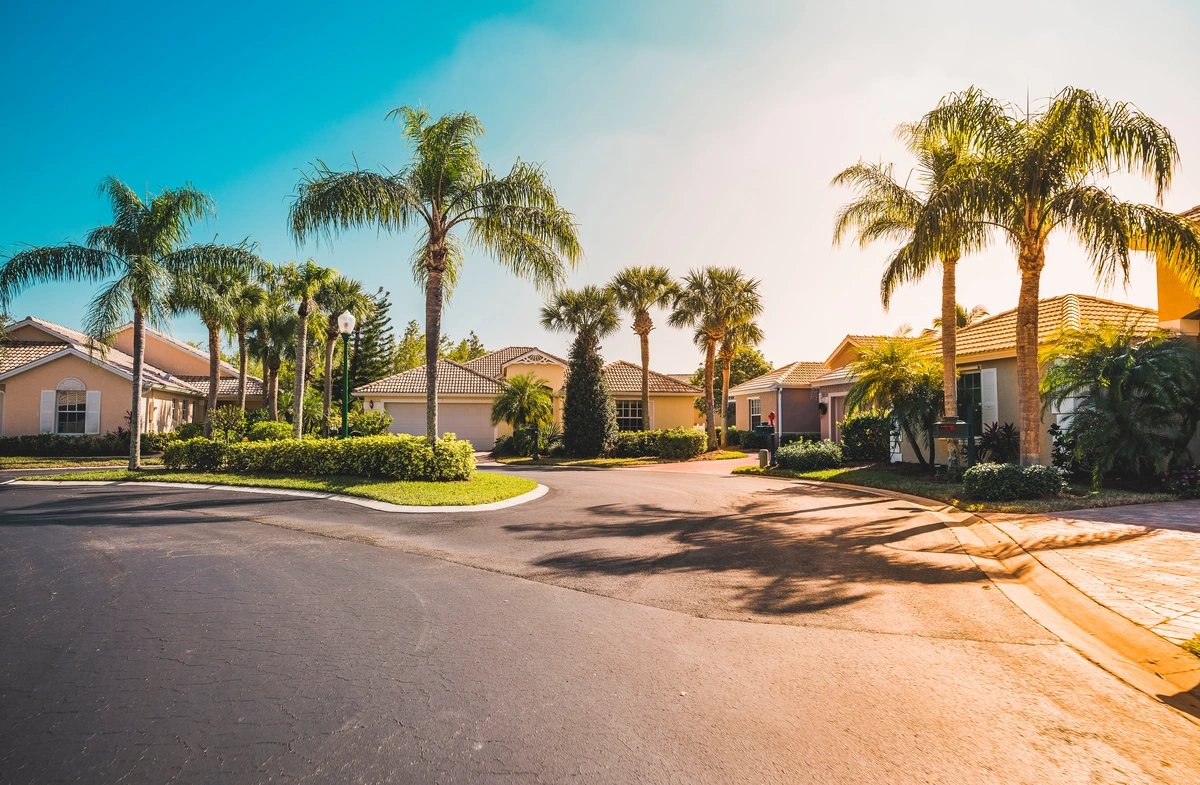
Are you basking in the Sunshine State’s glory, enjoying those warm breezes and abundant sunshine? Well, amidst all that tropical bliss, there’s something we need to talk about – your roof. Specifically, those shingles keep your home cozy and dry. If you’ve ever wondered about the lifespan of your shingle roof in Florida, you’re in the right place. Let’s dive in!
Inside this blog:
- 4 key factors that influence the lifespan of a shingle roof in Florida
- Breakdown of shingle roof lifespan based on material
- Signs to look out for that indicate you need a roof replacement
Keep reading to learn how long your shingle roof can last under the Florida heat and what you can do to keep it in tip top shape for years to come!
Understanding the Florida Factor
First things first, let’s address the elephant in the room – Florida’s climate. While we’re blessed with gorgeous weather for most of the year, our roofs endure some serious challenges. From scorching sun to torrential rain and the occasional hurricane, Florida throws everything at our homes, including the kitchen sink. So, how do shingle roofs hold up under such relentless conditions?
4 Factors Affecting Shingle Roof Lifespan
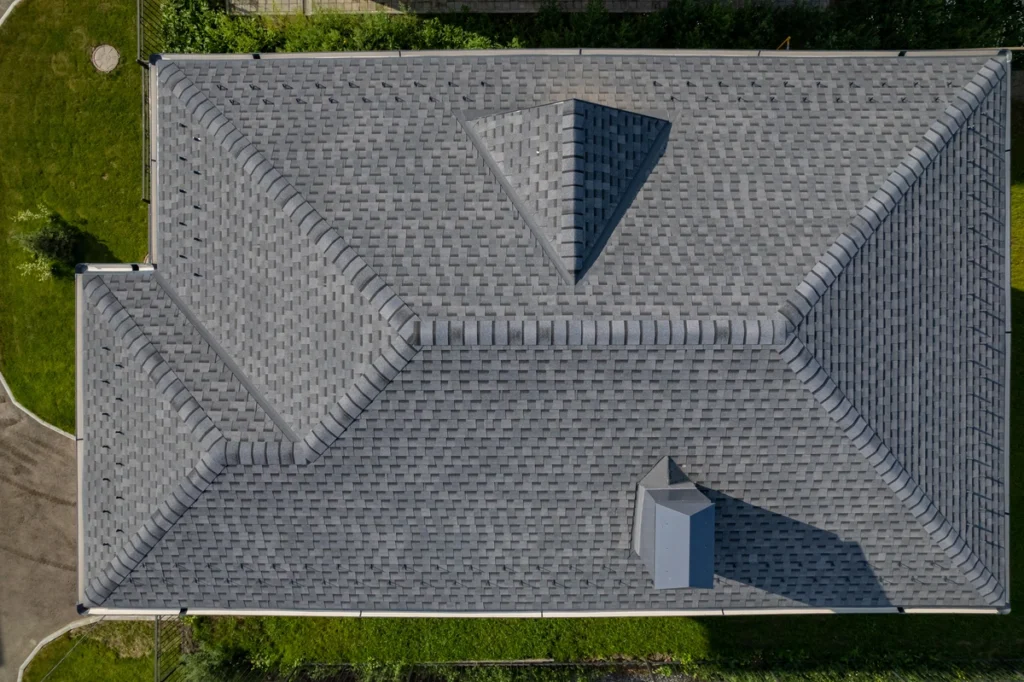
Below we’ll cover 4 key factors that affect the lifespan of a shingle roof.
1. Material Matters
Shingle roofs come in various materials, such as asphalt, wood, metal, and tile. Each material has its pros and cons, with some being more durable than others. Asphalt shingles, for example, are popular in Florida due to their affordability and decent lifespan. They’re also relatively easy to install and come in a variety of colors to suit your aesthetic preferences.
2. Installation Quality
A shoddy installation job can significantly shorten your roof’s lifespan. Make sure you hire reputable contractors who know their stuff. Saving a few bucks upfront could cost you dearly in the long run. Plus, hiring experienced professionals ensures that your warranty remains valid and protects you against any unforeseen issues.
3. Maintenance Habits
Regular maintenance is key to prolonging your roof’s life. Keep those gutters clean, trim overhanging branches, and inspect for any signs of damage or wear and tear. Additionally, consider scheduling annual inspections with a roofing professional to catch any potential problems early on and avoid costly repairs down the road.
4. Ventilation and Insulation
Proper ventilation and insulation can prevent moisture buildup and excessive heat, which can wreak havoc on your shingles. Adequate attic ventilation not only extends the life of your roof but also helps regulate indoor temperatures, making your home more energy-efficient. Consider installing ridge vents, soffit vents, or attic fans to ensure proper airflow.
So, How Long Can You Expect Your Shingle Roof to Last?
While there’s no one-size-fits-all answer, here’s a rough breakdown based on material:
Asphalt Shingles
Typically last anywhere from 15 to 25 years in Florida, depending on various factors. However, opting for premium asphalt shingles with enhanced durability features can potentially extend their lifespan closer to the upper end of that range.
Wood Shingles
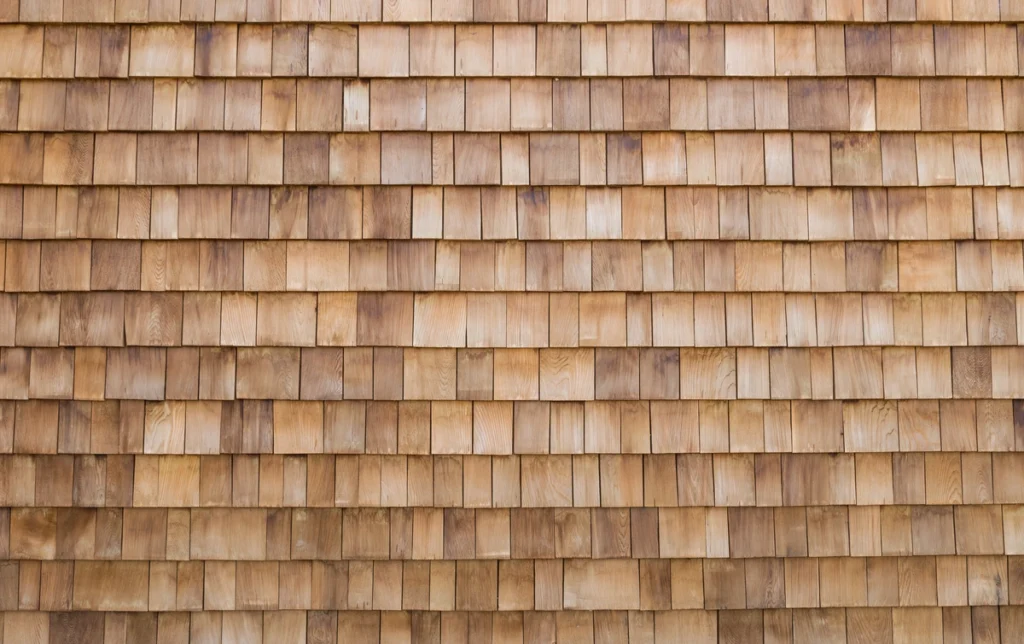
These can last around 20 to 25 years, but they’re more susceptible to moisture and insect damage. Regular treatments with preservatives can help mitigate these risks and prolong their lifespan.
Metal Roofs
With proper maintenance, metal roofs can last 40 years or more, making them a durable option for Florida’s climate. Additionally, metal roofs are highly resistant to fire, which adds another layer of protection to your home.
Tile Roofs
Clay or concrete tiles can last 50 years or more, but they tend to be more expensive upfront. However, their longevity and timeless aesthetic make them a worthwhile investment for homeowners looking for a durable and stylish roofing option.
🚨 Signs It’s Time for a Roof Replacement
Check out the signs below that indicate you may need a roof replacement.
Bald Spots
If your shingles are missing granules or have bald spots, it’s a clear sign of wear and tear. These areas are vulnerable to leaks and can compromise the integrity of your roof if left unattended.
Leaks and Water Damage
Don’t ignore water stains on your ceiling or walls. It could indicate a serious roofing problem, such as damaged flashing or deteriorating underlayment, which requires immediate attention to prevent further water infiltration and potential mold growth.
Curling or Buckling Shingles
Shingles that are curling or buckling are no longer providing adequate protection and need to be replaced. Ignoring these issues can lead to more significant damage, such as leaks and water infiltration, especially during heavy rainstorms or hurricanes.
Visible Damage
From cracks to missing shingles, any visible damage should be addressed promptly to prevent further issues. Even seemingly minor damage can escalate quickly, compromising the integrity of your roof and resulting in costly repairs if not addressed in a timely manner.
Investing in Quality Pays Off
Replacing a roof is a significant investment, but it’s one that pays off in the long run. By opting for high-quality materials and professional installation, you can enjoy peace of mind knowing your home is well-protected against Florida’s unpredictable weather.
Plus, a new roof can enhance your home’s curb appeal and increase its resale value, providing an added return on your investment if you decide to sell in the future.
🏠 Keep Your Roof Happy & Healthy
The lifespan of roof shingles in Florida depends on various factors, including material, installation quality, and maintenance habits. While asphalt shingles typically last 15 to 25 years, other materials like metal and tile can offer greater longevity. By staying proactive with maintenance and addressing issues promptly, you can maximize the lifespan of your roof and keep your home safe and dry for years to come. So, here’s to many more years of enjoying the Florida sunshine under a sturdy shingle roof!
Contact our pro team of roofing contractors at Secured Roofing and Restorations today for expert workmanship and speedy turnaround times. We can’t wait to get the ball rolling on your next roofing project!
Why Having Proper Attic Insulation Is Highly Important
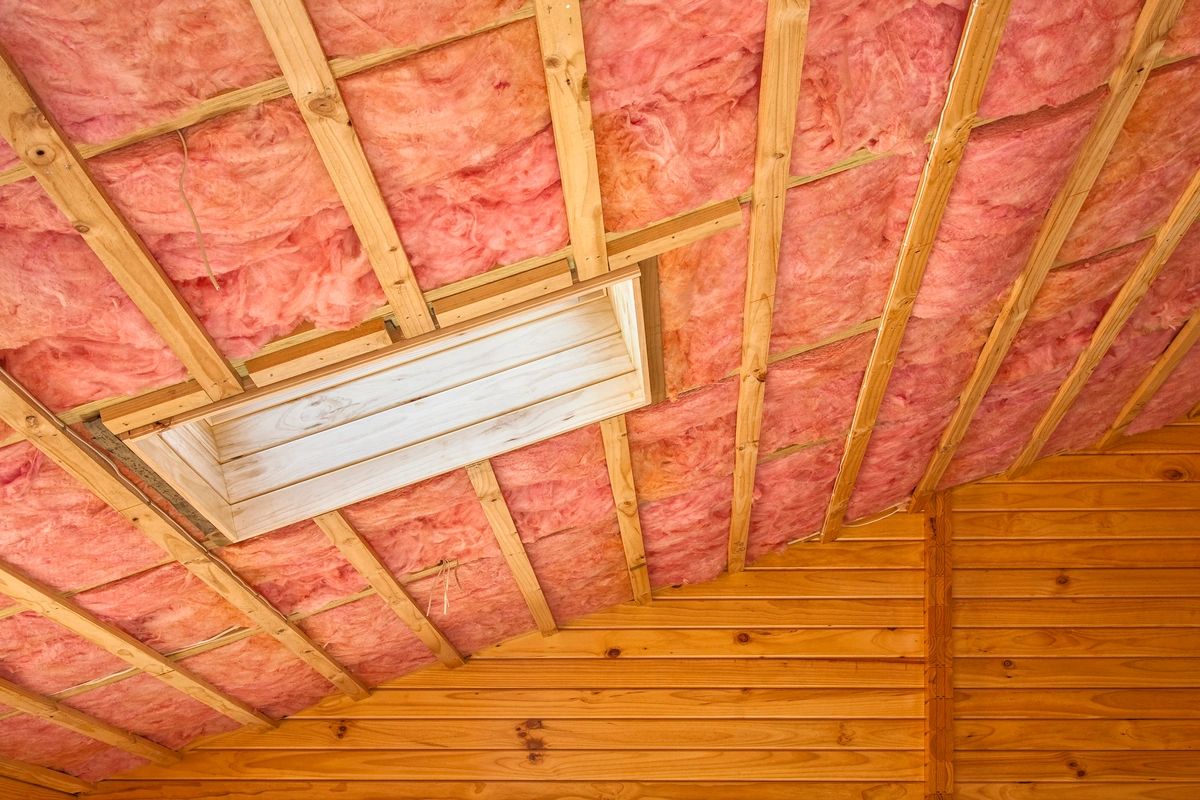
When it comes to home maintenance and energy efficiency, one often overlooked but critical aspect is attic insulation. Your attic plays a vital role in regulating your home’s temperature throughout the year, and having proper insulation is paramount. In this guide, we’ll explore why having the right attic insulation is highly important for homeowners and how it can benefit your comfort, energy bills, and the environment.
Inside this blog:
- 5 signs that your attic insulation may need some repairs
- The 4 key types of attic insulation
- Benefits of getting a professional to install your attic insulation
Keep reading to learn why your attic insulation is a crucial component of your home!
The Importance of Proper Attic Insulation 🌡️
Let’s go over why attic insulation plays an essential part in keeping you and your home comfortable all year round.
Enhanced Energy Efficiency
Reduced Heat Loss: Proper attic insulation acts as a barrier, preventing heat from escaping your home during the winter months. This means your furnace or heating system doesn’t have to work as hard, resulting in lower energy bills.
Better Cooling Efficiency: During the summer, attic insulation helps keep your home cool by preventing the transfer of heat from the scorching outdoors to your interior. This means less reliance on air conditioning, which translates to energy savings.
Improved Comfort and Temperature Control
Consistent Temperatures: Proper attic insulation helps maintain consistent indoor temperatures. Say goodbye to drafty rooms and uneven heating or cooling throughout your home.
Optimal Climate Control: You can enjoy a comfortable environment year-round, whether it’s staying warm during winter chills or cool during sweltering summers.
Cost Savings
Lower Utility Bills: With reduced energy consumption for heating and cooling, you’ll see a noticeable decrease in your utility bills. The savings can add up significantly over time.
Increased Home Value: A well-insulated attic is an attractive feature for potential buyers. It can increase your home’s resale value and make it more appealing on the market.
Environmental Benefits
Reduced Carbon Footprint: Using less energy to heat and cool your home reduces your carbon footprint. Proper attic insulation is an eco-friendly choice that contributes to a greener planet.
Energy Conservation: It aligns with the global effort to conserve energy resources and reduce greenhouse gas emissions.
5 Signs Your Attic Insulation May Need Attention ❄️
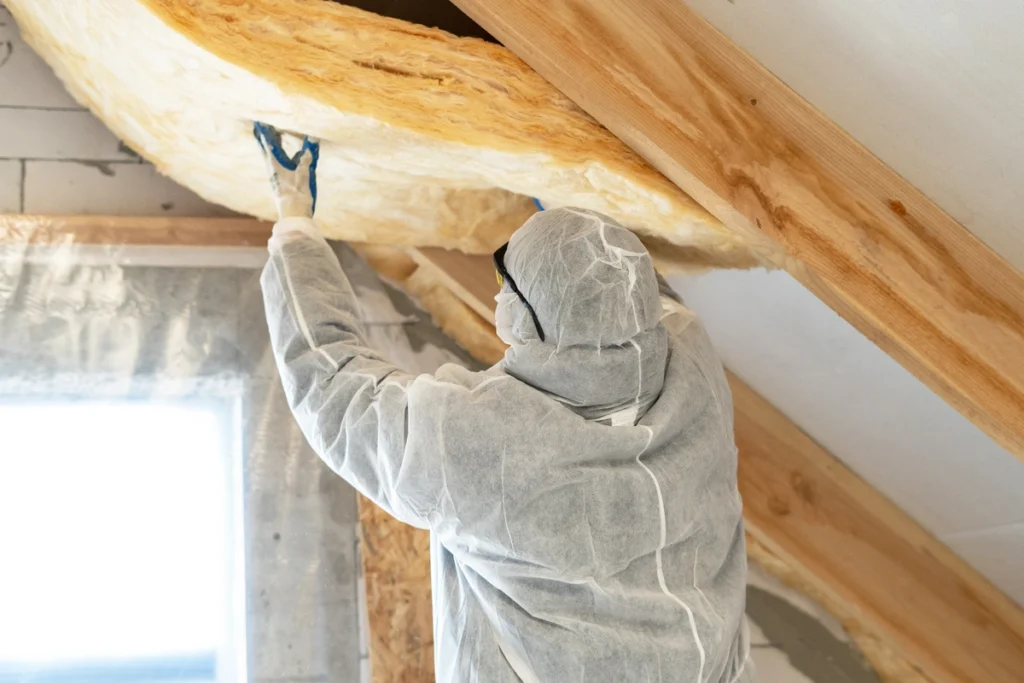
To determine whether your attic insulation is in good shape or needs an upgrade, look out for these signs:
1. High Energy Bills
If your energy bills have been consistently high despite normal usage, it may be due to inadequate attic insulation.
2. Temperature Fluctuations
Uneven temperatures in different parts of your home can indicate insulation problems. If some rooms are significantly colder or warmer than others, your attic insulation could be the culprit.
3. Drafts and Air Leaks
Feeling drafts or air leaks around doors, windows, or attic hatches suggests that your insulation might be compromised.
4. Ice Dams
Ice dams forming on your roof during winter can be a sign of poor attic insulation. This occurs when heat from your home escapes through the attic, melting snow on the roof, which then refreezes at the eaves, causing ice dams.
5. Visibly Damaged Insulation
If you can see damaged or deteriorating insulation in your attic, it’s time to consider replacement or reinforcement.
4 Types of Attic Insulation
Several types of attic insulation are available, each with its advantages and characteristics:
1. Fiberglass Insulation
Versatile Material: Fiberglass insulation is versatile and can be used in various areas of your home, not just the attic. It’s commonly used in walls and floors to enhance energy efficiency.
Environmental Considerations: While fiberglass insulation is effective and affordable, it’s essential to be aware of the environmental impact of its production and disposal. Proper recycling measures should be taken when disposing of old fiberglass insulation.
2. Cellulose Insulation
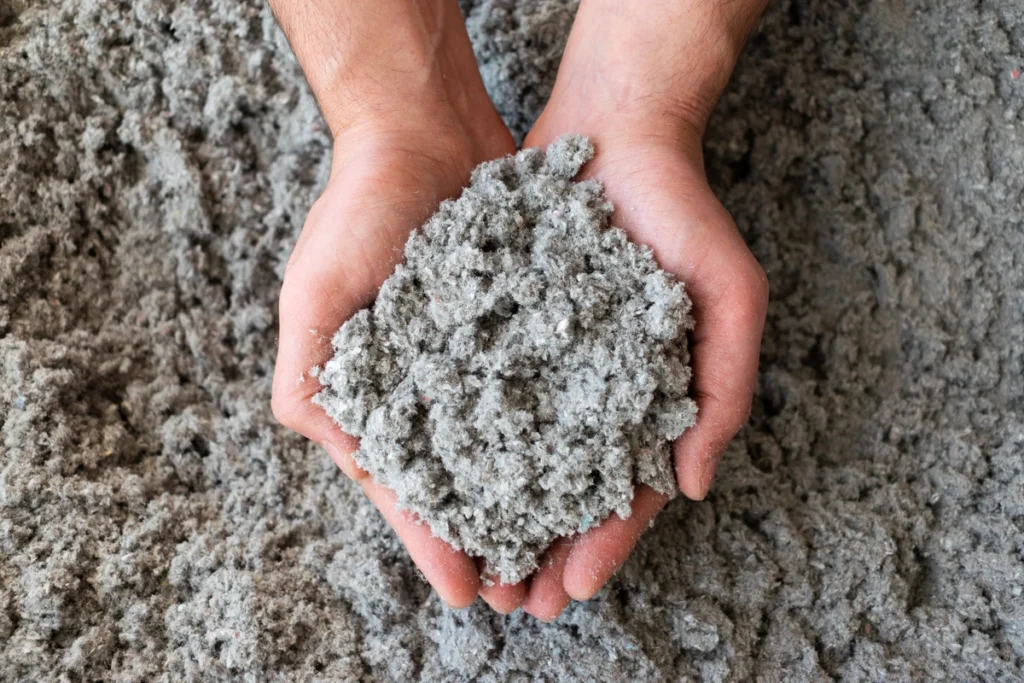
Recycled Content: Cellulose insulation is environmentally friendly because it’s made from recycled paper products. Choosing cellulose insulation supports recycling efforts and reduces the demand for new raw materials.
Fire Resistance: Cellulose insulation is treated with fire retardants to enhance its fire resistance, making it a safer option for your home.
3. Spray Foam Insulation
Vapor Barrier: Spray foam insulation acts as a vapor barrier, preventing moisture infiltration. This can help protect your home from mold and mildew issues caused by humidity.
Air Quality Considerations: Proper ventilation is crucial when using spray foam insulation to ensure that the curing process doesn’t release harmful fumes. Hiring professionals for installation is recommended to address these concerns.
4. Radiant Barrier Insulation
Combining Materials: Radiant barrier insulation can be used in conjunction with other insulation types for enhanced energy efficiency. It reflects heat, reducing the workload on traditional insulation materials.
Installation Specifics: The effectiveness of radiant barrier insulation depends on proper installation, including the placement of the reflective material. Professional installation ensures optimal performance.
DIY vs. Professional Installation 🧰
While some homeowners may choose to install attic insulation themselves, it’s often recommended to hire a professional. Here’s why:
Benefits of a Professional Installation
- Cost-Efficiency: While professional installation comes with a fee, it can actually be more cost-effective in the long run, as experts ensure optimal insulation that maximizes energy savings.
- Quality Assurance: Professionals follow industry standards and guidelines to guarantee the quality and effectiveness of the insulation, providing homeowners with peace of mind.
- Warranty Protection: Many professional insulation installations come with warranties, offering added protection in case of any issues with the insulation in the future.
A Wise Investment for Comfort & Savings
Proper attic insulation is not just an expense; it’s an investment in your home’s comfort, energy efficiency, and the environment. By reducing energy consumption, enhancing temperature control, and lowering utility bills, proper attic insulation pays for itself over time. Plus, it contributes to a more sustainable and eco-friendly future.
If you suspect that your attic insulation needs attention, don’t hesitate to consult with a professional insulation contractor. They can assess your current insulation, recommend suitable options, and ensure a proper installation that maximizes the benefits for your home and your wallet.
Get in touch with our pro team of roofing contractors at Secured Roofing and Restorations today and we’ll make sure all your questions and concerns about your roof are addressed. We can’t wait to help you kickstart your next roofing project!
Should You Stay Home During a Roof Replacement?

A roof replacement is a significant home improvement project that raises a common question among homeowners: “Should I stay home during roof replacement?” The answer isn’t one-size-fits-all and depends on several factors. In this guide, we’ll explore the pros and cons of staying home during a roof replacement, helping you make an informed decision about the best approach for your situation.
Inside this blog:
- 4 benefits of staying home during a roof replacement
- 3 considerations to staying home during a roof replacement
- How to make the right decision for you when it comes to staying home during a roof replacement
Keep reading to figure out whether staying home during your roof replacement is a smart decision for you!
4 Pros of Staying Home During a Roof Replacement ✅
Below we go over a few advantages of staying at home while getting a roof replacement done.
1. Supervision and Peace of Mind
- Quality Control: Staying home allows you to supervise the project and ensure that the roofing crew follows the agreed-upon plans. You can address any concerns immediately, promoting a smoother process and minimizing potential issues.
- Peace of Mind: Being present during the roof replacement can provide peace of mind. You can witness the progress firsthand and have confidence in the quality of workmanship.
2. Quick Decision-Making
- Immediate Responses: If unexpected situations arise, such as hidden damage or weather-related delays, you can make quick decisions in real-time. This can help keep the project on track and prevent unnecessary delays.
- Adjustments: Being on-site allows you to discuss any necessary adjustments with the roofing contractor promptly. Whether it’s a design change or addressing an unforeseen issue, you can collaborate more effectively.
3. Security and Personal Belongings
- Protecting Your Property: Staying home ensures that you can safeguard your property and personal belongings. You can prevent any accidental damage or theft during the project.
- Immediate Access: You’ll have immediate access to your home if needed, which can be essential for family members, pets, or retrieving essential items.
4. Personal Interaction
- Communication: Being on-site allows for direct communication with the roofing crew. You can ask questions, seek clarifications, and establish rapport with the workers, fostering a positive working relationship.
- Building Trust: Your presence can also help build trust between you and the roofing contractor. They can see your commitment to the project, which may lead to better service and attention to detail.
3 Cons of Staying Home During a Roof Replacement ❌
Let’s go over 3 factors to consider when it comes to staying at home during a roof replacement.
1. Safety Concerns
- Hazards: Roof replacements involve various hazards, including falling debris, tools, and potential accidents. Staying home can expose you to unnecessary risks.
- Distraction: Your presence may distract the roofing crew, leading to decreased efficiency and potential safety issues. Workers need to focus on their tasks without additional distractions.
2. Noise and Disruption
- Noise Levels: Roof replacements can be noisy, with constant hammering, machinery, and equipment noise. It may not be a conducive environment for work, relaxation, or concentration.
- Disruption to Daily Life: The ongoing construction process can disrupt your daily routine. This includes potential limitations on using certain parts of your home, like bedrooms or common areas.
3. Dust and Debris
- Dust and Debris: Roof replacements generate dust and debris that can infiltrate your home. This can be especially concerning if you have respiratory issues or allergies.
- Cleanliness: Maintaining a clean and dust-free environment inside your home can be challenging during the roof replacement process.
How to Make the Decision on Whether to Stay Home During a Roof Replacement
Think about the following items while you contemplate staying home or going out during your roof replacement process:
Project Complexity and Duration
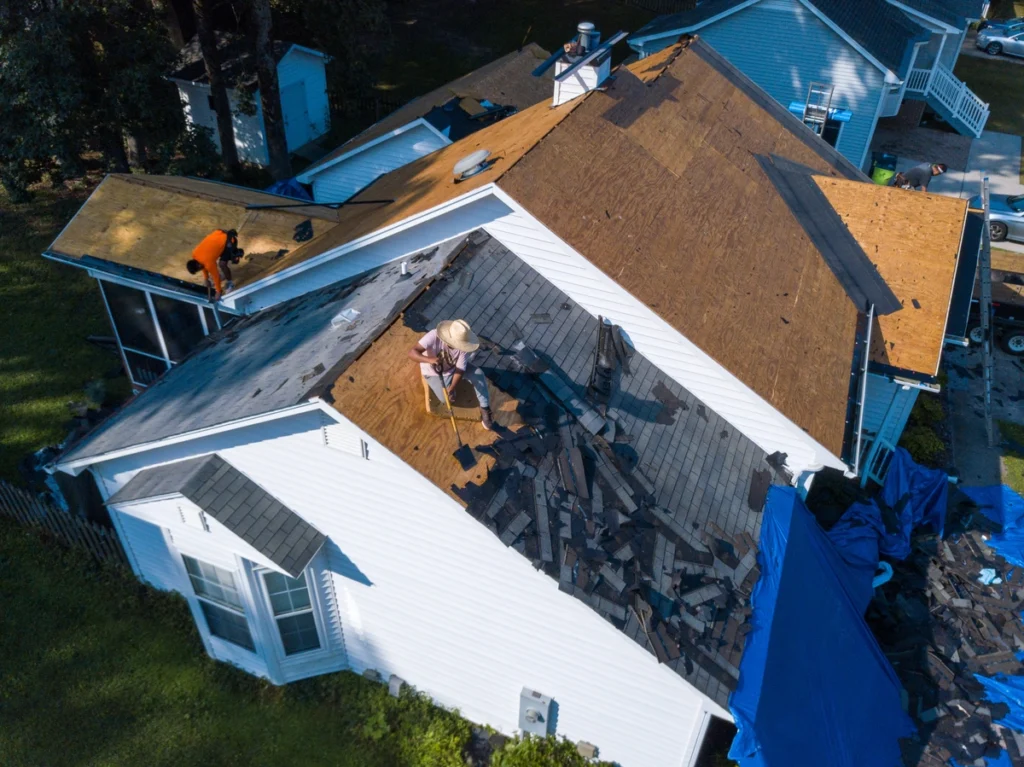
If the roof replacement is straightforward and doesn’t require constant decisions or adjustments, you may feel more comfortable leaving it in the hands of professionals. Likewise, shorter projects may be easier to manage from start to finish, while longer ones might require more involvement.
Trust in the Contractor
If you’ve hired a reputable and trustworthy roofing contractor with positive reviews, you may feel more at ease leaving them to handle the project independently. Also, having open and effective communication with your contractor can make it easier to stay in the loop with decisions and updates easier if you’re not on-site.
Personal Preferences and Tolerance
Consider your own comfort level with staying home during construction. Some homeowners are comfortable with the noise and disruption, while others prefer to be away. You should also evaluate your tolerance for potential risks and distractions. If safety concerns or distractions worry you, it may be best to stay away.
💡Tips for Staying Home During a Roof Replacement 💡
If you decide to stay home while you get your roof replaced, follow the below tips to make the experience more manageable:
- Create a Safe Zone: Establish an area in your home that remains safe from debris and dust. This can be a space where you can work or relax without disturbance.
- Communicate with the Crew: Maintain clear communication with the roofing crew to address any concerns or questions promptly.
- Protect Valuables: Cover or move valuable and sensitive items to prevent damage from dust or accidental contact.
- Plan Meals: Plan meals that don’t require extensive cooking, as your kitchen may be less accessible during the project.
- Inform Family Members: Ensure that all family members are aware of safety precautions and the schedule of the roof replacement.
Make the Right Choice for Your Roof Replacement 🏡
Deciding whether to stay home during a roof replacement is a personal choice that depends on your comfort level, project complexity, and trust in your contractor. While staying home offers supervision and peace of mind, it also comes with safety concerns, noise, and disruption.
Ultimately, the key is to make the choice that aligns with your preferences and circumstances. Whether you choose to stay home or temporarily relocate during the project, working closely with your roofing contractor can help ensure a successful roof replacement that enhances your home’s protection and longevity.
Get in touch with our pro team of roofing contractors at Secured Roofing and Restorations today and we’ll make sure all your questions and concerns about your roof are addressed. We can’t wait to help you kickstart your next roofing project!
These Are The 3 Best Shingle Brands to Choose From
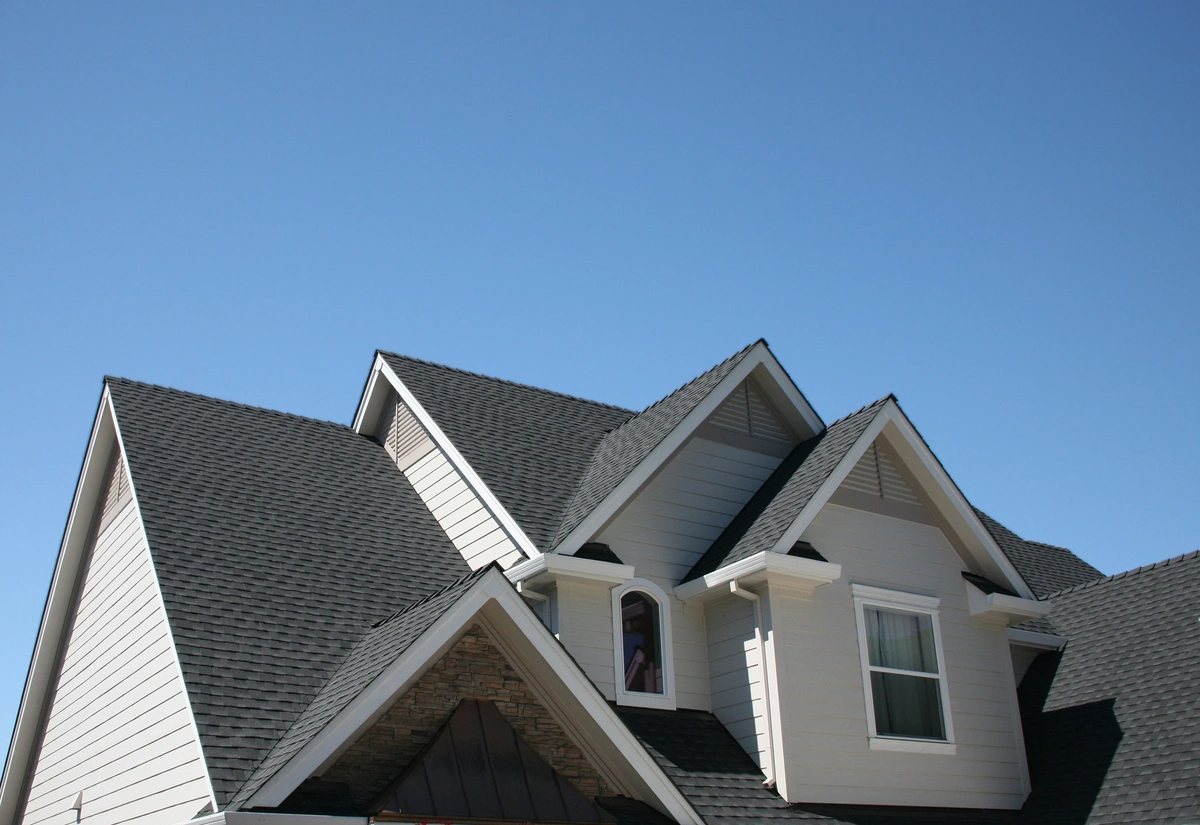
When it comes to protecting your home from the elements, your choice of roofing shingles matters. With so many brands and options available, it can be challenging to determine which shingle manufacturer to trust. To make your decision easier, we’ve compiled a list of the top three shingle brands known for their quality, durability, and variety. Whether you’re building a new home or planning a roof replacement, read on to discover the best roofing shingles brands for your roofing needs.
Inside this blog:
- An overview of the 3 top shingle brands for homeowners to choose from
- Features + benefits for each brand
- A popular roof shingle line for each brand
Keep reading to learn which brand will suit your roof and home best!
1. GAF – The Timberline Series
GAF, founded in 1886, has a long-standing reputation for producing top-notch roofing materials. They have consistently ranked as one of the leading shingle manufacturers in North America.
Let’s go over a couple key features of the GAF roofing brand.
- Diverse Product Line: GAF offers a wide range of shingle options, but their Timberline series stands out. The Timberline series includes various styles and colors, allowing homeowners to find the perfect match for their home’s aesthetic. From traditional to modern, GAF’s selection caters to diverse architectural styles.
- Advanced Technology: GAF is known for its innovation in roofing materials. Their shingles are designed with Advanced Protection® technology, ensuring durability and longevity. This cutting-edge technology not only enhances the performance of their shingles but also provides homeowners with peace of mind knowing they have reliable, technologically advanced roofing materials protecting their homes.
What’s Their Popular Shingle Line?
Timberline HDZ shingles are a popular choice among homeowners. They feature a striking appearance, lasting performance, and StainGuard Plus™ Time-Release technology to prevent unsightly algae stains.
✅Pros of GAF Shingles
- Excellent reputation
- Wide variety of styles and colors
- Advanced Protection technology
- Reliable durability
❌Cons of GAF Shingles
- Higher price point compared to some competitors
2. Owens Corning – The Duration Series
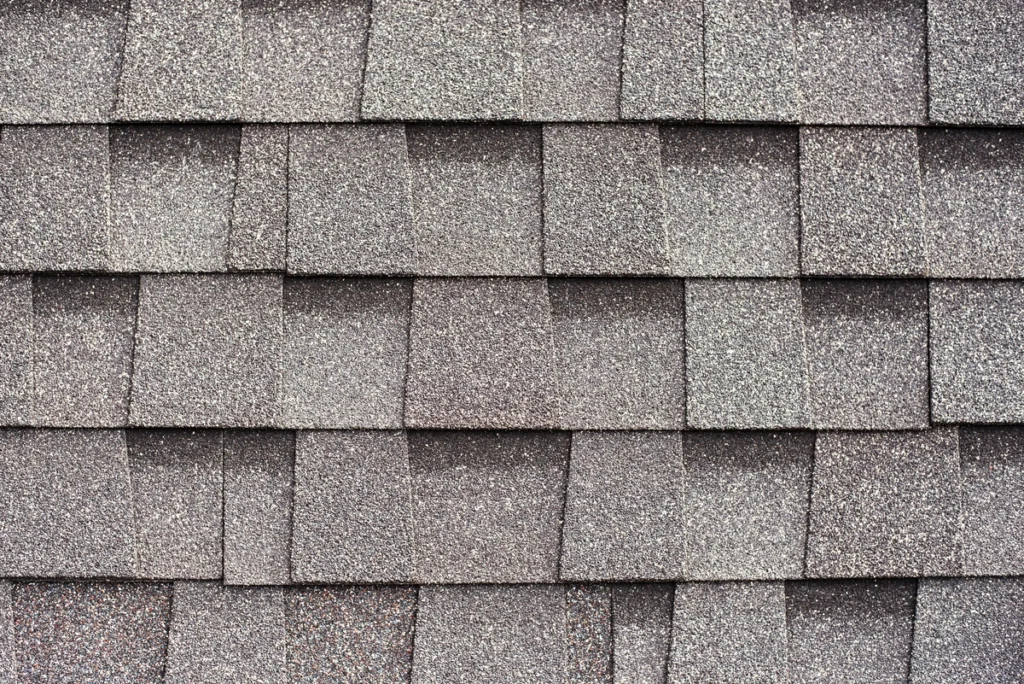
Owens Corning has been a pioneer in the roofing industry for over 80 years. They are known for their commitment to innovation and continuous improvement. Below are a couple of benefits that the Owens Corning brand can provide for your next roofing project.
- Impressive Warranties: Owens Corning offers some of the best warranties in the industry. Their shingles are backed by both material and installation warranties for added peace of mind.
- Energy-Efficient Options: If energy efficiency is a priority, Owens Corning’s Duration Premium COOL shingles reflect more of the sun’s rays, potentially reducing cooling costs.
What’s Their Popular Shingle Line?
The Owens Corning Duration series is a favorite among homeowners. These shingles come in a variety of colors and feature SureNail® Technology for better adhesion and wind resistance.
✅Pros of Owens Corning Shingles
- Legacy of innovation
- Impressive warranties
- Energy-efficient options
- Strong wind resistance
❌Cons of Owens Corning Shingles
- Slightly higher upfront cost
3. CertainTeed – The Landmark Series
CertainTeed has been a trusted name in the roofing industry for more than a century. They are known for their high-quality materials and commitment to sustainability. Here are two reasons why homeowners love the CertainTeed brand:
- Extensive Color Options: The Landmark series from CertainTeed offers an impressive array of colors and styles, making it easy for homeowners to find the perfect shingle for their home.
- Eco-Friendly Choices: CertainTeed is dedicated to sustainability. They offer shingles with Solaris® reflective technology to help keep your home cooler and reduce energy consumption.
What’s Their Popular Shingle Line?
The Landmark series is a standout choice, known for its durability and impact resistance. Plus, it includes the Landmark Solaris shingles for energy-efficient roofing.
✅Pros of CertainTeed Shingles
- Trusted name in the industry
- Extensive color options
- Eco-friendly choices
- Excellent impact resistance
❌Cons of CertainTeed Shingles
- Slightly higher initial cost
How to Make The Right Decision for Your Home
Choosing the best shingle brand for your home ultimately depends on your specific needs, budget, and personal preferences. Here are some key factors to consider:
Budget
Determine your budget for roofing materials and installation. While these top brands offer quality products, their prices may vary. Keep in mind that investing in higher-quality shingles may result in long-term savings by reducing the need for frequent repairs or replacements.
Style and Aesthetics
Consider the style and color options offered by each brand. Your choice should complement your home’s architecture and your personal taste. Remember that your roof is a significant part of your home’s exterior, and selecting shingles that enhance its overall aesthetics can boost curb appeal.
Climate
Think about your local climate. Some shingles are designed for better performance in specific weather conditions, such as extreme heat or cold. Choosing shingles tailored to your region’s climate can ensure they withstand the elements and provide lasting protection.
Energy Efficiency
If energy efficiency is a priority, inquire about shingles with reflective technology that can help reduce cooling costs. Investing in energy-efficient shingles not only benefits your wallet but also contributes to a more environmentally friendly home.
Warranty

Review the warranty coverage offered by each brand. Warranties can provide added protection and peace of mind. A comprehensive warranty can be an indicator of a manufacturer’s confidence in their product’s quality, offering you assurance that your investment is well-protected.
Which Roofing Brand Will You Pick?
By evaluating these factors and consulting with roofing professionals, you can make an informed choice and ensure that your new shingles not only protect your home but also enhance its curb appeal. Remember that proper installation is crucial for the longevity and performance of your roofing materials. Always hire a reputable roofing contractor to install your chosen shingles, and you’ll enjoy a durable and attractive roof for years to come.
Get in touch with our pro team of roofing contractors at Secured Roofing and Restorations today and we’ll make sure all your questions and concerns about your roof are addressed. We can’t wait to help you kickstart your next roofing project!
7 Ways to Tell Your Roof Suffered Wind Damage
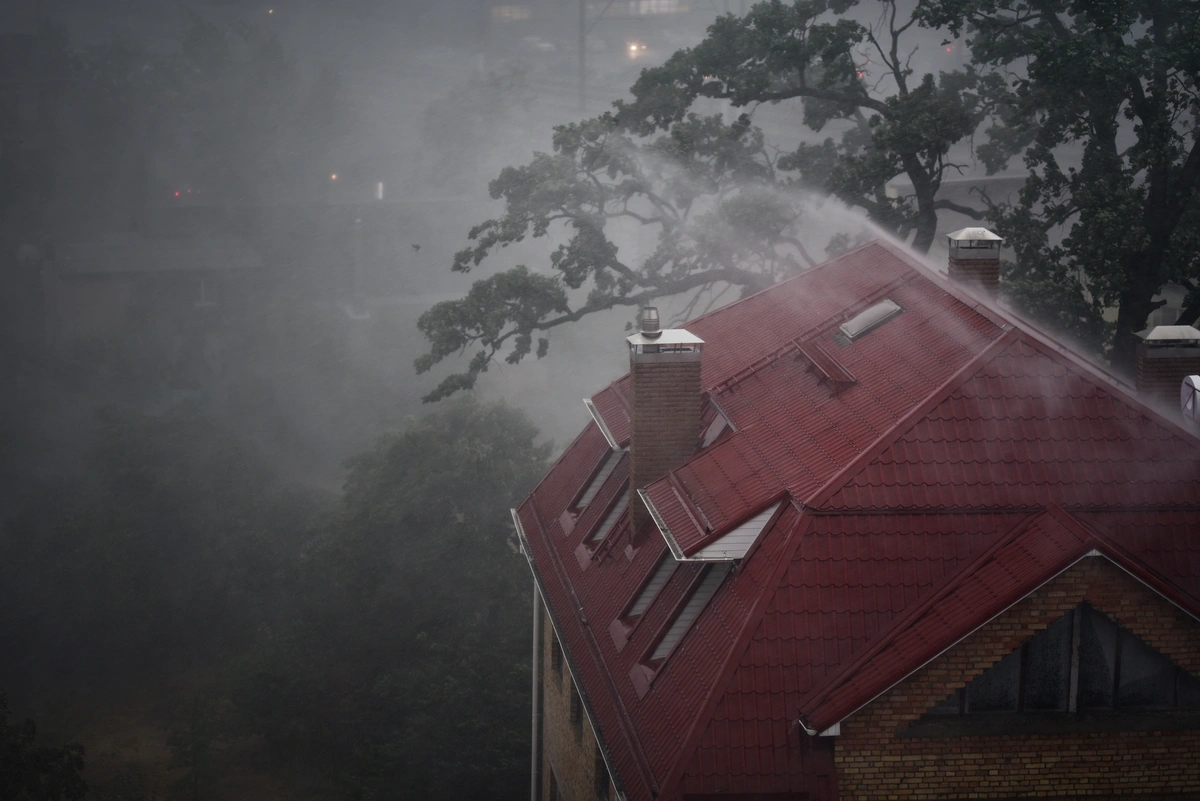
Your roof is your home’s first line of defense against the elements, and it’s no stranger to the powerful forces of wind. In windy regions like Florida, the occasional gusts and storms can take a toll on your roof’s integrity. To ensure your home remains protected, it’s essential to know how to spot signs of wind damage promptly. In this guide, we’ll explore seven ways to tell if your roof has suffered wind damage, empowering you to take action and safeguard your home. Let’s dive into the world of wind damage detection!
Inside this blog:
- The ways that strong winds can damage your roof
- 7 key signs that your roof has wind damage
- What you should do once you spot wind damage on your roof
Keep reading to learn how to spot the key indicators of roof wind damage and what you can do to keep your roof in top-notch condition!
How Wind Damage Can Hurt Your Roof 💨
Before we delve into the signs of wind damage, it’s essential to grasp how wind can affect your roof:
Lifting of Roof Materials
Strong winds can create an upward force on your roofing materials, causing them to lift or curl. This lifting can compromise the sealing of shingles and expose your roof to the elements, increasing the risk of leaks and water damage.
Dents and Damage
Wind-blown debris, such as branches and debris, can collide with your roof, causing dents and damage. These impacts can weaken the integrity of your roofing materials and lead to potential leaks if left unaddressed.
Roof Material Tearing
In extreme cases, high winds can tear roofing materials away from your roof’s surface. This tearing not only exposes your home to water infiltration but also poses a safety hazard as loose materials can become projectiles during severe storms, potentially causing further damage to your property or neighboring homes.
Now, before you Google “wind damage to roof” and get a whole load of signs to watch for, read these 7 common signs of wind damage first.
1. Missing or Loose Shingles
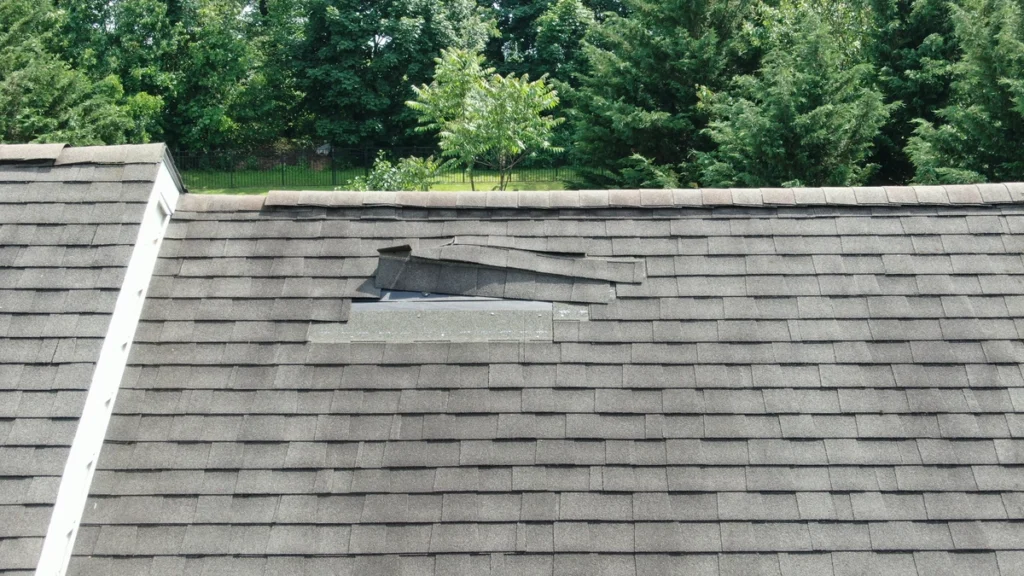
Check for shingles with lifted edges or corners. Wind can get underneath shingles, causing them to become loose or detached. You should also look for noticeable gaps or spaces between adjacent shingles. These gaps can cause potential leaks which can lead to serious roof damage.
2. Dented or Damaged Roofing Materials
Inspect your roofing materials for visible dents, especially if you’ve experienced a severe storm with hail or flying debris. Roof wind damage can also look like cracks in your shingles or roofing materials.
3. Granule Loss
Check for bald spots on asphalt shingles. Granule loss, often caused by wind and harsh weather, can leave shingles exposed and vulnerable. These granules serve as a protective layer, and their loss can accelerate the deterioration of your shingles, leading to potential leaks and reduced lifespan.
4. Damaged Flashing
Flashing around roof penetrations (like chimneys and vents) can become loose or bent during strong winds, leading to potential water infiltration. Properly functioning flashing is crucial in preventing water from seeping into your home. Damaged flashing should be promptly repaired or replaced to maintain a watertight seal.
5. Sagging or Uneven Areas
A sagging or uneven roofline may indicate structural damage caused by wind. It’s essential to address this issue promptly to prevent further damage. Structural issues can compromise the stability of your entire roof, making it crucial to enlist the expertise of a professional contractor or structural engineer for a thorough assessment and necessary repairs.
6. Water Stains and Leaks
Check your ceilings and walls for water stains, as wind damage can lead to roof leaks. Leaks may not always be immediately visible, so look out for any discoloration or dampness. Identifying water stains early can help you address the issue before it worsens, potentially saving you from extensive repairs and damage to your interior.
7. Loose or Displaced Roofing Accessories
Examine your chimney caps, vent covers, or other roofing accessories. Wind can displace or loosen these components, potentially causing water infiltration. Properly secured roofing accessories are essential for maintaining the integrity of your roof. Reattaching or replacing any loose or displaced accessories, or missing shingles, can prevent leaks and further damage to your home’s interior.
What to Do When You Spot Wind Damage 🔍
If you observe any of the above signs of wind damage, it’s crucial to take action promptly. Here’s a step-by-step guide on what to do:
Safety First
Ensure your safety by avoiding climbing onto your roof yourself. High winds and damaged roofing materials can be dangerous.
Document the Damage
Take photos or videos of the damage as evidence for insurance claims and for reference during repairs.
Contact a Professional
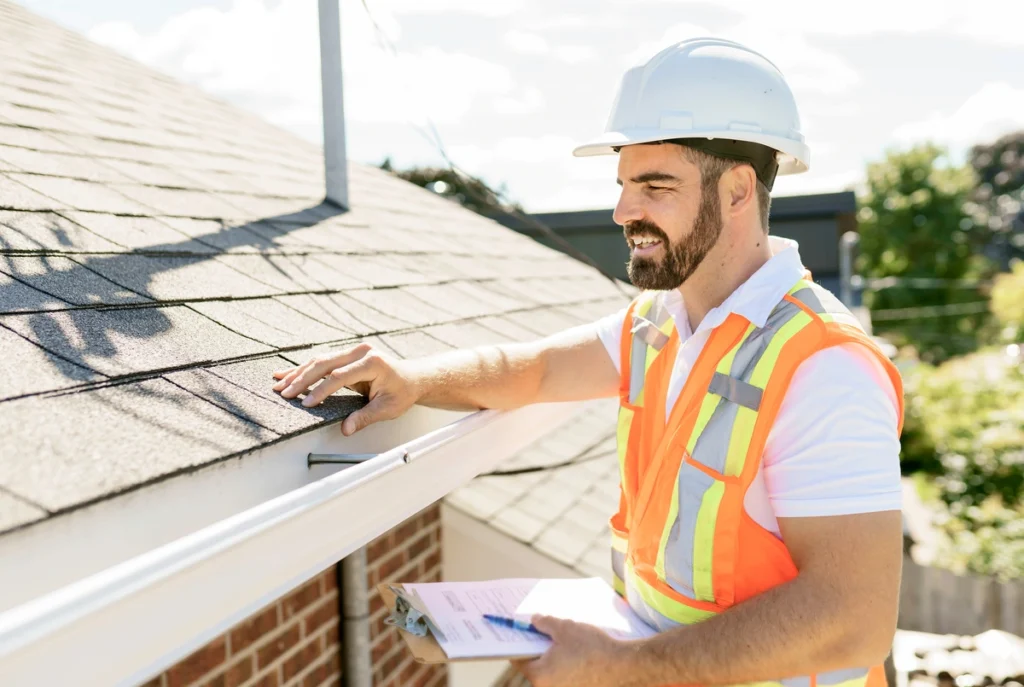
Reach out to a licensed roofing contractor or inspector to assess the extent of the damage and provide a repair estimate.
Notify Your Insurance Company
Inform your insurance provider about the wind damage and provide them with the documentation you’ve gathered.
Temporary Fixes
If the damage is severe and you need to prevent further leaks, consider using temporary roofing materials or tarps to cover affected areas.
Schedule Repairs
Once you have a clear understanding of the damage, work with your roofing contractor to schedule repairs promptly.
Prevent Future Damage
Consider reinforcing your roof against future wind damage with roofing materials designed to resist high winds.
Preventing Wind Damage 🔧
While wind damage can be inevitable during severe storms, you can take steps to minimize the risk of future damage.
- Regular Maintenance: Schedule annual roof inspections and perform routine maintenance to address minor issues before they escalate.
- Wind-Resistant Roofing Materials: Opt for roofing materials rated for high wind resistance. These materials are designed to withstand strong gusts.
- Secure Roofing Accessories: Ensure that roofing accessories like chimney caps and vent covers are properly secured to prevent displacement.
- Trim Trees and Branches: Trim overhanging branches that could become projectiles during strong winds.
- Reinforce Flashing: Have your flashing professionally inspected and reinforced to prevent water infiltration.
Keep Your Roof Standing Strong With Proper Wind Damage Repairs
By staying vigilant and taking proactive measures, you can protect your home from the destructive forces of wind and ensure that your roof continues to provide reliable shelter for years to come.
Get in touch with our pro team of roofing contractors at Secured Roofing and Restorations today and we’ll make sure all your questions and concerns about your roof are addressed. We can’t wait to help you kickstart your next roofing project!
6 Great Metal Roof Colors for Your Home in 2024

Your home’s exterior plays a significant role in its curb appeal, and choosing the right metal roof color can make a striking difference. In 2024, there are some exciting trends and classic favorites in metal roof colors that can enhance your home’s aesthetics. In this guide, we’ll explore six fantastic metal roof colors that are sure to make your home stand out while providing durability and protection. Let’s add a pop of color to your roof and elevate your home’s style!
Inside this blog:
- Why metal roofing is a popular option for homeowners
- 6 trending colors for metal roofs in 2024
Keep reading to figure out which metal roof color will suit your home and preferences best!
Why Choose Metal Roofing in the First Place?
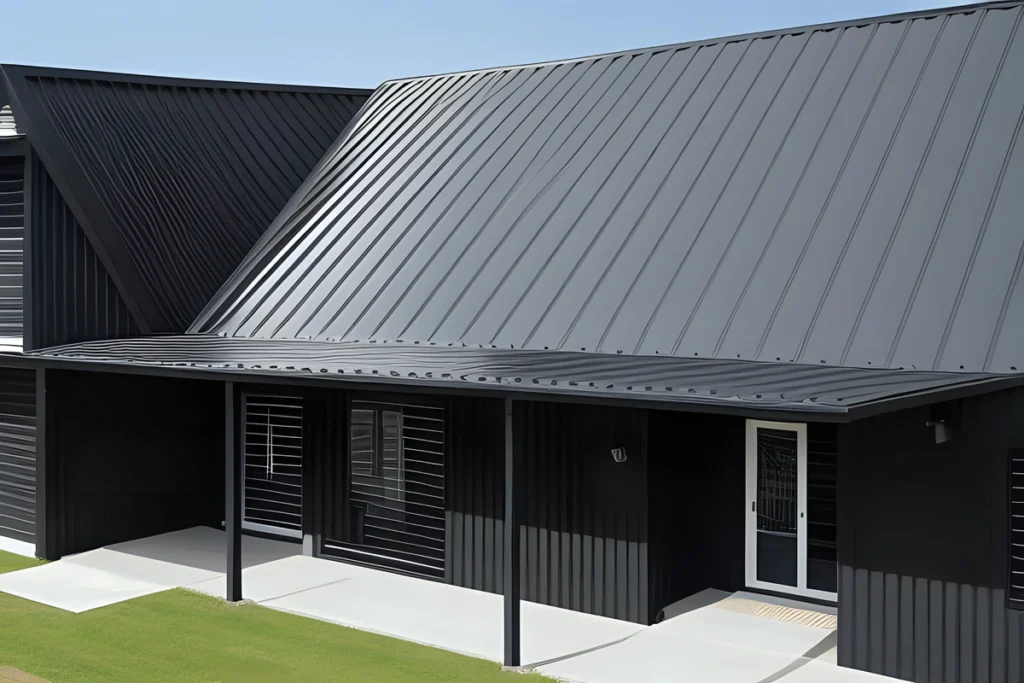
Before we dive into the exciting color options, let’s quickly recap why metal roofing is a fantastic choice for your home:
Durability
Metal roofs are known for their longevity, often lasting 50 years or more with proper maintenance. This remarkable durability means fewer replacements over the years, reducing the environmental impact and saving you money in the long run.
Energy Efficiency
They reflect the sun’s rays, keeping your home cooler in the summer and potentially reducing energy bills. This energy-efficient feature not only benefits your wallet but also contributes to a more eco-friendly home by reducing the carbon footprint associated with cooling systems.
Low Maintenance
Minimal maintenance is required compared to other roofing materials. With metal roofs, you won’t have to worry about frequent repairs or replacements, saving you both time and money. Occasional inspections and cleaning are typically all that’s needed to keep your metal roof in top condition.
Stylish
Metal roofs come in various styles and colors, allowing homeowners to choose a look that matches their aesthetic preferences. Whether you prefer the classic appeal of traditional roofing materials or a modern, bold color choice, metal roofs offer a wide range of options to suit your unique style and make your home stand out in the neighborhood.
Now, let’s explore the vibrant world of metal roofs with 6 trending colors.
1. Classic Charcoal Gray
- Timeless Elegance: Charcoal gray offers a classic and timeless look that complements a wide range of architectural styles.
- Versatility: This color pairs well with various exterior siding colors, making it a versatile choice for any home.
- Heat Reflectivity: Charcoal gray reflects sunlight effectively, helping to keep your home cooler in the Florida heat.
2. Bold Barn Red
- Eye-Catching: Barn red is a bold and attention-grabbing choice that adds character and charm to your home.
- Farmhouse Appeal: If you love the farmhouse aesthetic, barn red complements it perfectly.
- Energy Efficiency: Red roofs can absorb heat, making them an ideal choice for cooler climates.
3. Coastal Blue
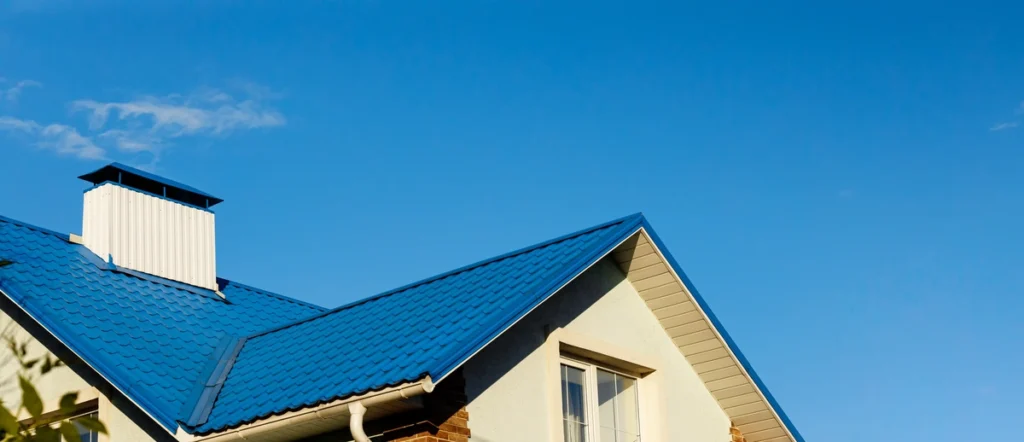
- Beach Vibes: Coastal blue exudes a relaxing, beachy vibe, making it an excellent choice for homes near the coast.
- Crisp and Fresh: This color choice adds a crisp and fresh look to your home’s exterior.
- Resists Fading: Coastal blue roofs tend to resist fading, staying vibrant for years to come.
4. Earthy Sage Green
- Natural Harmony: Sage green blends seamlessly with the natural surroundings, creating a harmonious look.
- Calming Effect: This color choice offers a calming and peaceful ambiance to your home’s exterior.
- Environmentally Friendly: Green roofs can be a symbol of eco-friendliness and sustainability.
5. Modern Matte Black
- Contemporary Elegance: Matte black roofs add a touch of modern elegance to your home’s design.
- Contrast: This color provides a striking contrast against light-colored siding, creating a dramatic effect.
- Minimalistic: If you prefer a sleek and minimalist look, matte black is an excellent choice.
6. Warm Terracotta Orange
- Vibrant and Welcoming: Terracotta orange is a warm and inviting color that makes your home feel welcoming.
- Mediterranean Flair: This color choice can evoke a Mediterranean or Spanish villa aesthetic.
- Heat Reflective: Like red, orange roofs can absorb heat, making them suitable for cooler climates.
Considerations When Choosing a Metal Roof Color
While these metal roof colors offer exciting possibilities, here are some considerations to keep in mind:
Home’s Architecture
Consider your home’s architectural style and choose a color that complements it. For example, if you have a modern, minimalist design, a sleek and neutral color like matte black might be a perfect fit. On the other hand, if your home boasts a traditional or rustic style, earthy tones like sage green or terracotta orange could harmonize beautifully with the overall look.
Climate
Think about your local climate and how the color may impact your home’s energy efficiency. In hot and sunny Florida, lighter roof colors like coastal blue or sage green can help reflect the sun’s heat, keeping your home cooler during scorching summers and potentially reducing your air conditioning costs.
Personal Style
Your personal preferences matter! Choose a color that resonates with your taste and personality. Your home is a reflection of your unique style, so select a roof color that makes you feel delighted every time you approach your property. After all, it’s your sanctuary.
Neighborhood Regulations
Some neighborhoods may have restrictions on roof colors, so check with your homeowners’ association if applicable. Compliance with neighborhood regulations ensures a harmonious and uniform appearance in your community while helping you avoid potential disputes with neighbors.
Color Testing
Before making a final decision, consider getting color samples or using digital tools to visualize how the color will look on your home. Sampling allows you to see how the color interacts with your home’s exterior under different lighting conditions. It’s a practical step to ensure you’ll love the end result and that it blends seamlessly with your surroundings.
Choose The Best Metal Roof Color For Your Home
Selecting the perfect metal roof color for your home is a creative and exciting process. Each of the six colors discussed offers its unique charm and appeal, so take your time to find the one that suits your home’s style and your personal taste. Remember that a well-chosen metal roof color can significantly enhance your home’s curb appeal and make it the envy of the neighborhood. So, go ahead and add a splash of color to your roof to make your home truly shine in 2024!
Get in touch with our pro team of roofing contractors at Secured Roofing and Restorations today and we’ll make sure all your questions and concerns about your roof are addressed. We can’t wait to help you kickstart your next roofing project!
How Much Do Metal Roofs Cost Compared to Shingles?
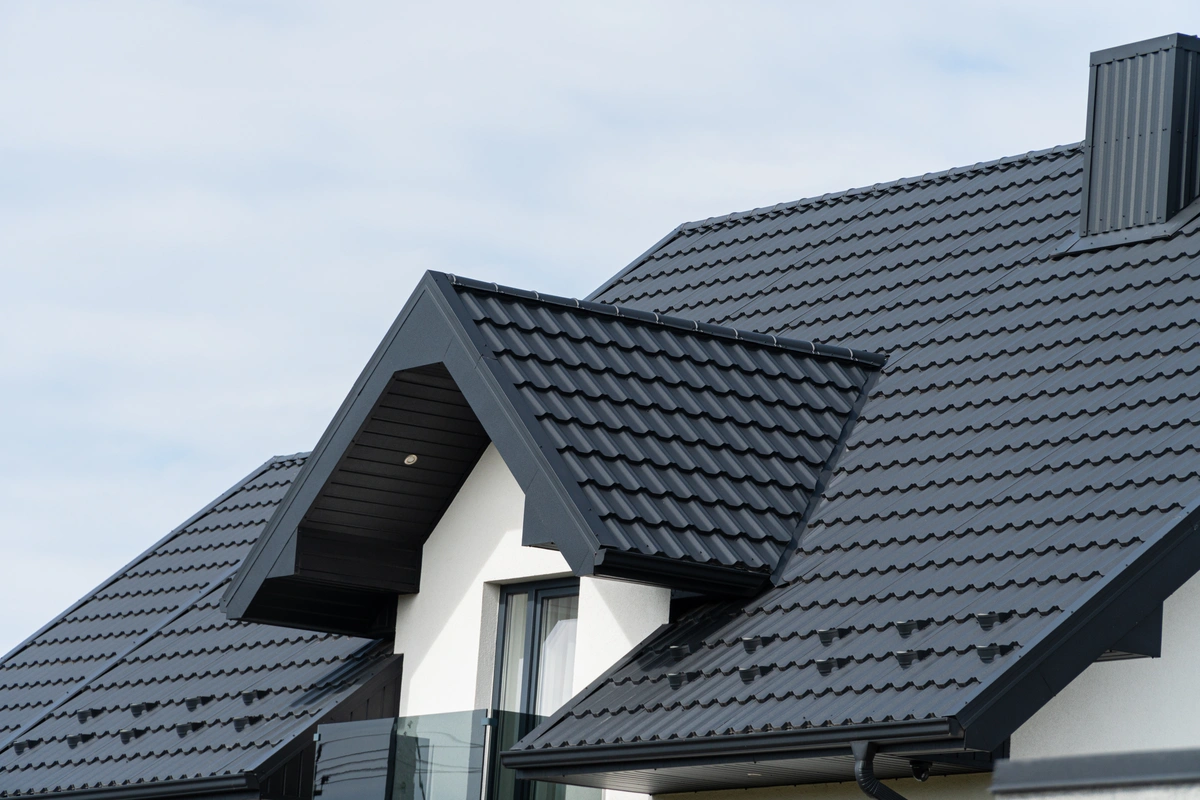
Choosing the right roofing material for your home is a significant decision, and cost plays a crucial role in the selection process. Metal roofs and traditional asphalt shingles are two popular options, each with its advantages and price points. In this guide, we’ll explore the cost comparison between metal roofs and shingles to help you make an informed choice for your roofing project. Let’s break down the numbers and find the best fit for your budget and needs!
Inside this blog:
- A breakdown of typical roofing costs
- A basic cost comparison between metal roofs and asphalt shingle roofs
- 5 considerations for choosing between a metal roof and a shingle roof
Keep reading to learn about the costs associated with metal and shingle roofs and figure out which type of roof will work the best for your financial situation.
Understanding Roofing Costs 💲
Before we delve into the specific costs of metal roofs and shingles, it’s essential to understand the factors that influence roofing costs. These factors include:
- Roof Size: The square footage of your roof is a significant determinant of roofing costs. Larger roofs naturally require more materials and labor, increasing the overall expense.
- Roof Complexity: The complexity of your roof’s design, including its pitch, angles, and architectural features, can affect installation difficulty and labor costs.
- Materials: The choice of roofing material, whether it’s metal, shingles, or another option, directly impacts the overall cost of your roofing project.
- Labor: Labor costs can vary based on location, the expertise of the roofing contractor, and the complexity of the job.
- Accessories and Features: Additional elements like skylights, chimneys, or roof vents can add to the overall cost of your roofing project.
Now that we’ve established the key factors let’s dive into the cost comparison between metal roofs and shingles:
Asphalt Shingle Roofs
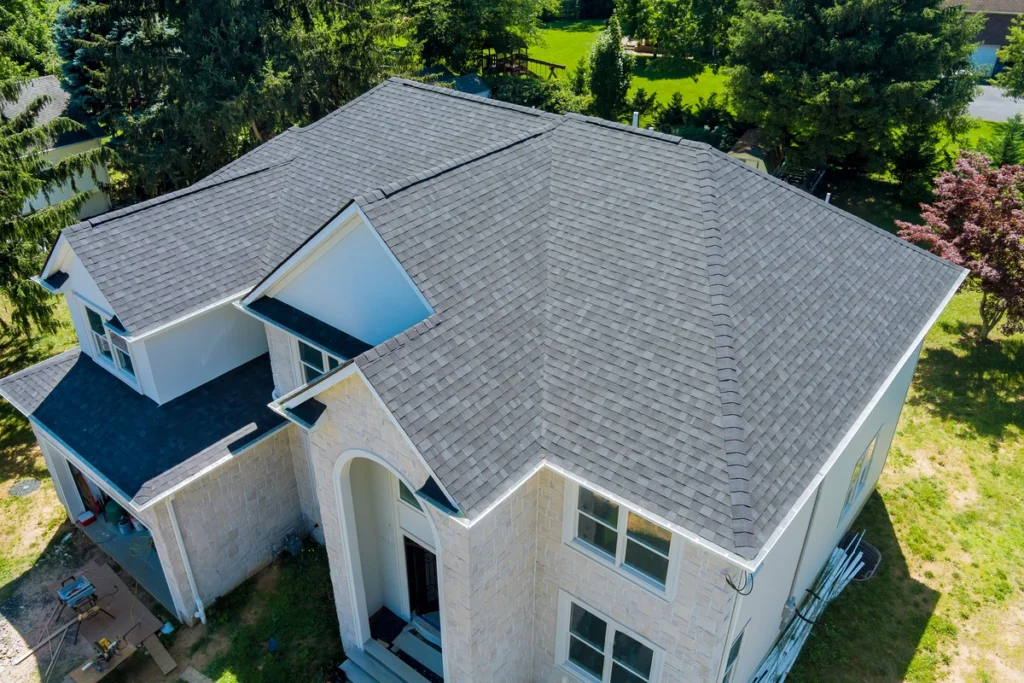
Asphalt shingles have been a popular roofing choice for decades due to their affordability and ease of installation. Here’s a breakdown of the costs associated with asphalt shingle roofs:
Material Cost
Asphalt shingles are among the most cost-effective roofing materials. On average, they range from $1.50 to $5.50 per square foot, depending on the quality and brand you choose.
Labor Cost
Labor costs for shingle installation typically range from $3 to $5 per square foot. This cost may vary based on your location and the complexity of the project.
Total Cost: The total cost for an asphalt shingle roof, including materials and labor, typically falls within the range of $4 to $10 per square foot.
Lifespan
Asphalt shingles generally have a lifespan of 20 to 30 years, making them an economical choice upfront.
Metal Roofs
Metal roofing has gained popularity in recent years due to its durability, longevity, and energy-efficient properties. Let’s break down the costs associated with metal roofs:
Material Cost
Metal roofing materials vary in price based on the type of metal used. On average, metal roofs can range from $5 to $15 per square foot. Common options include steel, aluminum, copper, and zinc.
Labor Cost
Labor costs for metal roof installation are typically higher than for asphalt shingles due to the expertise required. Labor costs may range from $5 to $12 per square foot.
Total Cost: The total cost for a metal roof, including materials and labor, typically falls within the range of $10 to $27 per square foot.
Lifespan
Metal roofs have a significantly longer lifespan than asphalt shingles, often lasting 50 years or more with proper maintenance.
A Cost Comparison 💰
To compare the costs of metal roofs and shingles effectively, let’s consider a hypothetical example for a 2,000-square-foot roof:
Asphalt Shingle Roof
- Material Cost (average): $3,000 to $11,000
- Labor Cost (average): $6,000 to $10,000
- Total Cost (average): $9,000 to $21,000
- Lifespan: 20 to 30 years
Metal Roof
- Material Cost (average): $10,000 to $30,000
- Labor Cost (average): $10,000 to $24,000
- Total Cost (average): $20,000 to $54,000
- Lifespan: 50 years or more
5 Key Considerations 🤔
When comparing the costs of metal roofs and shingles, it’s essential to consider the following factors:
1. Longevity
While metal roofs may have a higher upfront cost, their extended lifespan can make them a cost-effective choice over the long term. You won’t need to replace your roof as often, saving you money in the long run.
2. Maintenance
Metal roofs typically require less maintenance than shingle roofs, reducing ongoing costs. They are resistant to issues like rot, mold, and insect damage.
3. Energy Efficiency
Metal roofs are known for their energy-efficient properties, which can lead to lower heating and cooling costs over time.
4. Resale Value
A metal roof can increase your home’s resale value, making it a worthwhile investment if you plan to sell your home in the future.
5. Climate Considerations
Consider your local climate. Metal roofs excel in areas with extreme weather conditions, making them an ideal choice for Florida’s climate.
Maintenance and Repairs 🔧
Both metal roofs and shingle roofs benefit from regular maintenance to ensure their longevity. Here are some essential maintenance tips:
For Metal Roofs:
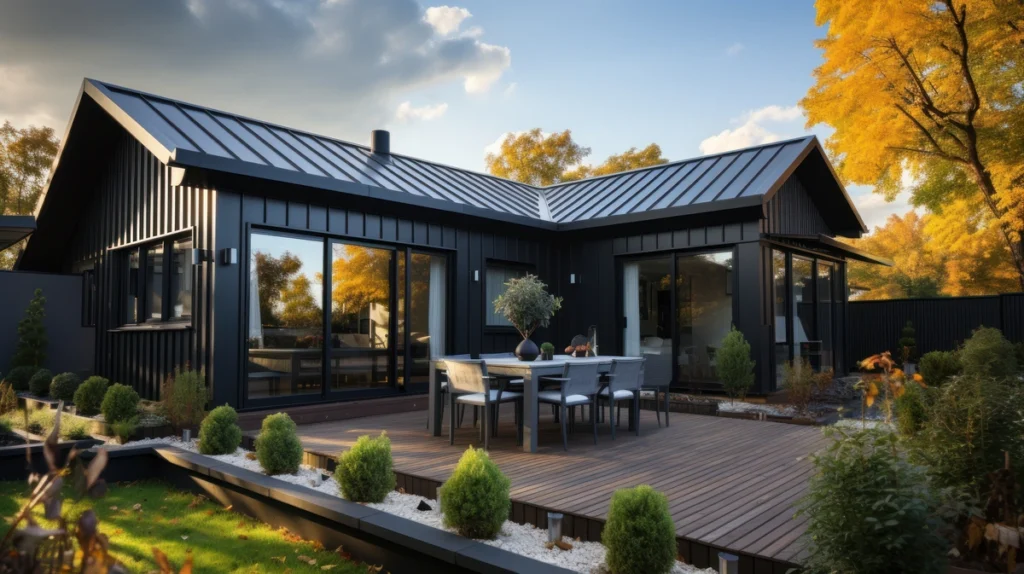
- Regularly inspect for loose or damaged panels.
- Clean debris, leaves, and dirt to prevent clogging of drainage systems.
- Address any damaged areas promptly using patches and sealants.
For Shingle Roofs:
- Schedule annual roof inspections to catch potential problems early.
- Keep your roof clean, removing debris, leaves, and branches.
- Trim overhanging trees to prevent damage during storms.
- Ensure your shingles are installed correctly from the get-go to prevent future problems.
Which Roof Will You Choose?
Choosing between a metal roof and shingles ultimately comes down to your budget, long-term goals, and preferences. While metal roofs may have a higher upfront cost, they offer significant benefits in terms of durability, longevity, and energy efficiency. Asphalt shingles, on the other hand, are a budget-friendly option suitable for shorter-term considerations.
Consider your priorities, weigh the costs against the benefits, and consult with roofing professionals to determine the best roofing solution for your home. Whether you opt for the classic appeal of asphalt shingles or the long-lasting performance of a metal roof, your choice should align with your budget and long-term goals.
Get in touch with our pro team of roofing contractors at Secured Roofing and Restorations today and we’ll make sure all your questions and concerns about your roof are addressed. We can’t wait to help you kickstart your next roofing project!