



Articles
How Old is My Roof? 5 Simple Way To Determine The Age (Homeowners Guide)
 Written by : Secured Roofing and Restorations
 6 minutes read
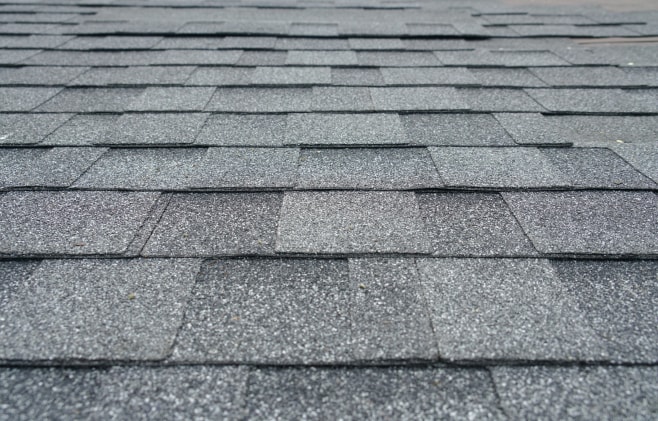

Unless it’s clearly detailed on the listing; as a new homeowner you might be asking the question “How old is my roof?”
The age of the roof can be a critical detail that determines how much work you have ahead of you to maintain or replace it. Luckily, a few tell-tale signs of an aging roof can help you determine just how old it is.
Signs of an Aging Roof
As your roof ages, it will succumb to normal wear and tear as well as years of storms and mild damage. There are some signs of an aging roof that would require immediate repair to prevent water damage. But if your roof is nearing or past its expected lifespan, you are likely going to need a new roof.

Curling Roof Shingles
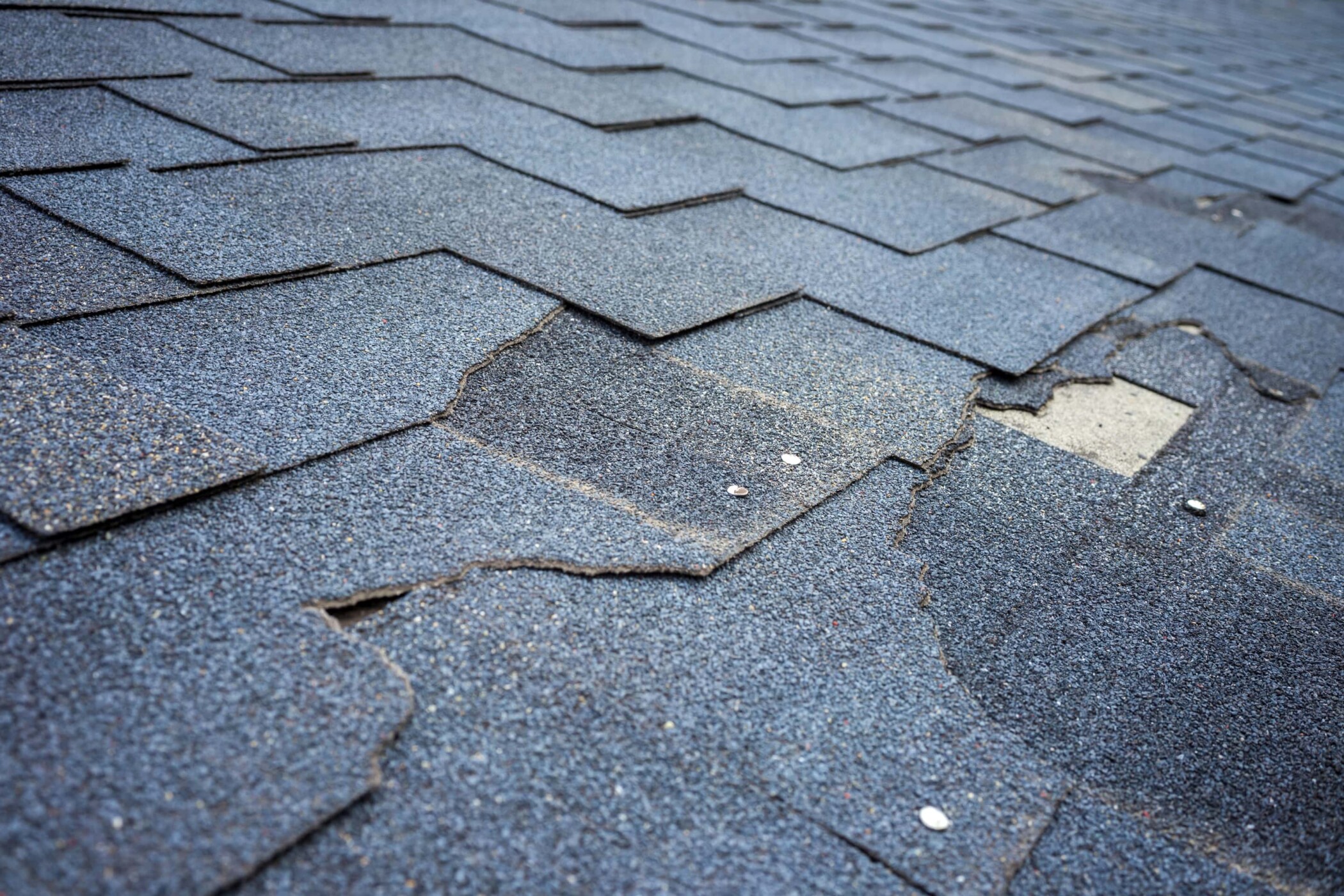
Common in asphalt shingles, curling or buckling will happen over time, and it more than likely means your roof is 12-15 years old—reaching its expected lifespan. Curling shingles can also be a sign that your shingles were installed improperly, or your attic has poor ventilation, and trapped heat is affecting your shingles.
Missing or Damaged Shingles
An event like a severe storm or falling debris can immediately damage or remove shingles on your roof. However, the older your roof gets, the more likely wear and tear can cause the same effect. A missing shingle immediately leaves your home susceptible to leaks, so if you notice this and your roof is old, you will want to also examine your attic for signs of any major leaks or water damage.
Rusted Flashing
Flashing is essentially to prevent leaks up on your roof. It’s also the thing most likely needing replacement or repair before your roof’s lifespan is up. So if you notice cracked, damaged, or rusted flashing, that is a sign that your roof was installed long ago and requires inspection and probably a full roof replacement.
When you are checking your flashing make sure everything is in-place, in good condition, and that there is no way for water to come in contact with the siding of your home. This can be a good way of determining how old your roof is and help direct you to other potential problems to look for.
Sometimes older roofs are missing various types of flashing because they were not required by code at the time. A good example of this would be kick-out flashing. Since it used to not be required by code, many older roofs do not have it. While not having this is not the end of the world, it can leave your siding vulnerable to water damage.
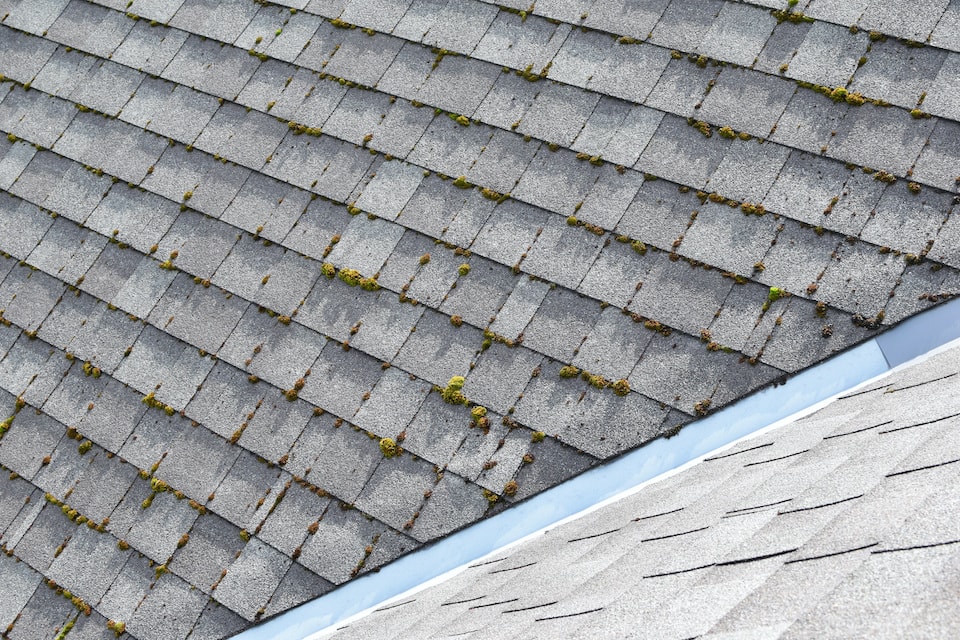
Moss or Algae on the Roof
Moss and algae can grow on your roof if you don’t properly maintain and clean it. It’s also a sign it’s not working as efficiently as it should. It shows that your roof is holding on to moisture, and as these things grow and take root, it can actually separate the shingles of your roof, causing even more areas for moisture to enter. If you see this happening on your roof, at a minimum, you should contact a professional to remove the moss or algae.
Rusted or Exposed Nails
Exposed nails are a sign that your shingles are coming loose, which can definitely happen over time as rain, snow, and wind grace over your roof for years and years. When they get exposed, they can obviously become more rusted by being exposed to the elements. This can cause them to loosen, leaving your home susceptible to leaks, and should be addressed.
Damaged Roof Valleys
The valleys of your roof are vital for allowing water runoff to your gutters and downspouts. Over time, these valleys lose their integrity with shingles shifting or coming loose. If you notice debris like leaves and sticks gathering in your roof valleys, it’s a good sign it’s damaged and needs some tending to.
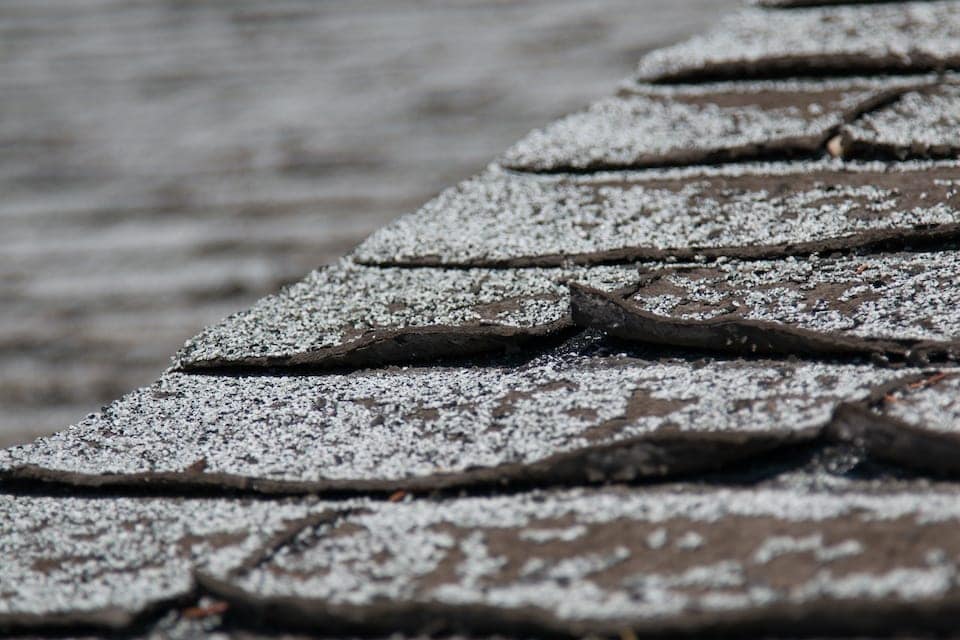
Missing Granules
The granules on your shingles are your roof’s first barrier of protection as they keep the tar underneath protected, which keeps UV rays and moisture away. The second those are compromised, your roof is exposed to the elements. Hail, debris, along with standard wear and tear can cause granule loss. While this is to be expected, excessive granule loss can lead to lower performance and could be a good indication to consider a new roof.
Your Neighbors are Getting Their Roofs Replaced
In general, neighborhoods are built around the same time. So if you begin to see or hear that a lot of your neighbors are getting their roofs replaced, it could mean it’s time for you as well. Of course, your roof could have been replaced before you bought it in recent years, but if it’s showing some of these signs, you can bet on it being the same age as everyone else’s.
How Old Is My Roof: 5 Simple Ways To Determine The Age
If you notice any of the above symptoms on your roof, it’s a good bet it’s nearing the end of its life, and you can guess it’s quite old depending on the damage. However, if you are interested in learning the exact age of your roof but you weren’t the one who installed it, there are a few places you can go to find that information.
Ask The Previous Owners if Possible
If you purchased your home recently or within a few years, tracking down the original owners may be the easiest way to find out how old your roof actually is. If they don’t know, then you can probably assume your roof is nearing its lifespan if it’s asphalt or similar material. Metal and slate roofs can last much longer.
Track Down a Building Permit
Your building permit should hopefully contain information regarding any contacting work, including roof replacement, that’s been done on your property throughout its history.
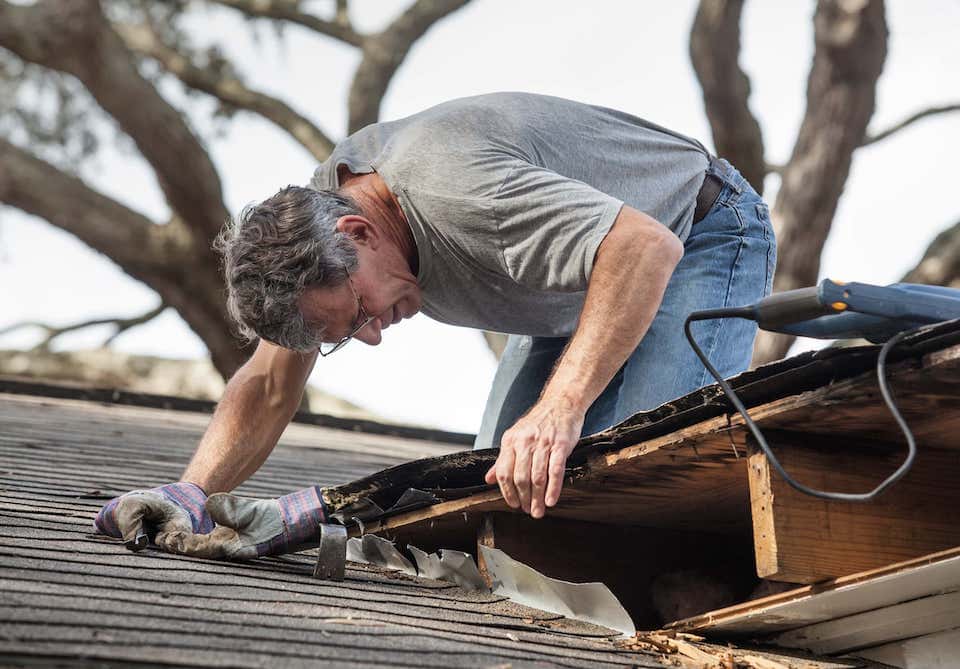
Get an Inspection
Getting a professional inspection by an insurance adjuster or your local contractor can allow them to more accurately estimate how old your roof is based on factors like the ones we listed above, plus any records they have on your property. They can give you a good idea of how old your roof is, how much time it has left, and an estimate for any repairs or replacement you require.
Find Out the Roofing Company and Request a Receipt
If you know the shingles’ brand or if you can find out the name of the company who did your last roof install, you should be able to find out when work was done via your address. This will tell you exactly, to the day, how old your roof is.
Get Your FREE Roofing Estimate!
If you’ve checked all the boxes and determine what you thought—that you have an aging roof, give us a call to schedule your roof repair service. You’ll get a quote from us within 48 hours so you can get started quickly!
How Often Should You Replace Your Roof? A Look At Roof Lifespan
Written by : Secured Roofing and Restorations
4 minutes read
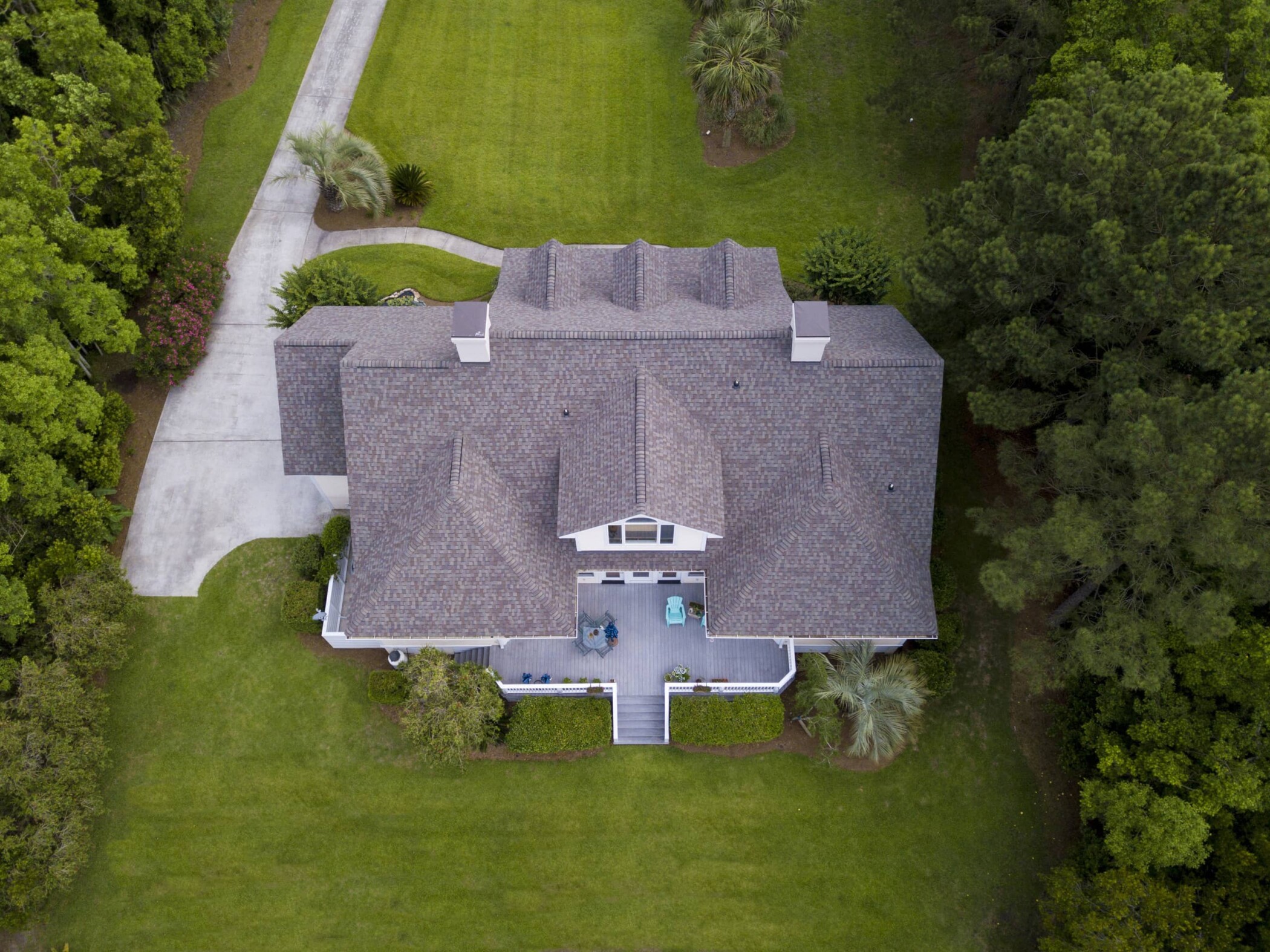
6 Tell-Tale Signs of a Leaky Roof & How To Fix Them
Written by : Secured Roofing and Restorations
7 minutes read
When you own a home, it’s important to know how to take care of it.
That doesn’t mean you need to know how to fix everything little thing, but you will want to know how to recognize the signs of things like a leaky roof, broken water heater, etc. So, we’re here to help! We’ll go over 6 tell-tale signs of a leaky roof and the next steps you can take as a homeowner to fix the problem.
What are the Most Common Signs of a Roof Leak?
The first signs of a roof leak are also your first sign to act fast. The last thing you want to do is put off a roof repair. Leaks can quickly grow and spread, and the longer that leak occurs, the more at risk you are for mold growth and other damages. So it’s critical to know what to look for, and how to diagnosis it quickly. For the most part, there are 6 tell-tale signs of a leaking roof that you can watch for.
Exterior Signs
- Damaged Shingles. If you notice any shingles that are curling, missing, warping, broken, or otherwise damaged, that can mean you potentially have a leak. Once that protective barrier of your shingles is broken, your roof becomes immediately susceptible to leaks and other types of roof damage.
- Clogged gutters and downspouts. If your gutters are clogged and water cannot properly run off your roof, that back-up can lead to leaks on the edges of your roof. Your gutters and downspouts are also critical components in allowing ice and snow to melt and run off your roof as well. The weight of ice dams can be a major contributing factor to roof leaks.
- Damaged or missing material around your chimney and vent seals. When your roof is installed, the contractors should be installing flashing around any roof structure to ensure a tight seal. Your chimneys, vents, skylights, and other places on the roof have seals that risk being susceptible to leaks. Thus the importance of flashing. If you notice flashing is damaged or missing near these areas, look into getting that replaced right away.
Interior Signs
Roof leaks that are bad enough to show signs on the interior of your home should be fixed right away. There are a few signs that could indicate a leak and you’ll see these mostly in the attic or the most upper ceiling in your home (whichever is below the attic or roof).
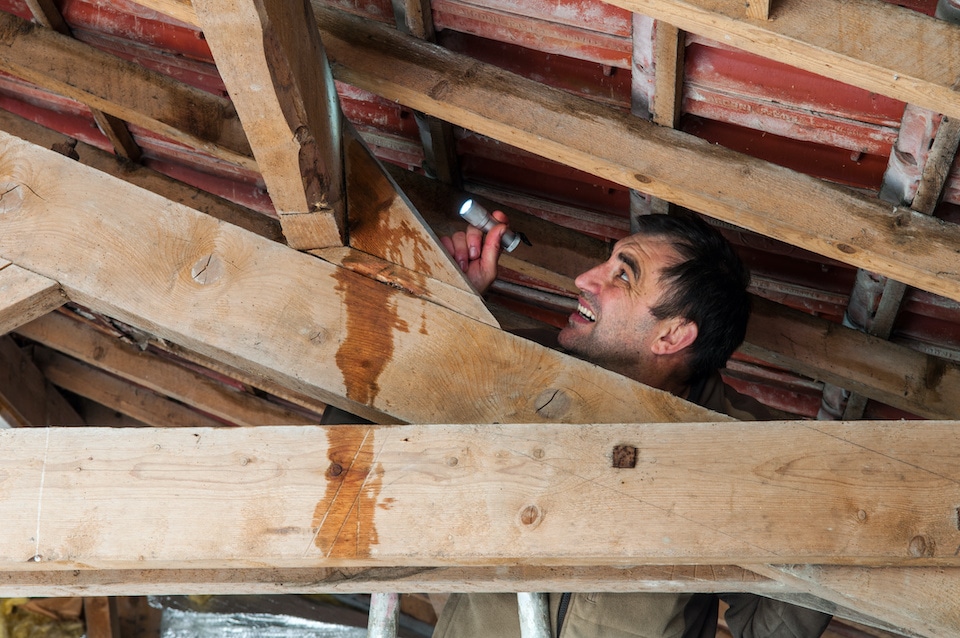
- Dark spots on the attic floor or discoloration on the ceiling. Dark spots are a sign of moisture leaking through the leak in your roof.
- Sagging or bowing ceiling/walls. Sitting water can make your ceiling or attic floor sag down. This is bad because it will require quite a large repair of your ceiling, plus mitigation of any potential mildew and mold growth.
- Outside light shining through spots in your attic. Every so often you should head up to your attic and look for all of these signs, but also look to see if the sun is shining through. If the sun is shining through your roof into the attic, that obviously means there’s a crack or hole somewhere. Ensure it’s not a vent or other fixture, and temporarily block the hole as you set up repairs.
What’s the Most Common Cause of a Roof Leak?
There are a few main factors that make up the majority of roof leaks in homes.
Your Roof Has Reached its Life Expectancy
Roofing materials have an anticipated life expectancy and an aging roof is at a higher risk of damage and leaks as the integrity of its materials goes down. If your roof is over 15 years old, it’s a good idea to have it inspected to determine how well the material is holding up and how much time it has left. The most commonly used roofing material in the country is asphalt shingles which need to be replaced every 15-20 years depending on climate and maintenance. So this is especially important if you have a basic shingled roof.
Damaged, Poorly Installed, or Missing Flashing
As we said before, flashing is a critical component to ensuring your roof remains free of leaks. If the flashing is not installed properly or not installed at all, your home is incredibly vulnerable to leaks along with your chimney and air vents. However, flashing is incredibly easy to replace and can be done so often to ensure that tight seal.
A Cracked Chimney
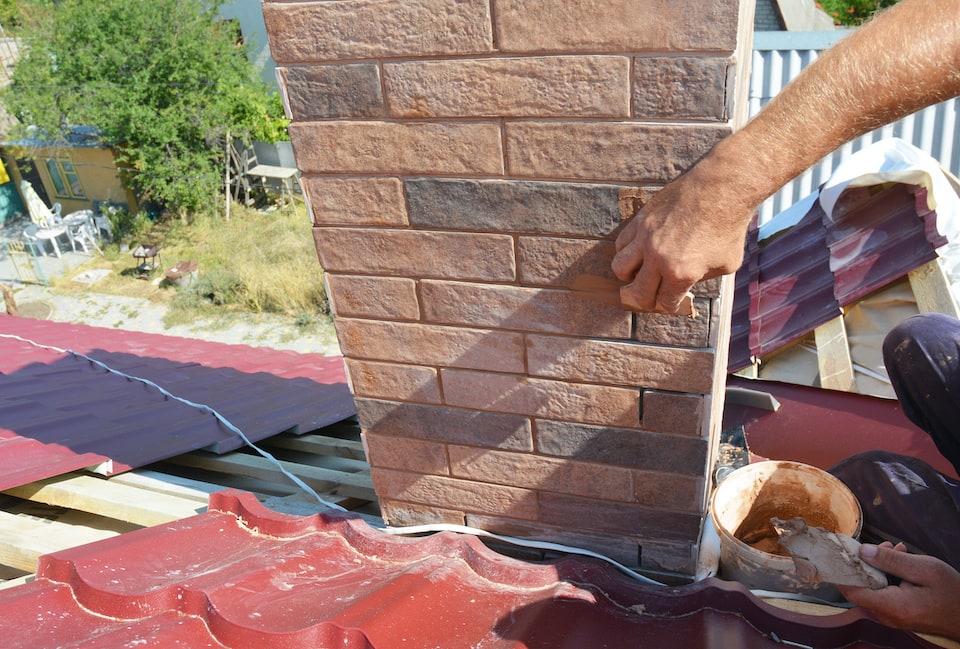
A cracked chimney can also cause leaks into your attic via the seam or the sides of the chimney. The consistent freezing and thawing during the winter can cause the masonry to crack, and if a small crack gets into the chimney, it leads to bigger cracks if not repaired. These cracks then let in moisture and can cause bigger issues. You can sometimes tell that the chimney is cracked by your fireplace not working as efficiently as it should.
Poorly Sealed Valleys in the Roof
The valleys in your roof are another vulnerable seam that requires proper sealant and flashing to keep water flowing down appropriately. If you notice signs of a leak near those spots in your attic, check those valley seals first, and that could be a simple job to fix.
Storm Weather Damage
Of course, damage from severe weather is a major reason homes get leaks in the roof. Strong winds, hail, and debris can damage shingles and even blow them off, leaving your home completely open to moisture penetrating the roof. After any severe weather, it’s critical to check the roof for damage. Even small granule loss on the shingles can lead to leaks further down the road because it has compromised the integrity of your roof.
How to Fix a Roof Leak (DIY)
If you notice any of these tell-tale signs of a roof leak, first attempt to contain the leak. Catch any further water or moisture using a bucket or other plastic dish that can contain it and keep it from getting anywhere. The more water getting in the worse it can get, even in very little time. For any sagging it’s actually a good idea to puncture the center of the sag so the water can release and not continue to drag down your ceiling, causing further damage. Water clean-up is far easier than structural damage repair.
You should also call your local roofer and they can often come tarp your roof in the meantime if the damage is severe enough to warrant immediate action. Most roofers will offer emergency tarping, especially after storms.
If the roof leak is small, it can often be an easy fix that requires removing a few shingles or flashing and replacing them with a few new ones. Bigger products requiring damage repair and replacement of large areas of materials require calling a professional.
For solid, reputable roof repair and replacement, make sure to call Secured Roofing & Restoration. We handle any type of roof repair and will restore it to the shape it was before your leak. Plus, you’ll receive a One Year Workmanship Warranty. Give us a call at 407-986-ROOF —we look forward to helping you!
Your Homeowners Insurance Checklist For 2023
Written by : Secured Roofing and Restorations
6 minutes read

Looking to change your Homeowner’s Insurance plan in the coming year? Wondering what to include, exclude, add-on? We’ve got you covered.
Here is a handy homeowner’s insurance checklist to ensure you get the right coverage for your needs in 2022.

Key Coverages in a Standard Homeowner’s Policy
Many coverages come standard on any homeowner’s policy that you don’t need to worry about adding, but you should become well-versed in what those coverages actually mean for you. These 6 coverages are nearly guaranteed to be included in your basic homeowner’s insurance plan.
Structure or Dwelling Replacement
Dwelling coverage is the part of your insurance policy that would cover any damage done to the actual structure of your home, not the property or land. This can be for a single section of your home or any catastrophic damage that may occur.
To determine how much coverage you need, you and your insurance company will need to figure out the dwelling replacement cost. You’ll need a few things to figure this out. First, research the average cost per square foot in your area and multiply that by your home’s square footage. Then add that to the cost of all interior and exterior additions like cabinets, windows, doors, flooring, etc. This should give you a fairly close estimate of how much you would need to re-build structural damage.
Other Structures
Any other structures or shelters you have on your property can be covered by your homeowner’s policy as well. This includes but is not limited to sheds, fences, workshops, garages, gazebos, etc. Make sure to list every additional structure you have aside from your home when applying for coverage.
Personal Property Damage & Theft
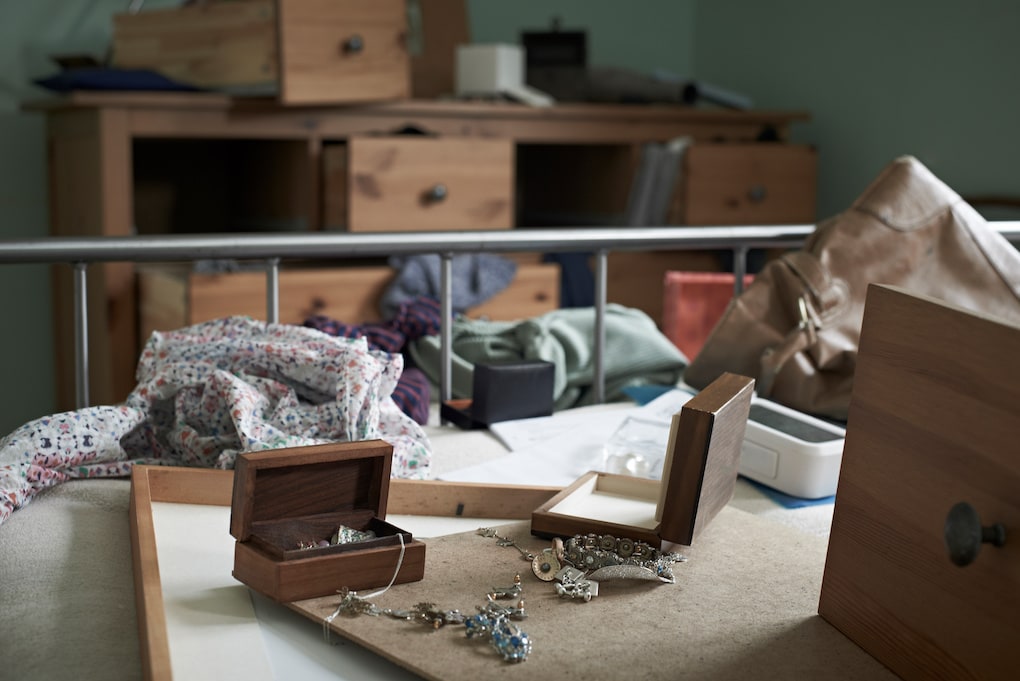
Similar to tallying your home’s value, you can also add up the supposed value of all personal belongings of necessity such as clothes, furniture, and things deemed necessary for living. These will be added to determine the replacement cost on contents should a catastrophic event ever damage all of your belongings.
You will want to get additional overage for your personal valuables, sometimes not covered under the personal property standard coverage. Most people will get coverage for anything costing over $1000, like electronics and jewelry. You can purchase additional packages to cover things like china dishes, expensive stemware, antique furniture, furs, weapons, and other valuable assets.
Loss of Use
Loss of Use, also known as Additional Living Expense, is coverage that would provide assistance paying expenses should your home ever become unlivable, either from damage or receiving repairs. Expenses covered or reimbursed include storage of property and belongings, temporary housing, additional food, furniture rental for temp housing, relocation expenses, etc.
It’s important to note the ALE coverage is only for anything over your usual monthly allotted amount. So it does not pay the mortgage, utility bills, and other standard household things you would normally pay. It is for additional expenses caused by being displaced and having those added costs such as moving and storage expenses and even eating at a restaurant due to being displaced without a kitchen.
Personal Liability Insurance
Some of the biggest payouts in court occur when someone files a claim or lawsuit against an injury or incident that happened on someone’s property. If that property is yours, and you are found liable for and someone getting injured on your property, you will be the one paying for it. This coverage is critical to protecting yourself against large lawsuits, and legal fees should this occur. This coverage will apply to any family members living on the property and will not cover intentional damage done by anyone living on the property and covered under the policy.
Medical Payments for Incidence On Your Property
Medical Payment or Guest Medical Insurance is separate from liability insurance in that it would specifically cover any medical expenses for anyone injured on your property. Regardless of fault, this coverage is essential to have to protect yourself from extensive costs when accidents happen. The personal liability insurance is a bit different in that the coverage would pay for the claim filed plus any legal fees, not including any accrued medical expenses.
Other Insurance Coverages Homeowners Should Consider
There are some coverages that may require being an additional add-on, or they just aren’t something considered to be standard on all policies. But they are definitely something to look into depending on your living situation.
Ordinance or Law Changes
Many policies will include a small coverage for any costs associated with changes to building codes. If you are considered about more, you can try and get additional coverage for these sorts of fees and costs associated with ordinance or law changes.
Running a Business From Home
If you use any part of your home for running a business, this won’t be covered by your standard homeowner’s insurance policy. In fact, depending on your state or insurance company, you may need to obtain commercial insurance. Otherwise, to cover any small business expenses, you can add on business coverage to many homeowner’s insurance policies.
Earthquake, Flood, and Hurricane
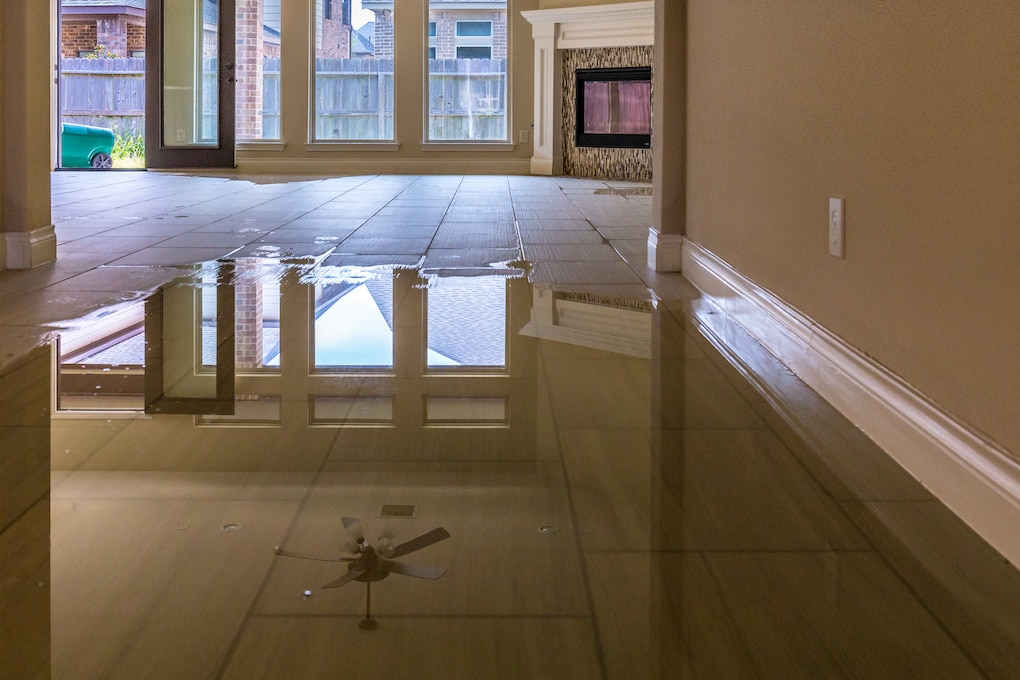
Lastly, typical home insurance will cover damage to your home caused by fire, wind, and hail. Fun fact, it is said the Great Fire of 1666 that destroyed over 13,000 London homes triggered the inception of home insurance coverage. Never again would homeowners have to worry about recovering damages after such a devastation.
Any weather aside from that, such as floods, hurricanes, tornados, or earthquakes, will not be automatically covered by your policy. Some places like North Dakota and other plains states are at risk of 100-year floods and are required to add flood insurance to their policies. Check with your local state regulations and talk to your insurance provider to add on any coverage of this sort if those types of severe weather are a concern.
Download our helpful Homeowner’s insurance checklist for your own use! If you ever have questions regarding what is or isn’t covered by your homeowner’s insurance, don’t hesitate to call us. We can work with you and your insurance to get you the proper coverage.
Making the Best Decision for Your Home
While we all hope you don’t have to deal with storm damage (or any type of damage to your home), it is always good to know of a quality team you can call on to have your back. Whether it is working with insurance, repairing your roof, or replacing the roof of your home, our team at Secured Roofing and Restoration is always happy to help. If you have any questions about insurance or your home’s roof, feel free to give us a call!
Roof Damage In 2023: 7 Types Homeowners Need To Know
Written by : Secured Roofing and Restorations
4 minutes read
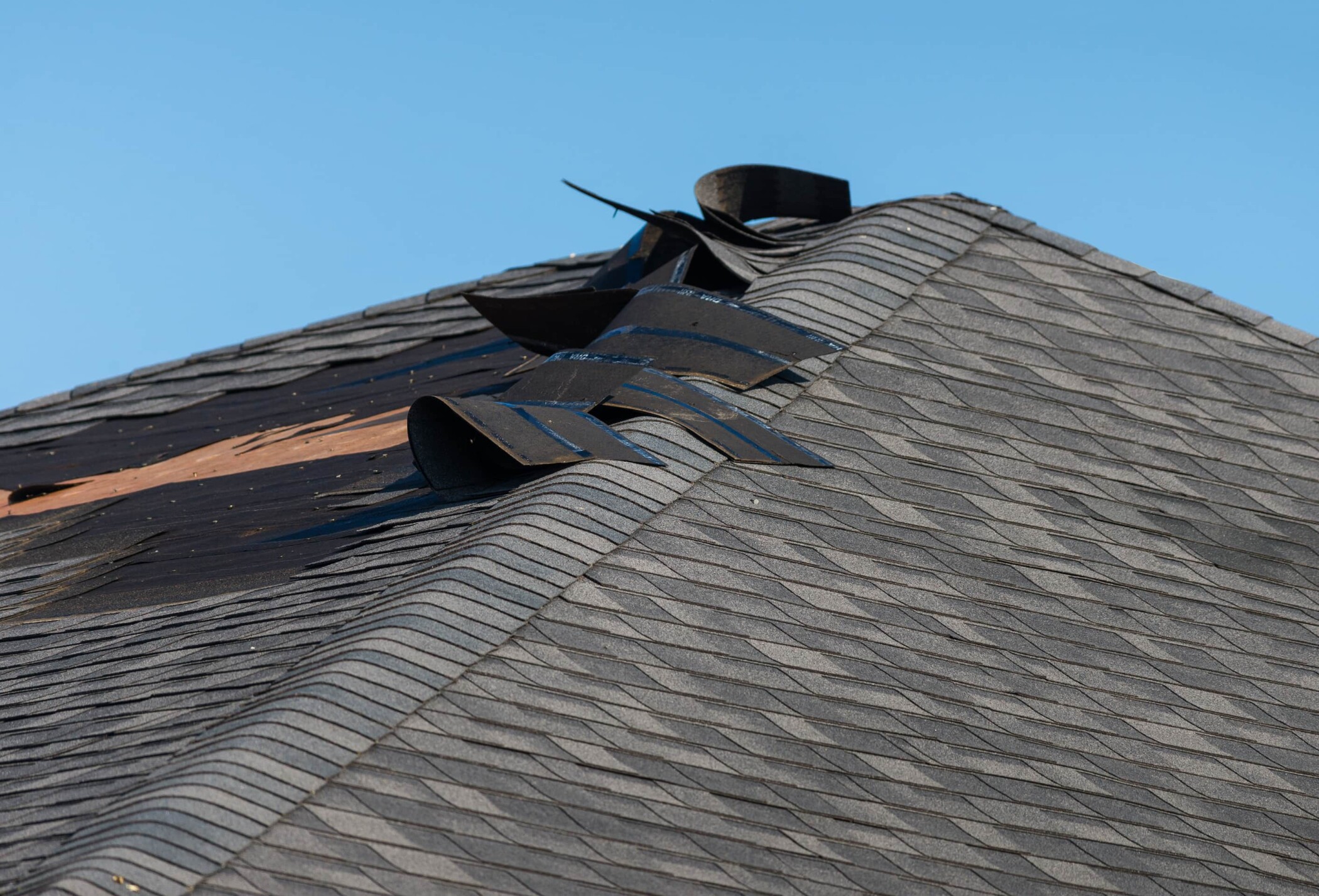
Your roof can be damaged in any number of ways, and it’s important to know how to spot it, and the next steps to get it repaired. Whether a storm came through and damaged your roof or its aging materials are not what they used to be, there are seven very common instances of damage that you should know.
Failed Flashing
One of the most common reasons for a roof leak is failed or damaged flashing. Flashing is installed around your chimneys, vents, skylights, and any other entrance to your roof. It prevents those seams from leaking, but if they are installed incorrectly or get damaged over time they can be the first thing to fail and cause leaks.
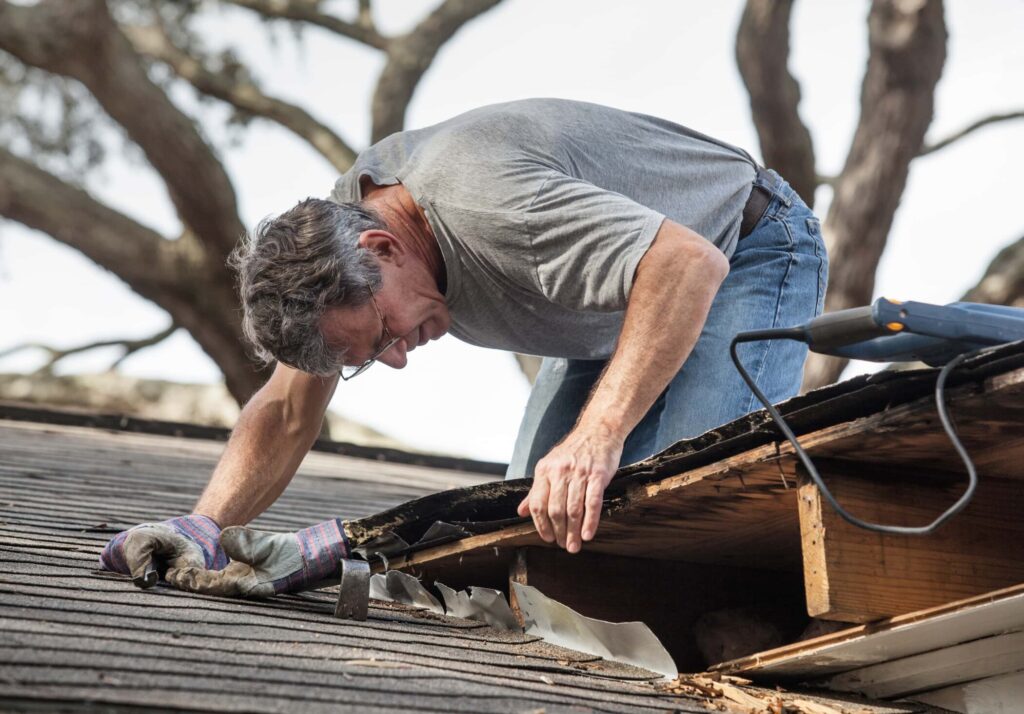
It’s important to watch for any water spots near the entrance of your chimney or vents in the basement, that can be a tell-tale sign of a leak in your flashing.
Wind Damage
Strong winds can cause shingles to tent up or even blow-off, especially if they are not attached correctly, are wearing away, or your flashing has failed around structures on your roof. Even if the wind flips up your shingles temporarily, this can cause irreversible damage to them because it’s broken their tight leak-proof seal.
If only a small section of your shingles have sustained wind damage, it’s possible you can get a smaller repair in lieu of a full replacement. Look for any uneven spots on your shingles if you suspect wind damage.
Water or Moisture Damage
In areas that experience heavy rainfall, or snow and ice; if your roof does not shed that water appropriately, it can sit and cause pretty severe damage to your roof. Moisture that sits in one spot can weaken your shingles, gutters, and even cause a sunken spot on your roof. These cause leaks by ruining the integrity of your roof or causing spots to give way.
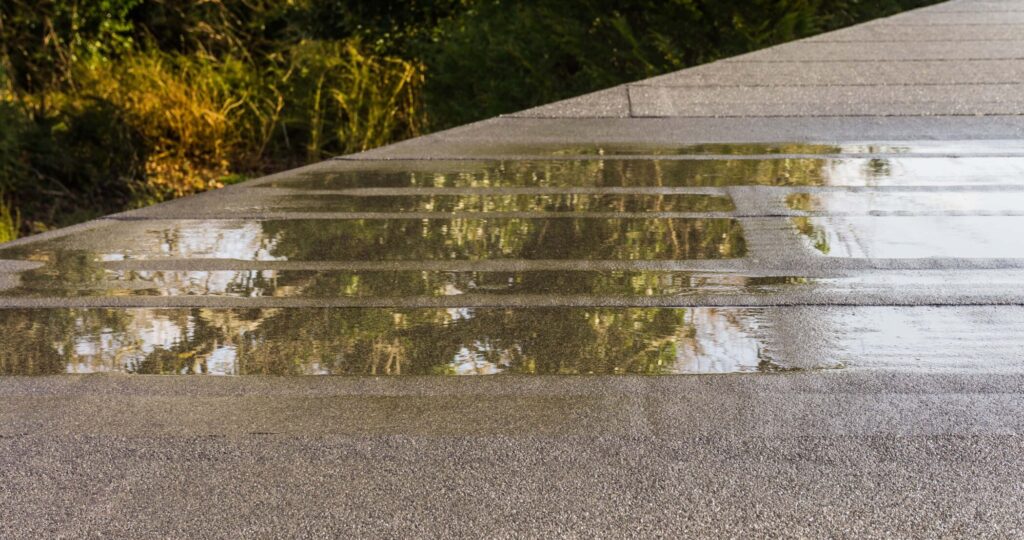
Water damage may require further repairs than just your roof if the moisture has infiltrated your attic or ceilings. So, it’s important to watch for signs early on and ensure your roof is solid. This is especially true in climates that anticipate heavy rainfall, like Florida.
Hail Damage
Though rare, hail that is large enough can cause pretty significant damage to your roof. If hail doesn’t penetrate through the shingles or flashing, it still ends up sloughing off the granules of your shingle which are there to protect them from leaks.
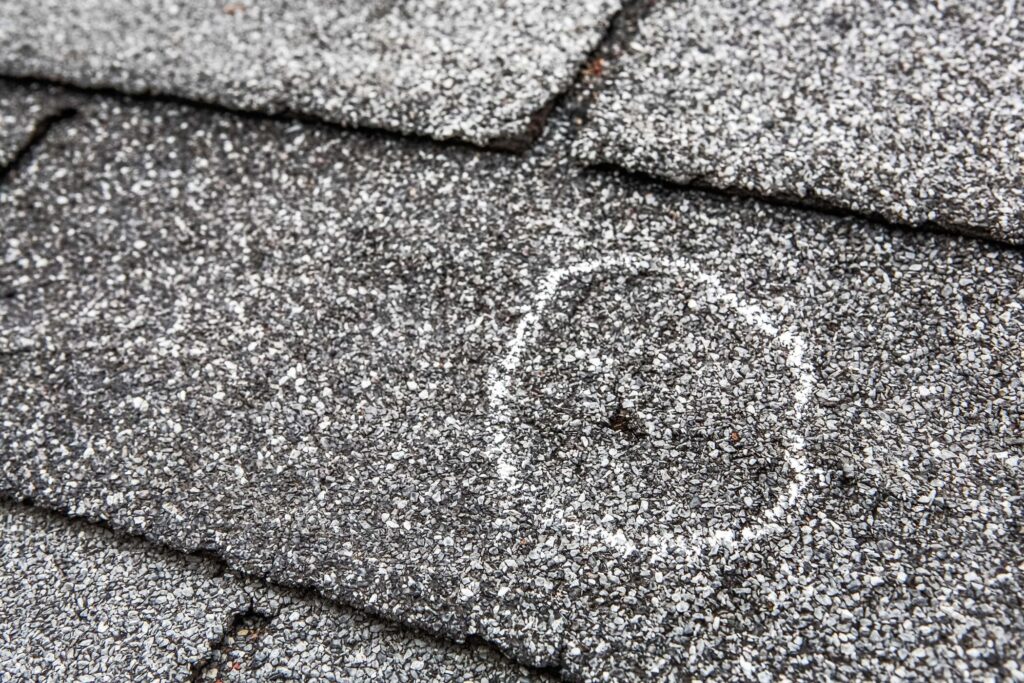
Hail damage can be relatively easy to spot as you’ll see the areas where your shingles are missing granules or have been dented from large pieces of hail. It’s important to get this diagnosed quickly and repair those damaged shingles so your roof is not compromised.
Worn Down Roofing Materials
Unfortunately, roofs aren’t made to last forever. In fact, asphalt shingles, which are the most commonly used in the U.S. have a lifespan of about 15-30 years depending on your climate. As your roof ages, it becomes more vulnerable to things like leaks, damage, cracking, and poor insulation. All of these things, over time, can lead to leaks if left unmaintained.
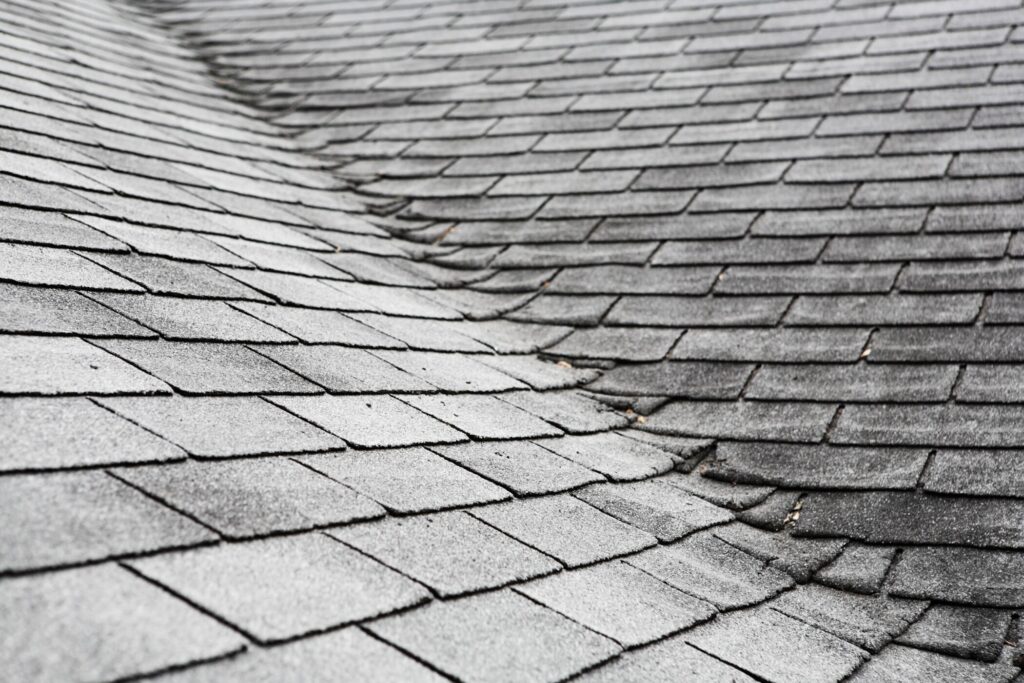
Do a visual check of your roof and gutters every Spring to ensure it’s still in good shape, especially if it’s nearing or past its expected lifespan. The best thing you can do is get roof maintenance done before it becomes a bigger issue.
Structural Damage
Structural damage could be caused by a tree falling during a storm, large debris landing on your roof, or it can even be caused by your aging home. If your foundation is failing, or your interior walls, those can cause sinks in your roof if left alone. Structural damage is an opportunity to get a full replacement of your roof, but also ensure the attic is insulated, and the flashing installed properly—it can be a full reset, which we can do at Secured Roofing & Restoration.
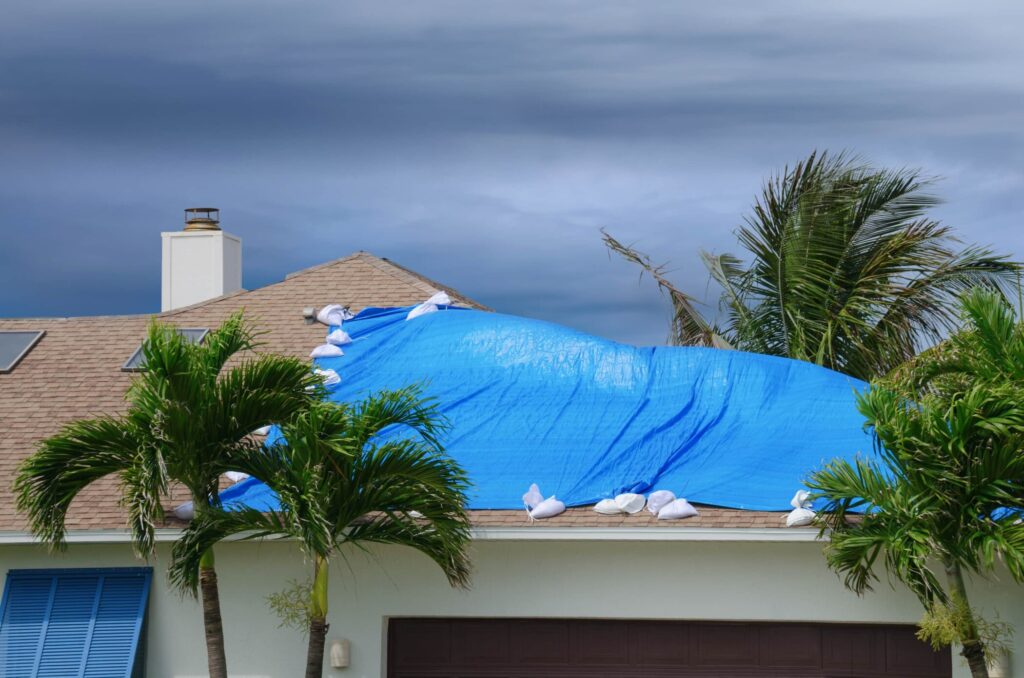
We want homeowners to know what damage looks like, so they can identify it and call us right away. Our professional team of roofers is readily available for any type of roof damage. If you notice you have any of these damages and are looking for a repair or discuss a roof replacement, give us a call at 407-986-ROOF.
How Long Does a Roof Last? A Look At Roof Material Durability
Written by : Secured Roofing and Restorations
7 minutes read

The other day someone asked me “so how long does a roof last?” The answer was more complicated than I thought.
You also may be wondering how long your roof will last, and the short answer is: it depends. Roofs are not meant to last forever, but they should last for many decades with the right maintenance and repairs necessary to keep its integrity. Some materials like metal, slate, or tiles can last upwards of 50 years!
Because your roof is one of the biggest investments you can make for your home, you’ll want to know all of your options and determine the right one for your home. We’ll look at which materials are the most durable, and last the longest. That way, you can make the right decision when the time comes.
How Long A Roof Lasts By Material
Asphalt Shingle Lifespan
- Most commonly installed roof
- Lasts 15 to 30 years
- Affordable
- Requires some maintenance
- Susceptible to damage from strong winds and rain if not taken care of
Composite asphalt shingles are the most commonly used roofing material in the country. It’s affordable, it looks nice, and it lasts for 15 to 30 years. It’s a solid option for any home. Plus, they often come with great warranties that last 20 to 25 years. That’s the entirety of your roof’s lifespan.
Asphalt shingles are made of composite material, cement fibers, organic materials, and you guessed it, black asphalt. The granules on the shingles help to protect against UV rays, pests, and elements like wind and rain. The layer of black asphalt underneath the granule shingles provides a layer of protection for your home against leaks and helps to insulate your home: keeping it cool in the summer and warm in the winter.
Architectural Shingle Lifespan

- Enhanced version of asphalt shingle roof
- Lasts 25 to 30 years
- Customizable style
- Three times more expensive than asphalt
If you like the idea of asphalt shingles, but want something a little more premium, then architectural shingles are a great option. They are three times thicker than asphalt shingles, and subsequently three times more expensive as well. But, their dense material makes them even more impervious to heavy rainfall, strong winds, and with even more leak protection.
An added benefit of architectural shingles is that thanks to their thicker material, they can be designed to look quite similar to other, more expensive roofing materials. Want the look of a slate roof but don’t have the funds? Try architectural shingles that mimic that of slate shingles. They also last almost a decade longer than regular asphalt shingles.
Cedar Shingle Lifespan
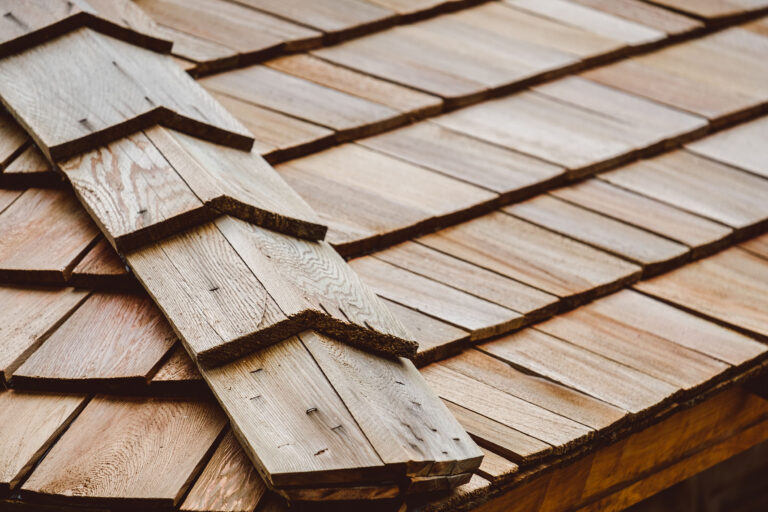
- Beautiful curb appeal
- Low-maintenance
- Incredibly durable
- Insect and rot-resistant
- Lasts 30 years or more
Wooden shingles are even more durable, particularly Cedar, which are the preferred type of wooden shingle used by homeowners. Cedar shakes are a premier choice as their major selling point, aside from looking stunning on any home, is its resistance to insects and rot.
Cedar shakes do require some light maintenance to keep them in their best shape for decades to come. Each year it’s recommended to check for any loose or damaged wood, and simply nail them back in place. You can also gently clean the shingles with a special, light solution. Never seal or stain the shakes. If you take care of your wood shingles they will age naturally to a beautiful grey color and last for 30 years or longer.
Clay Tile Lifespan
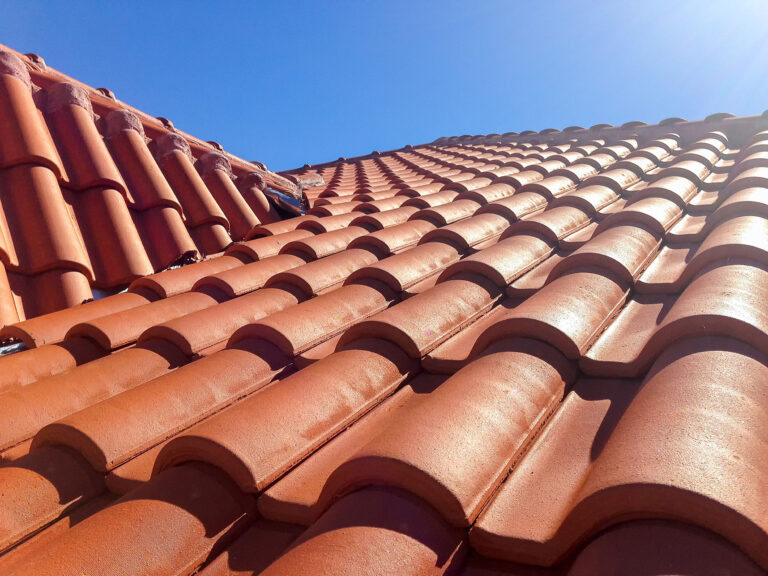
- Very unique style
- Durable against the elements
- Long warranties
- Lasts 50+ years
Clay tile roofs are equally as unique as cedar shakes. They can come in many colors and sizes but are widely known for their beautiful terracotta color commonly used in states in more desert climates in the U.S. They are incredibly low-maintenance and extremely durable, making them a fantastic choice for any home. Once your clay roof is installed, you can rest assured it will be good to go for up to 50 years. If you’re lucky you can even find a life-time warranty for some brands of clay tiles.
Metal Roof Lifespan
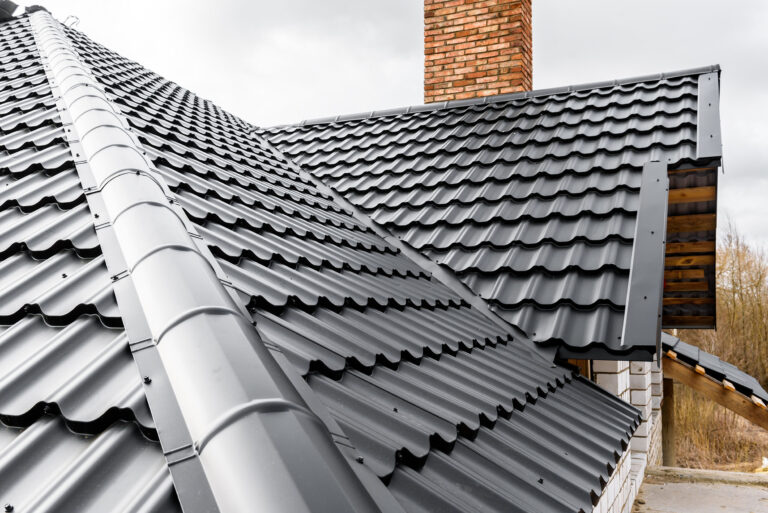
- Cool, sleek design
- Comes in sheets or shingles
- Great for heavy rain and snowfall
- Virtually no maintenance
- Lasts up to 75 years or more
Metal roofs have an incredibly sleek look to them and can transform any home with any style. They can be quite costly, up to $1000 per sheet, but the return on investment is ten-fold. Metal roofs can last, without heavy maintenance for over 70 years! They are especially preferred in states that experience heavy snowfall as the snow and ice easily sloughs off the metal roof slant thanks to it utilizing the heat from the sun’s rays.
Slate Roof Lifespan
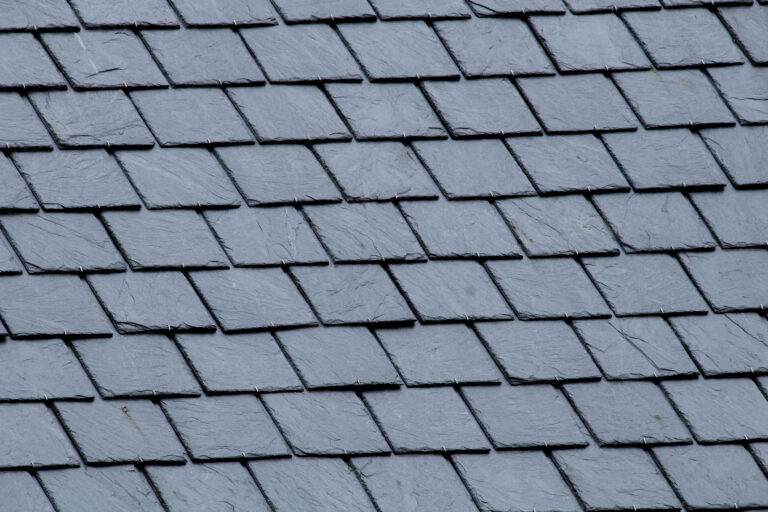
- Coined the “forever roof”
- Impervious to the elements
- Timeless design
- Can work for residential or commercial
- Never need a roof replacement
- Lasts 100+ years
Often called the forever roof, slate shingles are made of natural stone that can be cut into any style, including smooth cut, shingles. This metamorphic rock is going to be nearly impervious to any of the elements and its heavy material makes it virtually impenetrable to high winds or heavy rainfall.
Although slate can have incredibly high upfront costs, the return on investment is invaluable as you would only need to have one roof for your entire life. This can be especially great for homes kept in the family or if you ever wanted to up the value of your home. While homeowners with asphalt shingles will be getting a roof replacement every 15-20 years, you will remain safe and secure with a natural slate roof for the next century.
How Do you Know When to Replace Your Roof?
There are many ways to know whether or not you need a new roof. The first is the age of your roof. The roof of the average homeowner was likely built to last about 20 years. If you’ve owned your home for longer than that, there’s a good chance it has reached its life expectancy and you should get a roof inspection.
Signs of an aging roof that has been damaged by wind or rain could be wind uplift, cracked or missing shingles, or signs of leaks inside your attic or home. Your roof shingles, if damaged, can potentially just be repaired. But, a roof past its life expectancy or one that’s been severely damaged would likely need a full replacement.
There are a few questions you’ll want to ask yourself before deciding on which roof material to choose:
How often do you want to replace your roof? If you are living in your forever home, you can expect to replace your roof again in 15 to 20 years.
How long do you plan on living in your home? If you are selling your home, a new roof can really boost the value of your home, and you may get more for it when you sell.
Do I live in a snowy climate or one with extreme weather? Is it worth the extra investment to ensure a safe, secure roof through any weather?
Needless to say, there are dozens of types of roofs out there to choose from. Whether you love the simplicity and affordability of an asphalt shingle roof or the luxurious investment of a metal roof, it’s important to get the one that suits your needs best. We are here to help.
When it comes time to install your new roof, choose Secured Roofing and Restorations. Call us for more information on how to get the roof of your dreams at 407-986-ROOF.
The 4 Best Roof Shingle Colors & Combinations For 2023
Written by : Secured Roofing and Restorations
7 minutes read

When it comes to your roof, no longer do you have to use a cookie-cutter look or style.
Your roof can be just as much a part of your curb appeal as your siding and landscaping, so choosing the best roof shingle colors can make a huge impact on your home’s overall look. There are however a few do’s and don’ts when it comes to choosing the right color, so we’ll get into that as well.
If ultimately you decide you need to update you’re roof, we’re currently offering our roofing services in Pensacola & Orlando, Florida.
The Best Roof Shingle Colors for Your Home
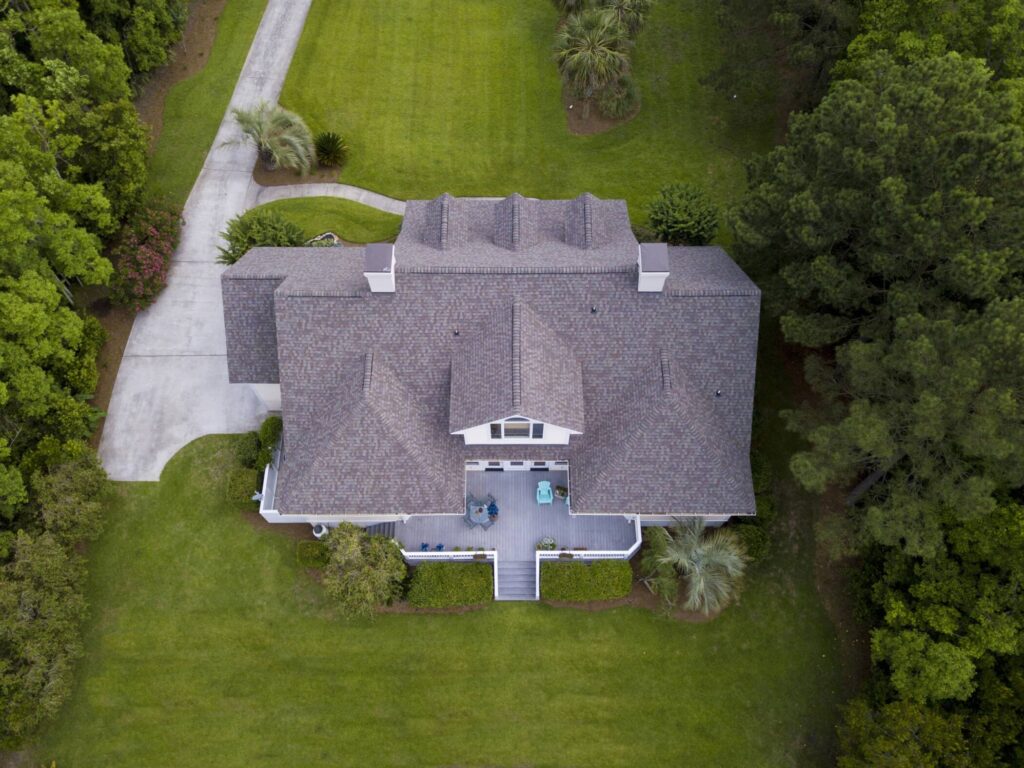
For the sake of consistency, we will use the common asphalt shingle as the roofing shingle material. To bring a more dynamic look to your home, using a darker colored shingle can make a huge difference and bring beautiful contrast. Some colors that are not simple gray include light greens and blues and neutrals like beige or off-white. Also, shingles with alternating and blended colors are huge as they give more dimension and texture to your roof.
The top trending roof shingle colors for 2021 include:
- Light and soft greens (forest green, moss green, hunter green)
- Light and pale blues (blue-green, sky blue, denim)
- Beige and off-white (stone, khaki, tan)
- Taupe and light brown hues (sand, desert, taupe gray)
The Best Color Combinations for Your Roof and Siding
Matching your siding with your roof is important to boost your curb appeal and ensure your colors don’t clash. But choosing the right colors can also be a tough decision to make, especially since it is hard to turn back once you start. Depending on the color of your siding, there are some suggested colors for your roof shingles that you should consider. Here are some of our favorite combinations from Sherwin Williams, to make it a little easier for you.
If your house is red, you should consider a darker hue roof color. Your shingles should be black or include shades of black, dark gray, dark brown, and dark green.
If your house is white, solid, and primary colors are your best bet. Depending on the style of your home and roof you can have everything from green to blue to red or black and gray roofs can look really nice with a white house. Adding some pops of color on the doors or shutters can help tie it all together.
One of the more common color combinations you’ll see in homes today is gray hue siding with a darker hue roof. If your siding is gray, consider a black, dark green, dark blue, darker gray, or even white roof.
In recent years, more people have been shifting towards blue siding for a more robust, unique look. A dark blue hue for your siding is beautiful and light accents really make it pop. So if your siding is blue, grays and whites can be your best color combo but a black or brown roof will also look very nice.
Brown houses have many options for roof shingle colors like green, blue, black, charcoal, and dark grays or browns of a different shade (lighter or darker.)
For homes that have a light beige or tan color, brown can be a great color for your roof. Any other dark color of green or blue hues will look really nice too.
As you can see, for the most part, combining dark and light colors together creates a perfect blend of contrast. Making your siding and roof both a light color will look weird, and only some dark hues work together for a roof and siding.
Think of it like putting an outfit together. A nice white blouse with brown pants is going to look much better than another brown blouse with brown pants. Creating contrast is key to boosting your curb appeal and making your colors stand out.

When to Use a Dark or Light Hue for Your Roof Shingles
Continuing with how to create contrast between your siding and roof, there are a few dos and don’t when it comes to using the right color for your roof. There are a few situations that call for a dark hue and others call for a light hue.
In general, if you want to stand out in your neighborhood, especially as you get a brand new roof, keep in mind that dark colors draw more attention. They are very eye-catching and can just create more dimension and texture for your home’s design.
Darker shingles can also work really well for multi-level homes. Often in multi-level homes, you have a few roof peaks over the second level, maybe the foyer, and your garage. So using darker hues can create a nice balance and draw more attention to the varying levels of the house giving it dimension. Be wary of using dark hues on homes with high pitch roofs though as it can be very heavy and take over the look of your home.
Ranch homes and ramblers can bode well with medium hue colors like medium grays, blues, greens, or beige. Using dark roof colors on a single-story home like a rambler can drown your house and make it look like it’s mostly a roof.
Trending Roofing Materials for Your 2021 Re-Roof
When we speak to trends in roofing shingle colors, we are mostly talking about asphalt shingles which is the most commonly used material among homes today. However, there are a number of materials that people are shifting towards due to their ROI and lasting much longer.
On top of shifting to lighter shingle colors as an option, here is some different roofing materials that people are trending towards..
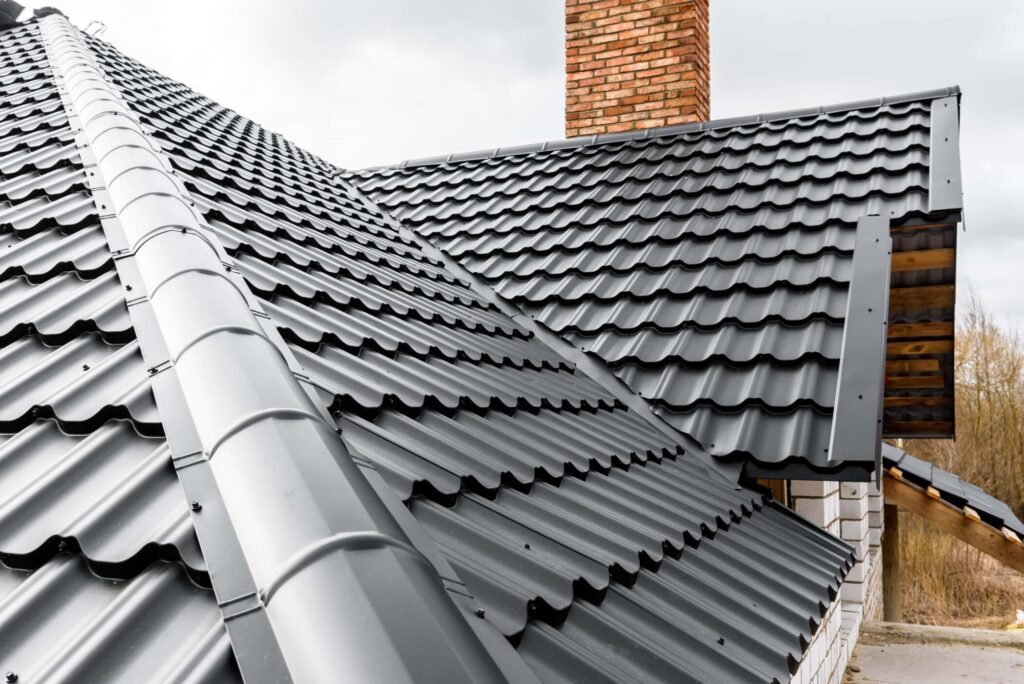
Metal roofing has had a recent resurgence in the housing market. Metal roofs can come in a few different forms, as sheets or even shingles that look like a regular shingled roof, but last for upwards of 50-75 years with little maintenance. They are very resistant to roof damage. Metal roofs are generally darker in color so work best with the combinations with green, gray, or black roofs we mention above.
Solar roofs have been growing each year due to their efficiency and in lieu of shifting towards more green energy sources. Solar roofs can have quite a great ROI over time depending on the size of your home and energy usage. Solar roofing panels can go with most home and roof types, and new designs have allowed them to blend in and get built right into your roofing.
Some other options for energy-efficient roofs include flat roofs with green roofs. If your home has a flat roof, installing a green roof can come with many benefits from managing rainwater to insulating your home. They’re a great option for those looking for an alternative to basic roofing materials.
Get A FREE Roofing Estimate From The Pros!
Choosing the right color for your new roof can boost curb appeal, improve energy efficiency (by absorbing or reflecting the sun’s rays), and increase your home’s value. In 2021 the main things to focus on are creating balance, texture, and dimension by contrasting your siding with your roof in the best way possible.
We love working with our clients to get them the right colors for their homes. Even if you have older siding, a new roof with the right hue can make your home look good as new. Get a FREE estimate below for your next roofing project. We look forward to it!
Ask the Pros: What Do You Do After Storm Damage?
Written by : Secured Roofing and Restorations
6 minutes read
How to Choose a Roofer: 6 Valuable Tips in 2023
Written by : Secured Roofing and Restorations
5 minutes read
You’re busy, and replacing a roof is never a conveniently timed event.
The last thing you want is to end up with a contractor who fails to meet your needs and expectations, which is why you need to learn how to choose a roofer. You want one that offers excellent customer service, good communication, and high-quality work. So how do you find the right one? We have a few tips that can help in your search to find the right roofing contractor for you.
6 Valuable Tips For How To Choose A Roofer
1. Look for Area-Specific “Top 10” Lists
It’s easy to head to Google and type in “roofing contractors near me,” and get a long list of local roofing contractors. But that can be very overwhelming. You could filter by star rating or price, but ultimately you’re still going to have a long list to work through.
A good start is to change your search to look for “top roofing contractors in Orlando” or “the ten best roofers in Orlando.” Your results will come back with catered lists of the best roofing contractors that were put together by people who know the industry, or who have already done their research. These narrowed-down lists have been ordered in terms of reviews, price, BBB (better business bureau) rating, etc., and give you a much easier bunch to start with.

2. Read Their Reviews — Both Good & Bad
Once you’ve picked a select few to choose from, start reading through their reviews. A company that has a star rating any less than five means they’ve got a few bad or mediocre reviews mixed in—read those first. Some people just don’t have good experiences, and it may not necessarily represent the company as a whole.
This is why it’s essential to read through them using your best judgment based on what clients are saying. If you’re reading the reviews and people are listing off things that you’re looking for in a roofer, that’s a good sign.
3. Look for Those Offering Free Estimates & Financing
It’s stressful enough to, first of all, need your roof repaired or replaced, and secondly to find the right company to hire. You’re probably worried about how this is going to work into your budget, especially with unexpected storm damage. So look for those companies who offer free estimates and inspections, so you can get some sense of relief by just getting a quote without having to sign any paperwork. Also, roofers who offer to finance can help alleviate that financial burden, and they will work with you to make sure your new roof fits within your budget.
4. Ask Friends & Family for a Referral
If you can, you should try doing this first before ever beginning research. Put out feelers on social media or ask around to friends, neighbors, and family members who may have had a roofing job done. First-hand accounts by people you trust can be the best way to find a reputable local roofing contractor.
Plus, some roofers offer referral incentives in the form of discounts or cash rewards to those who bring in new clients. Maybe your friend would split the reward with you—*wink wink*.
5. Ask About Their Insurance and Certifications
Make sure you ask your roofer if they have workman’s compensation and liability insurance. They should have these things to protect both employee injuries and any damage they may cause to your home during the roof replacement or repair. If they don’t have workman’s comp insurance, you may end up being responsible for any medical bills or accrued costs if their employee gets injured. It’s not guaranteed your homeowner’s insurance would cover these kinds of expenses. So don’t immediately assume they have this kind of coverage—always ask.

You also should be able to see any certifications they have listed on their website. Some contractors get certified based on the materials they use, and that they’ve gone through training to install these particular brands or types of roofing material properly. It also shows that they continually update and maintain that certification, so feel free to ask for their most up-to-date certificate.
6. Ask About Their Safety Protocols & Training
In addition to the insurance covering any accidents or damage, ask them what safety training and protocols they take for injury and fall prevention. This guide from OSHA can give you an idea of what contractors are supposed to do in regards to safety prevention and training.
Ask them if they follow the “Plan, Provide, Train” strategy for preventing falls. They may even have OSHA compliance documents or training protocols they could share with you. As much as you want your roof repaired, you also should want it done safely, for everyone’s sake.
Some other things you can do include looking up the best roofing materials and finding a contractor who uses those brands. You can also ask to see examples of their work, ask how long they’ve been in business, and ask as many questions as you need to before ever signing paperwork. You should never have to cut corners or settle for less when it comes to your home.
So do your research, communicate your needs, and if you have any questions at all, please call Secured Roofing & Restoration at (407)-986-7663. We’re here to help!
What To Expect During a Home Roof Inspection? (2023 Guide)
Written by : Secured Roofing and Restorations
7 minutes read
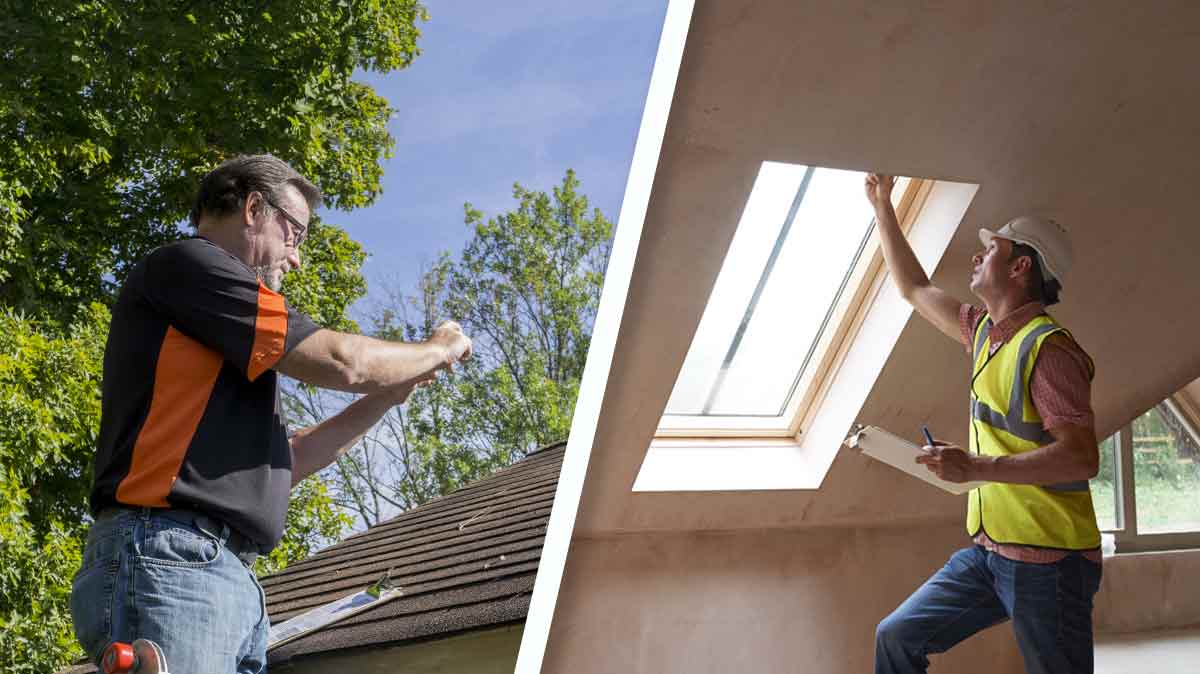
Homeowners might believe that as long as the roof looks free of debris or damage, that they’re in the clear. But over time your roof’s integrity does decline, especially without proper maintenance.
Roofing inspections are critical to increasing the longevity of your roof and spotting problem areas that could cost you significant money in repairs. They should be performed at least once every three years or immediately after a severe storm. If you have neglected to get your roof inspected, or if it’s your first time, there are a few things you should know.
What To Expect During a Home Roof Inspection?

How Long Does a Roof Inspection Take?
Depending on the size, type, and slope of your roof, a thorough roof inspection can take just under an hour. In recent years, roofers have introduced drones into their standard practice for inspections and that way can shave off 30-40 minutes from an inspection. Of course, you will have to schedule the inspection which can take a while if the contractor you are working with is very busy. After severe storms, this can definitely be the case.
When Should I Schedule a Roof Inspection?
Many homeowners may get roof inspections after severe weather comes through, which is definitely a good idea, but it isn’t the only time you should get an inspection. You should also get a roof inspection if you are prepping to sell your home (replacing the roof can be a big selling point), and every few years depending on roof type and location.
For example, asphalt shingle roofs should be inspected about every 3 years, while tile and metal roofs can go much longer between inspections—closer to 5-6 years. Living near the coast or in a climate with heavy snow or rain can wear away your roof much faster, and you may want to consider more frequent roof inspections in those areas.
The time of year that is best for scheduling your roof inspection is in the fall before cold weather and ice and snow begin. If your roof needs replacement or repair, you can catch it before any further damage occurs. The snowmelt in the spring can be a definite risk of water damage if your roof isn’t up to snuff.

What Can I Expect During my Professional Roofing Inspection?
When you hire a professional roof inspector, you can expect them to check for a few things. First, they’ll look for obvious signs of damage or leaks, wear and tear from an aging roof, and other issues that can occur from poor installation or maintenance.
In order to hit every area, inspections are usually broken up into 4 categories; structure, material, interior, and workmanship. This ensures every aspect of the roof as a whole is inspected. They will also look at the chimney, soffits, gutters, and any other system associated with your roof’s function and ability to protect your home. And to do a thorough inspection to check for leaks and water damage, you can expect them to do both an exterior and interior inspection.
Exterior Roof Inspection
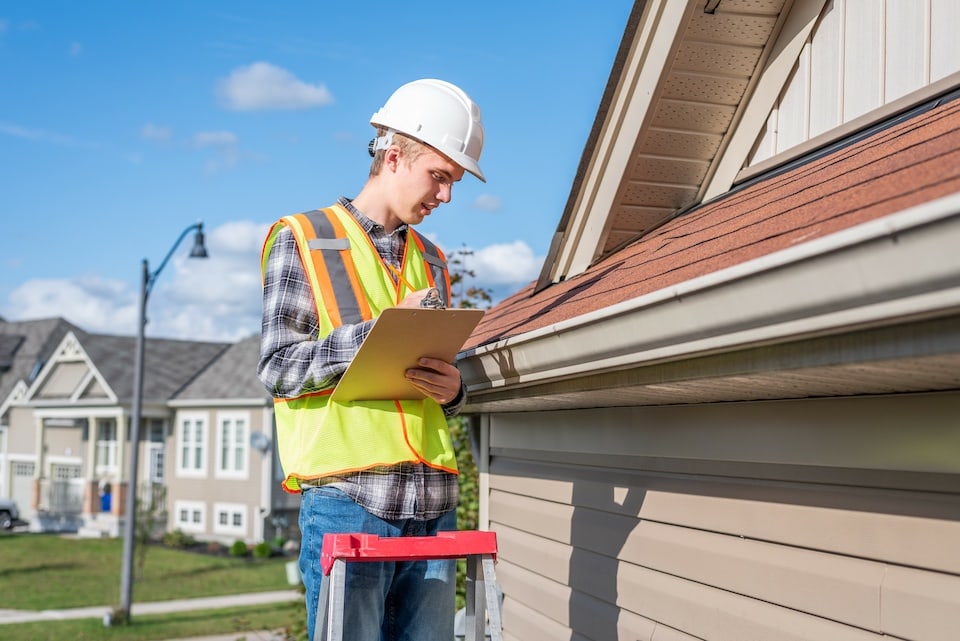
The first step in a typical roof inspection is taking a look from the ground level at the drainage patterns of your home and looking for any worn-out areas. The next step involves getting a ladder and checking out the roof.
Here, the inspector will look for leaks, damaged shingles, loose granules, and any other problematic spots. They may even circle any spots with washable chalk to make sure they don’t miss it when filling out their report. They will also check all the “joints” of your roof including sidewalls, dormers, and valleys to assure that the flashings are properly sealed.
During an exterior inspection, the inspector may be looking for:
- Cracked caulk or rust spots on flashing
- Shingles that are missing, broken, buckling, curling, or blistering
- Cracked or worn rubber boots around vent pipes
- Large groups of moss and lichen, which could signal roof decay
- Instances of mold and roof rot
- Leaks of any kind
- Signs of structural issues such as a sagging roof deck
- The structural integrity of your gutters.

Interior Roof Inspection
Once they have noted all the problem spots on the exterior, an inspector will want to check out the interior to look for more serious conditions that may be hidden from the exterior inspection. Insulation and ventilation play critical roles in the longevity of your roof. Any signs of moisture, mold or sagging will lead to major repairs.
During an interior inspection, the inspector may be looking for:
- Moisture around fireplaces
- Peeling paint where the roof overhangs
- Dark areas on your ceiling
- Concave areas on your ceiling
- Leaks
- Water Stains on pipes near the water heater/furnace
- Mold and rot on your wood rafters
Can I Do my Own Roof Inspection?
Sure! It’s absolutely possible to do your own inspection if you don’t want to call a contractor, especially for regular roof inspections for maintenance purposes. You can follow the same steps as the above exterior and interior inspections we listed above, as long as you can safely do so. We don’t recommend inexperienced homeowners to get up on the roof, but you should be able to spot any immediate damage and assess the condition of your roof just by looking at it. If you see anything obviously wrong, you should call a professional for a more thorough look.
The same goes for an interior inspection. If you have easy access to your attic, go ahead and take a flashlight and peek around from the attic entrance. Look for any spots of water damage, discoloration, wet insulation, etc. If everything from that view looks ok, you shouldn’t need to walk into your attic and risk injury or causing damage to your attic floor.
Roof Inspection Cost, Action Plan, and Next Steps
If you are worried about the costs involved with getting a professional roof inspection, there is no need to worry. In todays market, most roof inspections cost somewhere around $200. It is also common to find some contractors who offer complementary roof inspections, especially when there is suspected storm damage.
Another benefit of going the professional route is that once the interior and exterior inspections are done, your professional inspection team will go down their checklist identifying any issues that need to be fixed. They will then go over that list prioritizing imminent threats that should be taken care of immediately. If necessary, they will provide you with a formal estimate for the repairs.
That’s it! Hopefully, your first inspection doesn’t alert you to any significant problems, but if it does, the roofing experts at Secured Roofing and Restoration can provide everything you need to get your roof back to 100% without a hassle. We offer comprehensive roof repair services to ensure you get back to normal in no time at all.
Frequently Asked Questions
What happens during a roof inspection?
A roofing inspection is a routine checkup on the integrity of your roof. Homeowners choose to inspect their roofs for a number of reasons, predominantly to check for storm damage or to determine the life left on the roof of a newly purchased home.
How often do I need to have my roof inspected?
Generally, there are three important times to have your roof inspected: when you purchase a used home, after a severe storm rolls through, or at the half-life of your roof. So if you expect your shingle roof to last 20 years, have it inspected 10 years down the road.
Can I perform my own roofing inspection?
We do not recommend that homeowners inspect their own roofs. Getting on your roof can be dangerous in and of itself. Not to mention the average homeowner doesn’t know what signs of damage to look for. Your home is a massive investment, and it isn’t worth the risk to inspect it yourself. We recommend hiring a local roofer you trust to take a look at your roof when its inspection time.