



Articles
6 Benefits of CertainTeed Shingles (Homeowners Guide)
 Written by : Secured Roofing and Restorations
 6 minutes read
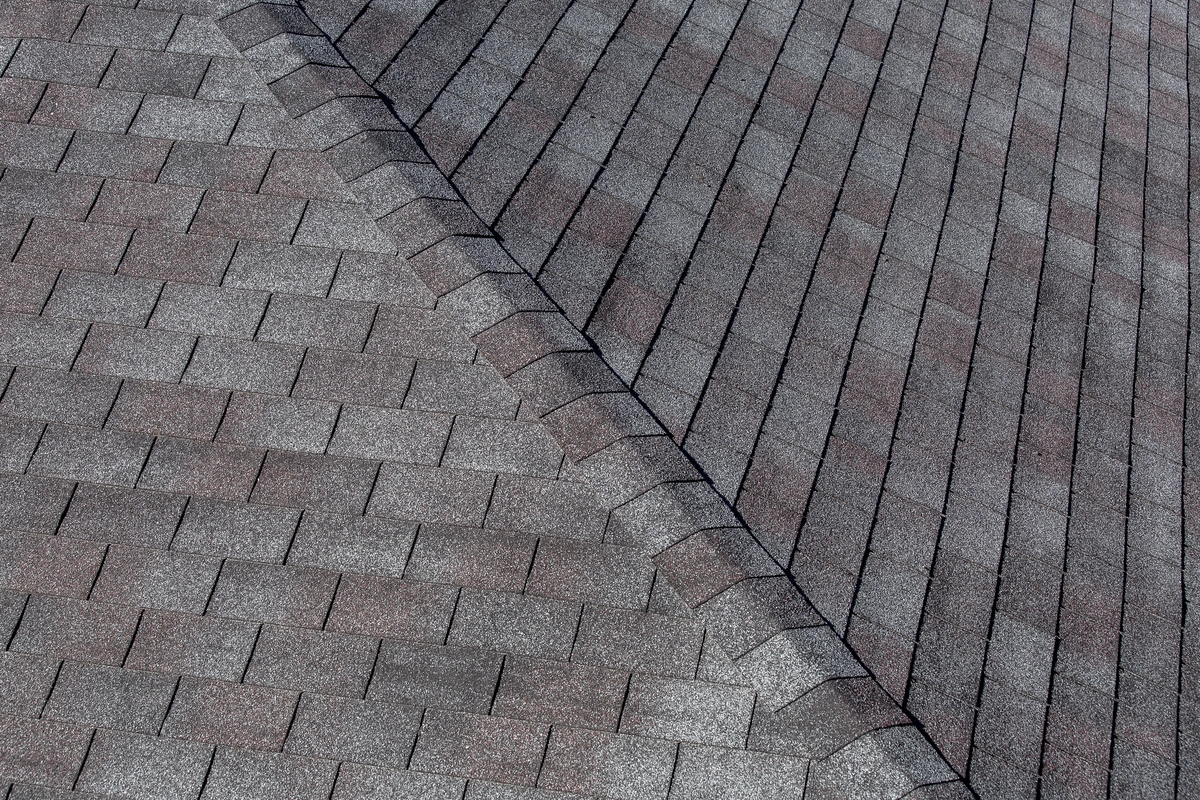

CertainTeed shingles are among the most reputable brands of roofing shingles. Homeowners and professional roofing contractors alike agree that CertainTeed asphalt shingles hold up to their name when it comes to strength and longevity, as well as their curb appeal.
Of course, CertainTeed asphalt shingles come with a much longer list of benefits than just looking great and holding up well. Below we’ll give you an overview of your CertainTeed asphalt shingle options and their associated benefits.
Keep reading to learn more.
An Overview of CertainTeed Shingles
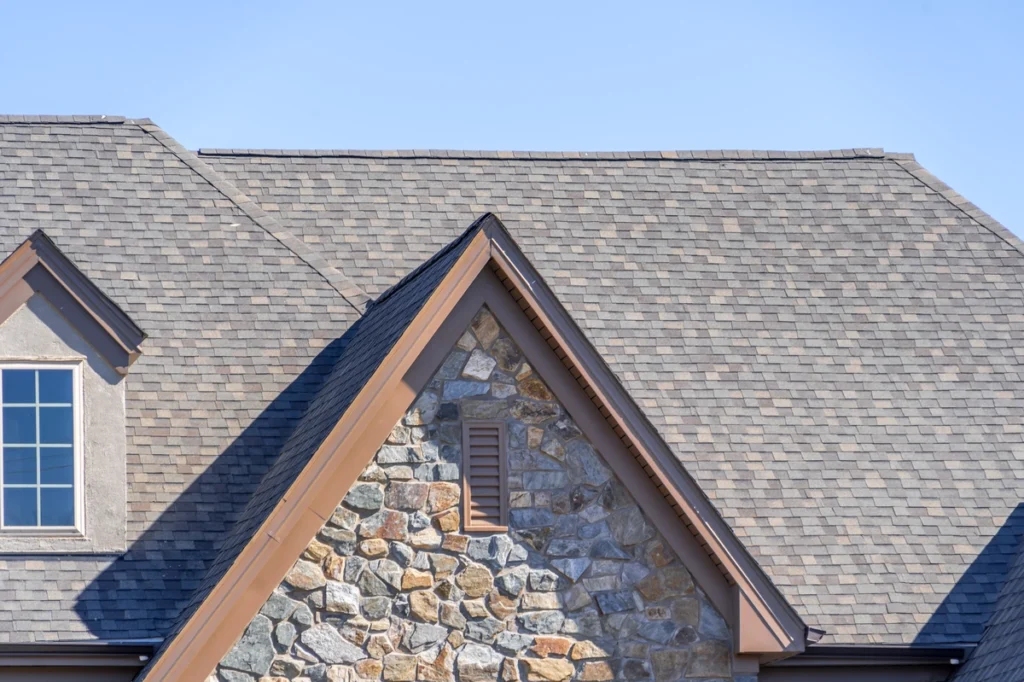
When choosing among your CertainTeed asphalt shingle options, the first thing you need to know is that the manufacturer offers three variations of its asphalt shingles:
- Dimensional shingles
- Strip shingles
- Luxury shingles
Each type comes with its own set of benefits, but the primary differences are the cost and patterns.
Dimensional Shingles
CertainTeed’s dimensional shingles are designed to mimic the look of wooden shakes and slate as they’re installed in a multi-layered pattern. These dimensional shingles are referred to as Landmark shingles which come in several options including:
- Standard Landmark shingles
- Landmark Pro shingles
- Landmark Premium shingles
- Northgate Landmark shingles
- Highland Slate Landmark shingles
The Landmark Shingles, generally speaking, are noticeably heavier compared to other manufacturers’ asphalt shingles. The Landmark shingles also come with a more extensive warranty compared to other brands, and they’re considered the most advanced out of all the CertainTeed shingles.
Strip Shingles
CertainTeed’s Strip shingle line is an offering of more conventional shingles — otherwise known as 3-tab asphalt shingles. 3-tab shingles are very common as they’re the most affordable option for homeowners due to being so lightweight.
CertainTeed’s Strip shingle line is referred to as XT 25. These CertainTeed products are designed using a single-layer asphalt that’s known to be fire-resistant and is associated with a 10-year warranty against mold and algae damage.
The XT 25 and XT 30 lines come in a nice range of colors, which is another reason why they’re so popular. However, they aren’t as durable as CertainTeed’s Landmark shingles as they aren’t rated for wind gusts of over 60 miles per hour.
Luxury Shingles
CertainTeed’s luxury line of roofing shingles are laminated shingles and are considered to be the manufacturer’s highest-quality shingle offering. The Luxury shingles offer premium protection against the elements due to being “heavyweight” shingles, which is also why they’re the longest-lasting of the three types.
Between these shingles’ coloration and dimensionality, this line offers the most realistic imitation of old-world wooden shakes and quarried slate roofing materials. The line is also broken down further into several variations, including:
- Belmont
- Acadia Shake
- Grand Manor
- Presidential Shake
- Carriage House
The 6 Main Benefits of CertainTeed Shingles
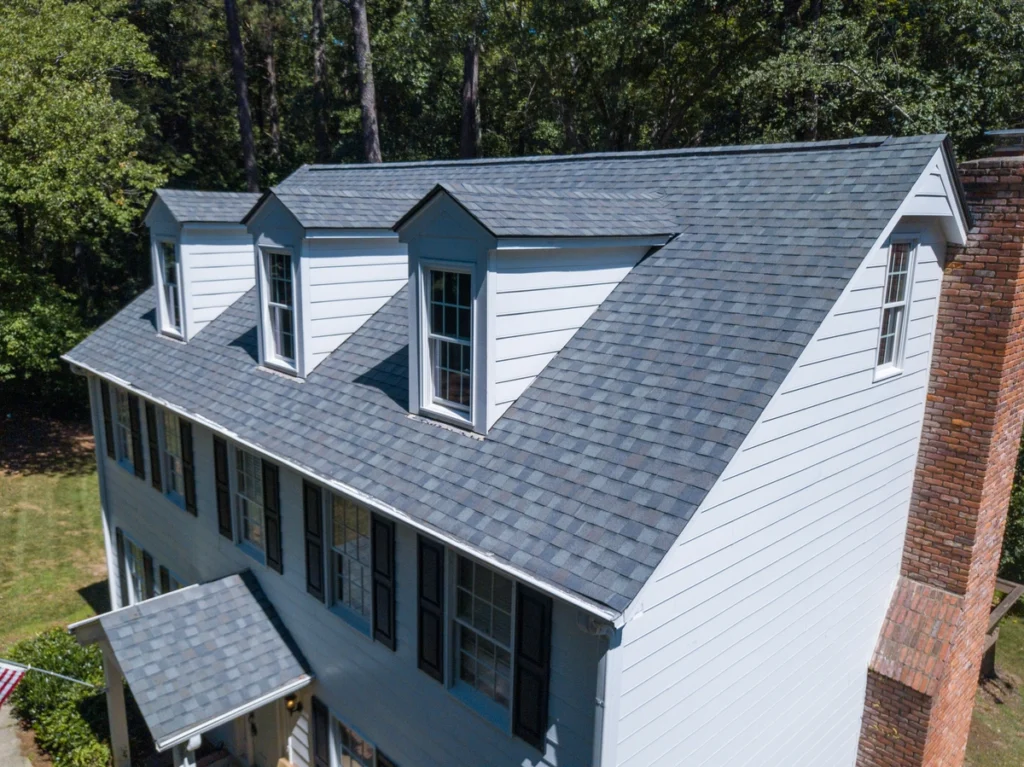
As far as roof replacements go, CertainTeed shingles are currently the most preferred roofing shingle brand across North America. This is largely due to all the ways in which they benefit homeowners and business owners alike.
Here are the six most important benefits you can expect from CertainTeed roofing shingles:
1. An Excellent Selection to Suit All Budgets 💰
As mentioned above, there are three types of shingles that CertainTeed has to offer:
- Strip shingles
- Dimensional shingles
- Luxury shingles
From color options to cost, there’s something for everyone — which means despite your roof replacement budget, you can still get your hands on the country’s premier roofing shingle products. Each type of shingle extends premium quality, even the basic 3-tab shingles.
2. There Are Tons of Color Options 🎨
Another great benefit of choosing CertainTeed shingles is that each offering comes in a wide range of color options.
The luxury and dimensional lines carry the most color options as they have the highest number of variations. For example, the Landmark shingles are available in 30 colors, while the XT 25 offers over 30 colors. The XT 30 line only comes in nine color options — but that’s usually more than enough to match most homeowners’ aesthetic needs.
3. They’re Incredibly Durable 💪
CertainTeed shingles are known as the industry’s heaviest shingles. Even their most lightweight 3-tab asphalt shingles are heavier than their competitors, which is exactly what gives them their durability.
From the 3-tab to the Landmark shingles, you’ll find that CertainTeed shingles provide excellent coverage against the elements, whether it be wind, hail, heavy snow, or rain. The company has so much confidence in their shingles that they even offer an extended warranty option to protect your roofing system for up to 50 years!
4. Outstanding Warranties 👍
As mentioned above, CertainTeed offers excellent (lifetime) warranties to back up their products. Aside from extended coverage, they’ll also back up the workmanship against improper installation.
The primary warranties that CertainTeed offers include:
- 15-year wind resistance warranty (up to 110 miles per hour for certain lines)
- 15-year StreakFighter warranty (for bacterial and fungal growth)
- 10-year SureStart warranty (to back up materials and installation)
What’s more, their warranties are transferable. This means you’ll have the advantage when selling your home as you can assure the next homeowner will get the same coverage for the same amount of time promised to you — which is the perfect bargaining chip.
5. They Come With Integrity Roof Systems 🔨
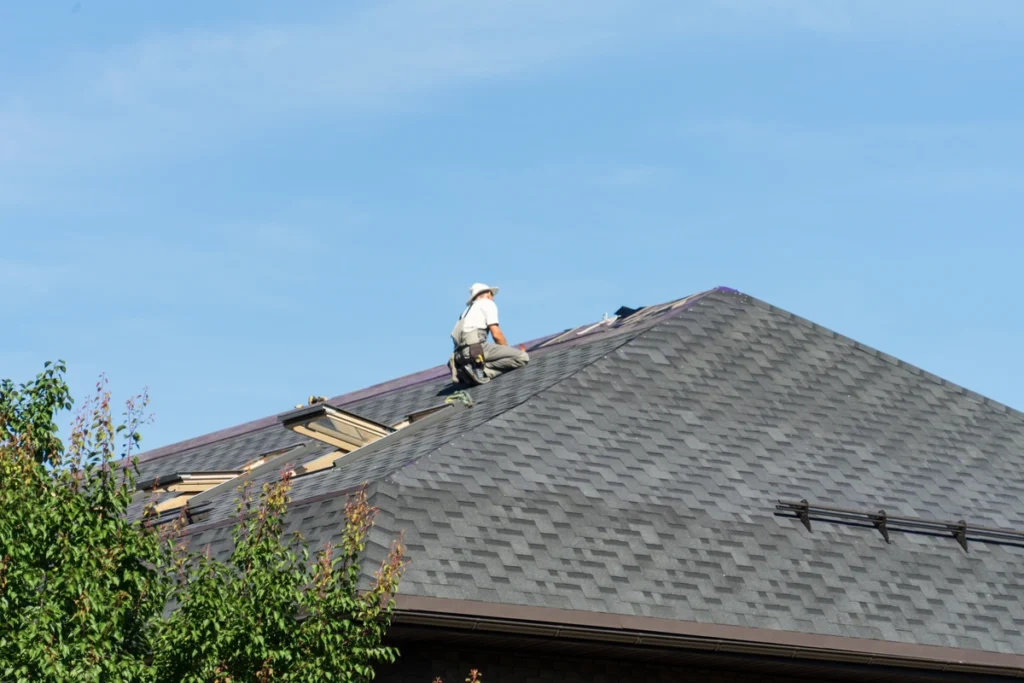
CertainTeed offers all customers its Integrity Roofing system, which is a complete system of roofing materials that includes:
- The asphalt shingles of your choice
- Starter shingles
- Ridge and hip shingles
- Ridge vents
- Waterproof underlayment
- Starter shingles
This ensures you get a solid roofing system with proven materials for better durability and longevity.
6. They’re Long-Lasting 🧓
The average asphalt shingle roof is said to last up to 25 years. While CertainTeed offers a variety of different style shingles and different levels of durability, their Landmark shingles have a lifespan of 30 years — which is five to ten years more than most other brands.
What’s more, CertainTeed’s more premium products (including some of their lines of Landmark shingles) can last as long as 50 years!
Trust Secured Roofing With Your New CertainTeed Roof!
If you’re looking to ditch your old shingles for a much better product, you’ll never regret choosing one of the many shingle lines from CertainTeed. Of course, you’ll need a roofing contractor whose roofing team is trained and experienced when it comes to installing Certainteed shingles — and we have the perfect team here at Secured Roofing & Solar.
Get a free estimate for your roof replacement using CertainTeed shingles today!
6 Types of Roof Shingles Compared (Pros & Cons)
Written by : Secured Roofing and Restorations
11 minutes read
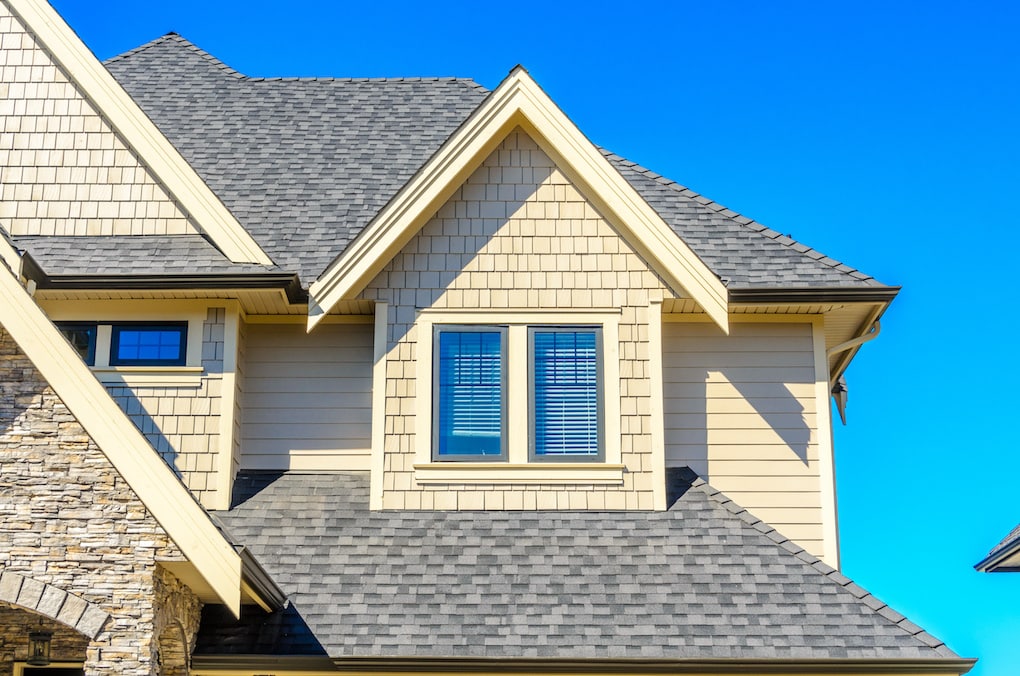
Are you trying to find the best types of roof shingles for your home?
Finding the best shingles can be an overwhelming and exhausting task when it comes time to shingle or re-shingle your roof.
- How do you know you are getting the best value for your money?
- What type of shingle is environmentally friendly?
- What are the best roof shingle colors?
- What type of roofing shingles will last the longest?
If you find yourself asking these questions, you’re in the right place.
Whether you are building a new home and looking for the perfect shingles, or you just received a roof inspection and need to replace your current shingles, understanding the pros and cons of the various types of shingles will put you at ease when it’s time to make your final decision.
The six different types of roof shingles discussed below are asphalt, architectural, clay tile, metal, composite, and wood.
Each type of shingle has distinct benefits and drawbacks, knowing the variance between the different roofing shingles will help you make an informed shingle purchase.
Asphalt Shingles
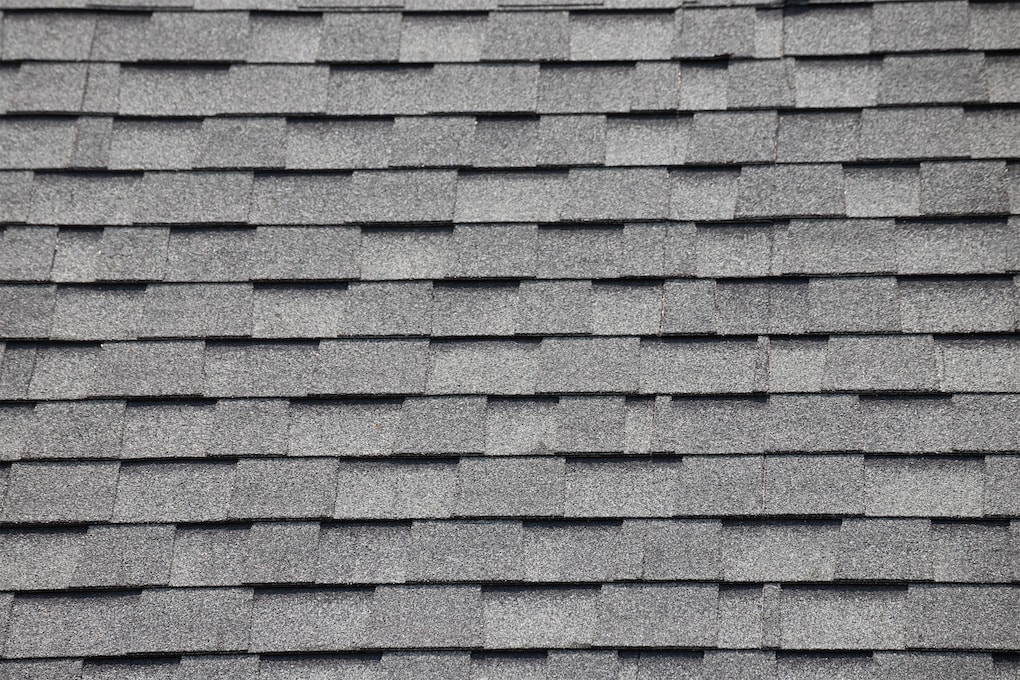
Asphalt shingles are the most commonly used shingles in the United States, and for good reason. These shingles have a lifespan of 15 to 30 years and cost roughly $2 per square foot, making them a durable and affordable roofing option.
Not only do asphalt shingles protect your roof from outside elements, but it also acts as an insulator keeping the cool air inside in the summertime and outside in the winter months.
While asphalt shingles are a durable and affordable shingle option, they can become susceptible to wear and tear if not properly maintained.
Even though maintenance is easy, they require some maintenance if you wish to utilize asphalt shingles for their entire lifespan.
If your asphalt shingles do not hold up to their potential, warranty options are available when making the initial shingle purchase that will warranty your shingles for 20 or even 25 years. This means that you have the opportunity to get a warranty for your shingles’ entire lifespan.
The lightweight material is made of composite material, cement fibers, organic materials, and asphalt. Durability and affordability paired with the easy installation process make asphalt shingles the leading choice in individuals looking to protect their roofs from pests to nature’s elements.
Pros
- Durable
- Affordable
- Easy installation
- Lightweight
- Easy to maintain
- Warranty options
Cons
- Susceptible to wear and tear
- Requires some maintenance
Architectural Shingles
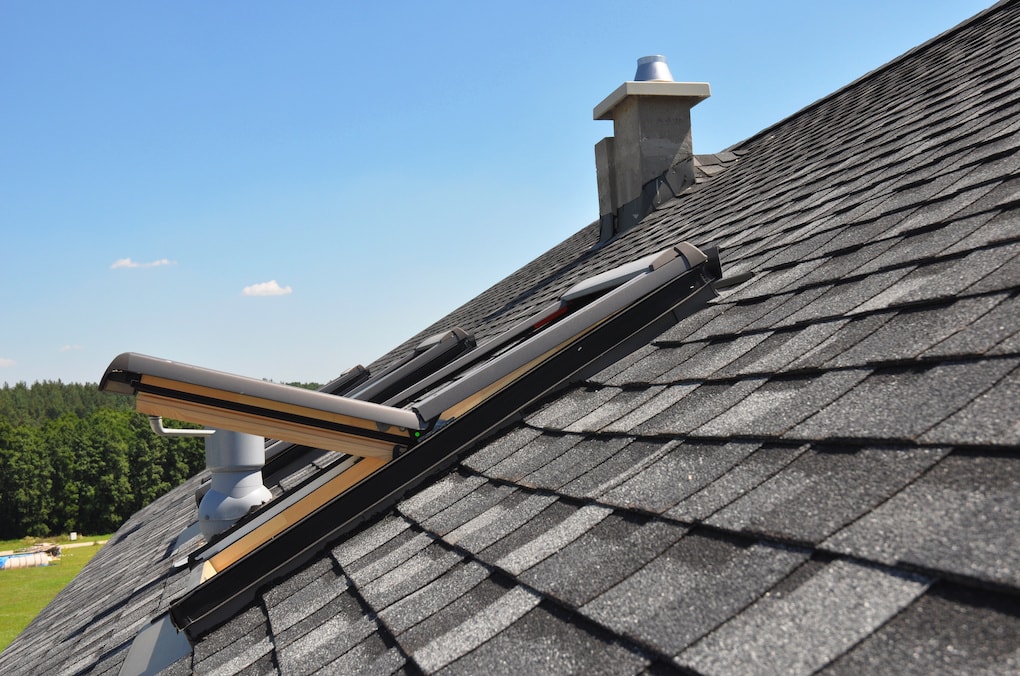
Architectural shingles are essentially an enhanced, premium version of asphalt shingles. However, just like with any other premium product, you are paying the extra price for the premium label.
Upwards of three times as expensive as standard asphalt shingles, architectural shingles have a thicker material providing extensive protection against heavy rainfall, strong winds, and flying debris.
Architectural shingles are a great choice for those looking for a customizable roofing option. Most customizable roofing materials are made of a thicker substance, making the architectural shingles a more budget-friendly option if you are looking for a specifically designed look to your roof exterior.
As with regular asphalt shingles, architectural shingles are easy to maintain and install. The extra durability means these shingles can last up to a decade longer than their standard version making them perfect for those in an area more susceptible to severe weather and extreme temperature conditions.
Pros
- Durable
- Extended lifespan
- Customizable
- Easy maintenance
Cons
- Costly
Clay Tile Roof Shingles

The unique look of clay tile roofing varies from house to house as they come in various shapes, sizes, and colors. Clay tile shingles are common in states where a dryer, desert-like climate is prominent.
Clay tile roof shingles are known for their bright, burnt-orange coloring and require minimal maintenance while offering a durable roofing option. While noted as a durable roofing option once installed, they are more fragile than traditional asphalt shingles.
This means special care is part of the installation process and transporting the clay shingles as they are more prone to chipping or shattering.
Clay tile shingles are expensive, but for good reason. If the 50 to 100-year lifespan is not reassuring enough to use clay shingles, the lifetime warranty may just seal the deal. A lifetime warranty is only available for select brands of clay tiles.
A clay tile roof can become susceptible to cracks and chips if hit by large debris. Clay tile shingles are an elevated option for a home that is not in a wooded area or does not regularly experience severe weather.
Pros
- Unique
- Extensive Warranty
- Durable
- Long lifespan
- Extensive Options
Cons
- Costly
- Fragile
Metal Roof Shingles
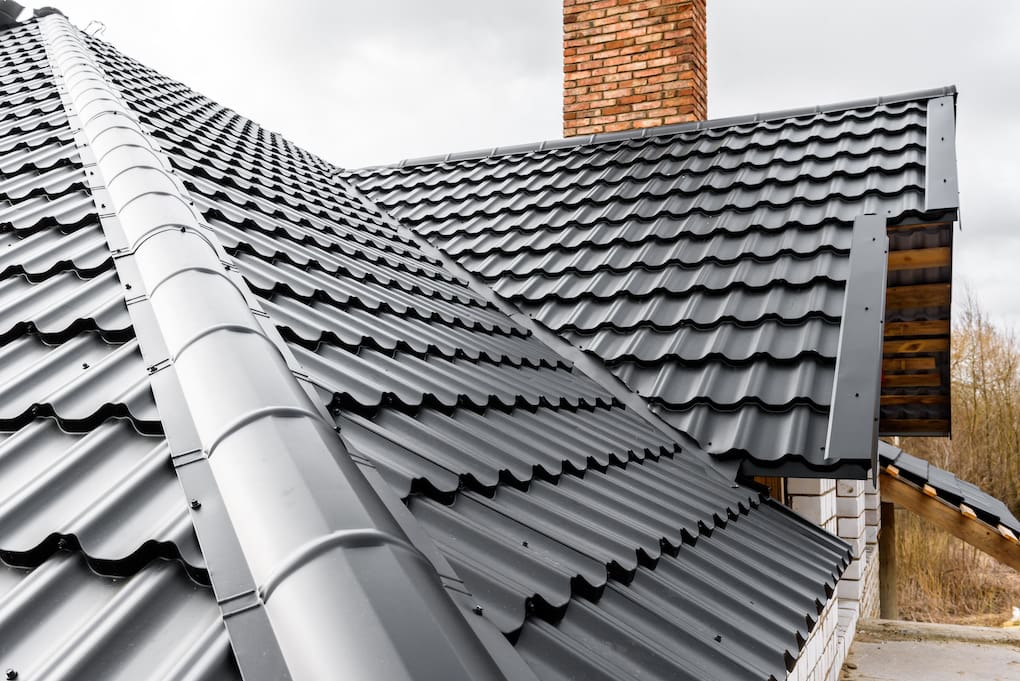
Metal roofing is known as the roof shingling option that gives homeowners the best return on their investment. Metal shingles provide a similar look to asphalt shingles but give more protection while requiring less maintenance.
The durability of metal shingles costs approximately $9 per square foot, practically doubling the standard asphalt shingle cost. However, metal shingles are known to last a lifetime with minimal maintenance.
While maintenance is minimal, the costs can add up when replacing shingles due to dents, cracks, or extreme wear. If metal shingles receive proper care, they can add tremendous value to a home as potential owners will not have to worry about complete roof replacements.
Pros
- Lasts a lifetime
- Priced for durability
- Adds value to the home
Cons
- Replacement cost
- Maintenance
Composite Shingles
Composite shingles are made of materials that have been engineered and may even contain recycled rubber and plastic. They are a more eco-friendly shingling option and come in many different shapes and sizes to better replicate wood and asphalt shingles.
Unlike asphalt shingles, composite shingles do not contain granules that often rub or wear off the shingle exposing it to harsh elements. The composite shingles are made of a single layer of engineered materials to keep them from tearing and help them withstand strong winds or severe weather.
Composite shingles come with a higher price tag than traditional asphalt shingles due to their extended durability and a 50-year lifespan.
Pros
- Durability
- Easy installation
- Lifespan
Cons
- Costly
Wood Shingles
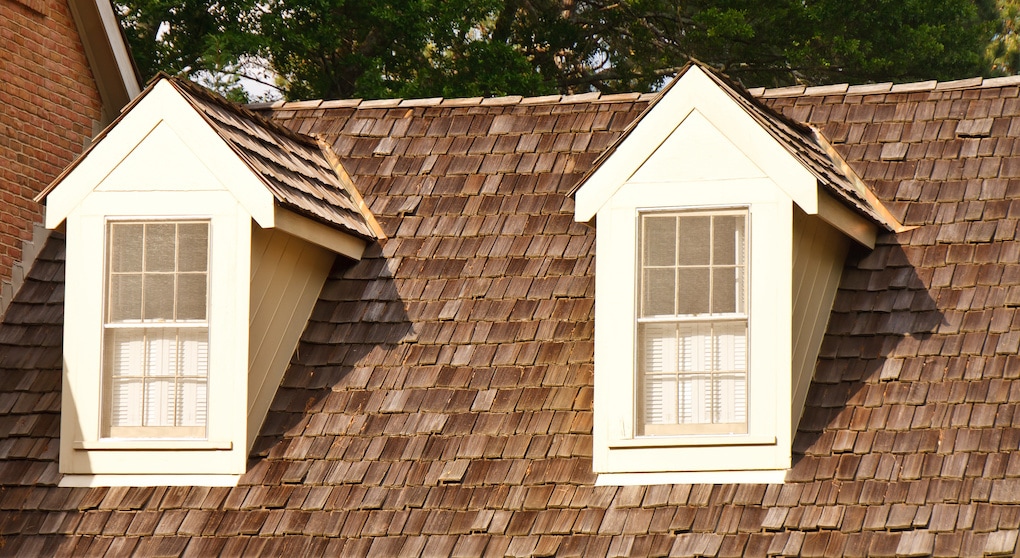
Pine and cedar are the most common type of wood used for wood shingles. The wood is cut into the desired shape and size so it can lay in an overlapping pattern necessary for shingling. Wood shingles offer a natural, elegant look that you cannot accomplish with artificial materials.
While they are natural, wood shingles are costly and require a lot of maintenance to keep them working to protect your roof from leaking or external damage.
We do not recommend wood shingles for areas prone to wildfires or regular hot temperatures. Installation of wood shingles is not recommended as a DIY project and should take place by seasoned professionals.
Wood shingles can last up to 50 years if properly maintained. One way to ensure your wood shingles last their entire lifespan is to repair damage as soon as it occurs and frequently check for debris or wear.
The average cost of wood shingles is $9-$10 per square foot; it’s vital to ensure wood shingles are appropriate for your home and to have regularly scheduled inspections.
Pros
- Elegant
- Natural
- Lifespan
Cons
- High maintenance
- Costly
- Difficult Installation
The Purpose of Durable Shingles
Shingles provide an extra layer of protection to your roof and help keep out natural elements like pests, rain, and hot or cold air.
The overlapping installation of shingles creates a sealed, watertight layer of protection that prevents condensation from seeping through your roof during rain and snowfall. They also protect against heavy winds and, depending on the type of shingle, can last a lifetime if well maintained.
Shingling can change the look of your home drastically. While a shingle’s chief purpose is to protect your roof, it can also add a unique look or feel to your home. Depending on the type of shingle you use, you can give your home a unique look that stands out or a more modern feel that blends in.
Does Your Roof Need to be Replaced?
The leading reason people have their roofs replaced is due to damage incurred by wind or falling debris such as branches. Hail and standing water also pose a threat to your roof and can cause severe damage if not treated properly and efficiently.
An aging roof may also need replacing as sun exposure, leaves, and even lichen cause damage to your roof over time. There are some instances where a roof repair will suffice; however, the general rule of thumb for roof replacements is if any more than 35% of your roof is damaged, a replacement is the best choice.
The cost is in part due to the overall cost associated with a roof repair vs. replacement. A roof replacement is typically more expensive than a repair but is more cost-effective in the long run if your roof has experienced extensive damage.
Repair is only a temporary fix and can be costly if done over a large surface area of the roof. Therefore, repairing your roof is a noble option when your roof receives severe damage because the replacement will last longer and will withstand any future severe weather.
If your roof is experiencing any of the following conditions, it may be time to consider a roof replacement:
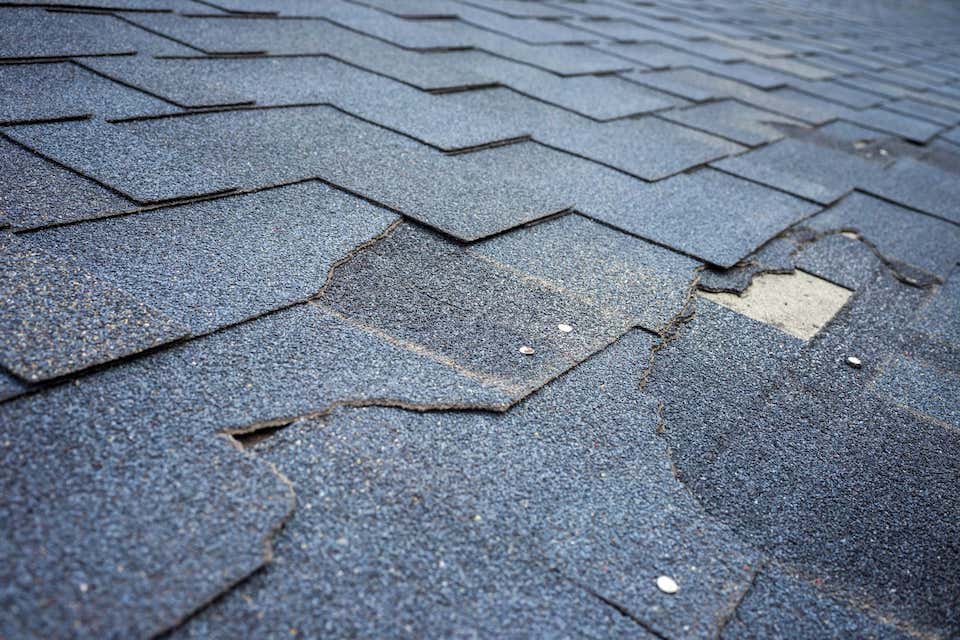
- Shingles are curling – shingles typically begin to curl with age due to the everyday wear they withstand. Curling shingles eventually result in roof leaks and even a rotting roof.
- Shingles crack or show wear – your shingles act as insulation to your home. When they become cracked or worn-down, they cannot fully protect your home from the outside heat allowing hot air to come inside. Ultimately, this leads to higher electric bills and an additional cost to your home.
- Leaks are becoming normal – keeping your home dry and insulated is the purpose of roofing shingles. If you repeatedly see leaks coming from your roof, it may be time for a roof replacement; your shingles have likely experienced damage beyond repair.
Another aspect to consider when thinking of repairing your roof is to look at your neighbors’ shingles. Most homes in housing developments are built around the same time, meaning that if your neighbors’ are getting roof replacements, it may be a sign that your home requires one as well.
Shingles are a vital part of the roofing process. Whether you are building a new home or repairing an existing one, the type of shingling selected for your roofing project will heavily depend on the climate and location of the house.
If your home is in a dry climate, you may want to steer clear of wood shingles as they are prone to catch fire. A better choice is clay shingles; they thrive in hot, dry climates and provide heat protection to your home.
In a wet climate that sees heavy rainfall, metal shingles prove a good option as the water easily rolls off the metal material. Metal shingles are also a noble option for homes in cooler climates as they attract heat and can hold it in keeping your home warmer.
If you are going for a more unique, elegant shingling option, wood shingles provide a natural look that you won’t see on every other home. Wood shingles are unique, but they do require a lot of maintenance; that maintenance will pay off with the extended lifespan it secures. If properly maintained, wood shingles can succeed in any climate but do best in colder areas.
Asphalt, architectural, and composite shingles are your more traditional shingling options and will succeed in any climate as long as they are properly maintained. These shingles are UV resistant, watertight, and have extended lifespans depending on the elements they are exposed to.
Picking the Best Type of Shingle for Your Home
Selecting the proper shingling for your home doesn’t have to be a time-consuming and stressful decision. Understanding the benefits of each shingle option and what climate they are best suited for is the first step in making that final decision. If you are having troubles selecting the type of shingle for your home, feel free to reach out to us at Secured Roofing and Restoration. We would be happy to help!
Once you find the best type of shingle for your home, now is time for a more important decision, finding the right contractor to trust with installation. Just like shingles, there are many options out there for contractors. Sure, there will always be someone out there who will do the job cheaper than another, but when it comes to quality of work, you are going to want to pick a reputable contractor you can trust. If you are looking for an experienced roofing team with workmanship guarantees, warranties, and a strong reputation built over years, give us a call at Secured Roofing. We would love to help you with any roof problems or concerns!
How To Get Roof Damage Covered By Insurance (Step-By-Step Guide)
Written by : Secured Roofing and Restorations
7 minutes read
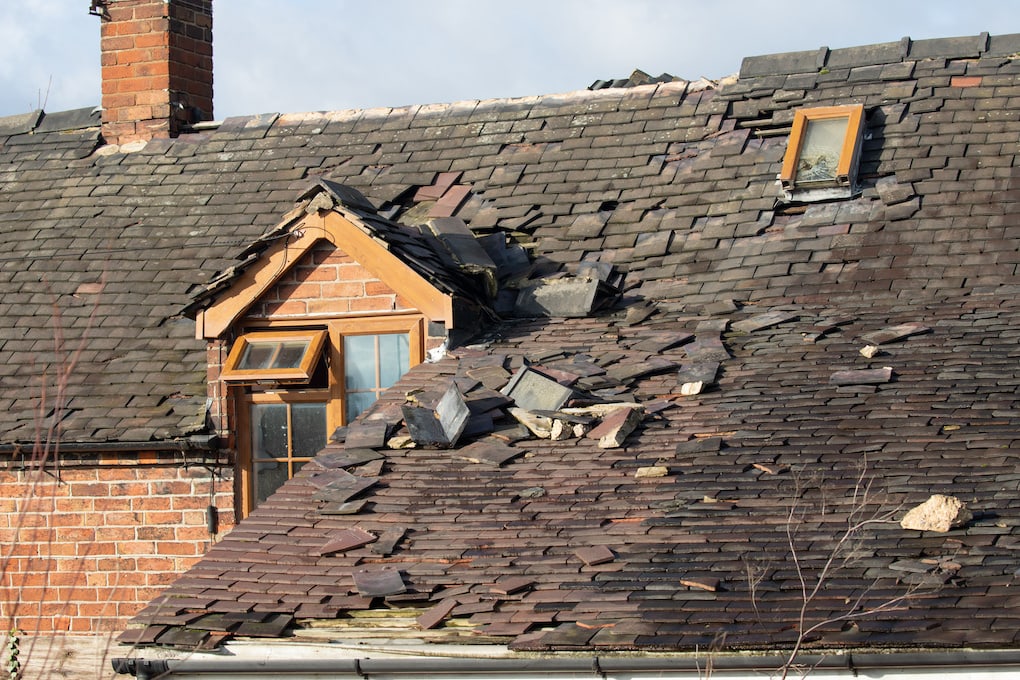
When a storm or other natural disaster damages your roof, you may be left wondering the best way to get roof damage coverage and file an insurance claim. It can be difficult to know what type of damage is covered by homeowners insurance and which types are not. This blog post will give you a step-by-step guide on how to get the coverage you need when you’re facing unexpected roof damage.
What to do if You Have Roof Damage
Roof damage can occur at any moment, in any location, and no matter what, it’s going to be a surprise you’re not ready for. However, depending on the severity of the damage, there are a few key steps you’ll want to take.
- First, make sure you and your family are safe from harm. Hurricanes and tropical storms are not uncommon where we are in Florida, and across the country, you may face tornadoes, hail, and floods, among other severe weather. So the first thing you want to do is ensure everyone is safe.
- Make sure there is no risk of more severe weather, and if so, get to safety. Then, make sure you have power and running water in the event of mass outages. This takes precedence over any roof damage. But also, if your roof is damaged enough to cause immediate leaks, you should tarp it to protect your property from any further damage from water leaks.
- Check your property and document and note any damage you can see. Some may not be completely obvious, but if you notice any missing, loose, cracked, or dented shingles, take note of that. If it is safe to do so, get on a ladder and take photos of the damage you see at first glance. And also, check your interior for signs of immediate water leaks in the attic.
- Call your local contractor and schedule an estimate for the damages. This will get the ball rolling and ensure you get your roof repaired sooner than later.
- File an insurance claim. This can be a little complicated, and it’s why we’re going over how to best get your roof damage covered by insurance, and part of that is filing your insurance claim quickly and correctly.
What Kind of Roof Damage is Covered by Insurance?
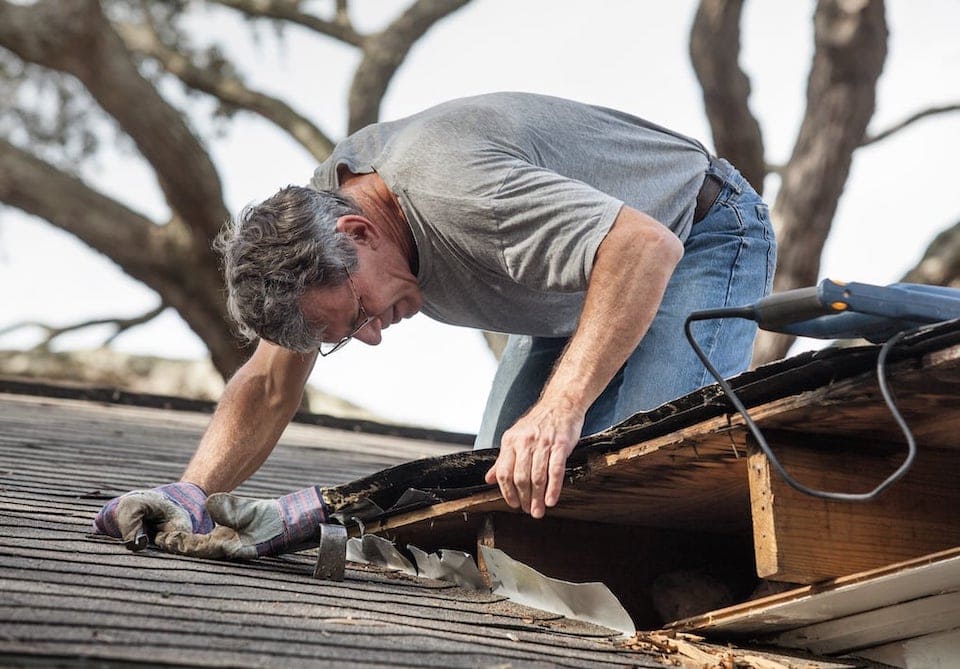
There are various sections of your homeowner’s insurance policy, and the dwelling portion includes your home’s structure and the roof. For the most part, roof damage is covered by insurance, but there are definitely stipulations. Roof damage that is covered includes:
- Sudden and accidental damage
- Damage from hail and windstorms
- Lightning strikes
- Falling debris
- Damage due to snow, ice, or sleet
- Fire or smoke damage
What Roof Damage is NOT Covered by Insurance?
Other types of roof damage aren’t immediately covered under a standard warranty but may be considered add-ons to your insurance, depending on where you live.
- Negligence and general wear and tear
- Damage due to infestation of animals or insects
- Damage caused by earthquakes or floods
- Damage due to failed DIY repairs
Tips for Filing a Roof Claim
Properly filing your insurance claim is essential to getting the coverage you need and getting repairs done in a timely manner. There are a few key steps to take when filing your roof claim to make sure everything goes smoothly.
- The first step is to call your local contractor and have them inspect the damage. They will provide you with an estimate for repairs that can be used on your insurance claim.
- Read your policy thoroughly before filing the claim, so you don’t have any surprises when you talk to your insurance provider.
- Don’t wait too long to file. The sooner you do, the better your chance of getting coverage for roof repair costs.
- If it’s a natural disaster or other severe weather events that damaged your roof, make sure you and any family living in the home are safe before doing anything else. Always take care of safety precautions before taking care of structural damages—you want to minimize water damage to your property.
- Never do any roof repairs yourself, or let family members do them without the supervision of a professional contractor. DIYing these types of fixes can cause more damage and significantly increase costs in the long run, and void some insurance coverages or warranties.
- Lastly, contact an agent with your provider if you’re not sure what type of coverage you have on your dwelling for insurance purposes. Always be sure that you are covered before filing a claim (particularly for something as important as structural damages). You want to know exactly what is being replaced, so there are no surprises down the line—that way, everything is fully documented and accounted for from start to finish.
Other Key Things to Note
There are a few other things you’ll want to know before filing a roof claim or roof repair.
Avoid Roofing Scams
Watch out for roofing repair scams. Unfortunately, there are some sketchy contractors, often referred to as “fly-by-night” contractors, who will flock to an area or state that has just had severe damage and will door knock to offer roof repairs to residents.
They may not be credited or licensed in that state and are just in town for a quick buck. These scams might pocket insurance claim money and do a cheap and poor job repairing your roof. Only hire reputable local contractors to fix your roof damage.
Higher Premiums for Premium Roofs
Some roofing materials such as wood or metal may actually cost more to insure or not get the same coverage as other, more standard roofing materials like asphalt shingles. For example, some metal roofs can dent easily from hail and thus won’t be covered under your policy. So you may need to add on that coverage.
Frequently Asked Questions
Will insurance cover a 20-year-old roof?
Most standard homeowner’s policies will cover a roof up to 20 years and anything past that that may have limited coverage. Roofs that last longer than that (slate, metal, tile) will have to rely on some warranty coverage to get complete replacements covered.
Also, total replacements based on an old roof’s wear and tear are not covered, but they could potentially cover sudden roof damage from a storm. But, again, always check your policy for details.
Will insurance cover water damage caused by a roof leak?
A standard policy would cover water damage for certain types of accidents, like if a fallen tree branch causes a roof leak. However, a leaky roof that has been ignored or poorly repaired would not be covered.
Will my premium go up after getting roof repairs?
It depends! The short answer is yes. But, certain roofing materials like a premium metal roof could actually lower insurance rates because of how long the roof lasts and how well it stands up to bad weather.
To recap, to get your roof damage covered by insurance, you should a) know the ins and outs of your policy so you can be prepared should the time come. b) add-on specific weather-related coverage like flood and hurricane insurance to your standard policy depending on the state you live in. c) call a reputable contractor to do your inspection and give you an accurate insurance estimate.
When you find yourself facing roof damage and need your roof repaired right away, call Secured Roofing and Restoration. Our expert team can help you navigate the insurance process and act fast to ensure your roof gets repaired and back in shape as soon as possible. Visit our storm damage repair page for more info!
Which Roofing Materials Withstand High Winds the Best?
Written by : Secured Roofing and Restorations
5 minutes read
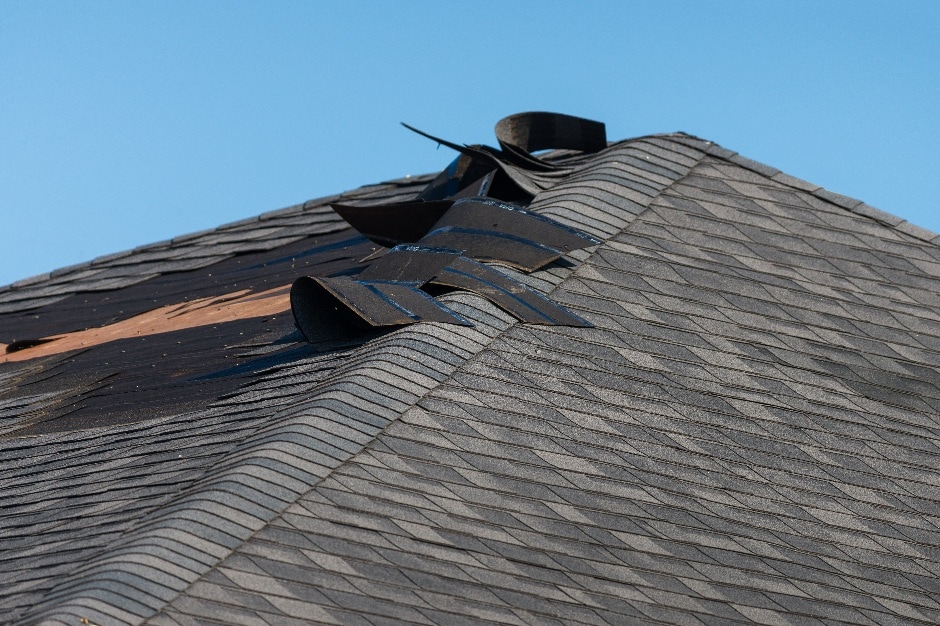
Certain areas of the United States are more susceptible to tornadoes, hurricanes, and high wind storms. Homes in these high-risk areas could benefit greatly from having a roof that is able to withstand the weather. When those high gusts of wind come and hit your roof, you don’t want to be dealing with storm damage every…single…time. Some certain brands and materials are built to withstand such weather, and we’ll lay down a list of some of the best roofing materials for high winds.
The Importance of Having Wind-Resistant Shingles
Your roof is meant to keep you and your family safe from the elements, and when you face severe weather, you want it to do its job. Wind-resistant shingles are more durable, protective, and more impact-resistant, making them impervious to severe storm damage.
Wind-resistant shingles cost a little bit more, but with nearly a quarter of all homeowners’ roof damage insurance claims being wind-related, the cost is worth it when it keeps you from having storm damage every single time.
Plus, in states where hurricanes and tornadoes are not uncommon, those winds (200+ mph) can easily lift up patio furniture, garbage cans, and other large debris that can then hit your roof, causing severe damage. But certain roofing materials are highly impact resistant and can help alleviate some of the more severe damage that can be caused during those storms aside from wind damage.
How to Choose the Best Wind-Resistant Shingles
There are different classifications by wind resistance in shingles and roofing materials that measure how well they will withstand the strong winds. Each type of roofing material is rated Class 1 through 4, with 4 being the highest wind resistance. When looking for which shingles to go with, look for those marked Class 4 or “impact-resistant.” Shingles classified at Class 4 are at the top of the food chain when it comes to hail resistance. Hail damage is one of the leading causes of roof damage, and without that added strength, you could find yourself having to get major roof repairs more often.
Shingles and other roofing materials are assigned classes based on special testing via Underwriters Laboratories. These class ratings are often paired with their UL rating, which means it’s met the UL Standard. For example, class 4 shingles will often carry the code UL2218, which is the specific Underwriters Lab’s indication for “Impact Resistance of Prepared Roof Covering Materials” Those materials have passed all of the tests and met the criteria of being impact resistant.
The Best Wind-Resistant Roofing Materials
The best wind-resistant roofing materials include asphalt, metal, slate, and wood shingles. But, not all of those shingles are naturally wind-resistant; they must be treated or designed as such.
Metal
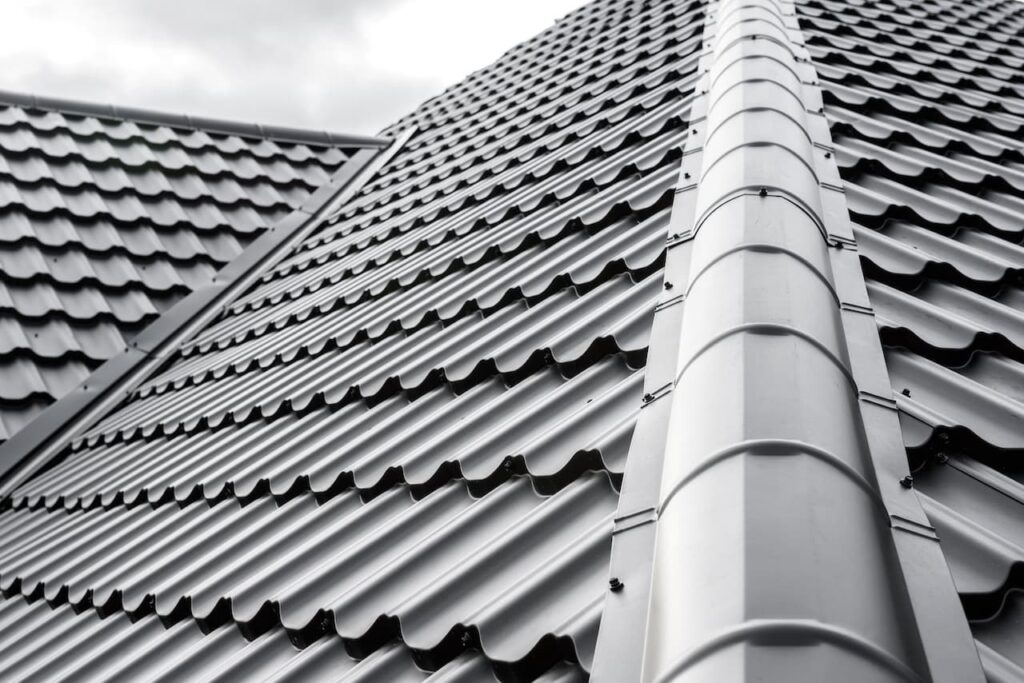
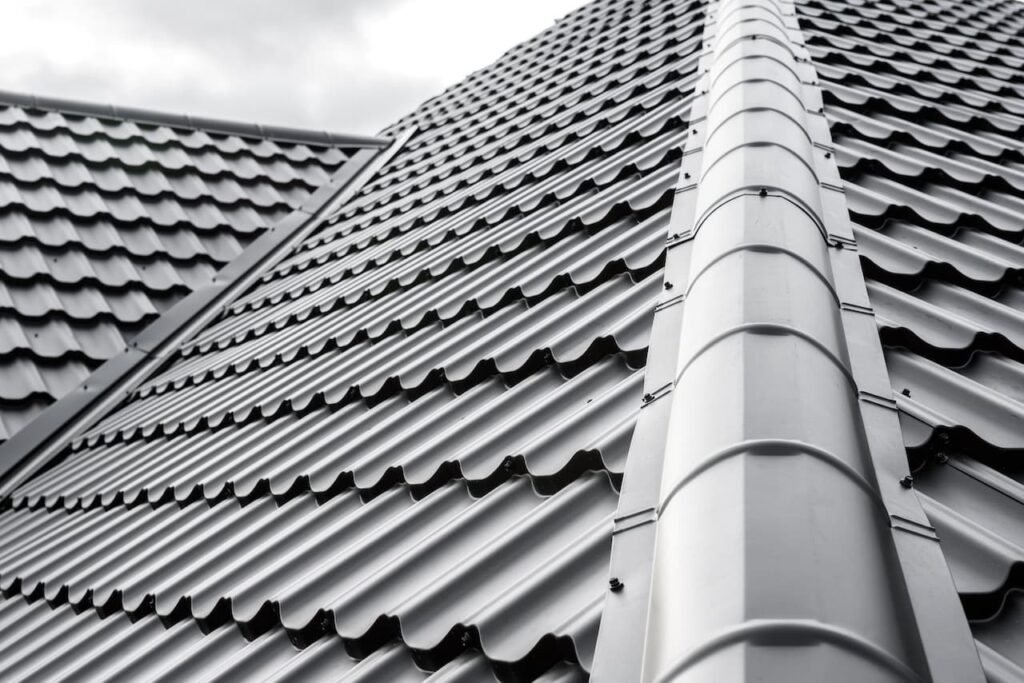
Metal provides a few unique benefits that make it one of the more resistant materials against wind and other severe weather elements. They require minimal maintenance and upkeep and are highly durable and long-lasting. Plus, metal can be installed in larger sheets or panels, making fewer seams and areas where wind can lift up the roof. Other, less durable roofing materials can be easily lifted up and bent when the wind gets up underneath them.
Tile
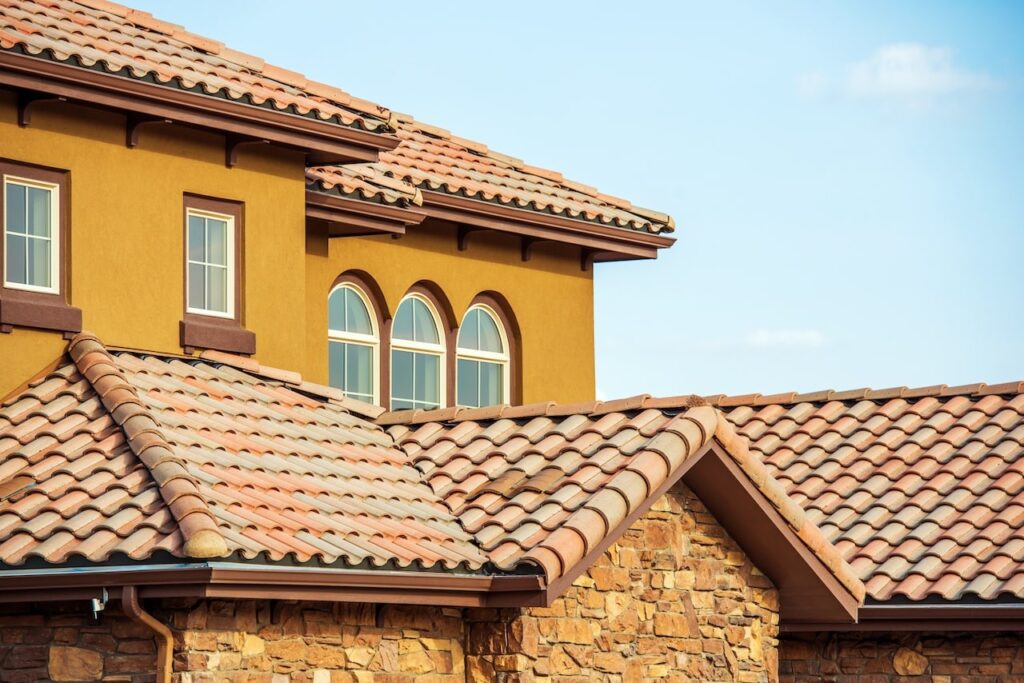
Clay and concrete tiles are incredibly resistant against high winds, strictly based on their heavyweight. Clay and concrete will also outlast most roofing materials, with a lifespan of between 50 and 100 years. However, it is important to note that debris flown onto your tile roof could still cause damage such as cracks or chips if it hits hard enough. Also, if you’re looking to make a worthwhile investment, concrete tile doesn’t last as long (50 years) but is much more durable than clay.
Slate
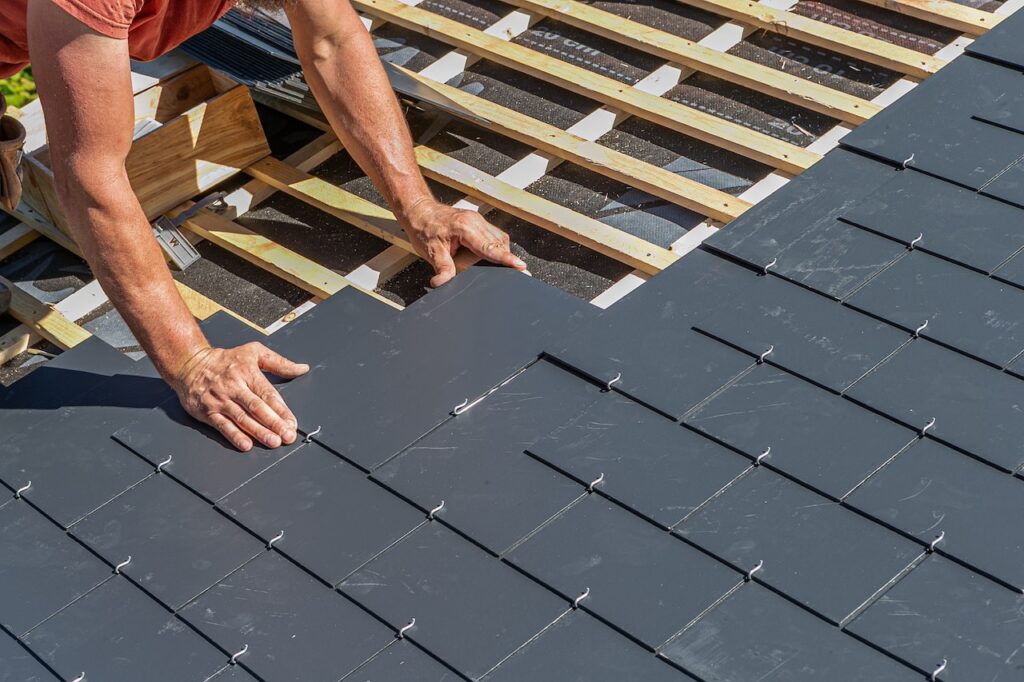
Slate comes with a very high upfront cost, but the ROI is huge. Often referred to as the ‘forever roof,’ Slate tile roofs can last 100 years or more. They are highly durable, and just like clay and concrete tiles, their extra heavyweight will prevent wind from blowing off your shingles.
Asphalt
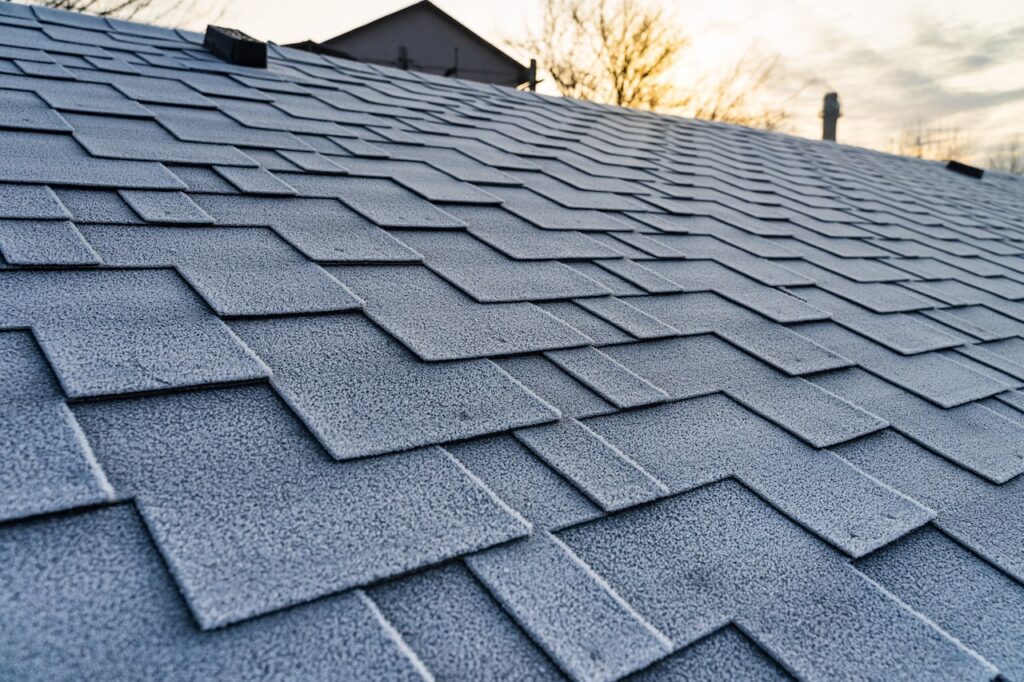
Not all asphalt shingles carry high wind resistance with them, but some are tested to the Class 4 level of resistance. The thing that makes asphalt shingles susceptible to wind damage is that their edges can be lifted, tearing off shingles, and wind-driven debris can also knock off shingles or their granules. But, a few brands have added features that make them more secure and more durable against high winds and severe weather.
Secured Roofing’s preferred shingle for high winds is the Tamko Titan XT Premium Architectural Shingles. Tamko has innovated these shingles to be faster to install, have a stronger seal, protect against winds up to 160mph, and added weather protection layering.
What sets the Heritage Proline Titan XL shingles above the rest is their patented Anchorlock™ technology. The Anchorlock™ layers reinforce the shingles and provide added protection and security against strong winds trying to pry the shingles up. In addition, the poly-fiber fabric adds an anchor that the nails embed into, making a much tighter seal and holds the nails in.
Severe storms can come at a moment’s notice, and if you’re not prepared, you could be facing massive repairs or even a total roof replacement. When you find yourself needing roof repairs, always call a professional right away. Secured Roofing & Restoration is here for all of your roofing repair needs and can make the best recommendation for you to get your roof in better shape than before and prevent further damage in the future.
Do You Have A Hail Damaged Roof? – Here is What To Do Next
Written by : Secured Roofing and Restorations
8 minutes read
10 Questions to Ask Your Roofing Contractor
Written by : Secured Roofing and Restorations
8 minutes read

Your roof is one of the most significant investments you can make in your home, and it must be handled with care. This is why you want to find a reputable contractor to get the job done. But finding a contractor you can trust can be difficult as you read through hundreds of reviews and testimonials online.
When you finally narrow down your selection, there are a few critical questions to ask your roofer before you vet them for the job. We’ve come up with a few really good questions to ask before you officially hire a roofing contractor to work on your home. These will help you get someone who is professional, highly qualified, and won’t scam you.
10 Questions to Ask Your Roofer
1 – How Long Have You Been in Business?
The length of time a business has been open can be a huge indicator of its professionalism and ability to do good work. Even if a business is new (less than 5 years), it doesn’t mean they’re not good, but many things can happen in those first 5 years that are learning experiences for a new business. They are still building their team, getting processes down, and are only 5 years into some of their warranties. A long-standing contractor can have a full handle on those things plus have built quite a repertoire with recurring local customers.
Contractors that have been open for decades and have maintained a steady business—often a family-owned business—have worked out all the kinks and have sustained a reputable business for that long. That is a great sign that they trustworthy, cost-effective, and highly trained, and professional individuals.
2 – Do You Use Subcontractors?
Sometimes smaller groups of contractors might have a business name and even a location, but they subcontract out a lot of work to save money. However, you are vetting the company and aren’t able to know who or how they will subcontract workers for your roofing project. Subcontractors may not have gone through the same extensive training and licensing that the everyday team has.
Even when they utilize the same resource for subcontractors, they’re still using a different team every time. And one thing that subcontractors don’t have is the camaraderie with the contracting team, the same licenses or training as them, among other things they just won’t have coming from outside the business.

3 – Are You Licensed and Insured?
Contractors who don’t maintain licensing or current insurance should definitely not be someone you hire to work on your home. They should be able to quickly and easily show you their licensure and current insurance, as well as posting it at their office and in their trucks. Keep in mind that states may have different requirements for licenses and insurance for contractors, so check with your local guidelines and laws for the exact necessary information.
When you contact a contractor for work, ask them why types of licenses they have and what sort of building codes they may need to acquire before working on your home. You can also check on those licenses for legitimacy with your local government offices to be sure.
4 – Can I See a Project Gallery of Things You’ve Done?
Some contractors willingly share pictures of past projects they’ve done and beautiful before and afters, which can ultimately persuade a customer one way or another. Plus, before and afters can show you not only the quality of work they’ve done but the scope of work they can do.
Maybe they only focus on asphalt shingle roofs, but when they do, it’s flawless execution. Or maybe other contractors can do a dozen different roofing material installations that can broaden your horizon when deciding which material to go with. Plus, you love to see a business proudly displaying the work they’ve done and being excited about sharing those successes.
5 – How Long Will The Project Take?
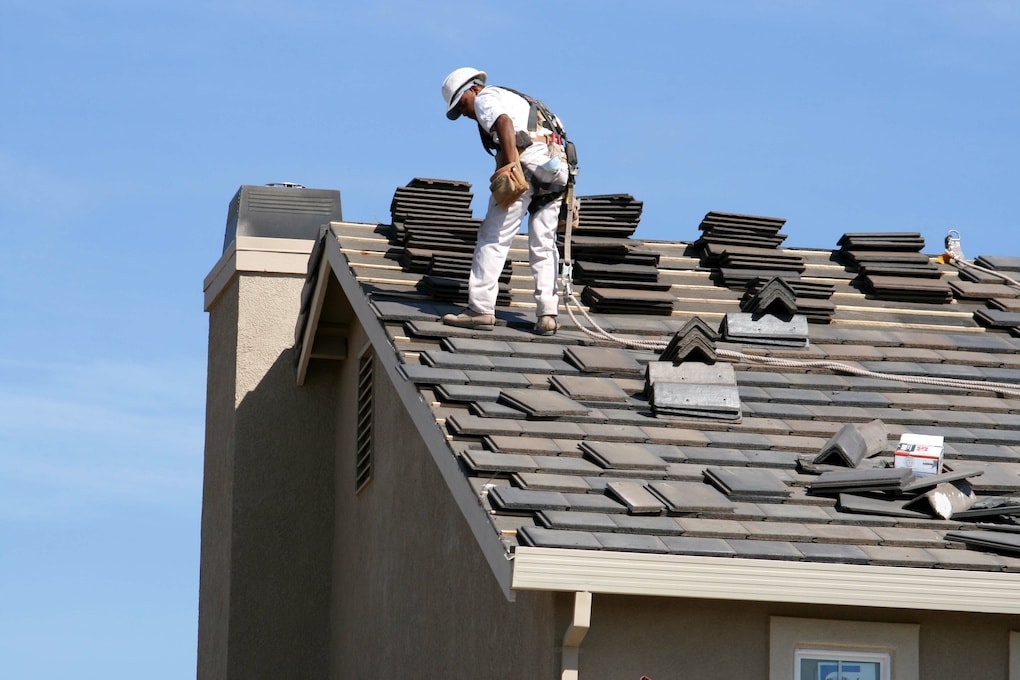
If you’re on a strict timeline, going with a contractor that can’t promise a quick turnaround time can be a major deal-breaker for many homeowners. For the most part, contractors should be able to install a new roof within a day and maybe an additional day for the removal of the old roof. It can also be challenging to hire a contractor booked out for months on end. If a contractor can’t give you a solid timeline of how long it might take, they might be super organized, and you should tread lightly.
6 – What Warranties Do You Offer, If Any?
Material warranties come from the manufacturer and aren’t exactly decided by the contractor; however, they choose which brands they work with. If they choose brands with poor warranties, you may want to choose someone with a few better options. But workmanship warranties will come from the contractors themselves.
If a contractor can proudly stand by their work and offer a multi-year workmanship warranty, that’s someone to hire. A good pairing of a material and workmanship warranty for 10+ years or especially a lifetime warranty is what you should look for if you want to rest assured knowing anything that happens to your roof will be covered for years to come.
7 – What Areas Do You Service?
Choosing a local contractor should be an important aspect of their services. These questions can help weed through any out-of-state or fly-by-night contractors who will say they service all over the state, but it may mean they travel a long way, and that can put a big bind in your roofing project.
When a contractor can focus on a specific area, they really get to know the houses, landscapes, and the people. That makes them even better contractors and can help ensure they never have too far to go if something happened with materials or team members.
8 – How Do You Keep Your Team Safe on the Job?
One of the main questions to ask your roofer is how do they take care of their team’s safety? A contractor who cares about their team’s safety cares about the work. The last thing you want to happen is an on-the-job accident to happen while they work on your roof and be left with insurance claims or a stall in your project. Ensure the team you hire uses the proper safety precautions and equipment to make sure everyone can quickly and safely get the job done.
9 – How Do You Handle Material Disposal?
Contractors will have to use a dumpster to collect and dispose of all of your roofing materials as they tear off the old and replace it with the new. But there requires delicate care and tending to make sure that nothing gets left behind and nothing scratches your siding or any other parts of your home. You also want to ensure they will haul it away quickly and efficiently. And the last thing you want is a yard full of nails, so ask if your contractors use a magnetic roller to pick up every last nail to keep you and your kids (and your vehicle) safe from any loose nails left behind.
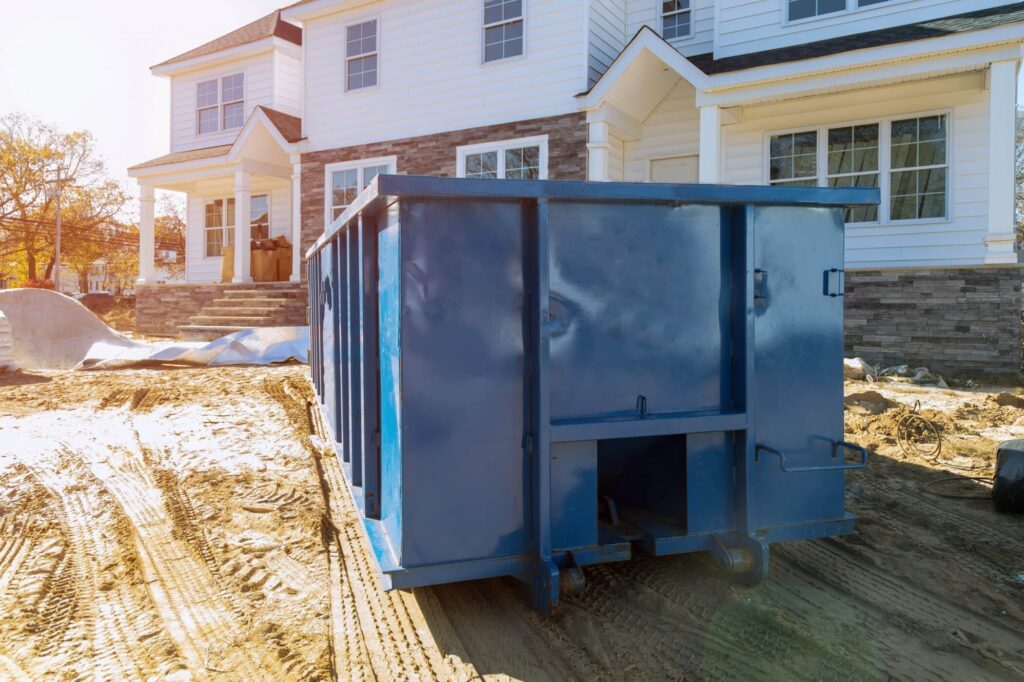
10 – Will You Protect My Landscaping?
In addition to keeping your house and yard free of debris, if you have any landscaping and bushes on the side of your house: without the proper coverage and protection, they can easily get flattened by falling debris from the roof. Tarps and scaffolding can help create vital coverage for your landscaping and plants around your house. Ensure they will be safe and secure when you get your new roof installed.
Some other things to consider when you hire a contractor include:
- Watch out for contractors who ask for large down payment upfront.
- Will they offer recommendations for replacing gutters, skylights, or other roof fixtures as you work on my roof?
- What is included in the contract?
- How many people will be in your crew?
- What happens when unforeseen weather happens?
- Will you work with my insurance company if I file a claim?
- Do you have a single project manager who will be our point of contact?
- Do you utilize any 3D design tools so we can work through different roofing colors and materials?
Overall, if you stick to these questions and listen to your gut, you can avoid any scammers and end up with a fantastic, trustworthy roofing contractor in the end. For a reputable contractor to take care of your next roofing repair or replacement, consider Secured Roofing & Restoration. We can walk you through every step of planning and executing your new roof to give you the home you deserve.
8 Of The Best Roofing Materials Trusted by Professionals (Roofing Materials Guide)
Written by : Secured Roofing and Restorations
8 minutes read
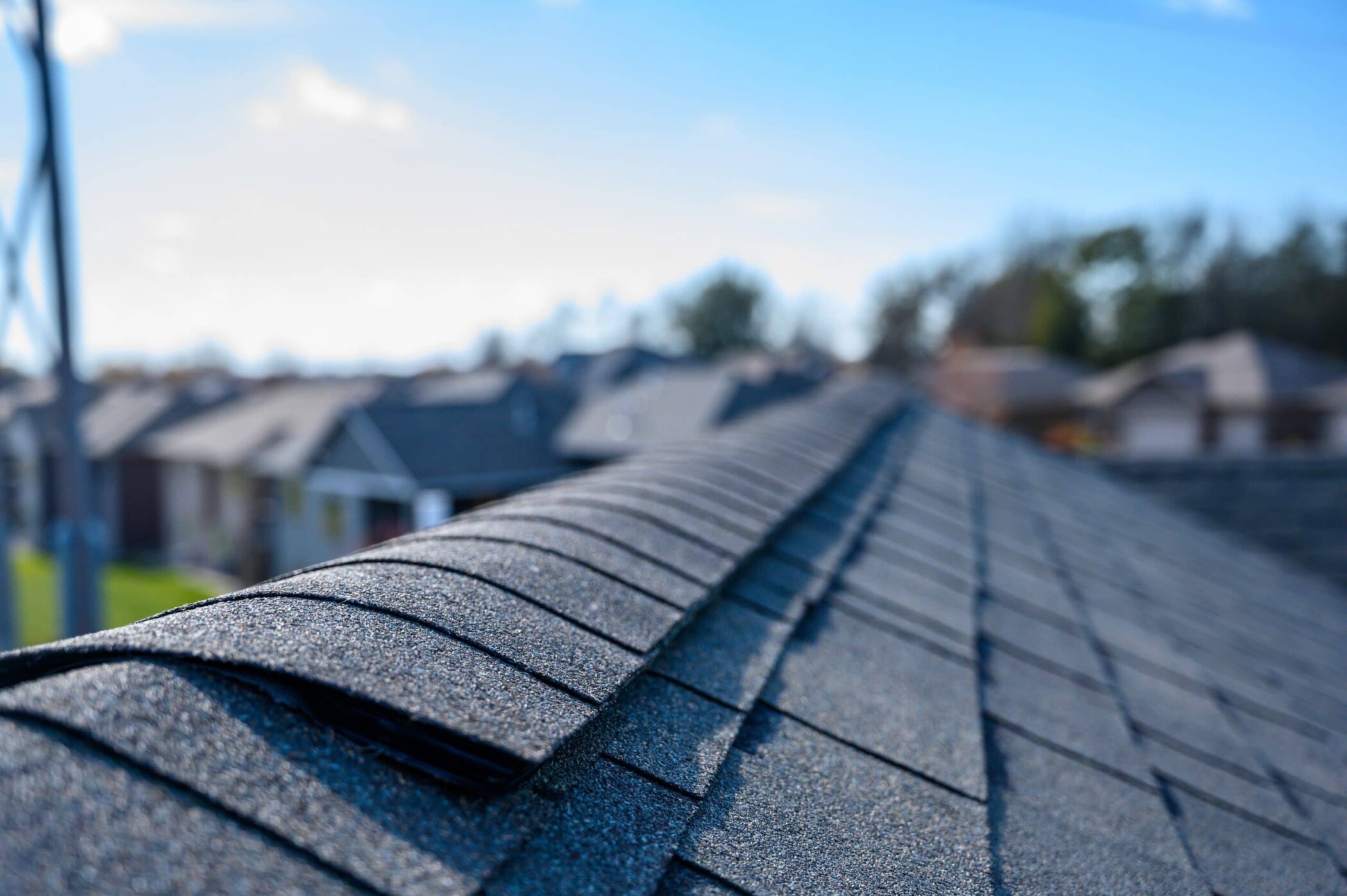
Choosing the right roofing material for your home can be a daunting task. There are dozens of different styles and types of roofs to choose from, plus the varying costs and complexities of installing. So we’ve put together a list of some of the best and most trusted roofing materials from an expert’s opinion. We will go over the different lifespans and the pros and cons of each to help you choose the absolute best option for your investment.
Asphalt Shingles
Asphalt shingles are probably the #1 most commonly used roofing material in America. Drive down any street, and you’ll see dozens of homes with these simple but durable and attractive shingles. Asphalt shingles are made of organic materials like cellulose fibers and inorganic materials like glass fibers. They come in an endless array of colors and can match just about any look you’re going for. Benefits include:
- Lightweight material
- Strong and durable
- High fire rating
- Energy-efficient
- Easy to install
- Great warranties
The life span of asphalt shingles is anywhere from 15-30 years, depending on the type of asphalt shingle installed. The two most basic forms are 3-tab and dimensional shingles, dimensional lasting longer by at least 5 years. Asphalt roofs are also one of the most affordable, which explains why they’re most common. They will run about $2 to $5 per square foot, depending on the manufacturer. They are easy to maintain, and if you ever need a repair, it won’t cost an arm and a leg to get the job done.
Asphalt Roll
An asphalt roll roof is made of the same materials as asphalt shingles but comes in rolled sheets. This type of roofing material is very DIY-friendly and only recommended for low-pitch roofs like sheds, garages, and porches. It’s not recommended to roof your average high-pitch roof with this type of material. It has a short lifespan (5 to 10 years) but is a great option for the DIY homeowner who wants to have a simple-to-install roof to protect their small backyard shed or lean-to. At around $2/sq. Ft., an asphalt roll roof can get the job done for a fraction of the cost.
BUR (Built-Up Roofing)
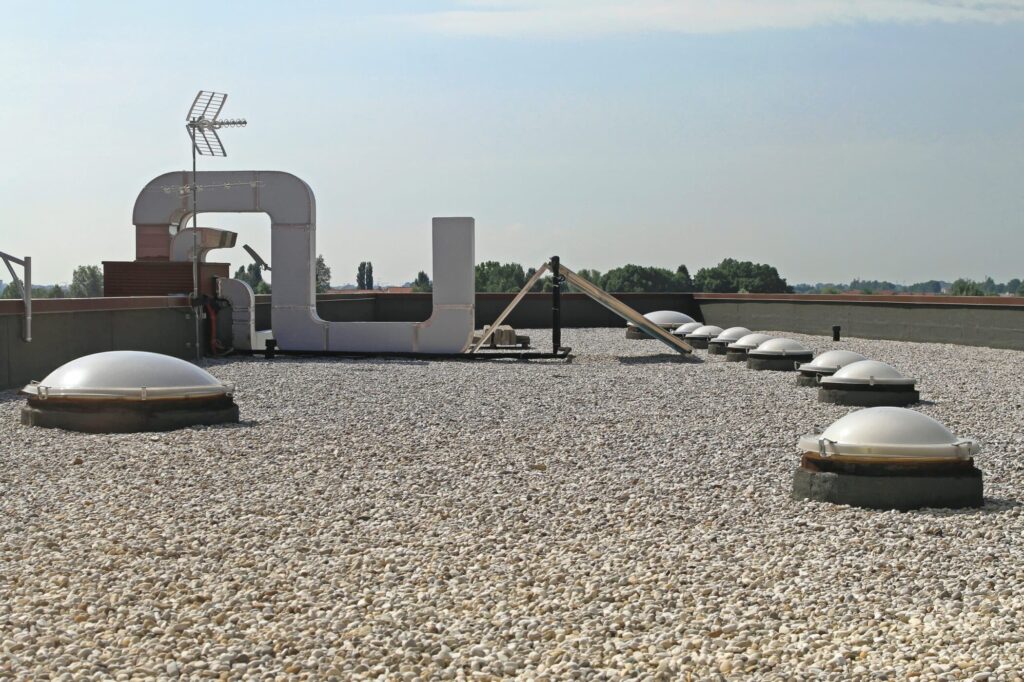
Another flat roof type of material is BUR or Built-Up Roofing. BUR roofs are comprised of alternating layers of felt, fiberglass, hot tar, and other waterproof materials. It is exclusively used on flat or very low-pitch roofs and is quite inexpensive to install. It’s a good-to option for many commercial properties with a flat roof and wants a nice waterproof roof option. Thanks to the hot tar, it is quite a smelly process to install but can be done quickly and easily.
The lifespan of BUR is around 20 to 30 years but can last even longer with the proper maintenance. Maintaining this type of flat roof includes regular cleaning to ensure no debris sits on the roof and compromises its integrity, and also regular inspections to make sure it’s in good shape. One of the biggest benefits of this type of roofing material is its fire resistance, making it ideal for places like apartment buildings to keep people safe. BURs cost around $4 per square foot on average, making it an easy investment for many commercial properties.
Wood Shingles
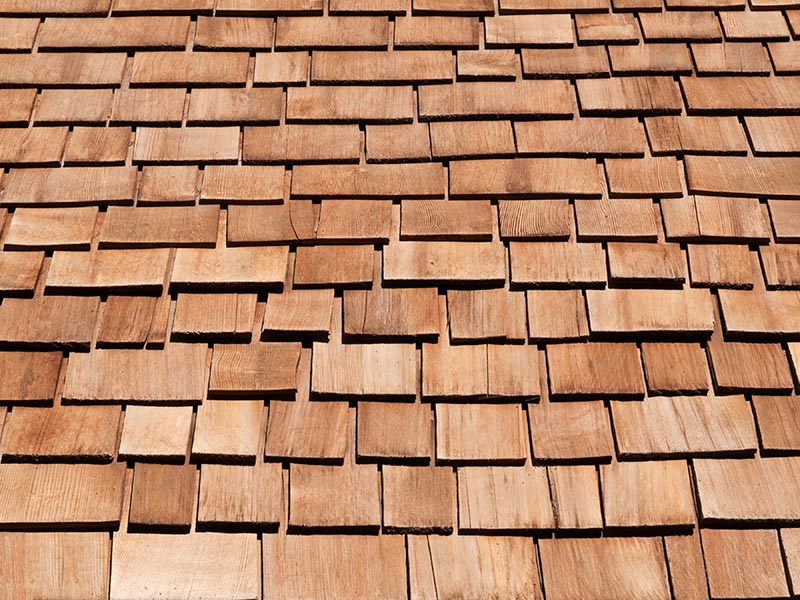
Wood shingles are made from wood such as pine or cedar that have been cut into wedges so they can easily overlap and lay on the roof in even rows. They are truly one of the more beautiful types of roofing materials but are also expensive, high-maintenance, and cumbersome to install. They are definitely not DIY-friendly and are not recommended for areas that experience seasonal wildfires.
However, wood shingles can last 25, 35, or even 50 years if they are well maintained and cared for. Keeping them free of debris, moss and replacing damage as soon as it occurs can save your wood shingles and make them last for as long as you own your home. They cost on average $9-$10 per square foot, so if you’re going to invest, make sure it’s the appropriate material for your area, and if so, you should be in great shape.
Wood Shakes
On the other hand, Wood shakes are the better option for wood if you’re going that route. They are thicker and more durable and made of beautiful cedar that will age gracefully. It’s also commonly treated to be resistant to insects, pests, weather, and the sun’s rays. These are even more costly than the wood shingles at around $13/sq. Ft. but the benefits of a long lifespan and boosting your curb appeal with minimal maintenance can be critical to your investment in your home.
Standing-Seam Metal
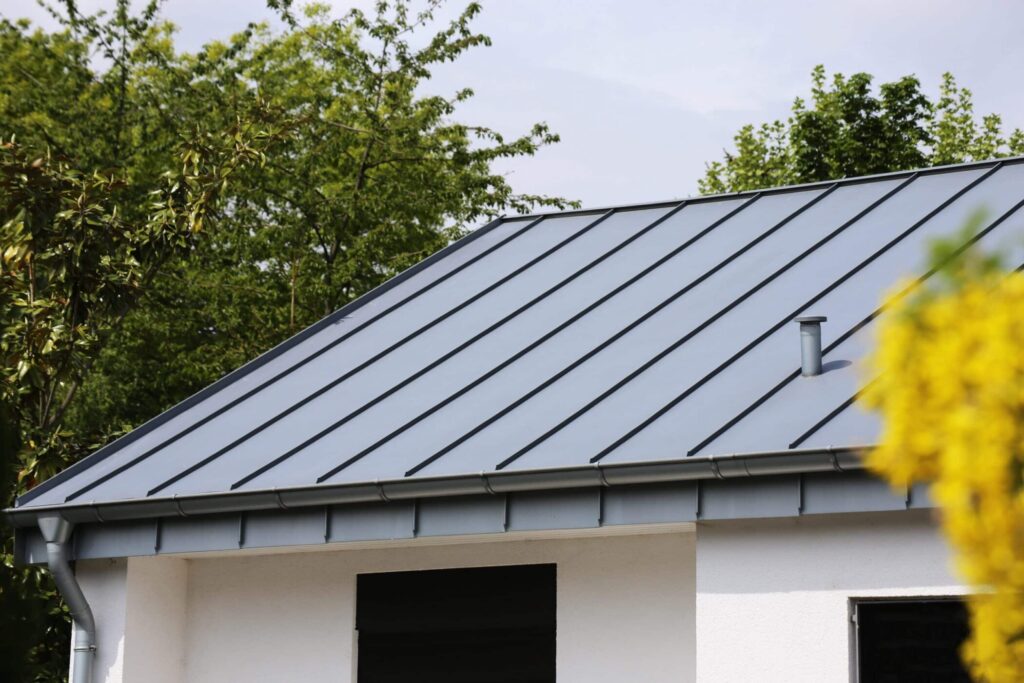
Metal roofs continue to grow in popularity as homeowners learn of metal’s immense benefits and as they shift into more residential-friendly styles and colors. A standing-seam metal roof comprises large metal sheets or panels that lay perpendicular to your roof’s edge and seem to overlap with edges, making for a nice sleek look on your roof. They definitely require some expertise when it comes to installation, but if you’re going to go with a complex roof, metal is a great option.
The cost of standing-seam metal roofs varies greatly depending on the type of metal used. For example, steel or aluminum panels will cost between $9 and $11 per sq. ft. on average. Zinc will cost between $12-$14 per sq. ft., and copper is the most costly at around $18 per sq. ft. on average. However, the lifespan of these roofs can last 50+ years, saving you tons of money in the long run because chances are you will only replace your metal roof once.
Metal Shingles
For a more modern look, metal shingles have become the go-to option for metal roofing instead of the standing-seam look. It’s amazing the work done to manufacture metal shingles that can look like regular shingles, but with the incredible benefits of metal roofing. In general, metal roofs are going to give homeowners one of the biggest returns on investment, especially if you are looking to sell in the future. The benefit of having a metal roof on your home means never having to face a re-roofing project for as long as you own the home, most likely. Metal shingles will have a lower upfront cost than the standing seam at around $9 per square feet and will go with more styles of homes than the standing-seam metal panels might. Definitely worth the cost!
Clay
Traditionally, clay tiles will be made of terracotta and found predominantly in the Southwest region of the United States, where the weather is dry and warm. There are also ceramic and concrete clay tile roofs that share similar durability and lifespan as terracotta. Clay tiles lay in an overlapping pattern creating a beautiful, unique look that is super strong and durable. They are also very heavy and require a home’s structure to withstand the roof’s weight, especially on larger homes.
A clay tile roof can last up to 100 years! And the one thing that can really degrade your clay roof is if a tile gets cracked or falls off. If you can manage to keep it safe from large debris and keep from walking on it, you should be in good shape. At around $10 to $20+ per square foot, clay tiles are one of the most costly roofing materials, but the payback is huge. If you know your roof will last 100+ years, that ROI is incredible and can offer up quite the value to your home when the time comes to sell.
Slate
And last but not least, slate: a.k.a. the forever roof. Slate gets the name “forever roof” because it can last practically forever. With a lifespan of 100+ years, slate roofs have been one of the oldest forms of roofing material used across the world. Thanks to its natural properties of stone that make it very strong and impervious to weathering, it’s the choice if you’re looking for longevity as well as beauty. The one downfall is its incredibly high cost. Slate roofs can cost as much as $80 per square foot, but rightfully so. They are very heavy and require an expert installation team to get the job done. But when it is complete, it will never have to be re-done.
These are just a few of the many options of roofing materials out there for homeowners. But these 8 types have proven time and time again to be durable, stable, long-lasting, and provide homeowners with a roof they can be proud of and get the most out of their investment. After all, the roof of your home is one of its’ greatest attributes and is what protects you and your family from the elements—it should be the biggest investment you make. If you’re ready to get started on your roof repair or replacement, Contact Secured Roofing and Restoration to get the job done right.
Most Popular Roof Styles in 2023 For Your New Home
Written by : Secured Roofing and Restorations
8 minutes read
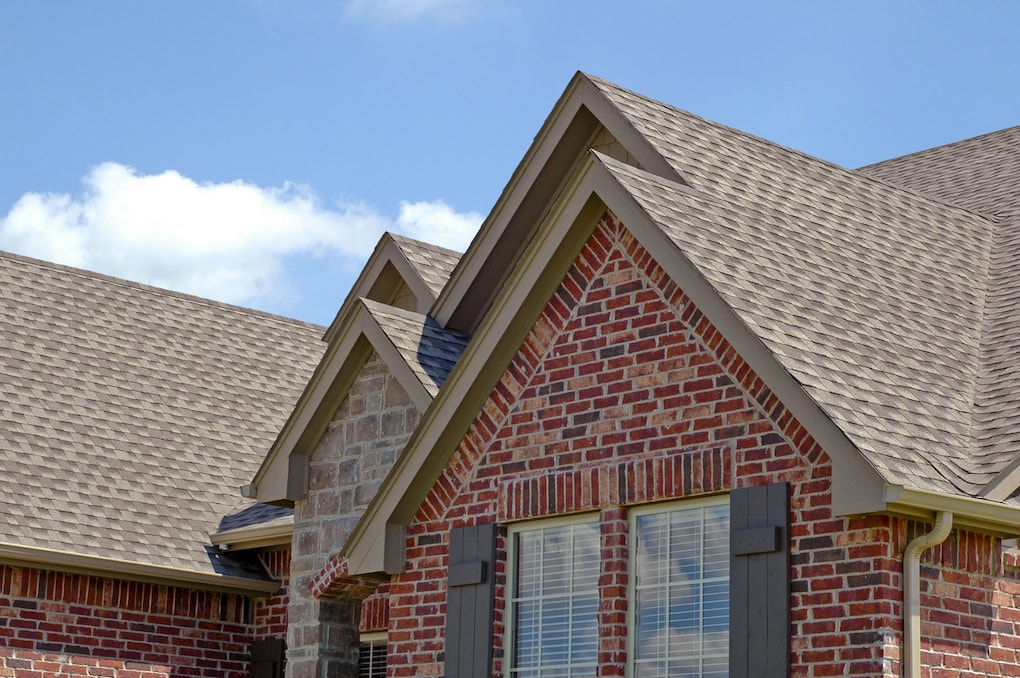
Looking for the most popular roof styles?
Whether you’re building a new home or putting on an addition, you have an opportunity to pick from many different roof styles to both enhance the style of your home and get you the best protection against severe weather. Believe it or not, there are dozens of different roof styles to choose from that vary in height, style, pitch, shape, and more. We will go through some of the most popular roof types to help you determine which is the best for you and your new home, plus the benefits of each.
Gable Roof
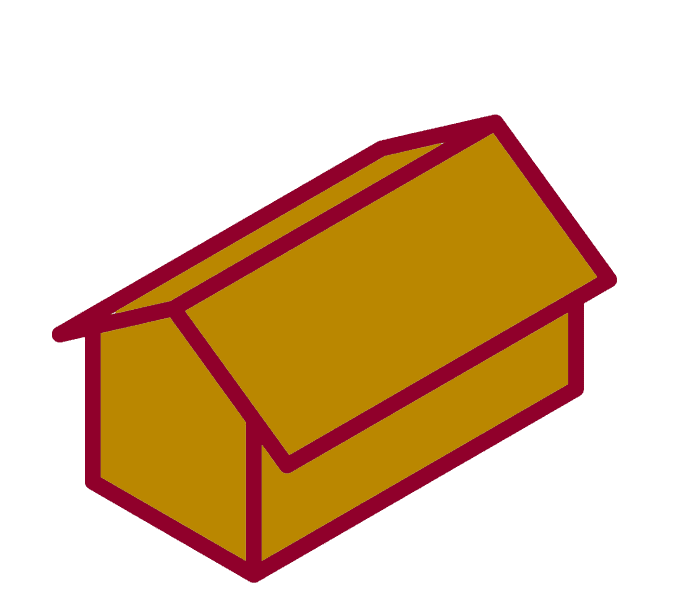
Let’s start with probably the most popular type of roof: the gable roof. When you imagine a house in your mind, it’s probably the first thing you think of. It’s a square home with two slopes pitching in the middle to create a perfect triangle roof. A gable roof is just that; two slopes, one on each side, coming together on the top peak with their ends open. It’s like a tented roof, simple to install and maintain, and works with just about any home style.
Benefits of a Gable Roof:
- Great for shedding water and snow.
- There are no valleys or other spots susceptible to water leaks.
- Make way for plenty of attic space on an upper level.
- Well-ventilated.
- Easy to install and repair.
Downfalls of a Gable Roof:
- Prone to wind damage (wind can easily lift of the edges)
- At risk of collapsing if improperly installed
Clipped Gable

There are many variations of the gable roof, with clipped being one of the most common. A clipped gable, also called a jerkinhead or hipped gable roof, has a small edge at the peak of the point where the two slopes come together. It’s a tiny detail that can drastically change both the look and the function of your home. The small clip on the front of your home can showcase your beautiful shingles and also make just enough shade to put a window up near the point of your roof in an attic or upper floor bedroom. They are most commonly seen on craftsman or bungalow-style homes.
Benefits of a Clipped Gable Roof:
- Visually pleasing
- Showcase your home’s shingles.
- Shade upper floor windows.
- Reduce wind force.
Downfalls of a Clipped Gable Roof:
- Increases cost compared to gable roof due to more complex design
- Minimal headspace on the upper level
Dutch Gable
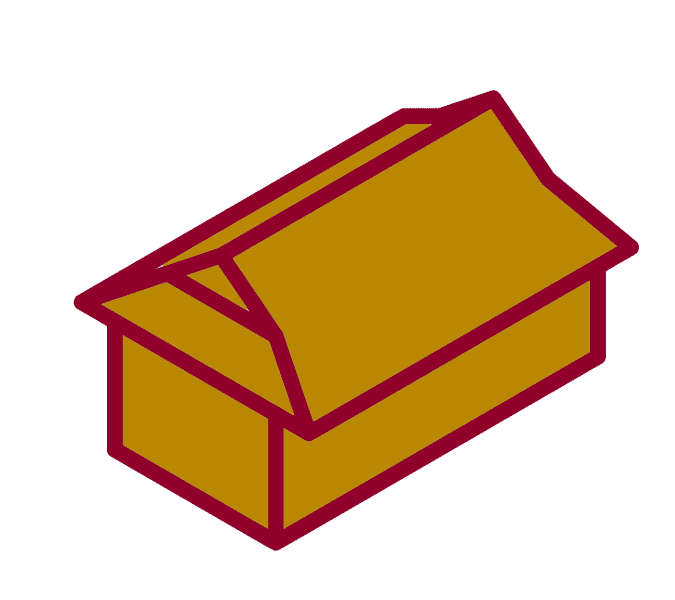
Yet another style of the gable roof is the dutch gable. A Dutch gable roof is a combination of a hip roof and a gable roof. It has the hipped surface on the front of the home, but with a tiny gable or “gablet” up top that creates a small space with enough room for a window or small balcony near the roof’s peak. It’s perfect for those homes utilizing their upper floor attic space for a bedroom or living space because it allows for more natural light to enter.
Benefits of a Dutch Gable Roof:
- Allows more natural light, which can help with heating in the winter
- A more unique look from a traditional gable roof
- Works with any type of roofing material
Downfalls of a Dutch Gable Roof:
- Multiple pitches make for a complex installation
- Requires extra details to prevent water leaks at the joints
- Asphalt shingles can wear quickly using this design (metal is ideal)
Flat
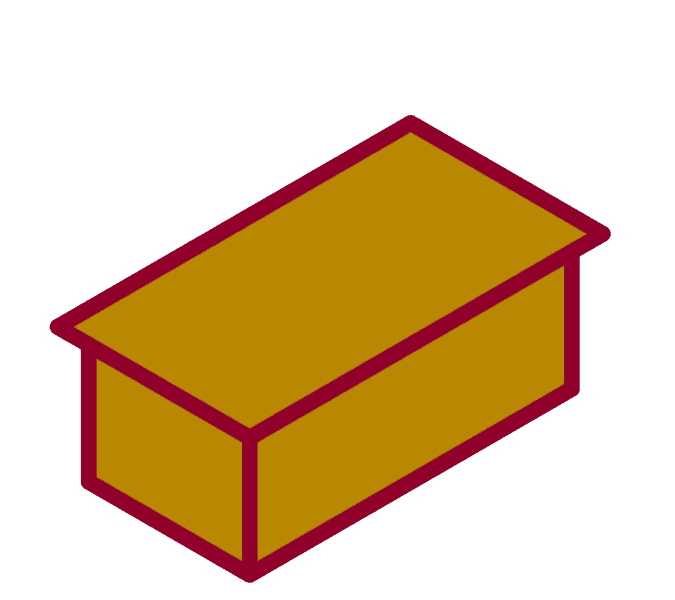
A flat roof is more commonly seen used on commercial properties, but the occasional residential may also benefit from utilizing a flat roof. Homes with a multi-level design or an attached garage could utilize a flat roof in any number of ways. Flat roofs have a very slight slope to allow for rainwater run-off but are essentially flat enough to be able to walk on. Flat roofs can be made of many different materials, from rubber to BUR (built-up roofing), asphalt rolls, and even gardens that make for a completely sustainable roof option. One downfall is they can be susceptible to leaks if they are poorly installed, leading to standing water eventually breaking through the roof.
Benefits of a Flat Roof:
- Great use of space: can be converted to an outdoor living space or make room for an additional level to be built on.
- Fast and easy to install.
- Makes room for solar panels or a sustainable garden: very eco-friendly.
- No issues with drainage.
Downfalls of a Flat Roof:
- Higher likelihood of pooling water
- Can wear quickly without proper installation and maintenance
- Garden flat roofs can lead to invasive plant species causing issues with the building if not careful
Gambrel
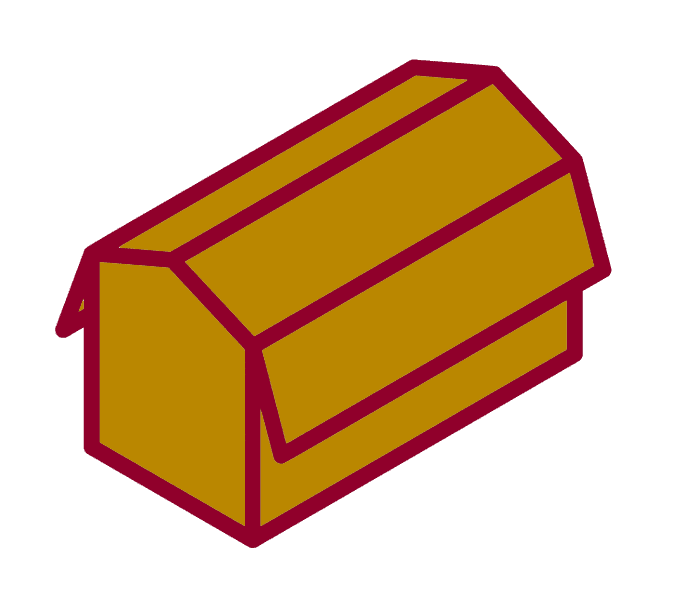
A gambrel roof is basically what you’ll find on a classic red barn. It has two sides with two slopes each for four slopes from the bottom to the top peak of the roof. It makes a shape kind of like half of a stop sign with the four sides, not all of the equal lengths. This design allows plenty of space to have an upper-level attic living space with more than enough room on each end of the home to put large windows. There is also a much larger surface area to place shingles, so homeowners should heavily consider how they want the shingles to look and function when deciding to build a gambrel-style roof.
Benefits of a Gambrel Roof:
- Tons of space for an attic, storage space, or living area
- Needs few materials to build
- Excellent drainage and water-shedding
- Has space to add additional windows for natural light
- It has a beautiful historical look to it
Downfalls of a Gambrel Roof:
- Poor resistance to accumulating snow and ice
- It can be challenging to customize and repair
- Highly susceptible to wind damage
Hip

A hip roof has four sides of equal size that all come to a point in the center of the roof. It’s kind of like a pyramid shape but with four sides. This roof style will make your roof shingles or whatever material you use highly visible, so if you want to showcase that, choose wisely when picking colors and textures for your new roof. Hip roofs are very common in 70’s style ramblers and single-story homes and have a very mid-century modern look.
Benefits of a Hip Roof:
- The four equal sides at a low-slope make it one of the most sturdy roof styles of them all.
- Can withstand very high winds.
- Perfect for areas that get a lot of snow.
Downfalls of a Hip Roof:
- More costly than other roof types
- More complex to install and maintain
- Can lead to poor ventilation
- Creates less room in the attic
Mansard

Mansard roofs come from classic french architecture of the 1700s and can be found frequently in Europe, but have also made their way to America as a very unique style of roof. It has a four-sided design with four low-slope sides at the point and four high slopes on each side. Again, this roof style is ideal for those wanting to utilize a large attic floor. However, a benefit to the mansard design allows for the ideal place to input dormer windows from the roof.
Benefits of a Mansard Roof:
- Significantly more attic space than other roof types
- It makes it easy to expand on a home/living space
- Ideal opportunity for dormer windows
- Can work on most building styles
Downfalls of a Mansard Roof:
- Might require special permits to install
- Poor water resistance
- Complicated to install and repair
- High installation and repair costs
Shed
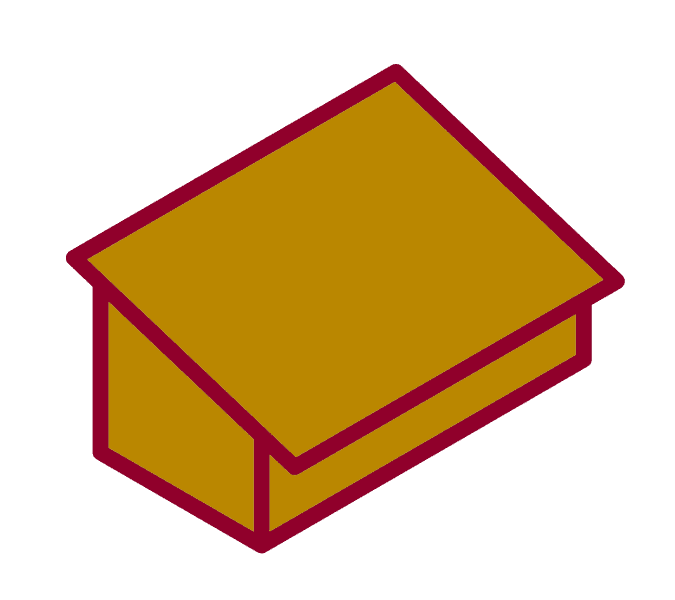
A shed roof is like having just half of a gable roof. It’s similar to a lean-to as it is just a one-sided slope on the building. This roof style is prevalent on sheds, porches, and side additions to homes but has become increasingly popular as an ultra-modern design for new builds. This roof style opens up endless possibilities for unique design such as large ascending windows, exposed beams on the interior, and including more than one shed roof on different portions of the home.
Benefits of a Shed Roof:
- Affordable
- It takes fewer materials to build than any other type of roof
- Great for modern design
- No risk of standing or pooling water
- It can easily shed heavy snowmelt
- Perfect for installing skylights
- Provides unique design opportunities
Downfalls of a Shed Roof:
- You must install box gutters to handle the increased load of rain
- It doesn’t work with just any type of home
- It won’t work well for large homes
Picking the Best Roof Style for Your Home
These are just a few of the most common roof types to choose from. As you can see, they are definitely not a one-size-fits-all, and as amazing as the benefits are, they each come with their fair share of downfalls as well.
Hopefully that this list can help any prospective home builders or homeowners looking for a refresh get a good idea of how they can modernize and improve on their home with a new roof in addition to new roofing materials. If you’re interested in re-roofing with us, contact us today! We would love to work with you to get you the roof of your dreams.
8 Roof Maintenance Tips: To Save You Time & Money
Written by : Secured Roofing and Restorations
6 minutes read

Failing to maintain your roof will cost your time and money in the long run!
Many homeowners don’t realize that your roof needs more maintenance than just cleaning out the gutters. Taking good care of your roof can help it reach its intended lifespan and beyond. You can DIY many things to ensure your roof is in tip-top shape for years to come. Minor repairs can save you in the long run by preventing having to get a much more expensive roof replacement sooner than later. Here are some roof maintenance tips to ensure your home’s biggest investment is taken care of.
8 Valuable Roof Maintenance Tips
Wash Your Roof
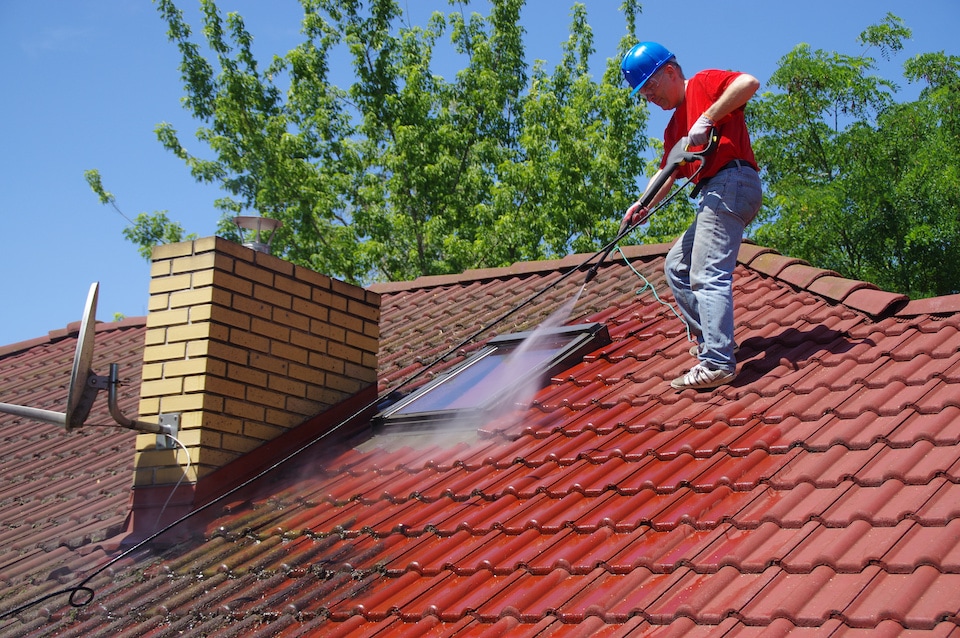
Your roof can get quite dirty over time, and this can be shown by dark streaks that seem to drip down from the peak down the shingles. This discoloration is a sign of algae growth. Damp shingles after heavy rains can lead to algae and mold growth on your shingles. To remedy this, you can wash your roof with a soft-wash mixture that includes gentle soaps that both rinse the roof off and cleans, and prevents future algae growth. Do not pressure wash your roof, as this can spray water up under your shingles or soffits, causing even worse water damage and mold growth.
Do a Visual Inspection of the Roof
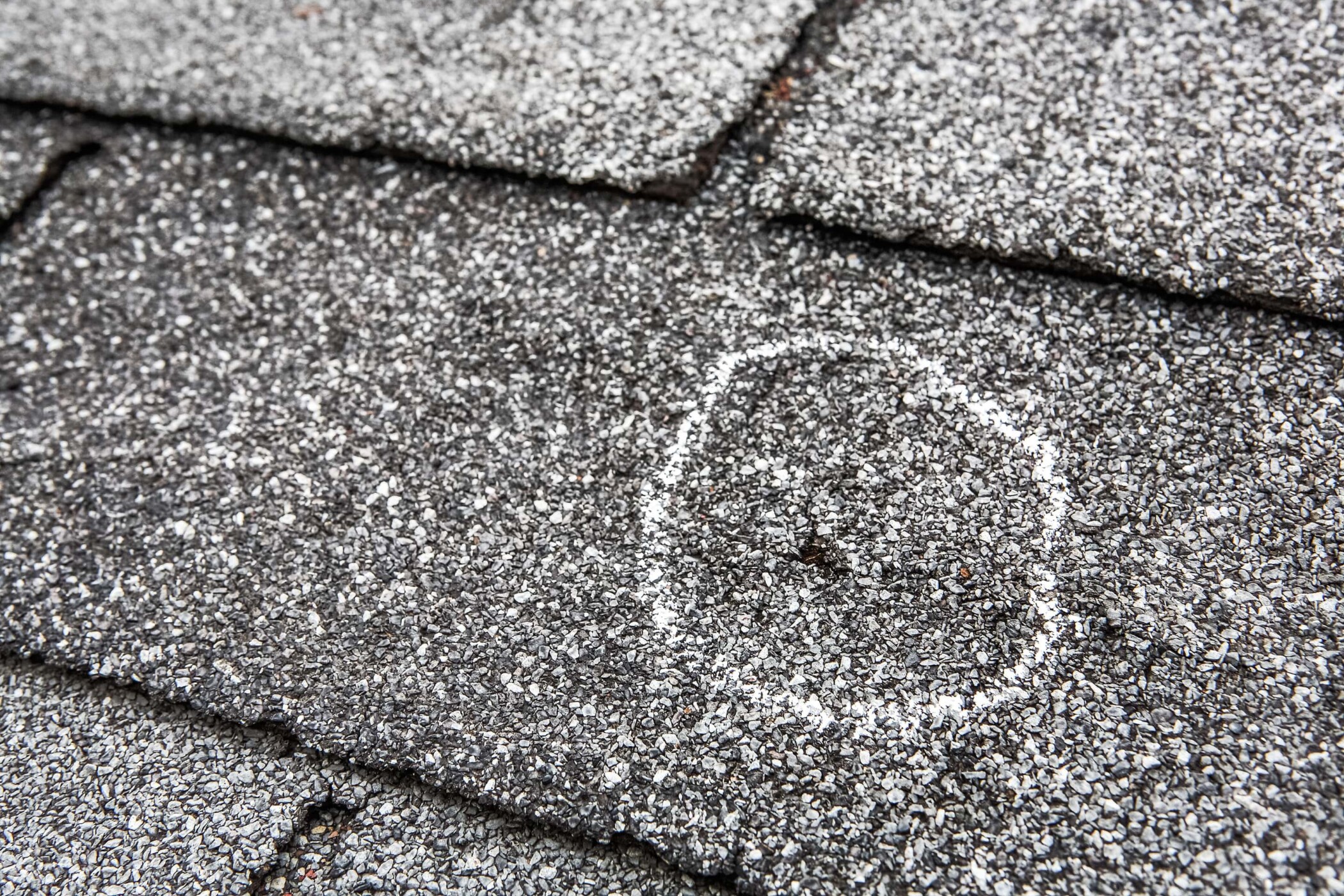
Whenever you do spring cleaning and get your home’s landscaping in shape after the winter months can be the perfect time to do an annual visual inspection of your roof. If you can see your roof from the ground, you should be able to take a glance and look for obvious signs of wear and tear or damage. Loose shingles, cracked shingles, dark spots (a sign of hail damage), and failing flashing can be seen without getting up on the roof to look. You should be able to see pretty quickly whether or not your roof shingles are in good shape and everything is in order. If you notice anything suspicious, give your local roofer a call to get an inspection.
Get Professional Roof Inspections
To expand on calling a professional, if you ever notice damage to your roof that you believe is needing immediate repair, call a pro roofer right away. Even small damage like one cracked shingle can lead to water damage and model growth in your attic. The longer you put off repairs, the worse damage can get. So if you really want to ensure your roof stays in good condition, regular inspections every 3-5 years can be essential to maintaining your roof.
Clean Out the Gutters
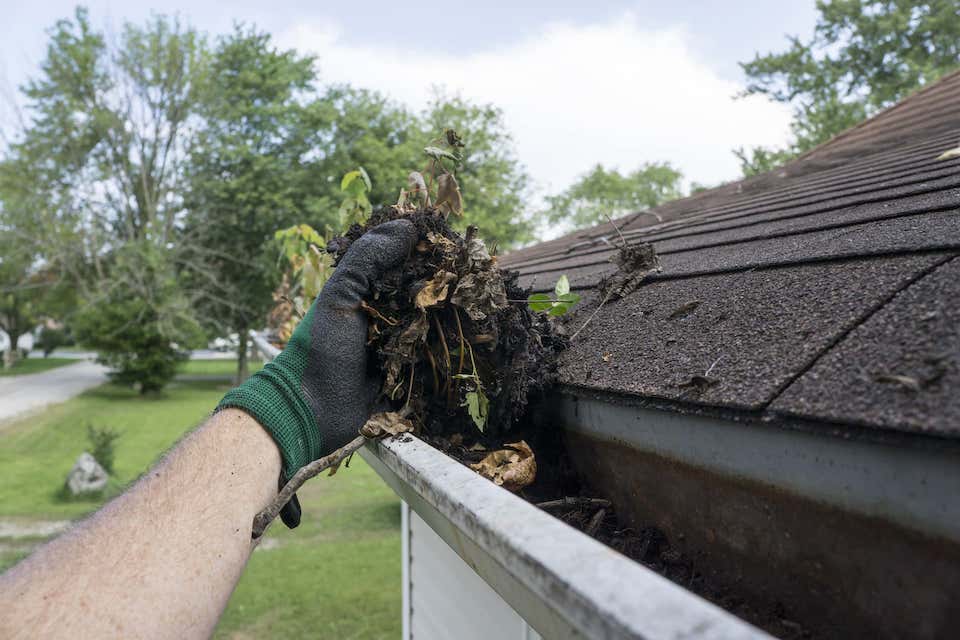
Your gutters are critical to ensuring your roof stays clean, dry, and free of debris. Your gutters and downspouts are part of the entire system that keeps your home nice and insulated, and safe from the elements. Clogged gutters mean no rainwater is running off. This can result in sitting water or ice dams that seep in under your shingles and into the attic. The damage this can cause can be astronomical and lead to very costly repairs or even a full roof replacement. So clean out those gutters! And investing in gutter guards can be a huge help in keeping your gutters free of debris.
Trim Overhanging Trees
If you find yourself having issues with clogged gutters, try trimming the large trees near your home. Even if a tree doesn’t hang exactly over your home, the leaves and seeds from that tree continue to blow onto your roof and clog your gutters.
Plus, long branches can be a massive risk for high winds and intense storms. If they break off, they can immediately damage your roof to the point of needing a full replacement. Trimming trees is much more affordable than having to repair a broken roof from that large branch falling. Plus, less debris equals less gutter cleaning, and we can all agree to that.
Check for Leaks in the Attic
If you can easily access your attic, that can be a great place to check for leaks without having to get up on the roof. Your attic can quickly reveal any signs of leaks and water damage. Look for discoloration or dark spots on the attic floor. Insulation can also look deflated, wet, or even moldy if it’s been getting dripped on from a roof leak. You may even be able to smell a musty scent that can indicate a lot of moisture has been sitting up in your attic.
It’s key to note that a musty, moisture-riddled attic can also mean your roof is just poorly ventilated, and moisture cannot escape. This can also lead to water damage and costly repairs, so ensuring your roof and attic are well-ventilated is imperative to this prevention.

Ensure Proper Insulation & Ventilation
Your roof is intended to keep your home safe from the elements but also regulate its temperature. A roof that is properly insulated and ventilated will ensure your home stays warm in the winter and cool in the summer. Heat can escape through your roof if it is poorly installed or damaged. And if roof vents are clogged or cracked, their ventilation can be very poor, leading to that moisture collection and heat/cool escape when you need it most.
Adding or replacing vents for more effective ventilation is always a good consideration if you are experiencing high levels of moisture in your attic. Another consideration would be adding insulation which can help solve this. If you are unsure of the levels of moisture of your attic, an annual inspection will catch any poor insulation, cracked vents, or damaged flashing up on the roof.
Patch Your Chimney
If you have one, your chimney is one of the most susceptible to leaks and heat escape in your home. Plus, any cracked mortar or loose bricks on the outside of your home can actually fall and end up damaging your shingles. Not to mention, the flashing surrounding your chimney to keep it leak-proof can crack easily, and that water can seep down the sides right into your attic or interior walls. If you notice any missing bricks, cracked mortar, or even a lop-sided chimney, call a professional immediately.
Keeping Up with Roof Maintenance
Homeowners can follow these tips to make sure their roof is well-maintained and can last a long time. It’s vital to do these regular checks so you can avoid replacing your roof early. Of course, we don’t expect you to always be responsible for keeping your roof in perfect condition, but that’s where we come in. From roof repair to roof inspections, Secured Roofing & Restoration is here for all of your roofing needs. Contact us today, and we can inspect your roof to ensure it’s doing its job.
How Long Does it Take to Replace a Roof? (2023 Guide)
Written by : Secured Roofing and Restorations
6 minutes read
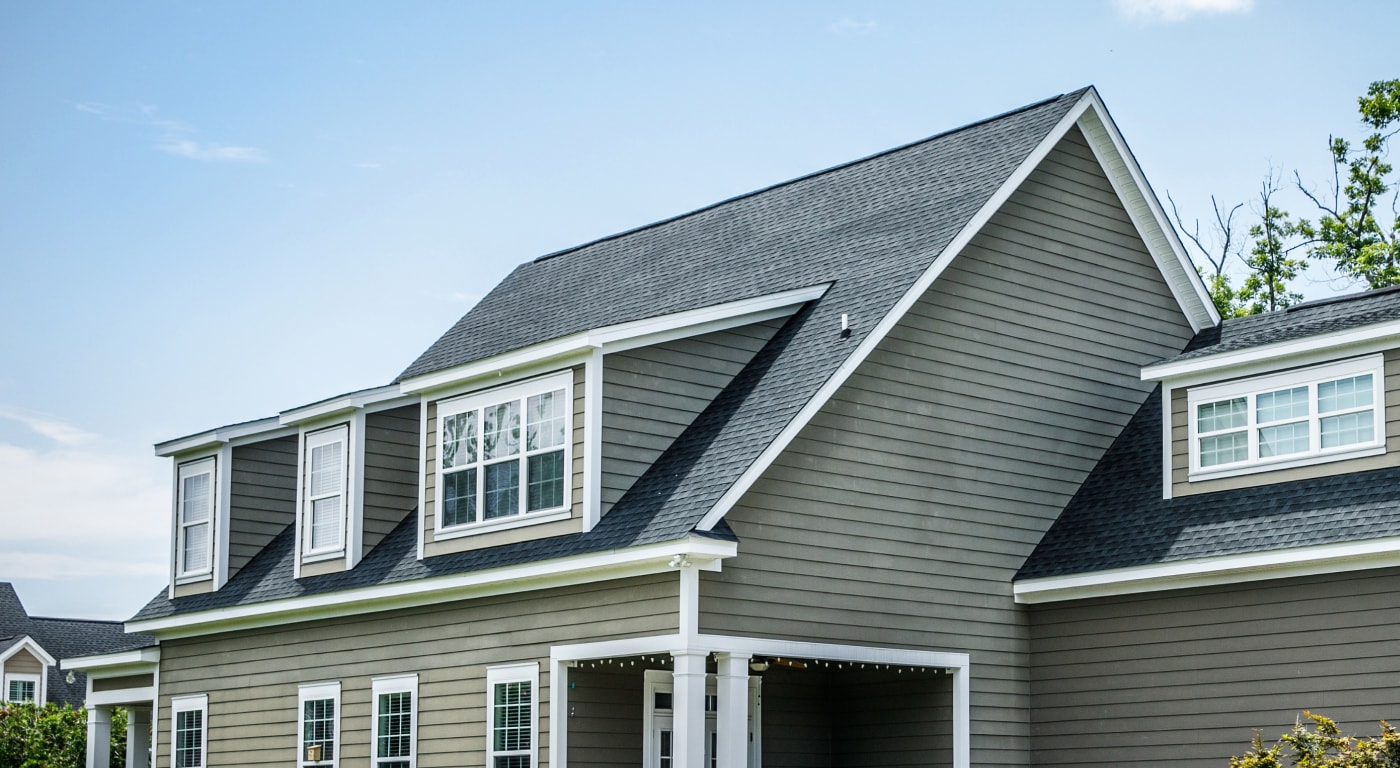
A common question homeowners always ask when they reach out to get a new roof is, “How long does it take to replace a roof?”
And the short answer is usually within one to a few days for simple removal and replacement. In truth, many factors come into play when determining how long it will take to replace the roof. Size, material, weather, and the complexity of the install can all affect the timeline. And when the time comes to get a new roof, you want it done well and done fast. So let’s dive in and find out just how long it takes to replace a roof.
How Long Does it Take to Replace a Roof? (Determining Factors)
The average home has a 2,000-3,000 square foot roof and, in general, will be able to be replaced in a day, or up to 5 days for more complex cases. Here are some factors that can lengthen that timeline.
The Time of Year
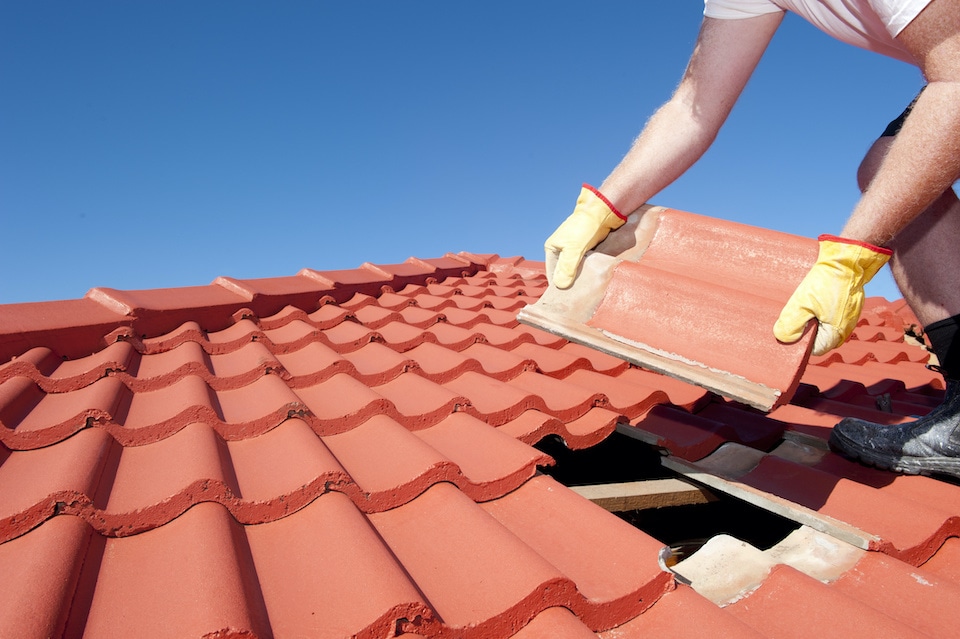
Most roofers are only going to install your roof in the nice months between spring and fall. Summer is jam-packed for many reasons. In summer, the weather is better to install certain materials that can constrict in colder weather. Also, the longer days allow for around 15 hours to complete a roof install, making it highly likely to be done within one day.
Many contractors don’t even stay open in the winter months because business is so slow. However, it can be possible to do roof work in the cold, but it can be hazardous, and shingles may not install appropriately.
Inclement Weather
Despite summer being the busy time for roof replacement, it can also be very hot, creating poor working conditions for the contractors and unideal for installing certain shingles. Hot weather, freezing temps, rain, and snow can all delay your roof install by a few days. And because roofers have full schedules, if they have to put off your job, it can be difficult to schedule you for a make-up date quickly.
How Complex Your Roof is
Your roof’s complexity can complicate the installation, especially if there are multiple hips, valleys, and a high peak. The higher the peak, the more difficult it can be to install, plus it requires a lot more safety equipment to manage the steep slope. Valleys, peaks, and dormers all need to be sealed with flashing and sealant, which adds a lot of extra time to the install, thus driving up the labor cost. A more complex roof may take up to three days to complete vs. one for a simple installation on a less complex roof.
Accessibility of Your Roof
When a roof is hard to access, it complicates the entire process. A house with a lot of landscaping around it will require extra care to cover and protect those plants and bushes with tarps and limits where debris can be tossed from the roof. Also, a paved surface must be readily available to safely place a ladder to the roof’s access point, so contractors can quickly and easily get up and down without trouble. Lastly, if there is no place to put a dumpster to toss materials, roofers may need to come down more often to dispose of materials when they can’t easily toss it down to the dumpster. These small details can really add up the time and increase how long your project will take.
The Size of Your Home
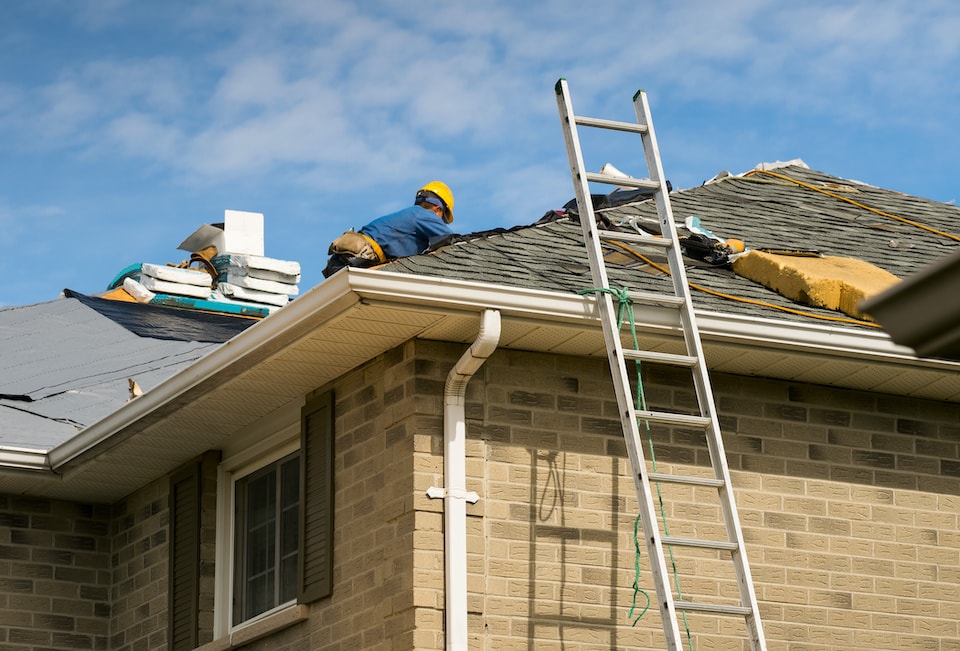
It may go without saying that the bigger your home, the bigger the roof, and the longer it will take to install. Not only will an extra-large roof take another day to install, but it will also drive up the cost of materials if you are doing a full replacement. Plus, larger homes often have many complexities like more hips and valleys, which complicate the installation.
Any Structural Damage
A home with any structural damage (known or unknown) will definitely increase how long it takes to do the installation. If a roof is being replaced due to storm damage, this is definitely possible that structural damage had also occurred and needs to be fixed before laying the new roof. Other times, the contractors may remove your old roof to find water or mold damage underneath, and those issues must be addressed before moving forward.

How Long Do the Most Common Roofing Materials Take to Install?
Different roofing materials can have vastly different installation procedures and techniques, which can drastically affect how long it takes to install them. Many need perfect weather conditions and complex tools or techniques to ensure a perfect installation. Also, asphalt shingles can easily be hoisted up in large rolls, making it easy to transport the materials up on the roof. On the other hand, metal or slate tiles are much heavier, and that will change the entire process of both getting the materials up on the roof and installing them safely. It will likely require much larger tools and machinery to do so. Here’s an average timeline for different roofing materials, from shortest to longest.
Asphalt Shingles: 1 to 3 days.
Metal: 2 to 3 days.
Membrane Flat Roof: 3 to 6 days.
Wood Shingles: 6 to 8 days.
Slate Tiles: 6 to 7 days.
Concrete Tiles: 8 to 9 days.
The sturdier roofing materials like metal and slate are also much more expensive in general, not including the cost of labor. But, that investment will last you for decades longer than any asphalt shingle roof, which is very easy to install but will be replaced more frequently.
If you’re in the market for a roof replacement but don’t know where to start, we are here to help. Our simple 3-step process will include an estimate, a design discussion, and finally, seamless construction to get you the roof you deserve. We can help you decide which material is best for you and create a tight timeline to get your roof replaced in no time so you can get back to your life. Contact us here to get started today!