



Roof Damage
4 Common Types Of Roof Damage All Homeowners Should Know
 Written by : Secured Roofing and Restorations
 5 minutes read
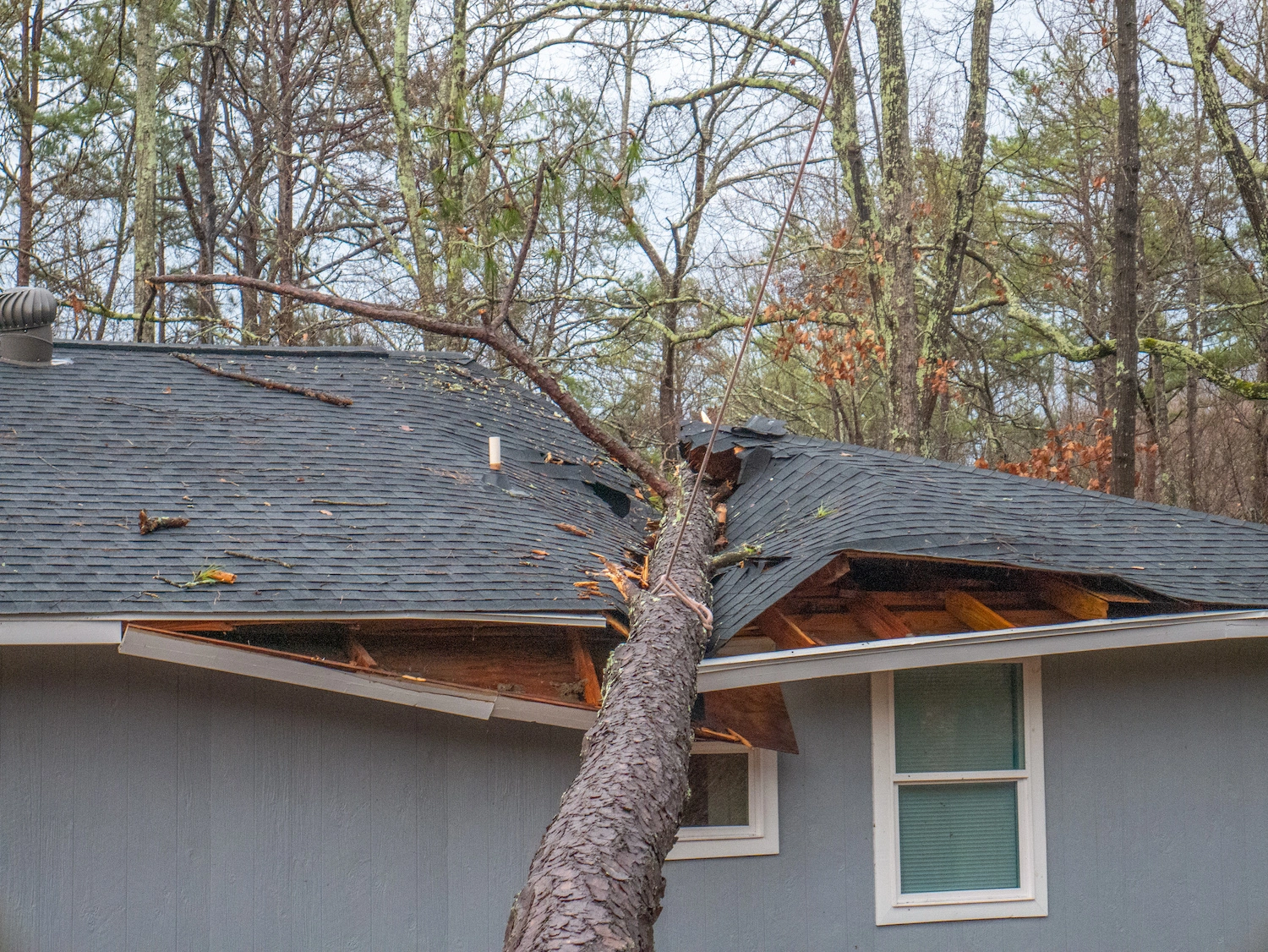

As a homeowner, protecting your roof is paramount to safeguarding your investment and ensuring the safety and comfort of your family. However, roof damage is an inevitable part of homeownership, and knowing how to identify common types of roof damage can help you address issues promptly. In this guide, we’ll explore four common types of roof damage that all homeowners should be aware of, along with tips on how to spot and address them.
Inside this blog:
- The 4 most common types of roof damage that every homeowner should know
- A description of what each type of roof damage entails
- An explanation of the typical causes of each type of roof damage, so homeowners can take steps to prevent the damage in the future
- Clear solutions for how to effectively address the roof damage issue and tips for how to navigate the remedial process smoothly
Keep reading to learn all you can about the 4 common types of roof damage, their typical causes, and how to address them head on!
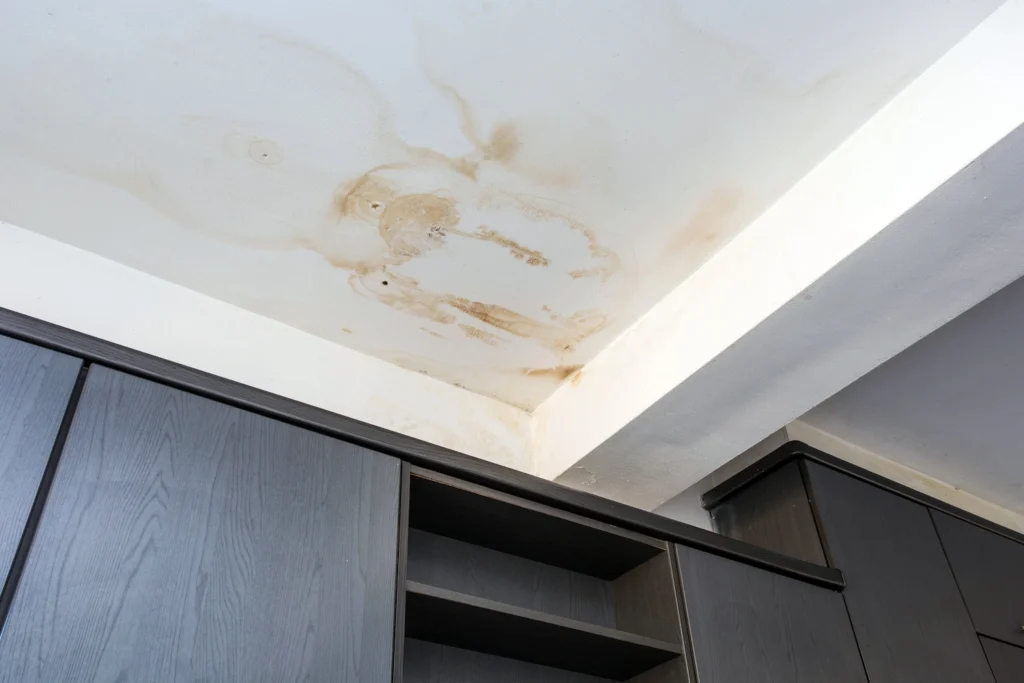
1. Leaks and Water Damage
For leaks and water damage, look out for water stains on ceilings or walls, damp or musty odors indoors, peeling paint or wallpaper, and visible signs of water infiltration in the attic.
Causes
Leaks in the roof can be caused by various factors, including damaged or missing shingles, cracked flashing around chimneys or vents, clogged gutters, or deteriorated sealant around roof penetrations like vents or skylights. These issues can allow water to seep into your home, leading to water damage and potential structural problems.
Addressing the Issue
When dealing with leaks, it’s essential to act promptly. Start by inspecting your roof for any damaged areas or signs of wear and tear. Repair any compromised shingles, flashing, or seals to prevent further water infiltration. Regularly clearing your gutters of debris can also help prevent water buildup and potential leaks. Additionally, consider installing a waterproof membrane beneath your shingles for added protection against moisture intrusion.
If you’re unsure about how to address the issue, don’t hesitate to seek assistance from a professional roofer to ensure that the repairs are done correctly and effectively.

2. Missing or Damaged Shingles
For missing or damaged shingles, look for visible gaps or areas where your asphalt shingles are missing, curling or buckling shingles, granule loss in gutters or downspouts, and bald spots on the roof.
Causes
Missing or damaged shingles are often caused by factors such as age, weathering, or improper installation during the roof’s construction. Additionally, severe weather conditions like hailstorms or falling debris can also lead to shingle damage over time.
Addressing the Issue
To tackle this problem, it’s crucial to replace missing or damaged shingles promptly to prevent water infiltration and further deterioration of the roof structure. You can start by inspecting your roof regularly for any signs of missing or damaged shingles.
If you notice any issues, consider hiring a professional roofing company to assess the extent of the damage and ensure the proper installation of replacement shingles. They can also advise on the best type of shingles to use based on your roof’s needs and your budget and help you navigate the insurance claim process.
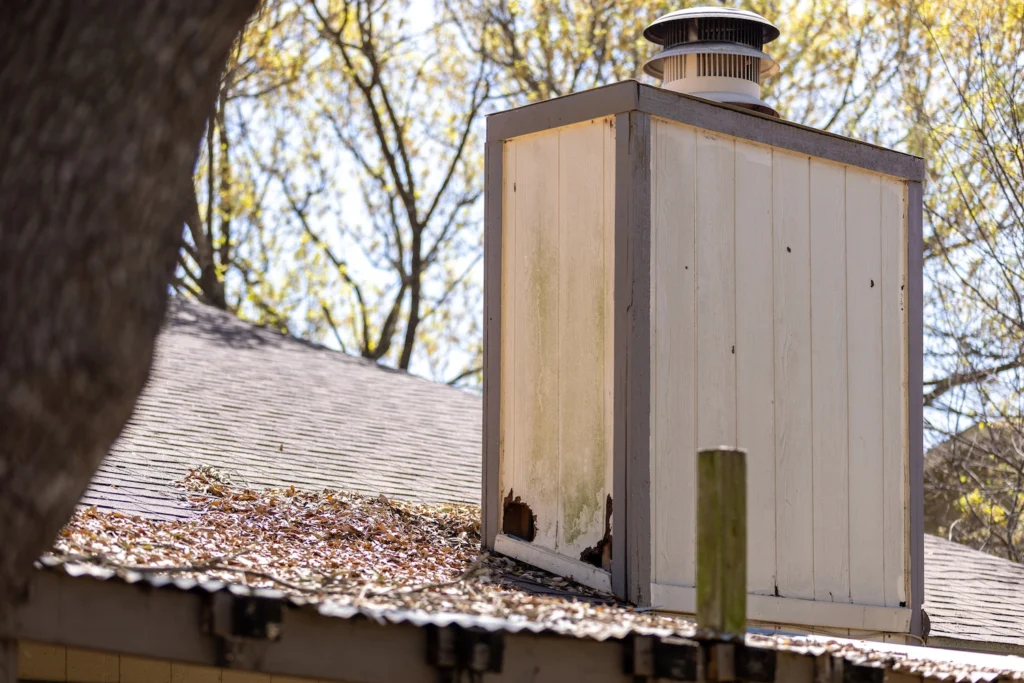
3. Pest Infestation
For pest infestation, check for evidence of nesting or droppings in the attic, chewed or damaged roof materials, and visible entry points around the roofline.
Causes
Pests such as rodents, birds, or insects may seek shelter in your attic or roof spaces because they provide warmth and protection. However, their presence can lead to damage to insulation, wiring, and structural components over time.
Addressing the Issue
To tackle this problem, start by sealing any entry points or gaps around the roofline to prevent pests from accessing your home. Consider installing pest deterrents such as wire mesh or spikes along the edges of your roof to deter birds and rodents from landing or nesting.
Additionally, make it a habit to regularly inspect your attic for signs of infestation, such as droppings or nests, and address any issues promptly to prevent further damage.
4. Tree Damage and Debris
For tree damage and debris, check if there’s visible damage to the roof caused by fallen branches or debris, scratches or indentations on shingles, and clogged gutters or downspouts.
Causes
Overhanging tree branches or nearby trees can pose a risk of damage to your roof during storms or high winds because they can break off and hit your roof. Falling branches, leaves, or debris can cause impact damage by hitting your roof or clog gutters, which leads to water buildup and potential leaks.
Addressing the Issue
To tackle this problem, you should trim overhanging tree branches to minimize the risk of damage to your roof during storms. Regularly clean gutters and downspouts to prevent clogs and ensure proper water drainage off your roof.
After severe weather events like storms, make sure to inspect your roof for any signs of damage, and if you find any, address them promptly before they worsen.
Protect Your Home With a Solid Roof
By familiarizing yourself with these common types of roof damage, you can take proactive steps to protect your home and address issues before they escalate into costly repairs. Remember to schedule regular roof inspections and maintenance to ensure the longevity and integrity of your roof. When in doubt, consult with a professional roofing contractor for expert advice and assistance in addressing roof damage effectively.
Contact our team of expert contractors at Secured Roofing & Solar today. We’ll answer all of your questions and customize an approach to tackle your project quickly and efficiently. Every one of our roofing experts is trained to provide the highest professional workmanship, personalized service, and to use only the best quality materials.