



Do You Need a New Roof? Florida Roof Replacement Guidelines Explained
 Written by : SEO Team
 5 minutes read


Most of us don’t think about replacing the roof of our home until something forces the issue. That “something” might be a letter from the insurance company, a leak after a heavy storm, or questions that pop up during a home inspection when you’re trying to buy or sell. Suddenly, the roof you’ve hardly noticed becomes a major hangup in a very stressful situation. In the sections below, we’ll walk through the most common situations where homeowners ask us, “Do I need a new roof?” and what to consider in each one—so that you can tackle your roof issue with confidence.
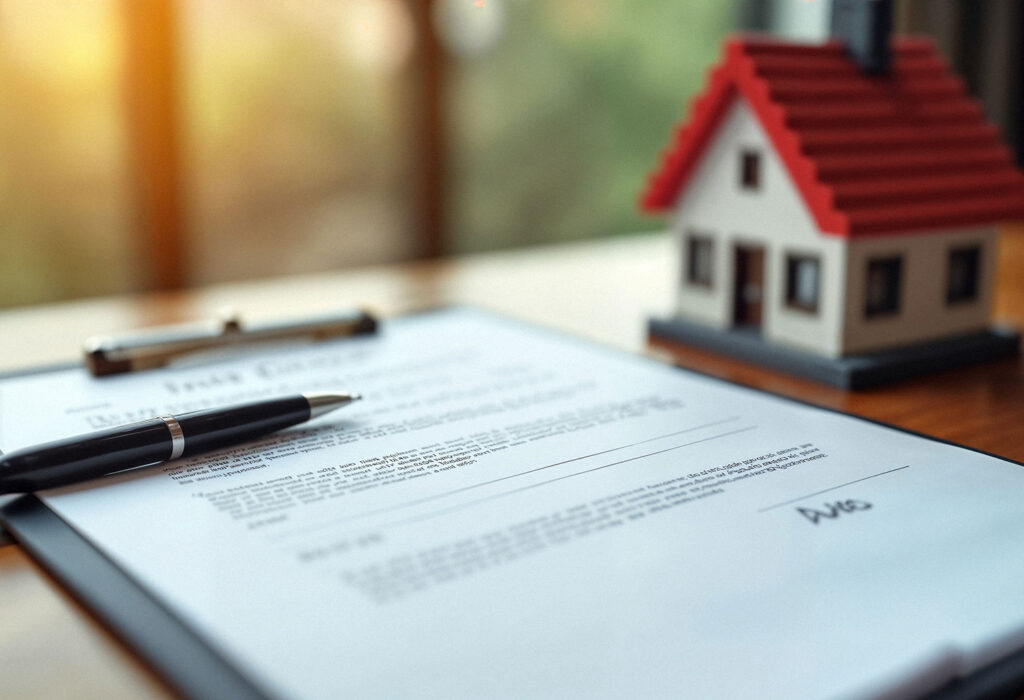
1. You got a letter from the insurance company.
For many homeowners, the first hint of a roof issue comes in the mail. Maybe your insurer sends a warning letter that your policy won’t be renewed if the roof isn’t replaced. Perhaps they’re requesting a roof inspection, or giving you a deadline to show proof of a full roof replacement.
These letters can feel very scary, but they usually boil down to a couple of things: the age of the roof, its visible condition, and the risk of future claims.
Once the roof hits a certain age, the insurer can require an inspection to check if there’s still enough useful life left. If the inspection doesn’t look good (there’s visible damage, sagging, or evidence of leaks) they may insist on a roof replacement as a requirement for continuing their coverage.
If your roof is currently over 15 years of age, insurance companies will look at its condition more closely. This is because most asphalt shingle roofs last for about 15 to 20 years. Once they pass their prime, shingle edges begin to curl, crack, or cup. There could also be bald spots where shingles are just worn out.
When your neighbors begin getting new roofs, that’s a good time to check and see how old your own roof is. Scheduling a professional roof inspection can tell you whether a full roof replacement is necessary, or if smaller repairs might satisfy your insurer.
*Florida Statute 627.7011 states that insurers cannot deny coverage or non-renew solely because the roof is less than fifteen years old. For roofs fifteen years or older, insurers must allow you to get a professional inspection before requiring replacement as a condition of renewal.*
2. You have a leak or storm damage.
Storms are just a fact of life in Florida. It’s pretty common to see an occasional missing shingle or small area of damage after one, and minor issues like that can usually be repaired without a full roof replacement. Actually, when you have storm damage and are getting small repairs done, you can typically leave most of the old system as it is.
However, bigger issues like a leak after heavy rain, water stains spreading across the ceiling, or dampness in the attic are all big red flags that the roof needs immediate attention. Waiting too long to address them can also lead to bills bigger than a new roof itself.
If you’re fixing a large chunk of the roof, building code also doesn’t allow for a patchwork of old and new materials that might perform poorly in hurricanes. So, once roof repairs reach a certain size of the roof (more than 25%), the roof should be fully upgraded to meet those hurricane and wind standards.
That means when a roofing contractor says, “Because of the 25% rule, you’re going to need a whole new roof,” they mean that the damaged area is so large that under Florida code, they can’t just do a patch job. They must replace that whole section so it meets today’s building code and is more likely to hold up in future storms.

3. You’re trying to buy a home.
Roofing questions will eventually come up during a home purchase. Maybe you find a house that you absolutely love, get the inspection report, and then discover that the roof needs a lot of work. Now you have a nagging negotiation point.
Even if the roof is in seemingly good condition on the day of inspection, its age and condition can affect your ability to get insurance and by extension, your ability to close on the home.
Buyers also sometimes find out that their preferred carrier won’t insure the home unless the roof is replaced or inspected, and certified with a certain number of years of remaining life left. That can mean renegotiating with the seller, asking for a repair or replacement credit, or planning a roof replacement soon after the closing.
How do I know when to get a new roof?
Every roof eventually wears out. Florida’s high heat and humidity, not to mention stormy weather, don’t do roofs any favors either. Signs of wear we often see range from discoloration to shingle damage, with more advanced issues including sagging and leaks. Signs your roof may need replacement include:
- dark streaks or algae,
- bald patches where granules have worn off,
- water stains on the ceiling or inside,
- missing or damaged shingles,
- visible daylight in the attic,
- or sagging areas of the roofline.
Some of these issues may end up being purely cosmetic, but others can indicate very severe structural problems. If your roof is more than 15 years old, these signs become even more important to pay attention to.
Roofing Services and Replacements in Central Florida
If you still have questions about whether you need a roof repair or a full replacement, we’re here to help you make an informed decision. Reach out to Secured Roofing & Restoration, proudly serving North and Central Florida—from Ocala to The Villages to Gainesville. Let our team guide you with honest assessments and reliable roofing services today.
Explore Our Latest Articles
Celebrate Your Home