



General Roofing
Moss On Roof: What Is The Best Way To Remove It?




When you look up at your roof, the last thing you want to see is a carpet of green moss thriving among your shingles. For homeowners, moss on the roof isn’t just a cosmetic issue; it’s a sign that moisture is taking hold and potentially damaging your roofing structure. If you’re worried about how to handle this uninvited guest, you’re in the right place. In this comprehensive guide, we’ll explore:
- Understanding moss growth on roofs
- 5 ways to remove moss on roof safely
- How to maintain your roof post moss removal
🤔 Understanding Moss Growth on Roofs

Moss spores are constantly floating through the air, looking for a moist, shady spot to settle and grow. Roofs, especially those shaded by trees or in high humidity areas, can provide the perfect environment for moss to thrive. The rough surface of shingles also gives moss the grip it needs to take hold and spread.
Identifying Moss Early
The key to managing moss is catching it early. During regular home maintenance, check your roof for patches of green. Even small amounts can rapidly spread, especially after rain. Look for spots where water tends to pool or areas frequently in shade.
The Impact of Moss on Roofs
A little moss might not seem like a big deal, but over time, it can lead to significant issues. Moss holds moisture against your shingles, causing them to degrade more quickly. This can lead to leaks and even structural damage if left unchecked.
Why Removing Moss is Essential
Moss acts as a sponge, soaking up rain and dew and keeping your roof damp. This prolonged exposure to moisture can rot the shingles and the wood beneath, leading to expensive repairs. Furthermore, as moss grows, it can lift shingles, exposing your roof to water and wind damage.
The Importance of Early Intervention
Addressing moss early can save homeowners from costly repairs. Not only does removing moss help maintain the structural integrity of your roof, but it also helps preserve its appearance and longevity. Regular inspections can catch any growth before it becomes a problem.
Preventive Measures
To prevent moss from taking root, consider trimming overhanging branches that provide shade and trap moisture on your roof. Installing zinc or copper strips along your roof’s peak can also deter moss growth, as rainwater washing over these metals creates an environment that moss finds inhospitable.
👉 5 Ways to Remove Moss on Roof Safely
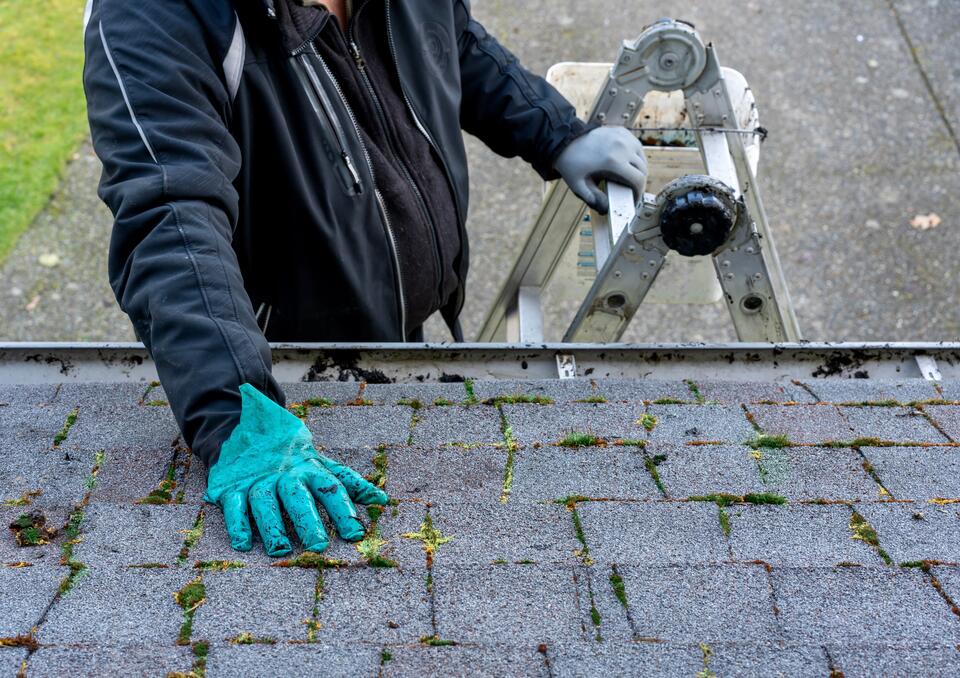
Removing moss from your roof is an important step in maintaining the integrity of your home. Moss can trap moisture, leading to roof damage and potential leaks, so addressing it promptly helps prolong the life of your roofing materials.
1. Manual Removal
For small patches of moss, using a stiff brush can be an effective and direct method. Start by selecting a brush with stiff bristles to easily dislodge the moss. Gently scrub the affected areas, taking care not to damage the shingles underneath. It’s crucial to work from the top down; this technique prevents the shingles from lifting and allows debris to fall downwards, reducing the risk of additional moss growth. After manual removal, consider rinsing the area with water to wash away any remaining moss particles.
2. Chemical Cleaners
There are various commercial and chemical solutions specifically formulated to kill moss and other roof algae. These products typically contain active ingredients designed to penetrate a moss covered roof and break it down. When applying these cleaners, spray them generously on the affected areas and allow them to sit for a few days, giving them time to work effectively. After the waiting period, rinse the area thoroughly with water to remove the dead moss and any residual chemicals. Always follow the manufacturer’s instructions carefully to minimize the risk of damaging your roof or harming nearby vegetation, as many chemicals can be harmful to plants.
3. Pressure Washing
Pressure washing can be an efficient method for removing moss, but it carries risks. If done incorrectly, it can lead to damage on asphalt shingles or water intrusion. If you opt for this method, use a low-pressure setting to minimize potential harm. It’s also essential to work in the direction of the shingles to avoid lifting them. Begin at the top of the roof and work your way down, allowing water and debris to flow off the roof rather than pushing it under the shingles. Additionally, consider using a wide fan spray nozzle to distribute water more evenly and reduce pressure at any one point.
4. Eco-Friendly Solutions
For those looking for a more environmentally friendly approach, a mixture of water and white vinegar or baking soda can be very effective against moss. Vinegar, with its acetic acid, can kill moss without the harsh chemicals found in many commercial products. To use, mix equal parts of water and vinegar in a spray bottle and apply it to the mossy areas. Let it sit for several hours before scrubbing or rinsing off. Baking soda can also be used by mixing it with water to form a paste that can be applied directly on the moss. This natural solution not only helps in killing moss but is also gentle on your roof and the environment.
5. Professional Help
Sometimes, the safest and most effective way to remove moss is to hire a professional roofing service. Professionals have the experience, specialized tools, and knowledge necessary to safely and efficiently clean your roof without causing damage. They can assess the extent of the moss problem and recommend the best course of action. Moreover, they may use advanced techniques, such as soft washing, which uses low pressure and specialized cleaning solutions to remove moss while minimizing risk to your roof. Investing in professional help can save time and ensure a thorough job, giving you peace of mind about the health of your roof.
💡 Post-Removal Maintenance

Post-removal maintenance is crucial for preserving the integrity of your roof after moss removal. It helps prevent future moss growth and other debris, ensuring that your roof remains in good condition and continues to protect your home effectively.
- Inspecting Your Roof: After removing moss, inspect your roof for any signs of damage. Check that shingles are intact and that there are no obvious leaks or soft spots. Fix any issues promptly to prevent further damage.
- Ongoing Preventive Measures: Continue to monitor your roof for signs of moss. Regularly clear debris, such as leaves and branches, and ensure gutters are clean to facilitate proper drainage.
- Scheduling Regular Roof Inspections: Consider scheduling regular roof inspections with a professional to catch any potential problems early. They can provide valuable insights and maintenance tips to keep your roof in top condition.
🙌 Protect Your Home with Expert Roofing Solutions from Secured Roofing and Restorations
At Secured Roofing and Restorations, we understand the challenges homeowners face with moss on their roofs. Our expert team offers fast, reliable service to address moss and any other roofing concerns you may have. With our comprehensive approach, we ensure your roof’s durability and longevity.
Whether you need a new roof, repairs, or regular maintenance, our focus is always on delivering quality solutions that keep your home safe and secure. With easy financing options and a commitment to exceptional customer service, we’re here to support you every step of the way. Ready to protect your home from the elements? Contact Secured Roofing and Restorations today for a free inspection and estimate. Your roof will thank you!
4 Best Roof Shingles For Your Home (2024)
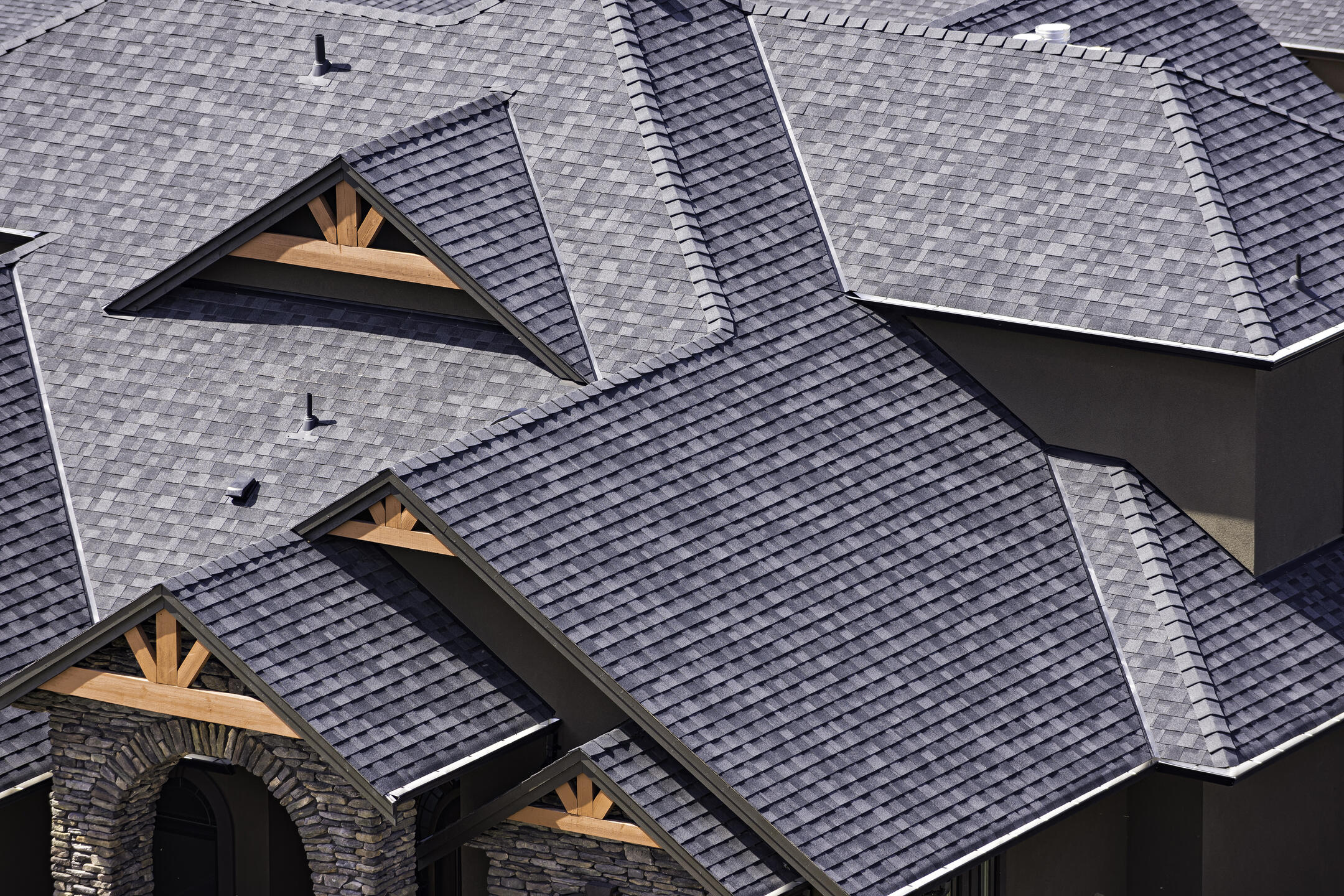
Choosing the right roof shingles for your home ensures durability, aesthetics, and energy efficiency. In this guide, we’ll explore the best roof shingles for your home in 2024. You’ll learn about different types of shingles, their benefits, and how to choose the best one for your needs. Whether you’re looking to boost your home’s curb appeal or enhance its protection against harsh weather, this comprehensive guide will help you make an informed decision.
- Understanding roof shingles
- Types of roof shingles available
- 4 best shingle brands on the market
- Choosing the right shingle for your home
- Installation tips for roof shingles
🤔 Understanding Roof Shingles
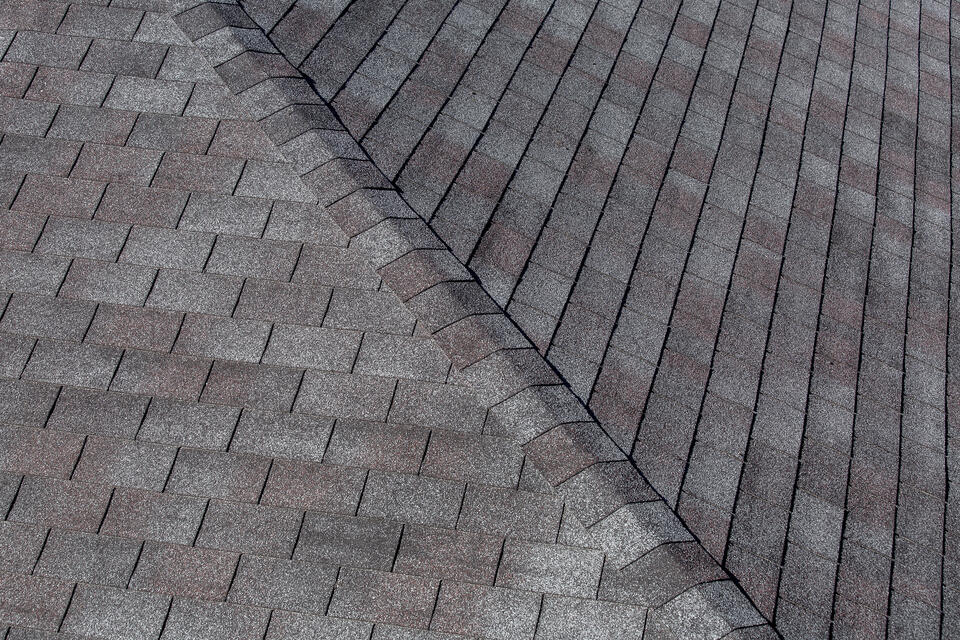
Roof shingles are a vital component of your home’s roofing system. They not only provide a protective layer against the elements but also contribute significantly to the aesthetics of your property. Shingles are layered on top of each other to cover the entire roof, creating a durable barrier against rain, wind, and UV rays.
A well-chosen shingle type can add value to your home, improve insulation, and reduce energy costs. It’s essential to understand the different types of shingles available in the market to make an informed choice. Each type has its unique features, benefits, and price points, catering to various homeowner needs and preferences.
When selecting roof shingles, consider factors such as weather resistance, lifespan, cost, and architectural style. Doing so will ensure that your roof remains in excellent condition for years to come, providing peace of mind and protecting your investment.
Signs You Need Roof Shingle Replacement
Identifying early signs of shingle damage can save homeowners time and money by preventing more extensive issues. Some common indicators that your roof shingles need replacement include:
- Curling or blistering shingles
- Missing shingles
- Excessive granule loss (noticing granules in your gutters)
- Leaks and water stains on ceilings or walls
Regular roof inspections by a professional can help detect potential problems and determine when it’s time to replace your shingles. Being proactive in addressing shingle issues helps protect your home and preserve its value.
🏠 Types of Roof Shingles Available
There are various types of roofing shingles, including asphalt, wood, metal, slate, and composite, each with its pros and cons. The choice depends on the homeowner’s preferences, budget, and climate. Shingles differ in durability, weather resistance, and aesthetic appeal, with some better suited for colder climates and others for hot, sunny conditions. It’s important to consider installation and maintenance requirements, as some shingles need more upkeep while others offer longer lifespans and lower maintenance. Selecting the right shingles can save time and money in the long run.
Asphalt Shingles
Asphalt shingles, the most popular roofing material in the U.S., come in two types—organic and fiberglass—offering affordable, durable, and easy installation options for homeowners. Organic shingles are made from paper or wood fibers coated with asphalt, while fiberglass shingles feature a fiberglass mat core, generally providing better fire and moisture resistance. Available in various colors and styles, asphalt shingles complement nearly any home design, require minimal maintenance, and typically last 15 to 30 years based on climate and care.
Wood Shingles
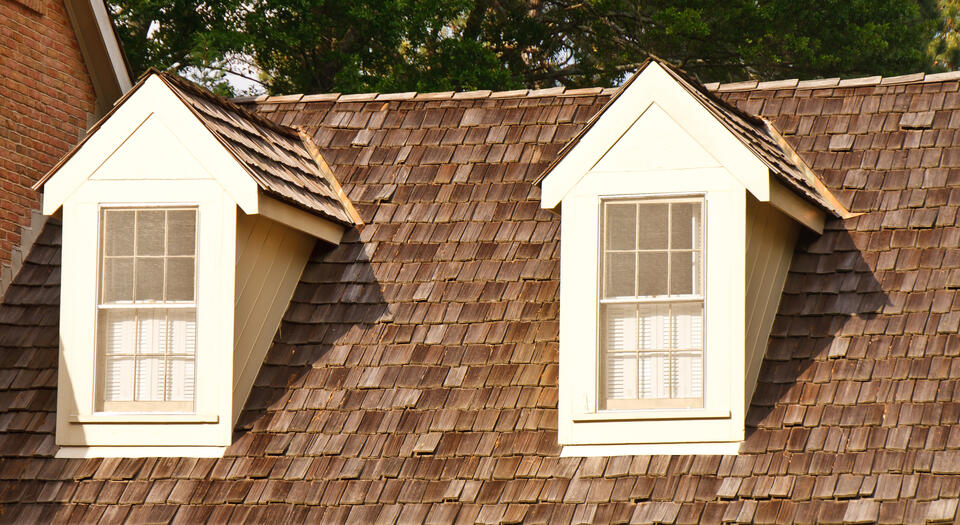
Wood shingles, or “shakes,” provide a natural, rustic look that enhances both traditional and modern homes. Made from cedar, redwood, or pine, they are eco-friendly, offer excellent insulation, and can lower energy costs by regulating indoor temperatures. Regular maintenance is essential to prevent mold and insect infestations, but properly cared for, they can last up to 30 years. Although initially more expensive than asphalt shingles, their unique aesthetic and environmental advantages can justify the investment. Homeowners should also consider local climate and fire risks before choosing wood shingles.
Metal Shingles
Metal shingles are a durable and long-lasting roofing option made from materials like aluminum, copper, or steel. Lightweight and resistant to extreme weather, they also reflect sunlight, helping to reduce cooling costs in summer. With the ability to mimic the look of wood or slate, they offer design versatility without sacrificing durability. Resistant to fire, insects, and rot, metal shingles require less maintenance. While they come with a higher upfront cost compared to asphalt or wood, their lifespan of up to 50 years can lead to significant savings. Noise during rainstorms can be addressed with proper insulation.
Slate Shingles
Slate shingles are renowned for their durability and timeless beauty, made from natural stone that resists weather, fire, and decay. Lasting over a century, they are one of the longest-lasting roofing materials available, offering a range of colors and textures for a distinctive look. While they have a high upfront cost, their longevity and low maintenance yield an excellent return on investment. However, their weight may necessitate additional structural support, so consulting a professional roofing contractor is advisable before installation. With proper care, slate shingles can enhance your home’s curb appeal and provide enduring protection.
Composite Shingles
Composite shingles, or synthetic shingles, combine asphalt, fiberglass, and recycled plastics, offering affordability, durability, and design flexibility. They can mimic the look of slate or wood without the high cost and maintenance. Lightweight and easy to install, they resist moisture, mold, and UV rays. With a lifespan of 30 to 50 years, they can be a cost-effective roofing alternative. Homeowners should assess their specific needs when selecting composite shingles.
✅ 4 Best Shingle Brands on the Market
These brands have established themselves as leaders in the roofing industry, offering a range of shingle options that cater to diverse aesthetic and functional needs. Whether prioritizing color, longevity, or environmental impact, choosing a reputable brand like CertainTeed ensures your roofing investment remains secure and appealing for years to come:
1. CertainTeed
CertainTeed is a leading name in the roofing industry, known for its extensive range of high-quality shingles. Offering both asphalt and composite options, CertainTeed shingles are renowned for their durability, innovative designs, and comprehensive warranties. Their Landmark series is particularly popular for its excellent performance and bold color choices, making it a favorite among homeowners and contractors alike.
2. GAF
GAF is one of North America’s largest roofing manufacturers, trusted for its reliable and high-performing shingles. Their Timberline series, often touted as America’s #1 selling shingle, offers exceptional durability and rich color blends. GAF’s commitment to quality is backed by strong warranties, making them a preferred choice for many roofing projects.
3. Owens Corning
Owens Corning is known for its innovative roofing solutions and commitment to sustainability. Their Duration Series shingles feature patented SureNail technology for excellent adhesive strength and wind resistance. With a variety of styles and colors available, Owens Corning shingles provide homeowners with the flexibility to match their specific design preferences and requirements.
4. Tamko
Tamko stands out for its long-standing reputation and dedication to crafting reliable roofing products. Tamko’s Heritage line offers laminated asphalt shingles that combine beauty and performance. Known for their weather resistance and affordability, Tamko shingles are an excellent choice for budget-conscious homeowners who do not want to compromise on quality.
👉 Choosing the Right Shingle for Your Home
Choosing the right shingle for your home is crucial as it impacts not only the aesthetic appeal but also the durability and performance of your roof. Considering factors such as climate, energy efficiency, and maintenance requirements can lead to better protection against the elements, lower energy costs, and reduced upkeep over time.
Climate
Selecting the right shingles for your home requires considering your region’s climate conditions. Different shingle types perform better under certain weather circumstances, providing optimal protection and longevity for your roof.
In regions with heavy rainfall, mold and algae-resistant shingles are ideal for preventing moisture-related damage. For homes located in areas prone to high winds, impact-resistant shingles provide added durability against storm damage.
Homeowners in hot, sunny climates should opt for shingles with reflective properties, which help reduce heat absorption and lower cooling costs. Consulting with a local roofing expert can help you determine the best shingles for your climate and specific needs.
Energy Efficiency
Energy-efficient shingles can help homeowners save on heating and cooling costs by reflecting sunlight and reducing heat absorption. These shingles are often treated with a reflective coating or made from materials that naturally minimize heat transfer.
Some energy-efficient shingles qualify for tax credits and incentives, providing additional savings for homeowners. By investing in energy-efficient shingles, you can reduce your home’s carbon footprint and contribute to a more sustainable environment.
When selecting energy-efficient shingles, consider factors such as climate, color, and material. Light-colored shingles tend to reflect more sunlight, making them a popular choice for energy-conscious homeowners.
Maintenance
Regular maintenance is key to preserving the appearance and functionality of your roof shingles. Inspect your roof at least twice a year for signs of wear and tear, such as cracked or missing shingles, moss growth, or debris buildup.
Cleaning your roof to remove leaves, dirt, and algae helps prevent damage and prolongs the life of your shingles. Be cautious when using pressure washers, as they can cause more harm than good if not used properly.
Repairing minor issues promptly can prevent them from escalating into costly problems. Consult with a professional roofer for more extensive repairs and ensure your roof remains in optimal condition.
💡Installation Tips for Roof Shingles
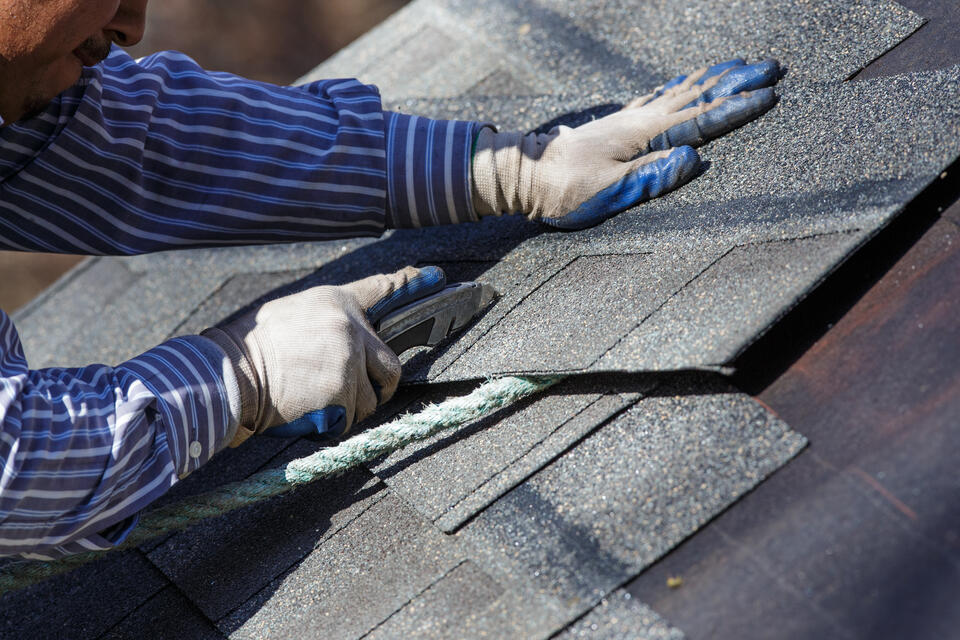
Proper installation is crucial to the performance and longevity of your roof shingles. Hiring a professional roofing contractor ensures that your shingles are installed correctly and securely, minimizing the risk of leaks and other issues.
- Inspect your roof deck for damage and make necessary repairs before installation.
- Ensure a clean, solid surface for a stable foundation.
- Promote proper ventilation and flashing during installation to prevent moisture buildup.
- Follow manufacturer guidelines and local building codes to extend the life of your roof shingles.
Taking these steps can help ensure a durable and effective roofing system.
🙌 Your Trusted Partner for Quality Roofing Solutions in Central Florida
At Secured Roofing and Restorations, we understand the importance of finding the best roof shingles for your home. Our experience and expertise make us the team you can trust for all your roofing needs. Based in Central Florida, we offer comprehensive roofing solutions tailored to your specific requirements.
Our commitment to quality and customer satisfaction ensures that your roofing project is completed with precision and care. From shingle selection to installation and maintenance, our team guides you every step of the way.We prioritize hassle-free experiences, offer financing options, and pride ourselves on our ultra-fast turnaround times. Contact us today to learn more about our services and how we can help you choose the perfect roof shingles for your home.
7 Different Types Of Roof Overhang & Their Benefits
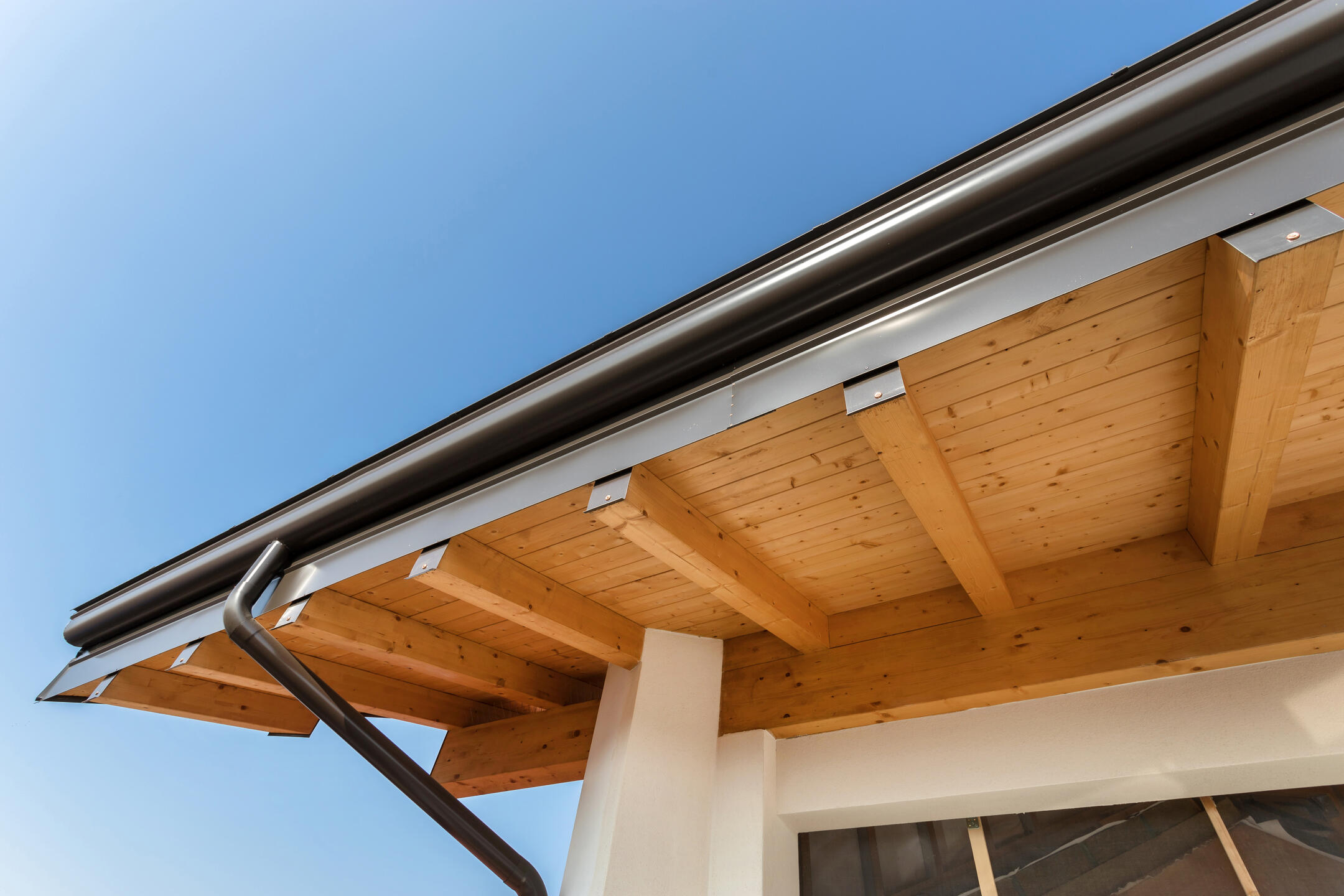
Whether you’re building a new home or renovating an existing one, understanding the intricacies of roof overhangs can make a significant difference in comfort, aesthetics, and energy efficiency. Roof overhangs might seem like a small detail, but they play a crucial role in home design and function. They protect your home from the elements, add architectural beauty, and even help in regulating indoor temperatures. In this post, we’ll cover:
- The importance of roof overhangs
- 7 different types of roof overhang designs
- Benefits of roof overhangs
- Tips for DIY enthusiasts considering roof overhangs
- Common mistakes to avoid
❗️ The Importance of Roof Overhangs
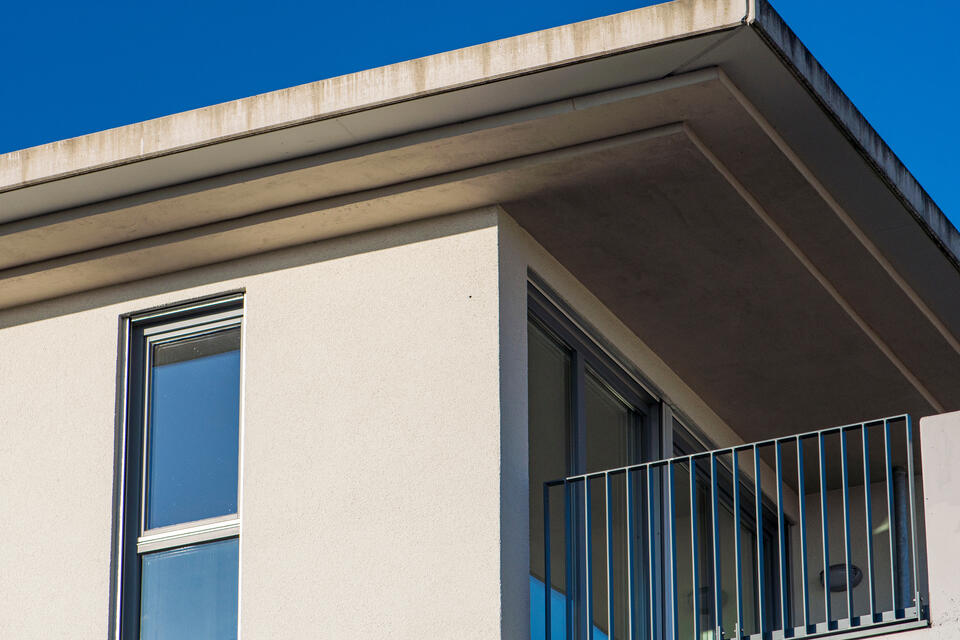
Roof overhangs are more than just a decorative element. They extend beyond the walls of your house, shielding it from the elements. This seemingly simple architectural feature serves multiple purposes, offering both functional and aesthetic benefits to homeowners.
First and foremost, roof overhangs protect your home from rain and snow. By extending beyond the walls, they direct water away from the foundation, reducing the risk of water damage and erosion. This also helps in preventing moisture buildup on walls, which can lead to mold growth and structural issues.
In addition to water protection, roof overhangs provide shade during hot summer months. By blocking direct sunlight, they help keep your home cooler, reducing the need for air conditioning and lowering energy bills. This passive cooling strategy is especially beneficial in climates with intense summers.
Considerations for Choosing the Right Roof Overhang
Selecting the appropriate roof overhang involves several factors that homeowners should consider. Making an informed decision ensures you enjoy the full benefits while complementing your home’s design.
- Architectural Style: Different styles favor different overhang designs. For instance, modern homes often feature sleek, minimalist overhangs, while traditional homes may have more elaborate ones.
- Climate: In regions with heavy rainfall, a larger overhang might be necessary for adequate protection. Conversely, in areas with mild weather, a smaller overhang could suffice.
- Budget: While roof overhangs are an excellent investment, the cost can vary depending on materials and design complexity. It’s essential to balance aesthetics, functionality, and budget to achieve the best results.
🏠 7 Different Types of Roof Overhang Designs
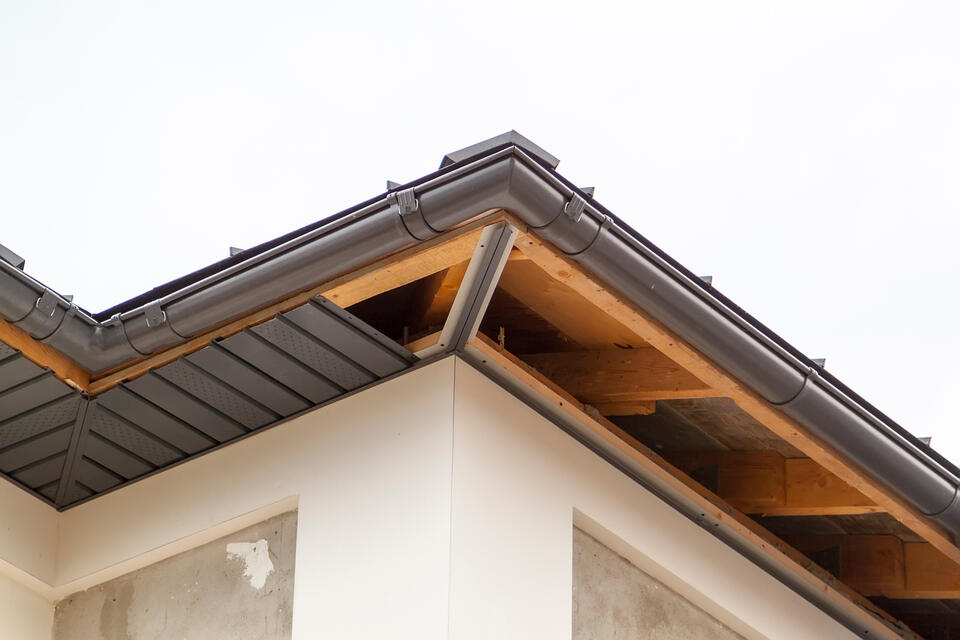
There are several types of roof overhangs, each offering distinct advantages. The choice of design often depends on architectural style, climate, and personal preference. Here are some popular options:
1. Open Eave Overhangs
Open eave overhangs feature exposed rafters and beams, giving a home a rustic and traditional charm that many find appealing. This design not only enhances the aesthetic but also improves airflow and ventilation within the attic, helping to regulate temperature and moisture levels. Additionally, the open structure allows for easier inspection and maintenance, making it more convenient for homeowners to check for any damage or wear over time.
2. Boxed Eave Overhangs
Boxed eave overhangs encase the rafters within a neat box-like construction, presenting a clean, modern look that suits contemporary architectural styles. This design is particularly popular in suburban developments and new constructions. By enclosing the rafters, boxed eaves not only improve the overall appearance of the roofline but also provide better protection against pests and weather elements, reducing the likelihood of infestations and damage from rain or snow.
3. Enclosed Eave Overhangs
Enclosed eave overhangs completely cover the rafters and soffits, offering maximum protection against harsh weather conditions and pests. This style is particularly beneficial for homes situated in windy or rainy areas, as it minimizes exposure to the elements. The enclosed design also enhances energy efficiency by providing better insulation, helping to keep the home warmer in winter and cooler in summer. Additionally, it provides a finished look that appeals to many homeowners.
4. Shed Overhangs
Shed overhangs, which extend from a single slope roof, are often embraced in contemporary designs due to their minimalist aesthetic. They provide adequate shade over windows and doorways, which can help reduce cooling costs during hot months. These overhangs are also effective in directing rainwater away from the home’s foundation, thereby preventing water damage and erosion. Their simple yet effective design makes them a practical choice for modern architectural styles.
5. Gable Overhangs
Gable overhangs are situated at the peak of gable roofs, serving both functional and aesthetic purposes. They not only enhance the overall appearance of the home by providing a decorative finish but also offer protection to the wall beneath from rain and snow. This design can improve ventilation within the attic space, reducing moisture buildup and promoting air circulation. Gable overhangs are a versatile option that can complement various architectural styles, from traditional to modern.
6. Hip Overhangs
Hip overhangs extend from the four sides of a hip roof, creating a uniform and balanced appearance. This style is effective in managing water runoff, helping to direct rain and snow away from the walls and foundation of the home. Hip overhangs are particularly beneficial in areas prone to heavy rainfall or snow, as they reduce the risk of leaks and water damage. Their symmetrical design is aesthetically pleasing and works well with a variety of architectural styles.
7. Cantilevered Overhangs
Cantilevered overhangs extend beyond the supporting walls without the need for external supports, resulting in a sleek and modern look that is highly sought after in contemporary architecture. This innovative design creates additional outdoor living spaces, such as covered patios or balconies, enhancing the functionality of the home. Cantilevered overhangs provide shade and comfort during hot days, and their striking appearance can elevate the curb appeal of any property, making them a favorite choice for design-conscious homeowners.
✅ Benefits of Roof Overhangs
Roof overhangs offer numerous benefits that enhance the overall comfort and efficiency of your home. Understanding these benefits can help you appreciate the value they add to your property.
Protection from the Elements
One of the primary functions of a roof overhang is to shield your home from harsh weather conditions. By extending beyond the walls, overhangs prevent rainwater from hitting the siding directly, reducing the risk of water damage and mold growth.
Enhanced Energy Efficiency
Roof overhangs play a crucial role in regulating indoor temperatures. By shading windows during summer, they help keep your home cooler, reducing reliance on air conditioning. In winter, they allow sunlight to penetrate, providing natural warmth.
Improved Aesthetic Appeal
Beyond their functional benefits, roof overhangs contribute to the visual appeal of your home. They add depth and character to the architecture, enhancing curb appeal and potentially increasing property value.
💡 Tips for DIY Enthusiasts Considering Roof Overhangs
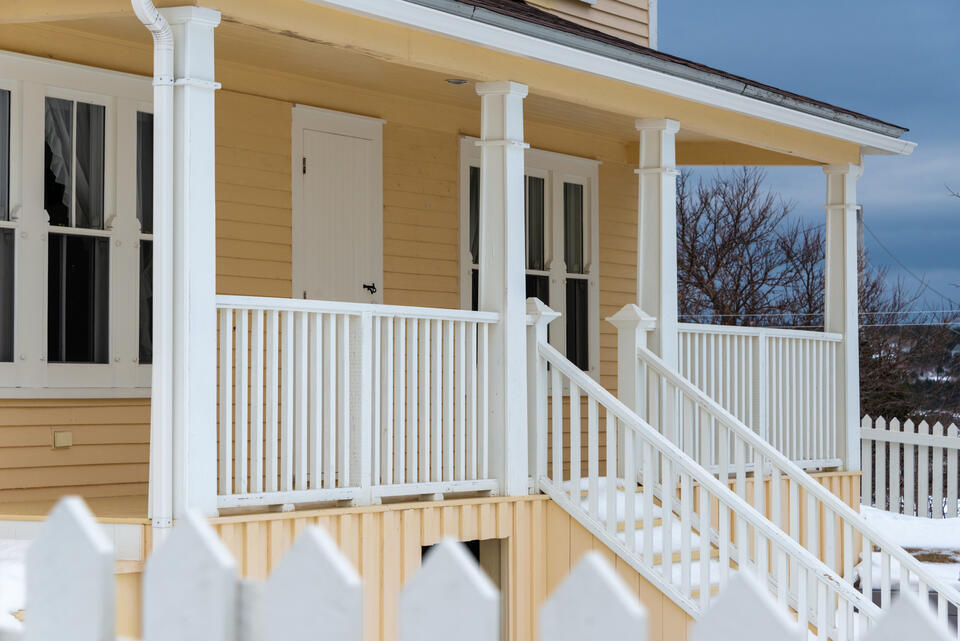
For homeowners with a knack for DIY projects, installing or modifying roof overhangs can be a rewarding endeavor. However, it’s essential to approach the task with careful planning and attention to detail.
Begin by researching local building codes and regulations. Compliance ensures that your project meets safety standards and avoids potential legal issues. Consult with professionals if you’re unsure about specific requirements.
Gather the necessary tools and materials before starting the project. Having everything on hand prevents delays and ensures a smoother installation process. Measure twice and cut once to ensure accuracy and precision.
Maintenance and Longevity of Roof Overhangs
Proper maintenance is essential to ensure the longevity and effectiveness of your roof overhangs. Regular upkeep can prevent costly repairs and extend the lifespan of this valuable architectural feature.
Start by inspecting your overhangs for signs of damage or wear. Look for cracks, leaks, and rot that may compromise their integrity. Addressing these issues promptly can prevent further deterioration.
Keep your overhangs clean by removing debris such as leaves and twigs. This prevents water buildup and reduces the risk of rot. Additionally, check for pest infestations, as open eaves can attract birds and insects.
🚫 Common Mistakes to Avoid
When it comes to roof overhangs, a few common mistakes can lead to costly consequences. Being aware of these pitfalls can help you avoid them and achieve successful results.
One common mistake is underestimating the importance of proper drainage. Overhangs must direct water away from the foundation to prevent erosion and structural damage. Ensure that gutters and downspouts are correctly positioned and maintained.
Another mistake is neglecting maintenance. Even the most well-designed overhangs require regular upkeep to remain effective. Failing to clear debris or address minor issues can lead to more significant problems over time.
🙌 Enhancing Aesthetics and Functionality for Your Home
Roof overhangs are a vital component of any home’s design. They offer protection, energy efficiency, and aesthetic appeal, making them a worthwhile investment for homeowners. Whether you’re building a new home or upgrading an existing one, understanding the benefits and types of roof overhangs empowers you to make informed decisions.
Our team of experts understands the intricacies of roof overhang design and installation. With years of experience, we ensure that your overhangs are not only functional but also enhance the overall aesthetics of your home. From initial consultation to project completion, we prioritize your satisfaction and peace of mind. Contact us today to discuss your roofing needs and discover how we can transform your home with expertly crafted roof overhangs. Plus, our hassle-free process and financing options make your roofing project stress-free and affordable.
13 Must Have Roofing Tools For Homeowners
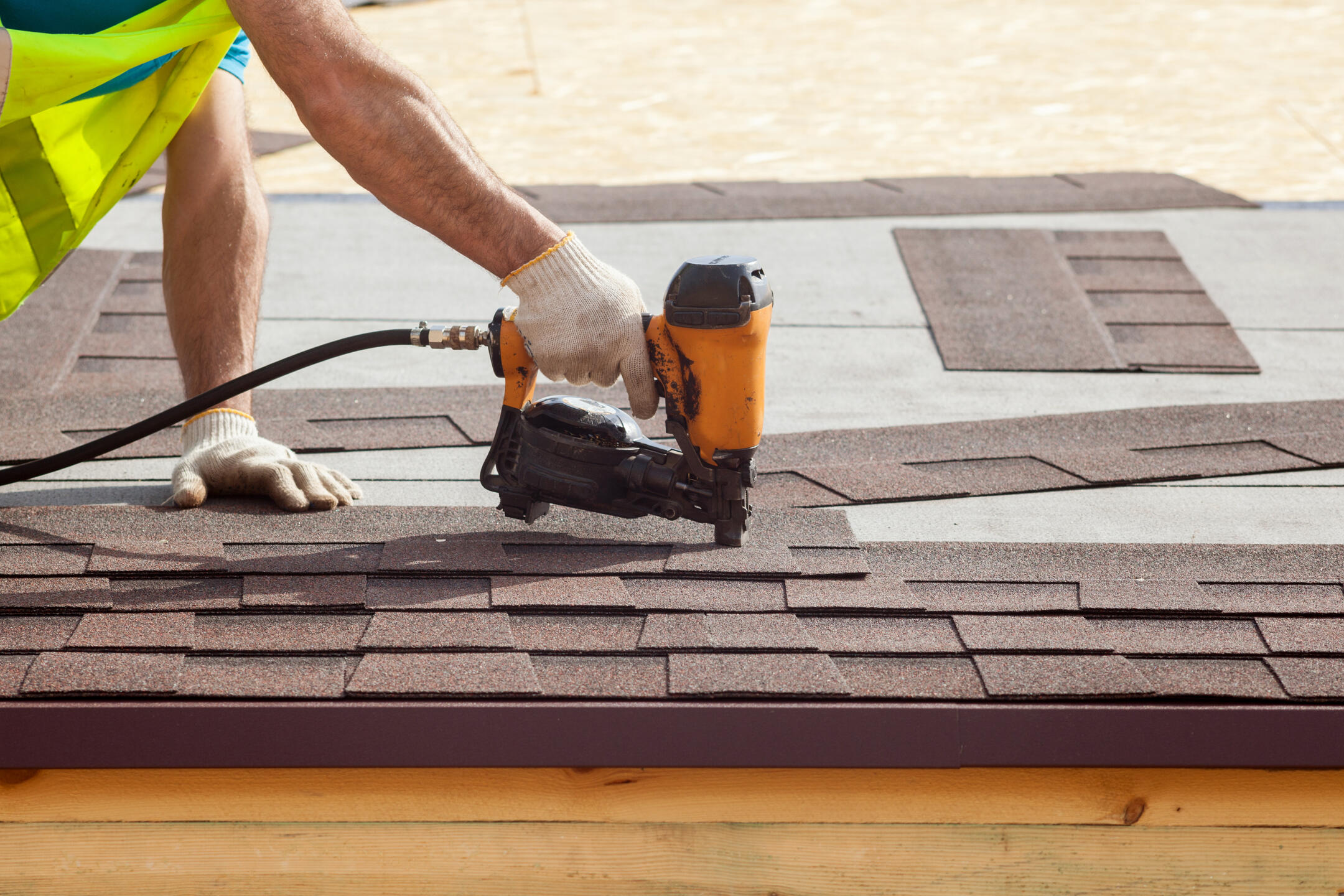
Whether you’re tackling a minor repair or considering a complete roof overhaul, having the right tools in your toolkit is essential. Roofing can be daunting, but with the right equipment, homeowners can take on various projects confidently and efficiently. In this post, we’ll explore the must-have roofing tools for homeowners, ensuring you’re well-equipped for any roofing challenge, including:
- 13 types of tools you must have for your roofing project
- Benefits of investing in quality roofing tools
- Mistakes to avoid when using roofing tools
- DIY vs. professional roofing equipment
- How to store and maintain roofing equipment
- Trusted brands for roofing tools
🛠️ 13 Types of Tools You Must Have For Your Roofing Project
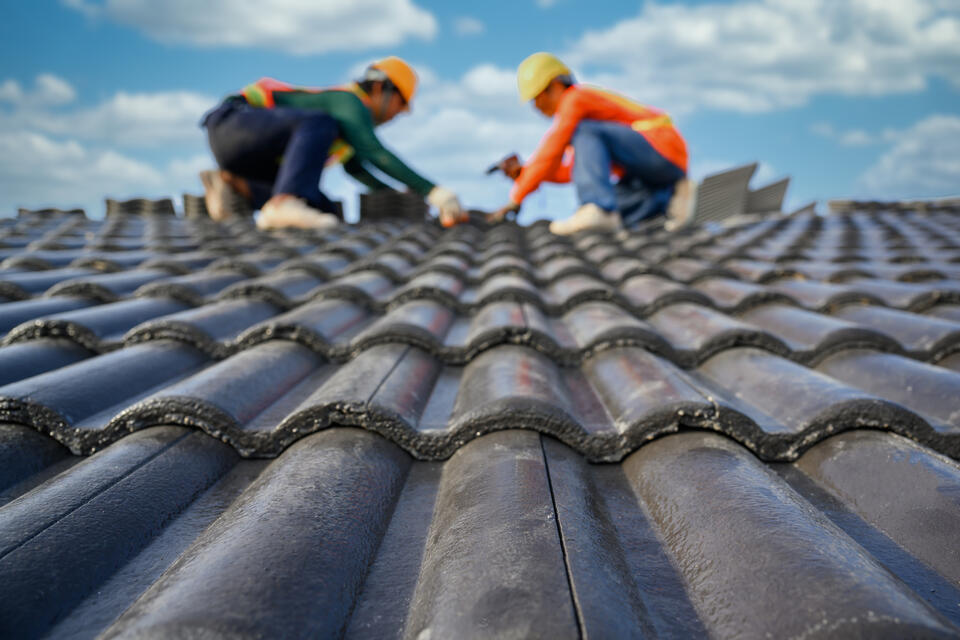
Equipping yourself with essential roofing tools ensures that your projects are not only effective but also safe and long-lasting. Safety gear is paramount, comprising items like harnesses, helmets, and non-slip footwear to protect against falls and other hazards. Basic hand tools, such as hammers, roofing knives, and tape measures, are fundamental for handling various roof materials and measurements. Power tools like nail guns and drills expedite the installation process, making tasks less labor-intensive and more efficient. Roofing materials, including shingles, sealants, and underlayment, are crucial for the actual construction, providing durability and weather resistance. Lastly, a sturdy ladder that is the appropriate height and stability is vital to access and work on the roof safely, ensuring that each task is performed with ease and precision.
1. Helmets and Harnesses
A helmet is vital to protect your head from falling debris. In addition, wearing a harness attached to an anchor point keeps you secure on steep roofs. These tools are indispensable for preventing potentially life-threatening accidents.
2. Safety Glasses and Gloves
Safety glasses shield your eyes from dust and flying debris, while gloves enhance your grip and protect your hands from sharp materials. Choose durable, comfortable gloves that allow for dexterity.
3. Non-Slip Footwear
Investing in non-slip footwear ensures a firm grip on roofs, reducing the risk of slips and falls. Look for shoes with rubber soles designed specifically for roofing work.
4. Measuring Tape and Chalk Line
Accurate measurements are crucial for any roofing task. A measuring tape and chalk line help you mark straight lines, ensuring precise cuts and installations.
5. Hammer and Nail Gun

A sturdy hammer is essential for driving nails, while a nail gun can speed up the process for larger projects. Ensure you have both options available for different needs.
6. Utility Knife and Roofing Blade
A utility knife with a sharp roofing blade is perfect for cutting shingles, underlayment, and other materials. It’s a versatile tool that every homeowner should have.
7. Circular Saw and Reciprocating Saw
A circular saw is ideal for cutting wood and other solid materials, while a reciprocating saw is perfect for cutting through metal and removing old roofing components.
8. Cordless Drill and Impact Driver
A cordless drill allows you to drive screws and drill holes with ease. An impact driver, on the other hand, provides extra torque for tough materials.
9. Air Compressor and Roofing Nailer
An air compressor powers various tools, including the roofing nailer. This combination ensures fast and efficient installation of shingles or other materials.
10. Roofing Materials
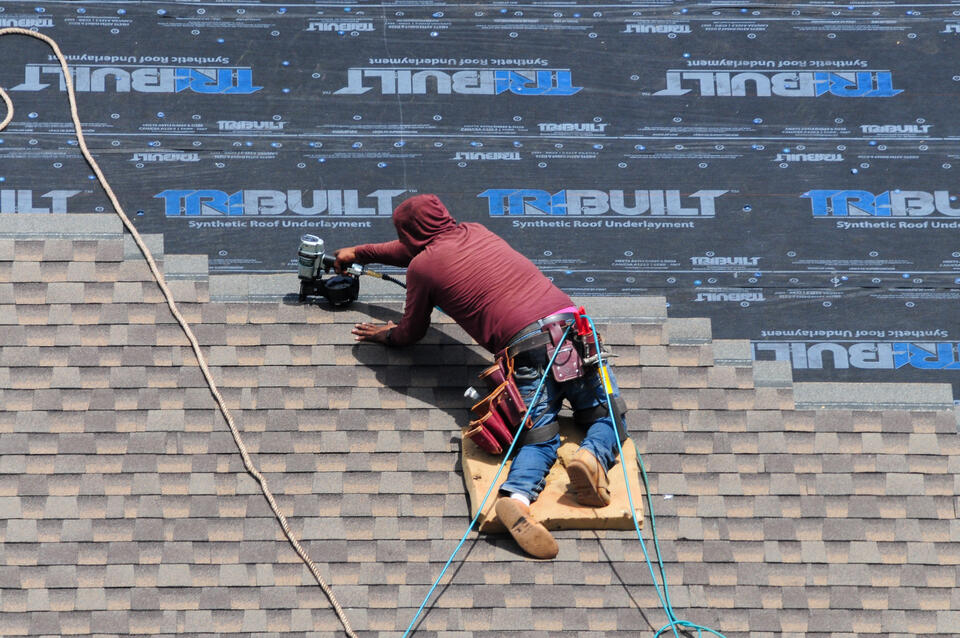
- Asphalt Shingles: Asphalt shingles are popular due to their affordability and ease of installation. They’re perfect for homeowners looking for a cost-effective roofing solution.
- Metal Roofing: Metal roofing is durable, energy-efficient, and environmentally friendly. This option is ideal for those seeking longevity and low maintenance.
- Tile and Slate: Tile and slate roofs offer exceptional durability and aesthetic appeal. Although more expensive, they’re worth considering for those wanting a premium look.
11. Extension Ladders
Extension ladders offer adjustable heights, making them versatile for various roofing projects. Ensure your ladder extends at least three feet above the roof’s edge for safety.
12. Step Ladders
Step ladders are ideal for reaching lower roof levels or working on flat surfaces. Choose a sturdy design with slip-resistant steps.
13. Ladder Accessories
Consider investing in ladder stabilizers and levelers for added stability, particularly on uneven ground. These accessories enhance safety during roofing tasks.
✅ Benefits of Investing in Quality Roofing Tools
Quality tools can make a significant difference in your roofing projects. Here’s why they matter.
- Durability and Reliability: High-quality tools are built to last, ensuring consistent performance and reducing the need for frequent replacements.
- Efficiency and Precision: Quality tools provide greater accuracy and speed, allowing you to complete projects faster and with better results.
- Cost Savings: While the initial investment may be higher, quality tools can save you money in the long run by minimizing repairs and replacements.
- Enhanced Safety: Using quality roofing tools reduces the risk of accidents, as they are designed with safety features that protect users during work.
- Improved Work Quality: Investing in high-quality tools often leads to a superior finish, enhancing the overall aesthetic and structural integrity of roofing projects.
- Increased Comfort: Ergonomically designed tools can reduce fatigue and strain, making it easier to work long hours without discomfort.
- Better Support and Warranty: Quality tools often come with better customer support and warranties, providing peace of mind and assistance if issues arise.
🚫 Mistakes to Avoid When Using Roofing Tools
Avoiding common mistakes can help ensure the success of your roofing projects. Let’s look at some pitfalls to steer clear of.
Skipping Safety Measures: Safety should always be your top priority. Never compromise on safety; always use the appropriate gear such as helmets, goggles, and harnesses. Following recommended guidelines and safety procedures not only protects you but also instills confidence in your team, reducing the likelihood of accidents on the job.
Using the Wrong Tools: Selecting the right tools for each specific task is crucial for efficiency and quality. Using inappropriate tools can lead to damage to materials or even create unsafe working conditions. Invest in a comprehensive toolkit that includes various roofing tools to ensure you have everything you need at your fingertips, allowing you to tackle any job effectively.
Neglecting Maintenance: Regular maintenance of your tools is essential for maximizing their lifespan and ensuring they perform at their best. Neglecting this aspect can lead to costly repairs or replacements. Make it a habit to clean your tools after each use and conduct routine inspections to catch any wear and tear early on. This proactive approach will keep your tools in optimal condition and enhance your overall productivity.
👨🔧DIY vs. Professional Roofing Equipment
Deciding whether to tackle a roofing project yourself or hire professionals can be challenging. Here’s some guidance to help you make an informed choice.
Pros and Cons of DIY
Engaging in DIY projects can save you money and provide a satisfying sense of accomplishment when you complete the task. However, these projects often require significant time, effort, and a solid understanding of roofing techniques to avoid costly mistakes. Additionally, you’ll need to invest in tools and materials, which can add to the overall cost.
When to Hire Professionals
For complex roofing projects, or those involving significant repairs, it’s usually best to hire professionals. They possess the necessary expertise, experience, and specialized equipment to ensure the job is done correctly and safely. Professionals can also navigate local building codes and regulations, saving you potential headaches down the line.
Balancing Cost and Quality
When weighing the costs of DIY versus hiring professionals, consider not just the immediate expenses but also the potential risks and long-term benefits of each option. A poorly executed DIY project could lead to more extensive repairs in the future, while a professional job might come at a higher initial cost but provide lasting quality and peace of mind.
👉 How to Store and Maintain Roofing Equipment
Proper storage and maintenance of roofing equipment are essential for its longevity. Here’s how to keep your tools in top shape.
Organize Your Workspace: Organize your workspace to ensure easy access to tools and materials. This setup can improve efficiency and prevent accidents.
Regular Inspections: Conduct routine inspections of your equipment to identify wear or damage. Replace worn-out parts promptly to maintain safety.
Protect from the Elements: Store tools and materials in a dry, sheltered area to protect them from weather-related damage, such as rust and corrosion.
⭐️ Trusted Brands for Roofing Tools
Investing in tools from trusted brands can ensure quality and reliability. Here are some top choices.
DeWalt
DeWalt offers a range of durable, high-performance power tools and accessories, known for their reliability and efficiency.
Milwaukee
Milwaukee is renowned for its innovative designs and cutting-edge technology. Their tools are built to withstand tough conditions.
Bosch
Bosch’s tools are known for their precision and durability, making them a popular choice for professional and DIY projects alike.
🙌 Your Guide to Successful Roofing Projects with Secured Roofing and Restorations
Equipped with the right roofing tools, homeowners can confidently tackle various projects, from simple repairs to complete roof replacements. By investing in quality equipment, maintaining your tools, and understanding when to seek professional help, you can ensure the longevity and safety of your roofing efforts.
At Secured Roofing and Restorations, we understand the challenges homeowners face when it comes to roofing projects. Our team of experts is here to guide you through the process, offering top-notch service and support. We prioritize your safety and satisfaction, providing reliable, high-quality roofing solutions tailored to your needs. Ready to get started? Contact Secured Roofing and Restorations today to discuss your roofing needs and explore how our team can assist you in achieving your goals. With our expertise and dedication, you can trust us to keep your home secure and your family safe.
Single Ply Membrane Roof: 7 Things You Need To Know
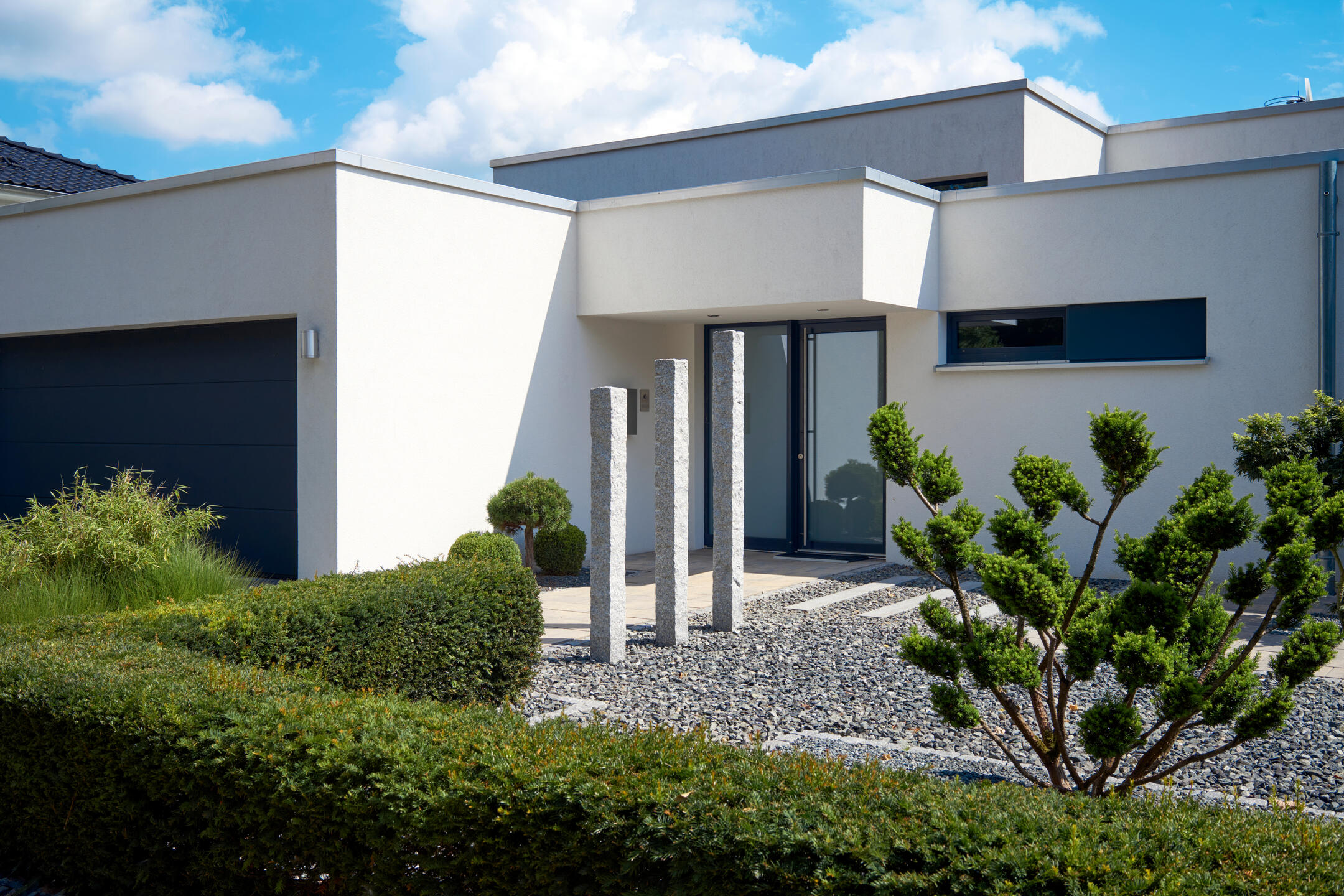
If you’re a homeowner or building owner looking to upgrade your roof, you might have come across the term “single ply membrane roof.” This modern roofing solution is gaining popularity for its durability, cost-effectiveness, and ease of installation. But what exactly is a single ply membrane roof, and why should you consider it for your property? In this comprehensive guide, we’ll explore everything you need to know about single ply membrane roofs, from their benefits to practical installation tips. Here’s what we’ll cover:
- What is a single ply membrane roof?
- 7 things you should know about single ply membrane roofs
- Common myths debunked
🤔 What is a Single Ply Membrane Roof?
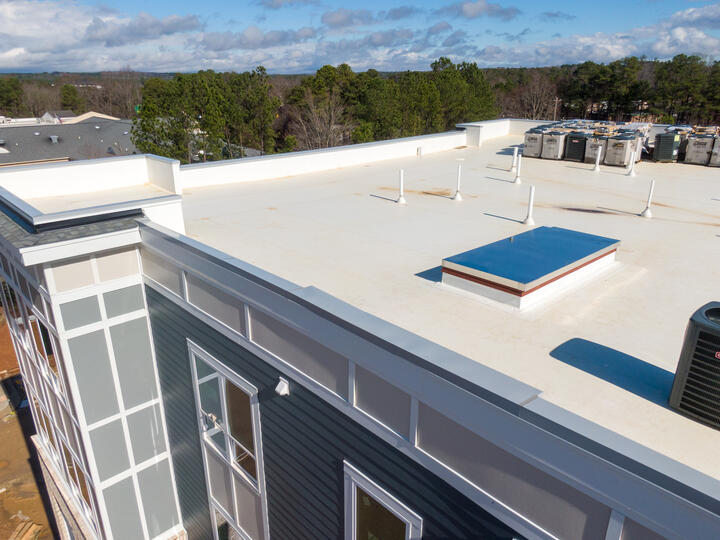
A single ply membrane roof is a type of flat or low-sloped roofing system that uses a single layer of waterproofing membrane. These membranes are made from synthetic materials, offering a high level of flexibility and strength. They’re designed to withstand various weather conditions, making them a popular choice for both residential and commercial properties.
Understanding the Basics
Single ply membranes are typically installed in large sheets, which minimizes the number of seams and reduces the potential for leaks. The most common materials used include Thermoplastic Olefin (TPO), Polyvinyl Chloride (PVC), and Ethylene Propylene Diene Monomer (EPDM). Each material has its unique properties and benefits, which we’ll discuss further in the next section.
Why It’s Gaining Popularity
One of the main reasons single ply membrane roofs are becoming increasingly popular is their versatility. They can be installed on various types of buildings, from residential homes to large commercial structures. Additionally, their lightweight nature means they can often be installed over existing roofing systems, reducing the need for costly tear-offs.
Key Features
Single ply membrane roofs offer several key features, including resistance to UV radiation, flexibility in cold temperatures, and excellent fire resistance. These attributes make them a reliable choice for long-term roofing solutions.
💡 7 Things You Should Know About Single Ply Membrane Roofs
Understanding single ply roofing systems is crucial for making informed choices about roofing solutions. These roofs offer durability, energy efficiency, and cost-effectiveness, making them a popular option for various building types.
1. Benefits of Single Ply Membrane Roofs
Choosing a single ply membrane roof comes with numerous advantages that make it an attractive option for many property owners.
Durability and Longevity
Single ply membranes are designed to last for decades, with many manufacturers offering warranties of up to 30 years. Their resistance to weathering, chemicals, and environmental pollutants ensures a long lifespan with minimal maintenance.
Energy Efficiency
Many single ply membranes are available in light-colored options, which reflect sunlight and reduce heat absorption. This can lead to significant energy savings by lowering cooling costs during hot summer months.
Cost-Effectiveness
Compared to traditional roofing materials, single ply membranes are often more affordable to install and maintain. Their lightweight nature reduces the need for structural reinforcements, further lowering installation costs.
2. Types of Single Ply Membrane Materials
There are three main types of single ply membrane materials, each with its own set of characteristics and benefits.
TPO (Thermoplastic Olefin)
TPO membranes are known for their excellent resistance to UV radiation and ozone. They’re also highly reflective, making them an energy-efficient choice. TPO is flexible in cold temperatures and can be heat-welded to create a strong, seamless bond.
PVC (Polyvinyl Chloride)
PVC membranes offer superior chemical resistance, making them ideal for roofs exposed to harsh environments. They’re also highly durable and can withstand extreme weather conditions. PVC is available in a variety of colors, allowing for greater aesthetic flexibility.
EPDM (Ethylene Propylene Diene Monomer)
EPDM membranes are renowned for their exceptional durability and flexibility. They’re resistant to UV radiation, ozone, and extreme temperatures, making them suitable for a wide range of climates. EPDM is also highly elastic, which helps it accommodate building movements without cracking.
3. Installation Process Explained
Installing a single ply membrane roof involves several key steps to ensure a secure and long-lasting finish.
Preparation
The first step is to prepare the roof surface by cleaning and removing any debris. If the existing roof is in good condition, the single ply membrane can often be installed directly over it.
Laying the Membrane
Next, the membrane sheets are rolled out and positioned on the roof. Depending on the material, the sheets may be mechanically fastened, fully adhered, or ballasted. Heat welding or adhesive is used to seal the seams, creating a watertight barrier.
Finishing Touches
Finally, the roof edges and penetrations are sealed to prevent water ingress. Proper flashing and detailing are essential to ensure the roof’s longevity and performance.
4. Maintenance Tips for Longevity
Regular maintenance is key to getting the most out of your single ply membrane roof.
Routine Inspections
Conduct regular roof inspections to identify and address any potential issues early. Look for signs of wear, damage, or ponding water.
Cleaning
Keep the roof surface clean by removing debris, dirt, and leaves. This helps prevent clogs in drainage systems and reduces the risk of water damage.
Repairs
Promptly address any minor repairs to prevent them from escalating into larger, more costly problems. Use compatible materials for patches and repairs to maintain the roof’s integrity.
5. Cost Considerations

Understanding the cost factors involved in installing a single ply membrane roof can help you budget effectively.
Initial Installation Costs
The initial cost of a single ply membrane roof varies depending on the material chosen, the roof size, and the complexity of the installation. TPO and EPDM are generally more affordable, while PVC tends to be on the higher end of the cost spectrum.
Long-Term Savings
While the upfront cost is an important consideration, the long-term savings on energy bills and maintenance can make single ply membranes a cost-effective choice. Their durability and low maintenance requirements reduce the need for frequent repairs and replacements.
Financing Options
Many roofing contractors, including Secured Roofing and Restorations, offer flexible financing options to help make your roofing project more affordable. Be sure to explore these options to find a solution that fits your budget.
6. Comparing Single Ply Membrane Roofs to Other Roofing Options
When considering a new roof, it’s important to compare single ply membranes with other popular roofing materials.
Asphalt Shingles
While asphalt shingles are a common choice for residential roofs, they generally have a shorter lifespan and require more maintenance compared to single ply membranes. However, they are often more affordable initially.
Metal Roofing
Metal roofs offer excellent durability and energy efficiency, similar to single ply membranes. However, they can be more expensive to install and may require additional structural support due to their weight.
Built-Up Roofing (BUR)
Built-up roofing systems are composed of multiple layers of bitumen and reinforcing fabrics. While they provide excellent waterproofing, they can be more labor-intensive to install and may not offer the same level of flexibility as single ply membranes.
7. Environmental Impact
Considering the environmental impact of your roofing choice is important for sustainable building practices.
Eco-Friendly Materials
Many single ply membranes are made from recyclable materials and can be recycled at the end of their lifespan. TPO and PVC are particularly noted for their eco-friendly properties.
Energy Efficiency
The reflective properties of many single ply membranes contribute to lower energy consumption by reducing the need for air conditioning. This not only saves money but also reduces your carbon footprint.
Reduced Waste
The ability to install single ply membranes over existing roofs minimizes waste and reduces the environmental impact of roof replacements.
❓ Common Myths Debunked

There are several misconceptions about single ply membrane roofs that deserve clarification.
Myth 1: Single Ply Membranes Are Not Durable
Fact: Single ply membranes are designed to withstand harsh weather conditions and can last for decades with proper maintenance.
Myth 2: Only Suitable for Commercial Buildings
Fact: While popular in commercial applications, single ply membranes are also an excellent choice for residential properties due to their versatility and performance.
Myth 3: Difficult to Repair
Fact: Single ply membranes are relatively easy to repair with compatible materials, ensuring a seamless and long-lasting fix.
🙌 Durable and Eco-Friendly Roofing Solutions for Your Property
Single ply membrane roofs present a durable, cost-effective, and environmentally friendly solution for both residential and commercial properties. At Secured Roofing and Restorations, our team of skilled professionals is dedicated to providing top-notch roofing services tailored to meet your specific needs. We bring years of experience to every project, ensuring meticulous installation and maintenance practices that guarantee your roof’s longevity and performance. Trust us to protect your investment with the highest quality materials and craftsmanship. Ready to upgrade your roofing? Contact us today for a free consultation and let us help you achieve the ideal roof for your property!
Tile Roof Repair (6 Simple Steps For Homeowners)

Tile roofs are known for their durability and aesthetic appeal. However, like any roofing material, they can suffer damage over time. Whether it’s due to severe weather, fallen branches, or general wear and tear, knowing how to repair your tile roofing is essential for maintaining your home’s integrity. In this guide, we’ll cover everything you need to know about tile roof repair, including:
- The popularity of tile roofs
- Benefits of tile roof repair
- 6 steps to repair roof tiles
👉 The Popularity of Tile Roofs
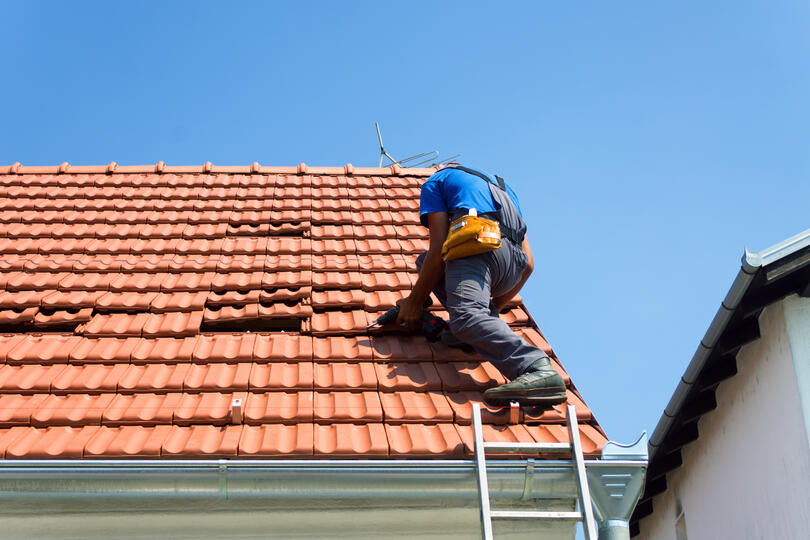
Tile roofs have been around for centuries, prized for their longevity and classic look. Homeowners often choose them for their aesthetic appeal and ability to withstand harsh weather conditions. But despite their sturdiness, they still require maintenance and occasional repair.
Why Choose Tile Roofs?
Tile roofs are not just about aesthetics; they offer a multitude of benefits that make them a wise investment for homeowners. Some key advantages include:
- Excellent insulation properties for improved energy efficiency.
- Natural fire resistance, enhancing safety against fire hazards.
- Longevity, with proper maintenance, lasting up to 100 years.
- Increased property value and curb appeal.
Their durability and longevity appeal to homeowners seeking a sustainable and reliable roofing solution.
Common Issues with Tile Roofs
Despite their durability, tile roofs are not immune to issues. Homeowners may encounter problems such as cracked or broken tiles, which can occur due to harsh weather conditions, impacts from debris, or age. Water leakage is another concern, as it can lead to interior damage and mold growth if not addressed promptly. Mold growth is particularly concerning not only for the integrity of the roof but also for the health of the occupants. Regular inspections and prompt repairs are crucial in managing these common issues, as neglecting them can lead to more significant damage and costly repairs down the line.
The Importance of Regular Maintenance
Regular maintenance is key to extending the life of your tile roof and ensuring it remains visually appealing and functional. This includes periodic inspections to identify any potential issues before they escalate. Minor repairs, such as replacing damaged tiles or cleaning debris from the roof surface, can prevent small problems from turning into major headaches.
Establishing a maintenance schedule is a practical approach that can save homeowners money in the long run, as proactive care often prevents the need for extensive repairs or premature roof replacement. By investing time in regular maintenance, homeowners can enjoy the benefits of their tile roof for decades to come.
✅ Benefits of Tile Roof Repair
Understanding the benefits of repairing your tile roof can motivate you to take action when needed. Here are some key advantages:
Cost Savings: DIY repairs can save you a significant amount of money compared to hiring professionals. Plus, regular maintenance can prevent costly damage in the future.
Increased Home Value: A well-maintained roof enhances your home’s curb appeal and can increase its market value. Potential buyers are more likely to invest in a property with a sturdy, attractive roof.
Improved Energy Efficiency: Repairing damaged tiles can improve your roof’s insulation, leading to better energy efficiency. This means lower utility bills and a more comfortable living environment.
Extended Roof Lifespan: Regular repairs can extend the lifespan of your tile roof, ensuring that it continues to protect your home for years to come.
Enhanced Weather Resistance: Repairing any damaged tiles helps your roof better withstand harsh weather conditions, reducing the risk of leaks and further damage.
Better Aesthetic Appeal: Addressing issues with your tile roof can restore its appearance, making your home look well-cared-for and appealing.
Preventative Maintenance: Repairing small issues before they escalate can save you time and money in the long run, preventing major repairs down the line.
Peace of Mind: Knowing that your roof is in good condition provides peace of mind, allowing you to focus on other aspects of homeownership without worry.
🛠️ 6 Steps to Repair Roof Tiles
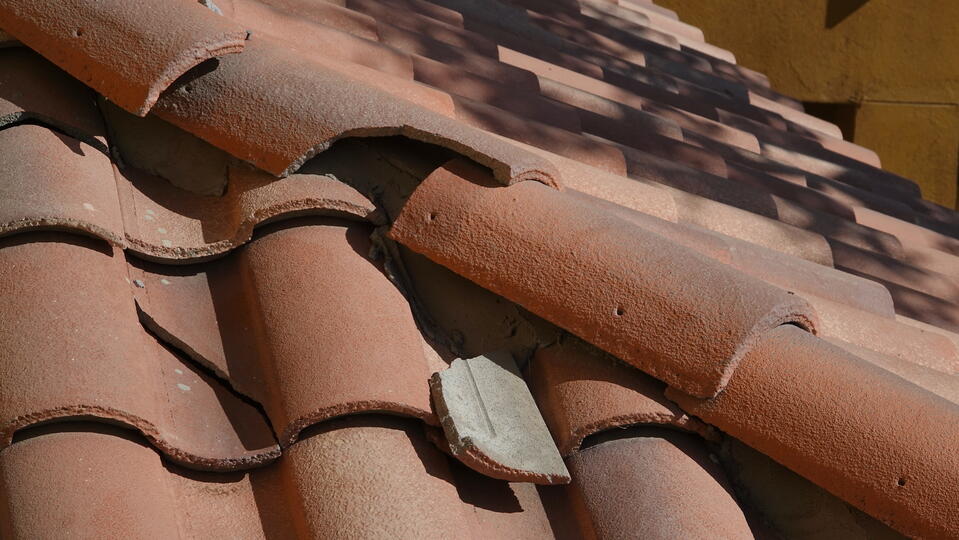
Repairing roof tiles might seem intimidating, but with the right approach, it’s straightforward. Here are the steps you need to follow:
1. Safety First
Before starting any repair project, safety should always be your top priority. Make sure you have all the necessary safety gear to protect yourself during the process. This includes durable gloves to safeguard your hands from sharp edges and debris, safety glasses to shield your eyes from falling materials, and a sturdy ladder that can support your weight and reach the necessary height safely. It’s also a good practice to work with a partner whenever possible. Having someone with you not only provides an extra set of hands but also ensures assistance in case of any emergencies, making the entire process much safer.
2. Locate the Damaged Tiles
Carefully inspect your roof to identify any damaged tiles that may need replacement. Take your time to look for visible signs of wear, such as cracks, chips, or tiles that are completely missing. It may help to use binoculars from the ground to get a better view. As you identify these issues, mark them clearly with chalk or tape, so you can easily find them when you’re ready to make the repairs. You might also want to take photos for reference, which can be especially helpful if you’re hiring someone to assist in the repair.
3. Remove the Damaged Tiles
To remove the damaged tiles, utilize a flat pry bar to gently lift the affected tile from its position. Be careful when doing this, as it’s essential not to damage the surrounding tiles during the removal process. Take your time and apply even pressure to avoid breaking adjacent tiles. Once the damaged tile is lifted, slide it out carefully, and set it aside for proper disposal later. If you’re facing difficulty lifting the tile, check to see if there are any nails or fasteners holding it in place that need to be removed first.
4. Install the New Tile
After successfully removing the damaged tile, it’s time to install the new one. Begin by sliding the new tile into place, ensuring it fits snugly and aligns perfectly with the surrounding tiles to maintain the aesthetic and waterproofing of the roof. If necessary, use a rubber mallet to gently tap the tile into position, taking care not to use excessive force, which could cause damage. Once the tile is secured in place, use roofing nails or adhesive, depending on your roof type, to fasten it firmly. Ensure that you follow the manufacturer’s guidelines for any specific installation requirements.
5. Check for Proper Fit
Once the new tile is installed, take a moment to inspect the fit carefully. It’s crucial that the new tile sits snugly and aligns correctly with the rest of the roof. Look for any gaps or misalignments that might compromise the integrity of your repair. If you notice any discrepancies, make the necessary adjustments, such as repositioning the tile or tightening the fasteners. A seamless repair not only enhances the appearance of your roof but also ensures that it functions correctly, preventing leaks and further damage.
6. Clean Up
After completing the tile replacement, take a moment to clean up the work area on the roof. This includes clearing away any debris, such as broken tiles, nails, and excess materials, to ensure a safe working environment. Properly dispose of the damaged tiles and any other waste according to your local regulations. Additionally, check that all tools are accounted for and securely stored away. Finally, ensure that the area is safe and free of hazards to prevent any accidents in the future. A tidy workspace not only looks better but also promotes safety for any future maintenance work you might undertake.

🙌 Maintain Beauty and Functionality with Secured Roofing and Restorations
Tile roof repair doesn’t have to be overwhelming. With the right knowledge and tools, you can easily repair your roof and maintain its beauty and functionality. Regular maintenance and prompt repairs will ensure your tile roof lasts for years to come.
At Secured Roofing and Restorations, we understand the importance of a well-maintained roof. Our team of experts is here to help you with all your roofing needs. Whether you need a simple repair or a complete roof replacement, you can trust us to get the job done right. Contact us today to learn more about our services and how we can help you keep your home secure and your family safe.
10 Popular House And Roof Color Combinations (2024)
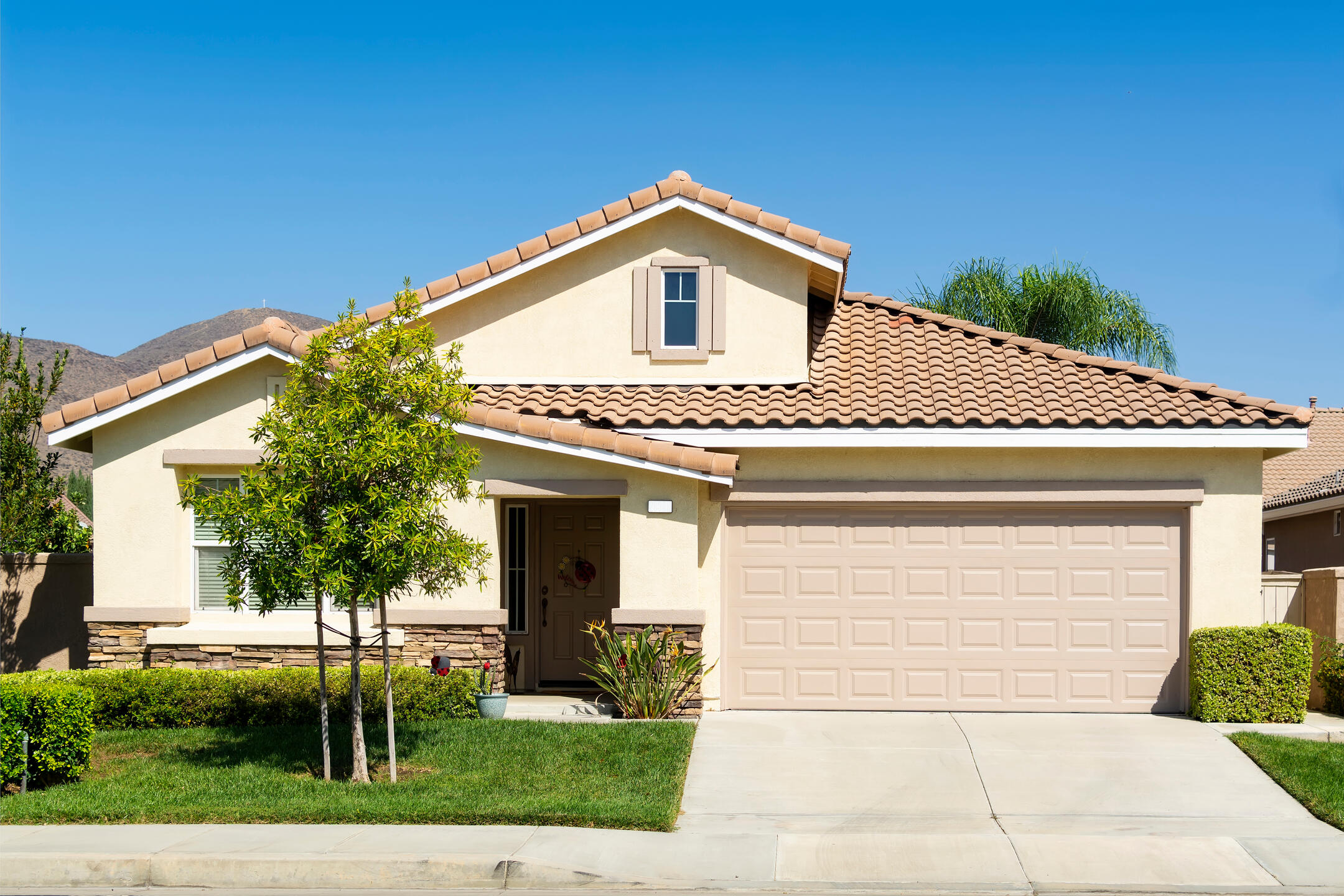
Choosing the perfect house and roof color combinations isn’t just about aesthetics; it’s also about enhancing your home’s curb appeal, value, and overall harmony. With so many options out there, making the right choice can be daunting. But don’t worry! This guide will walk you through the best combinations for 2024, ensuring your home stands out in the best way possible, including:
- How to Use Color to Highlight Features
- The Role of Texture and Material
- Eco-Friendly and Sustainable Options
- 10 Popular House And Roof Color Combinations
- Mistakes to Avoid When Choosing Colors
🎨 How to Use Color to Highlight Features
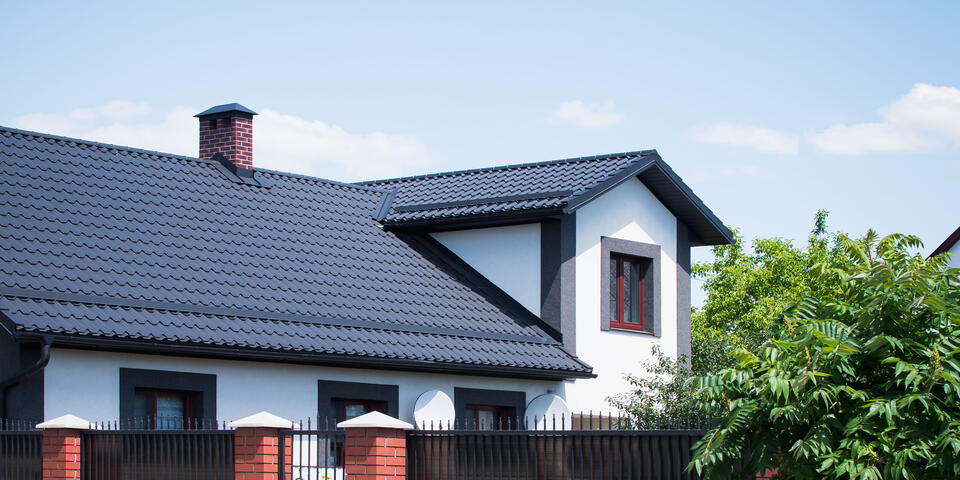
Strategically using color can highlight architectural features and add depth to your home’s exterior. For instance, using a different color for trim can make windows and doors pop.
Accentuate Windows and Doors: Choose a contrasting color for window frames and doors to create striking focal points. This approach not only enhances the overall aesthetics but also injects personality and charm into your home’s design, making these elements stand out beautifully against the main color.
Highlight Architectural Details: Architectural features such as gables, columns, and railings can be accentuated with complementary colors. By applying a well-chosen hue, you can bring out the intricacies of these elements, adding dimension and visual interest that draws the eye and showcases the craftsmanship of your home.
Create Visual Balance: Use color strategically to establish balance within your home’s proportions. Darker shades can help large sections recede, creating a sense of depth, while lighter colors can bring forward specific elements, creating a harmonious and cohesive look that enhances the overall appeal of your exterior.
👉 The Role of Texture and Material
The texture and material of your roof and walls can also influence color choices. For example, a textured roof material like shingles may look different in certain colors compared to a smoother metal roof.
Shingles vs. Metal Roofs
Shingles offer versatility in both style and color, making them a popular choice for homeowners seeking a traditional aesthetic. Their texture can influence how light interacts with the surface, affecting the overall appearance of paint colors. Metal roofs, with their sleek finishes, can create a striking contrast with bright or bold colors, allowing for more contemporary looks that stand out against the environment.
Stucco vs. Brick Walls
Stucco walls, with their smooth, textured surface, naturally complement earthy tones, creating a harmonious look that blends well with nature. The texture of stucco can soften the impact of paint colors, making them appear warmer and more inviting. Conversely, brick walls, with their rough texture and natural color variations, benefit from complementary hues that enhance their inherent beauty, creating a balanced and cohesive exterior.
Vinyl Siding
Vinyl siding is a versatile choice, available in various colors and finishes. Its smooth texture allows for vibrant color choices, contributing to a modern appearance that can elevate your home’s curb appeal. Because vinyl is low maintenance and resistant to fading, selecting the right paint colors ensures that the exterior remains vibrant and appealing over time, while the material’s texture can enhance the visual interest of the design.
Enhancing with Trim and Accents
Trim and accent colors play a crucial role in tying together the home’s overall look, as they can either highlight architectural features or create a more unified appearance. The choice of shades for these elements can significantly impact the perception of texture and depth. When selecting paint colors, consider how trim and accents interact with the primary materials, as the right combination can elevate the overall aesthetic of your home.
Matching Colors to Architectural Styles
Your home’s architectural style should guide your color choices. Different styles lend themselves to different palettes:
Colonial Style: Classic colors like white, beige, and muted greens work beautifully with Colonial-style homes. They highlight the symmetrical design and traditional elements.
Mediterranean Style: Warm, earthy tones like terracotta, ochre, and olive green are perfect for Mediterranean homes. These colors enhance the rustic, sun-soaked vibe.
Modern Style: Sleek, minimalist colors such as black, white, and gray are ideal for modern homes. They emphasize clean lines and contemporary design.
🌱 Eco-Friendly and Sustainable Options
In 2024, eco-friendly options are more important than ever. Consider sustainable materials and colors that reflect heat to reduce energy consumption.
Cool Roofs: Cool roofs are designed to reflect more sunlight and absorb less heat, helping to keep buildings cooler in warm weather. By using light-colored or reflective materials, these roofs can significantly reduce energy bills by decreasing the need for air conditioning, making them a smart choice for both comfort and cost savings.
Sustainable Paints: Choosing eco-friendly paints with low VOC (volatile organic compounds) levels is essential for improving indoor air quality and reducing environmental pollution. These paints emit fewer harmful chemicals, making them safer for your health and the planet while still providing a beautiful finish for your home.
Recycled Materials: Utilizing recycled materials for your roof is a sustainable option that reduces waste and conserves resources. These materials, such as recycled shingles or metal, are often durable and require less energy to produce, resulting in a lower environmental impact while still offering long-lasting protection for your home.
🏠 10 Popular House And Roof Color Combinations
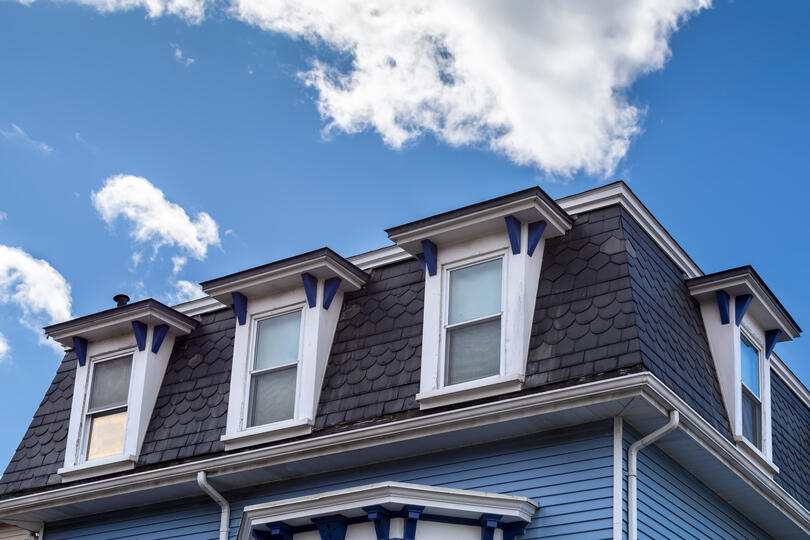
Here are some of the most popular house and roof color combinations for 2024:
1. Light Gray House with Dark Gray Roof
This sophisticated combination is both modern and timeless. The light gray exterior exudes a sense of calm and serenity, while the dark gray roof adds depth and structure. This pairing is perfect for urban settings, where clean lines and a muted palette create a chic aesthetic. The versatility of light gray allows for various accent colors, making it easy to personalize your home’s exterior with vibrant door colors or landscaping.
2. Cream House with Dark Brown Roof
The warmth of a cream exterior paired with a rich brown roof is inviting and classic. This combination exudes a sense of comfort and elegance, making it a popular choice for traditional homes. The dark brown roof complements the cream walls beautifully, creating a harmonious look that works well in both suburban neighborhoods and rural settings. Adding wooden accents or charming shutters can enhance the rustic feel, making the home even more inviting.
3. Blue House with White Roof
Fresh and vibrant, a blue house with a white roof is perfect for coastal areas. This cheerful color scheme evokes feelings of tranquility and relaxation, reminiscent of seaside cottages. The white roof not only provides a striking contrast but also reflects sunlight, helping to keep the house cooler in warmer climates. This combination is ideal for beach towns, where adding nautical elements like a rope wreath or seashell decorations can enhance the coastal vibe.
4. Red Brick House with Black Roof
This bold combination makes a statement. The rich texture of red brick paired with a sleek black roof creates a striking visual contrast that is both classic and contemporary. This pairing is often seen in urban areas, where the modern design of the black roof adds an edge to the traditional look of red brick. Accenting with black window frames or a contemporary front door can further unify the design and enhance the home’s curb appeal.
5. Yellow House with Green Roof
Cheerful and unique, a yellow house with a green roof stands out without being overwhelming. This combination is perfect for countryside homes, where it can blend beautifully with the natural surroundings. The bright yellow exterior radiates warmth and happiness, while the green roof offers a refreshing touch that echoes the hues of nature. To enhance this playful color scheme, consider adding vibrant flower boxes or a charming front porch that invites relaxation and enjoyment of the outdoors.
6. White House with Black Roof
This timeless combination offers a clean, sophisticated look that has stood the test of time. The striking contrast between the bright white exterior and the bold black roof creates a visually stunning appearance, making it a favorite choice among homeowners and designers alike. This pairing not only enhances the architectural features of the home but also provides versatility, allowing it to complement various landscaping styles and surroundings. Whether situated in a suburban neighborhood or a rural setting, this classic color scheme attracts attention and admiration while maintaining a sense of elegance.
7. Beige House with Brown Roof
A beige house paired with a brown roof radiates a warm, inviting feel that encourages a sense of comfort and relaxation. This combination is particularly effective for homes nestled in natural surroundings, as it harmonizes beautifully with earthy tones found in nature such as trees and soil. The soft beige provides a neutral backdrop, while the rich brown adds depth and character. This color scheme works well in various architectural styles, from traditional to craftsman, and creates a welcoming atmosphere that feels like home. Adding natural elements like wooden accents or stone pathways can further enhance this warm aesthetic.
8. Gray House with Blue Roof
The pairing of gray and blue is a versatile combination that exudes modernity and calmness. Gray serves as a sophisticated base that complements a range of styles, while the blue roof adds a refreshing pop of color, reminiscent of serene skies and tranquil waters. This combination is ideal for contemporary homes that seek to make a statement without being overly bold. It allows homeowners to embrace a minimalist yet stylish approach, and can be further enhanced with complementary landscaping, such as greenery or colorful flowers, creating a peaceful and inviting atmosphere.
9. Charcoal House with Metallic Roof
This edgy combination is perfect for urban settings, where creativity and innovation often reign supreme. The sleek charcoal exterior provides a dramatic canvas, while the metallic roof adds a futuristic touch that stands out against the city skyline. This bold pairing not only showcases a modern aesthetic but also reflects a sense of individuality and style. The use of metallic materials can create striking reflections and shadows, enhancing the architectural features of the home. To complete the look, consider incorporating industrial-style elements and landscaping that complements the contemporary vibe.
10. Olive Green House with Terra Cotta Roof
This earthy pairing brings a touch of nature to your home, creating a unique yet subtle way to make your house stand out. The olive green exterior evokes a sense of tranquility and connection to the environment, while the warm terra cotta roof adds a rustic charm that is reminiscent of Mediterranean architecture. This combination is ideal for homes surrounded by greenery, as it can blend seamlessly with the natural landscape. To enhance this aesthetic, consider adding wooden features, terracotta planters, or natural stone elements that echo the colors of the roof and provide a cohesive look that celebrates both comfort and style.
🚫 Mistakes to Avoid When Choosing Colors
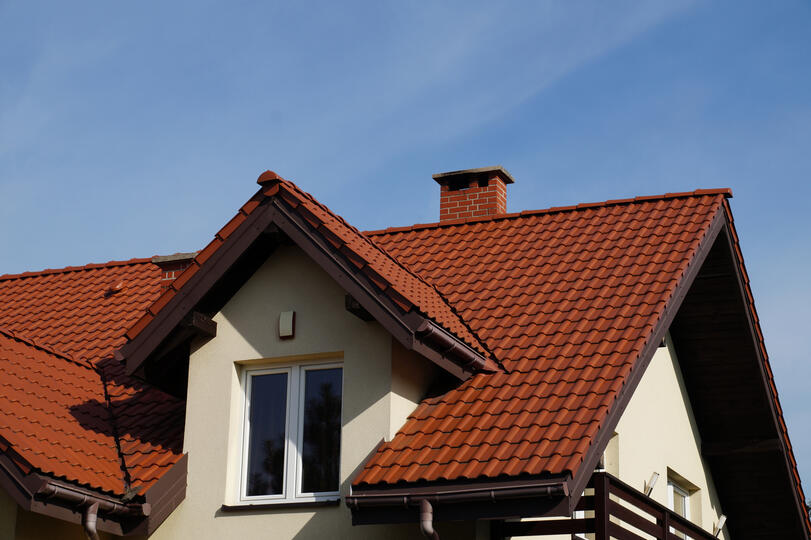
Choosing the wrong color combination can detract from your home’s appeal. Here are common mistakes to avoid:
Ignoring the Environment
Neglecting the natural surroundings when selecting colors can lead to a jarring aesthetic that clashes with the landscape. It’s essential to consider elements like local flora, terrain, and the styles of neighboring homes. A harmonious palette that blends well with the environment not only enhances your property but also contributes positively to the community aesthetic.
Overlooking the Roof
The roof plays a significant role in the overall visual appeal of a home. Choosing a color that clashes with the roof can create an unbalanced look. It’s crucial to ensure that the roof color complements the exterior hues of your house, creating a cohesive and inviting appearance. Consider the materials and shades of your roof when making color selections for the walls and trim.
Following Trends Blindly
Staying updated on design trends can be beneficial, but blindly following them may lead to choices that quickly feel outdated. It’s vital to select colors that resonate with your personal style and will remain appealing over time. Opt for timeless shades that reflect your personality, ensuring your home remains a true expression of you, rather than just a passing trend.
🙌 Transform Your Home with Perfect Roof Color Combinations
Selecting the perfect house and roof color combinations can transform your home, enhancing its curb appeal and value. By understanding color psychology, considering the environment, and seeking professional guidance, you can create a stunning exterior that reflects your personal style.
At Secured Roofing and Restorations, we specialize in helping homeowners find the perfect color combinations for their roofs. Our team’s expertise and commitment to quality make us the trusted choice for all your roofing needs. Ready to transform your home? Get in touch with us today and discover how we can help you achieve your dream look.
The Top 7 Roof Sealants For Roof Repairs? (2024)
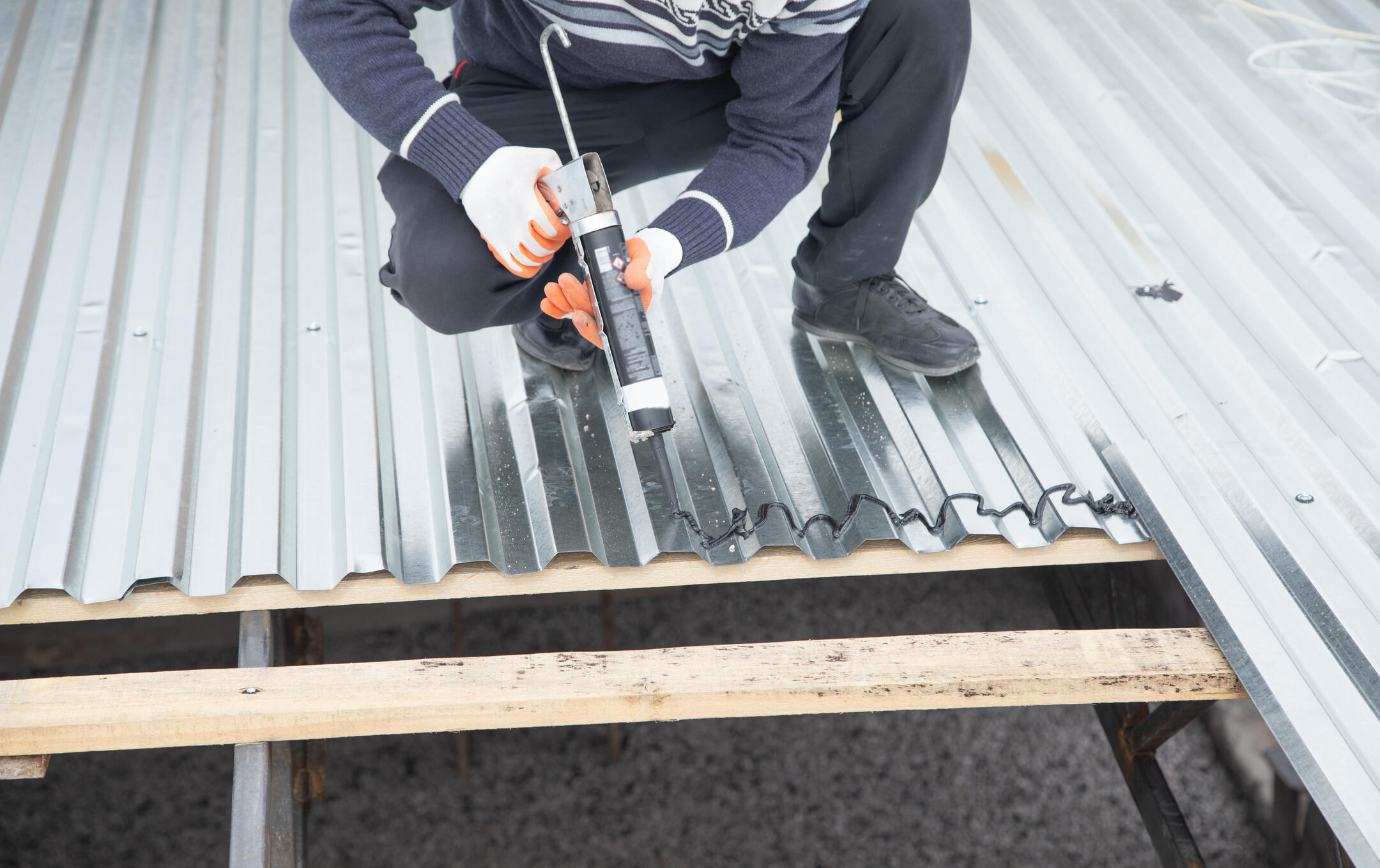
Maintaining the integrity of your roof is crucial for the safety and longevity of your home. One effective way to protect and repair your roof is by using a roof sealant. In this post, we will explore the top roof sealants for roof repairs in 2024, providing homeowners with valuable insights, practical tips, and examples to help you make an informed decision, including:
- Benefits of using roof sealants
- Top 7 roof sealants for various roofing materials
- Maintenance tips for sealed roofs
- Frequently asked questions
✅ Benefits of Using Roof Sealants
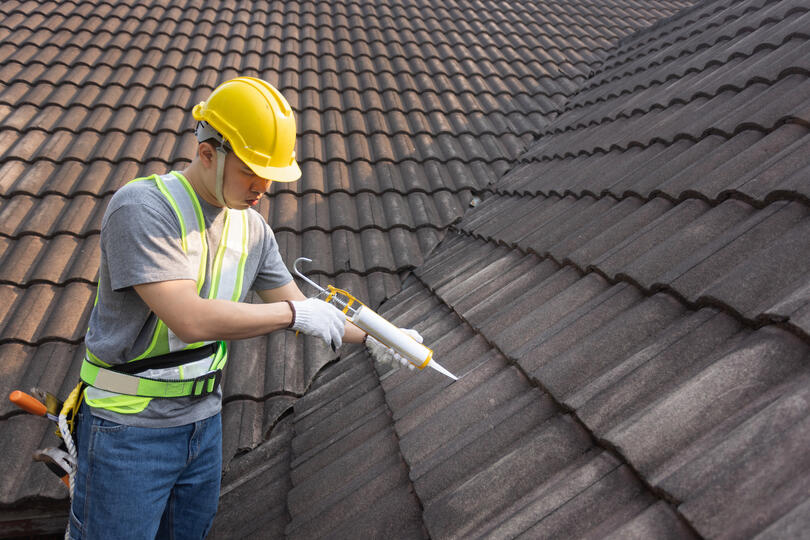
Roof sealants offer several benefits that contribute to the overall health and longevity of your roof.
- Enhanced Waterproofing: One of the primary functions of roof sealants is to provide a waterproof barrier. This prevents water from seeping into your roof structure, which can cause significant damage over time.
- UV Protection: Roof sealants can also protect your roof from harmful UV rays. This reduces the risk of cracking and degradation, especially in regions with intense sunlight.
- Prolonged Roof Life: By applying a roof sealant, you can extend the lifespan of your roof. Sealants help maintain the roof’s structural integrity, reducing the need for frequent repairs.
- Energy Efficiency: Roof sealants can improve energy efficiency by reflecting sunlight, keeping your home cooler in hot weather and reducing air conditioning costs.
- Mold and Mildew Prevention: Applying roof sealants helps prevent the growth of mold and mildew by creating a barrier against moisture, ensuring a healthier living environment.
Roof Sealants for Various Roofing Materials
Different roofing materials require specific sealants to achieve the best results. Here are the top roof sealants for different types of roofs.
Metal Roofs: For metal roofs, silicone sealants are the best choice due to their flexibility and resistance to temperature fluctuations.
Asphalt Shingles: Acrylic sealants work well with asphalt shingles, providing excellent UV protection and easy application.
Flat Roofs: Polyurethane sealants are ideal for flat roofs, offering strong adhesion and durability to withstand pooling water.
👉 The Top 7 Roof Sealants For Roof Repairs
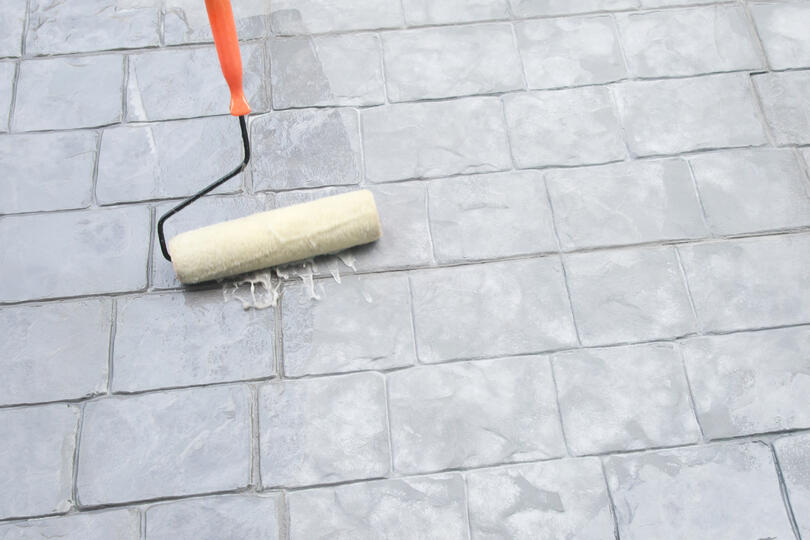
Choosing the right roof sealant is crucial for ensuring effective repairs and protecting your home from leaks and damage. The top sealants can enhance the longevity of your roof and maintain its integrity against the elements.
1. Silicone Sealants
Silicone sealants are known for their exceptional durability and weather resistance, making them a top choice for flat roofs and areas susceptible to water pooling. They can withstand extreme temperatures and harsh environmental conditions, ensuring that your roof remains sealed against leaks and moisture for years. Additionally, silicone sealants maintain flexibility over time, preventing cracking and providing a long-lasting solution for any roofing project.
2. Acrylic Sealants
Acrylic sealants are celebrated for their UV resistance and flexibility, which makes them perfect for sloped roofs. Their ease of application allows both professionals and DIY enthusiasts to achieve a seamless finish. These sealants are also paintable, which means they can blend well with the existing roof color, enhancing aesthetics while providing reliable protection. Furthermore, acrylic sealants are water-based, making them a more eco-friendly option without compromising performance.
3. Polyurethane Sealants
Polyurethane sealants offer robust adhesion, making them an excellent choice for bonding to a variety of roofing materials, including metal, concrete, and asphalt. Their versatility ensures that they can be used in different applications, from sealing joints to repairing cracks. Polyurethane sealants also have impressive elasticity, enabling them to accommodate roof movement and thermal expansion without losing effectiveness, which is vital for maintaining a watertight seal.
4. Rubberized Asphalt Sealants
With their outstanding waterproofing capabilities, rubberized asphalt sealants are ideal for repairing and sealing roof leaks. These sealants form a thick, flexible membrane that protects against water infiltration, making them perfect for areas that experience heavy rain or snow. Their ability to adhere to multiple surfaces and create a strong bond ensures a reliable repair that can withstand the test of time. Additionally, rubberized asphalt sealants can be applied in various temperatures, increasing their usability throughout the year.
5. Elastomeric Sealants
Elastomeric sealants are particularly well-suited for commercial roofing applications, thanks to their ability to expand and contract with temperature fluctuations. This flexibility guarantees long-lasting protection against the elements, reducing the risk of cracking or peeling over time. Ideal for flat and low-slope roofs, elastomeric sealants create a durable, waterproof barrier that safeguards the underlying materials. Their application is straightforward, and they provide excellent adhesion, ensuring a secure seal that can withstand various weather conditions.
6. Bitumen Sealants
Bitumen sealants are highly effective for flat roofs, often used in conjunction with roofing felt or membrane systems to create a robust waterproof barrier. These sealants offer excellent adhesion and can withstand temperature changes while remaining flexible. Their durability makes them a popular choice for both new roofing projects and repairs, as they help to extend the lifespan of the roofing system. Bitumen sealants are also resistant to UV rays, ensuring that they maintain their integrity over time.
7. Water-Based Sealants
Water-based sealants are an environmentally friendly option that’s easy to apply, making them an excellent choice for residential roofing projects where minimal environmental impact is preferred. These sealants provide decent durability and are suitable for various applications, from sealing small leaks to protecting against moisture infiltration. Their low VOC content ensures a healthier application process, and they can typically be cleaned up with soap and water. Water-based sealants are ideal for homeowners looking for an efficient and eco-conscious solution to their roofing needs.
💡 Maintenance Tips for Sealed Roofs
Regular maintenance is key to prolonging the life of your sealed roof. Here are some tips to keep your roof in top condition.
- Regular Inspections: Conduct regular inspections to identify any signs of wear or damage. Address issues promptly to prevent further deterioration.
- Clean Gutters: Keep your gutters clean to prevent water buildup and ensure proper drainage. Clogged gutters can lead to water pooling on your roof, causing damage.
- Reapply Sealant as Needed: Over time, sealants may degrade and lose their effectiveness. Reapply sealant as needed to maintain optimal protection.
- Trim Overhanging Branches: Keep trees trimmed to prevent branches from rubbing against your roof or falling on it during storms. This helps avoid damage and reduces debris buildup.
- Monitor for Moss and Algae: Check for moss or algae growth, as these can trap moisture and lead to roof damage. If you notice any, use a gentle cleaner to remove it and prevent future growth.
Common Mistakes to Avoid When Using Roof Sealants
Avoid these common mistakes to ensure the effectiveness of your roof sealant application.
Inadequate Surface Preparation: Proper surface preparation is crucial for ensuring a strong bond between the roof and the sealant. Neglecting to clean away dirt, debris, or old sealants can create barriers that prevent effective adhesion. This can lead to leaks and require more frequent repairs, ultimately increasing maintenance costs.
Over-Application: While it may seem beneficial to apply more sealant for better coverage, over-application can backfire. It can create thick layers that take longer to dry and may not cure properly, leading to a sticky surface that attracts dirt and debris. Always adhere to the manufacturer’s guidelines to ensure optimal results and avoid unnecessary waste.
Ignoring Weather Conditions: Weather plays a significant role in the effectiveness of sealants. Applying sealant during rainy or excessively hot conditions can hinder its ability to adhere properly and cure effectively. It’s best to choose a dry day with moderate temperatures to ensure that the sealant performs as intended, providing long-lasting protection for your roof.
❓ Frequently Asked Questions
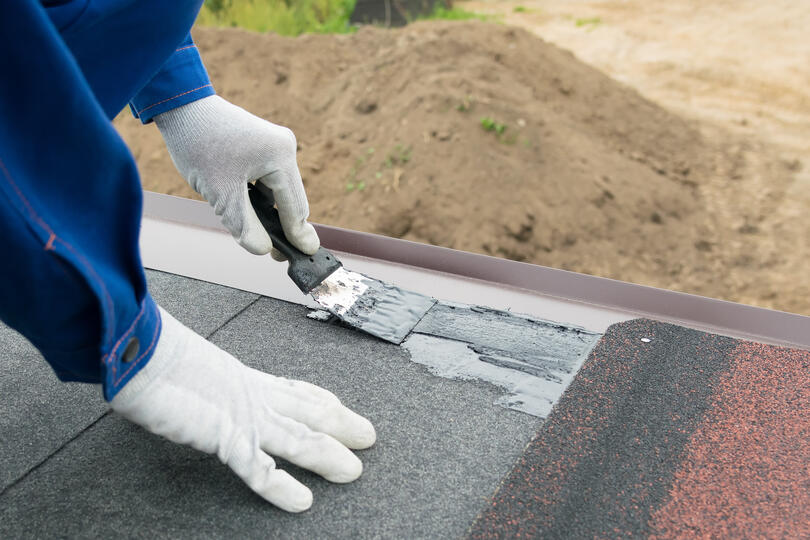
Here are some common questions homeowners have about roof sealants.
Q: How Long Does Roof Sealant Last?
The lifespan of roof sealants varies depending on the type and quality of the product. On average, sealants can last between 5 to 10 years.
Q: Can Roof Sealant Be Applied in Cold Weather?
Some sealants can be applied in colder temperatures, but it’s generally best to apply them in moderate weather conditions for optimal results.
Q: Is Roof Sealant Environmentally Friendly?
Many roof sealants are formulated to be environmentally friendly. Look for products labeled as low-VOC or water-based for eco-friendly options.
🙌 Trust Secured Roofing and Restorations for Your Roofing Needs
Choosing the right roof sealant is crucial for maintaining the integrity and longevity of your roof. By understanding the different types of sealants, their benefits, and proper application techniques, you can ensure your roof remains in top condition for years to come.
At Secured Roofing and Restorations, we pride ourselves on providing expert roofing services you can trust. Whether you’re dealing with storm damage, needing a roof replacement, or simply looking to rejuvenate your existing roof, our team is here to help. Our commitment to quality and customer satisfaction makes us the number one choice for homeowners in Central Florida.
Ready to secure your roof? Contact us today and discover why Secured Roofing and Restorations is the team you can rely on for all your roofing needs.
Will Missing Shingles Cause Roof Leaks? (Signs, Fixes…)
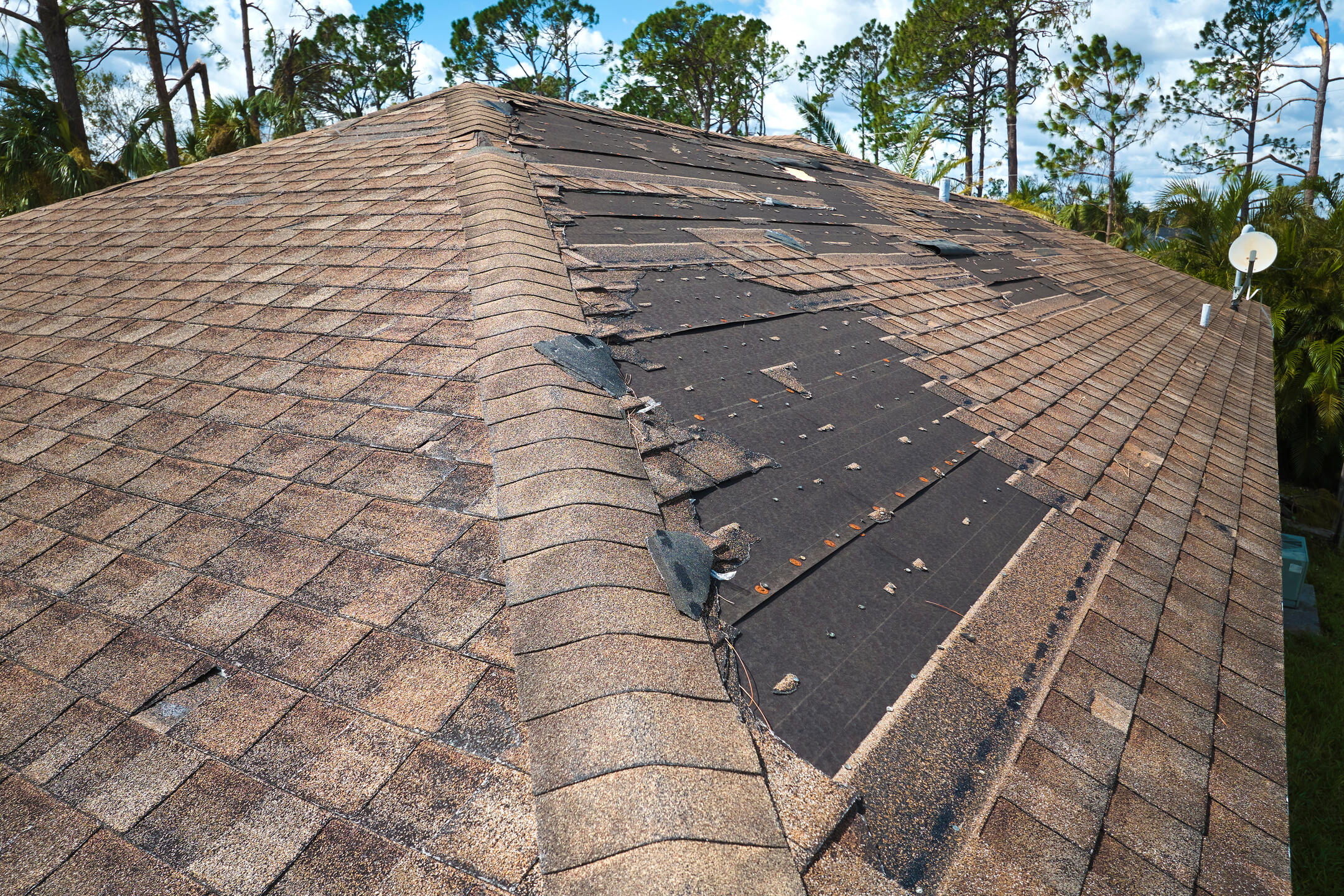
Finding shingles scattered across your yard after a storm can be alarming. You might wonder if the absence of a few shingles is a minor issue or a harbinger of roof leaks and water damage. In this blog post, we will explore the impact of missing shingles on your roof, how to identify the signs, and what actions you can take to fix the problem. Here’s what we’ll cover:
- What Are Missing Shingles?
- Impact on Roof Integrity
- 9 Signs Your Roof is Missing Shingles
- What to Do If You Find Missing Shingles
🤔 What Are Missing Shingles?
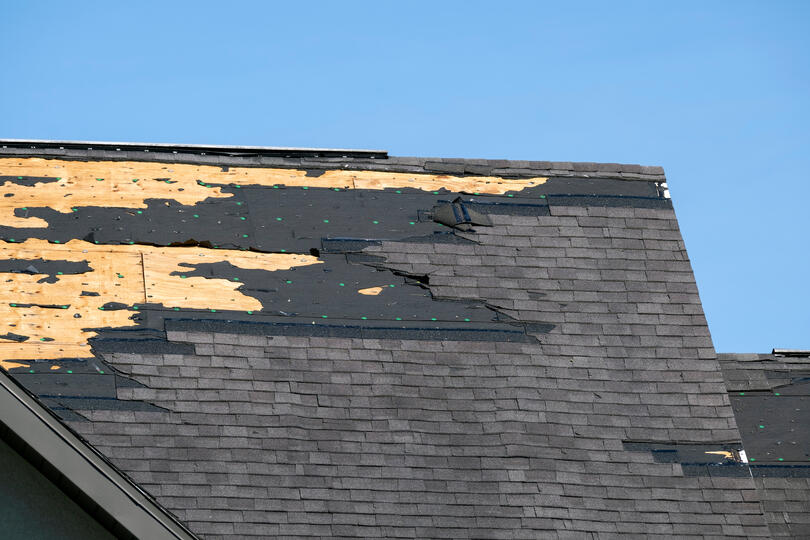
Missing shingles refer to those roofing materials that have become detached from your roof surface. This detachment can occur due to a variety of factors, such as extreme weather events, the natural aging process of the materials, or improper installation practices. When shingles are missing, the protective underlayment and decking of your roof are exposed to environmental elements like rain, snow, and sunlight, which can lead to significant and costly damage over time.
Why Do Shingles Go Missing?
There are multiple reasons why shingles may go missing from your roof. Severe weather conditions, including storms, high winds, and hail, can physically remove shingles or loosen them, causing them to detach. Additionally, the natural wear and tear that occurs as shingles age can weaken their adherence. Poor installation techniques, which can fail to secure shingles properly, and even wildlife activity—such as birds or squirrels—can also result in shingles being pulled off or damaged.
The Importance of Shingles
Shingles play a critical role as the first line of defense for your roof. They serve to protect the underlying layers, including the underlayment and decking, from moisture intrusion, harmful UV rays, and physical damage from debris. When shingles are intact, they help maintain the roof’s integrity, preventing leaks and the growth of mold. If shingles are missing, it significantly increases the risk of water damage and structural issues, making it vital to address any missing shingles immediately to ensure the longevity and safety of your home.
⏳ Impact on Roof Integrity
Short-term vs. Long-term Effects
In the short term, missing shingles might not seem like a big deal, but they can quickly lead to more significant issues. Water can seep into the exposed areas, leading to leaks and water damage inside your home. Over time, this can compromise the structural integrity of your roof, resulting in costly repairs or even a full roof replacement.
How to Inspect Your Roof
Regular roof inspections can help you spot missing shingles before they cause major problems. Use binoculars to scan your roof from the ground or climb up safely to get a closer look. Look for bare spots, curled shingles, and areas where the granules seem to be missing.
⚠️ 9 Signs Your Roof is Missing Shingles

It’s essential to recognize the signs that indicate missing shingles. Here are the top signs to watch for:
1. Visible Gaps
One of the most obvious signs that your roof is missing shingles is the presence of noticeable gaps where shingles used to be. These gaps can allow water, debris, and pests to enter your home, increasing the risk of further damage. If you can see bare patches on your roof, it’s essential to address this issue promptly to prevent leaks and structural damage.
2. Loose Debris
After a storm, if you find shingles or fragments of shingles scattered in your yard, it may indicate that your roof has experienced damage. Loose debris can be a telltale sign that your shingles have become dislodged, which can expose your roof to the elements and lead to more significant issues if not repaired quickly.
3. Water Stains
Water stains on your ceilings or walls are a clear indicator of a leak, which could be caused by missing shingles. These stains often appear as dark patches and can lead to mold growth and structural damage if not addressed. If you notice these stains, it’s crucial to investigate your roof for any signs of missing shingles that could allow water to seep in.
4. Granules in Gutters
If you notice an accumulation of shingle granules in your gutters or downspouts, it may signal that your shingles are deteriorating. Granules help protect shingles from UV rays and other elements, and their loss can lead to further degradation of your roof. Regularly checking your gutters for these granules can help you catch roofing issues early.
5. Bald Spots
Areas on your roof that appear bare or have significantly fewer shingles than the surrounding areas are referred to as bald spots. These spots can be a result of wind damage, wear and tear, or improper installation. Bald spots compromise your roof’s integrity, making it more susceptible to leaks and other damages.
6. Curling or Buckling
Shingles that are curling at the edges or buckling can be a sign that they are nearing the end of their lifespan. This damage can create gaps that allow water to penetrate your roof. Curling and buckling can occur due to extreme weather conditions or improper installation, making it essential to monitor your roof’s condition regularly.
7. Light Through the Roof
If you can see daylight peeking through the roof boards in your attic, this is a clear indication of missing shingles. This situation not only suggests a potential entry point for rain and pests but also indicates that your roof’s protective layer has been compromised. It’s crucial to inspect and repair any areas where light is visible to prevent further damage.
8. Increased Energy Bills
A sudden spike in energy costs may be linked to missing shingles that have compromised your roof’s insulation. When shingles are missing, heat can escape during the winter, and cool air can leave your home in the summer, leading to increased energy bills. If you notice a significant rise in costs, it may be time to check your roof for any missing shingles or other issues.
9. Insect Infestations
Pests entering your home through gaps can signal that you are missing shingles. Insects like ants, termites, and rodents can exploit these weaknesses to invade your living space, leading to potential damage and health concerns. If you notice insect activity, it’s important to check your roof for any signs of missing shingles that could be allowing these pests access to your home.
👨🔧 What to Do If You Find Missing Shingles
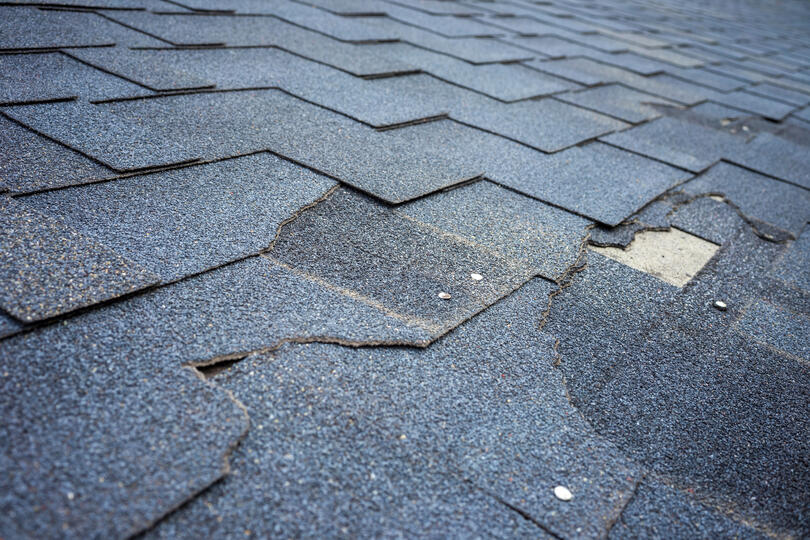
Missing shingles can lead to significant roof damage, allowing water to seep in and cause leaks or mold growth. Addressing this issue promptly helps maintain the integrity of your home and prevents costly repairs down the line.
DIY Fixes for Missing Shingles
If you’re a handy homeowner, you might consider fixing missing roof shingles yourself. Start by gathering the necessary tools and materials, including replacement shingles, roofing nails, and a hammer. Carefully remove any damaged shingles and install the new ones, ensuring they align with the existing shingles.
When to Call a Professional
While minor fixes can be handled solo, it’s advisable to call a professional for more extensive repairs. Roofing professionals have the expertise to assess the extent of the damage and provide long-lasting solutions. They can also spot potential issues that an untrained eye might miss.
Preventative Measures
Prevention is always better than cure. Regular maintenance and inspections can help you identify and fix potential problems before they escalate. Consider scheduling annual inspections with a professional roofing company to keep your roof in top condition.
🙌 Trust Secured Roofing and Restorations for Expert Services
Missing shingles might seem like a minor inconvenience, but they can lead to significant problems if not addressed promptly. Regular inspections, timely repairs, and preventative maintenance are crucial to keeping your roof in top shape. If you’re in Central Florida and need expert roofing services, Secured Roofing and Restorations is the team you can trust. Contact us today to schedule an inspection and keep your home safe and secure.
What Is Roof Decking? (Pros and Cons)

Are you planning a roofing project for your home, whether it’s a new construction or a renovation? Understanding the essential components of a sturdy roof is vital, and one key element to consider is roof decking. In this blog post, we’ll explore what roof decking is and why it plays a crucial role in enhancing the durability and performance of your home. Discover the benefits of roof decking and how it can protect your investment, including:
- What is roof decking?
- Pros and cons of roof decking
- How to choose the right roof decking for your home
- Installation process of roof decking
- Common issues and maintenance tips
- Cost considerations
- When to replace roof decking
❓ What Is Roof Decking?
Roof decking, often referred to as sheathing, serves as the essential layer of material positioned between the structural components of a roof, such as trusses and joists, and the outer roofing materials, which can include shingles or tiles. This critical component not only provides a secure base for waterproofing layers but also ensures that exterior materials are firmly attached, contributing to the overall stability and effectiveness of the roofing system.
Types of Roof Decking Materials
There are several materials used for roof decking, each offering unique benefits and drawbacks that can influence your choice. The most common options include:
- Plywood: Favored for its strength and versatility.
- Oriented Strand Board (OSB): Often chosen for its cost-effectiveness and ease of installation.
- Metal Decking: Particularly valued in commercial applications for its superior strength, durability, and resistance to various environmental factors, making it a long-lasting choice for roofing systems.
The Role of Roof Decking in Your Roofing System
Roof decking is pivotal in maintaining the structural integrity of your roofing system. It serves as a solid foundation for various roofing materials, ensuring they stay securely in place during adverse weather conditions. Furthermore, roof decking acts as a protective barrier against moisture, mitigating the risk of water damage to your home’s interior structure and preserving the longevity of your roof. Proper installation and maintenance of roof decking are essential for achieving optimal performance and protection for your home.
👇 7 Pros and Cons of Roof Decking
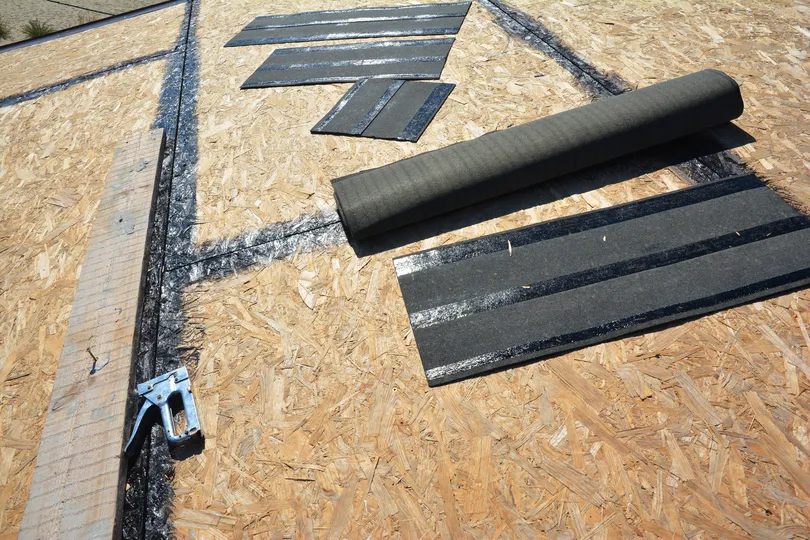
Understanding the pros and cons of roof decking can help you make an informed decision when planning your roofing project.
1. Durability ✅
Roof decking materials, such as plywood and oriented strand board (OSB), are celebrated for their strength and longevity. These materials are engineered to withstand various environmental stresses, including heavy rain, snow, and fluctuating temperatures. Their durability ensures that they can support the roofing structure for many years without the need for frequent replacements. This longevity not only protects your investment but also reduces the overall costs associated with roof maintenance over time.
2. Support ✅
Roof decking provides a stable foundation for roofing materials, which is crucial for maintaining the integrity and functionality of the entire roofing system. A solid deck ensures that shingles or other roofing materials remain securely in place, preventing leaks and structural failures. This reliable support is vital during severe weather conditions, where strong winds can compromise the roofing system. By using quality decking, homeowners can have peace of mind knowing their roof is well-supported and fortified.
3. Weather Resistance ✅
One of the significant advantages of roof decking is its ability to protect your home from moisture and related weather damage. High-quality decking materials are designed to resist water infiltration, which can lead to mold, rot, and other forms of deterioration. This weather resistance is particularly important in regions prone to heavy rains or snowfall. By keeping moisture at bay, roof decking ultimately prolongs the lifespan of the roofing system and enhances the overall health of your home.
4. Insulation ✅
Roof decking plays a crucial role in improving the energy efficiency of your home. By providing an additional layer of insulation, it helps regulate indoor temperatures, reducing reliance on heating and cooling systems. This improved insulation can lead to lower energy bills and a more comfortable living environment year-round. Investing in effective roof decking not only benefits your home’s energy efficiency but also contributes to a more sustainable lifestyle by minimizing energy consumption.
5. Cost 🚫
High-quality roof decking materials can be expensive, which is a significant consideration for homeowners and builders alike. While investing in quality materials may lead to better durability and performance, the upfront costs can strain budgets, especially for large roofing projects. Cheaper alternatives might seem appealing initially, but they often lead to higher long-term expenses due to more frequent repairs or replacements. Therefore, the financial impact of selecting premium decking materials should be weighed carefully against the potential benefits of longevity and reduced maintenance.
6. Maintenance 🚫
Roof decking requires regular inspections and maintenance to ensure longevity, which can be a drawback for many property owners. Over time, exposure to the elements can lead to wear and tear, necessitating routine check-ups to identify issues like rot, warping, or water damage. This ongoing commitment to maintenance can be time-consuming and may involve additional costs for repairs or professional inspections. For those looking for a low-maintenance roofing solution, the necessity of constant upkeep can detract from the appeal of roof decking.
7. Installation Time 🚫
Installing roof decking can be time-consuming, potentially extending the duration of your roofing project. Unlike simpler roofing systems, roof decking requires careful measuring, cutting, and fitting to ensure a proper installation. This meticulous process can lead to delays, especially if unexpected issues arise during installation, such as the need for additional repairs or adjustments. For homeowners eager to complete their roofing projects quickly, the extended installation time can be a significant downside, causing frustration and potential disruptions to their living conditions.
🤔 How to Choose the Right Roof Decking for Your Home
Selecting the right roof decking material depends on various factors, including the climate, your budget, and the specific needs of your home. Consulting with a professional roofer can help you make the best choice.
Consider Your Climate
The climate in your area plays a significant role in determining the suitable roof decking material. For instance, in regions with heavy rainfall, water-resistant materials like metal decking might be more appropriate.
Budget Constraints
While high-quality materials offer better durability and performance, they come at a higher cost. Balancing quality with budget constraints is crucial when making your decision.
Professional Advice
Working with a professional roofer can provide valuable insights and recommendations tailored to your specific needs, ensuring you choose the best material for your home.
🛠️ Installation Process of Roof Decking
The installation of roof decking involves several steps to ensure a secure and durable base for your roofing materials.
Preparation
Before installation, it is essential to conduct a thorough inspection of the existing roof. This inspection should identify any damaged components, such as shingles, underlayment, or structural supports. Any issues found must be addressed—damaged areas should be repaired or replaced to ensure they do not compromise the integrity of the new roofing system. This preparatory phase is critical, as it guarantees that the new decking will have a solid and reliable foundation on which to rest. A well-prepared roof will help prevent future problems and extend the lifespan of the new roofing materials.
Installation
Once the preparation is complete, the next step is to lay out the roof decking material. This material must be carefully positioned and secured to the structural components of the roof, such as rafters or trusses. It’s important to follow proper installation techniques, including using the right fasteners and ensuring that all seams are properly aligned. Adequate spacing and ventilation should also be considered during installation to promote airflow and prevent moisture buildup. By adhering to these best practices, you ensure the longevity and performance of the roof, protecting your home from the elements for years to come.
Finishing Touches
After the decking is securely installed, it’s time to add the waterproofing layers and exterior roofing materials. This step is crucial, as it provides an additional layer of protection against rain, snow, and other harsh weather conditions. The waterproofing membrane should be applied carefully to ensure complete coverage, preventing leaks and water damage. Following this, the final roofing materials, such as shingles, tiles, or metal sheets, are installed. This not only completes the roofing system but also enhances the overall aesthetic appeal of the home. Properly executed finishing touches will ensure that the roofing system is not only functional but also visually appealing, giving homeowners peace of mind and added value to their property.
💡 Common Issues and Maintenance Tips
Regular maintenance of your roof decking can prevent common issues and extend its lifespan.
Inspections
Regular inspections can help identify any potential problems early on, allowing for prompt repairs and preventing further damage.
Moisture Control
Ensuring proper ventilation and moisture control can prevent water damage and mold growth, which can compromise the integrity of your roof decking.
Repair and Replacement
Addressing any damage promptly can prevent more extensive repairs and extend the life of your roof decking.
💵 Cost Considerations
The cost of roof decking depends on various factors, including the material used, the size of your roof, and the complexity of the installation.
Material Costs
High-quality materials may come with a higher price tag, but they offer better durability and performance, making them a worthwhile investment.
Labor Costs
Professional installation is essential for ensuring the longevity and performance of your roof decking. Labor costs can vary based on the complexity of the project and the experience of the roofer.
Long-Term Savings
Investing in high-quality roof decking can lead to long-term savings by reducing the need for frequent repairs and improving the energy efficiency of your home.
👉 When to Replace Roof Decking

Knowing when to replace your roof decking is crucial for maintaining the integrity of your roofing system.
Signs of Damage
Visible signs of damage, such as sagging or water stains, indicate that your roof decking may need to be replaced.
Age of the Roof
The age of your roof can also be a factor in determining when to replace the decking. Older roofs may require replacement to ensure continued protection and performance.
Professional Assessment
Consulting with a professional roofer can provide an accurate assessment of the condition of your roof decking and recommendations for replacement if necessary.
🙌 Enhancing Your Roof’s Durability with Secured Roofing and Restorations
At Secured Roofing and Restorations, we understand the importance of a strong and reliable roof. Our team of experienced professionals is dedicated to providing top-quality roofing services, including the installation and maintenance of roof decking. We pride ourselves on our commitment to customer satisfaction and our extensive knowledge of roofing systems.
Ready to enhance the durability and performance of your roof? Contact us today to schedule a consultation and discover why homeowners trust Secured Roofing and Restorations for all their roofing needs.