



Insurance
When To File A Roof Insurance Claim For Damages



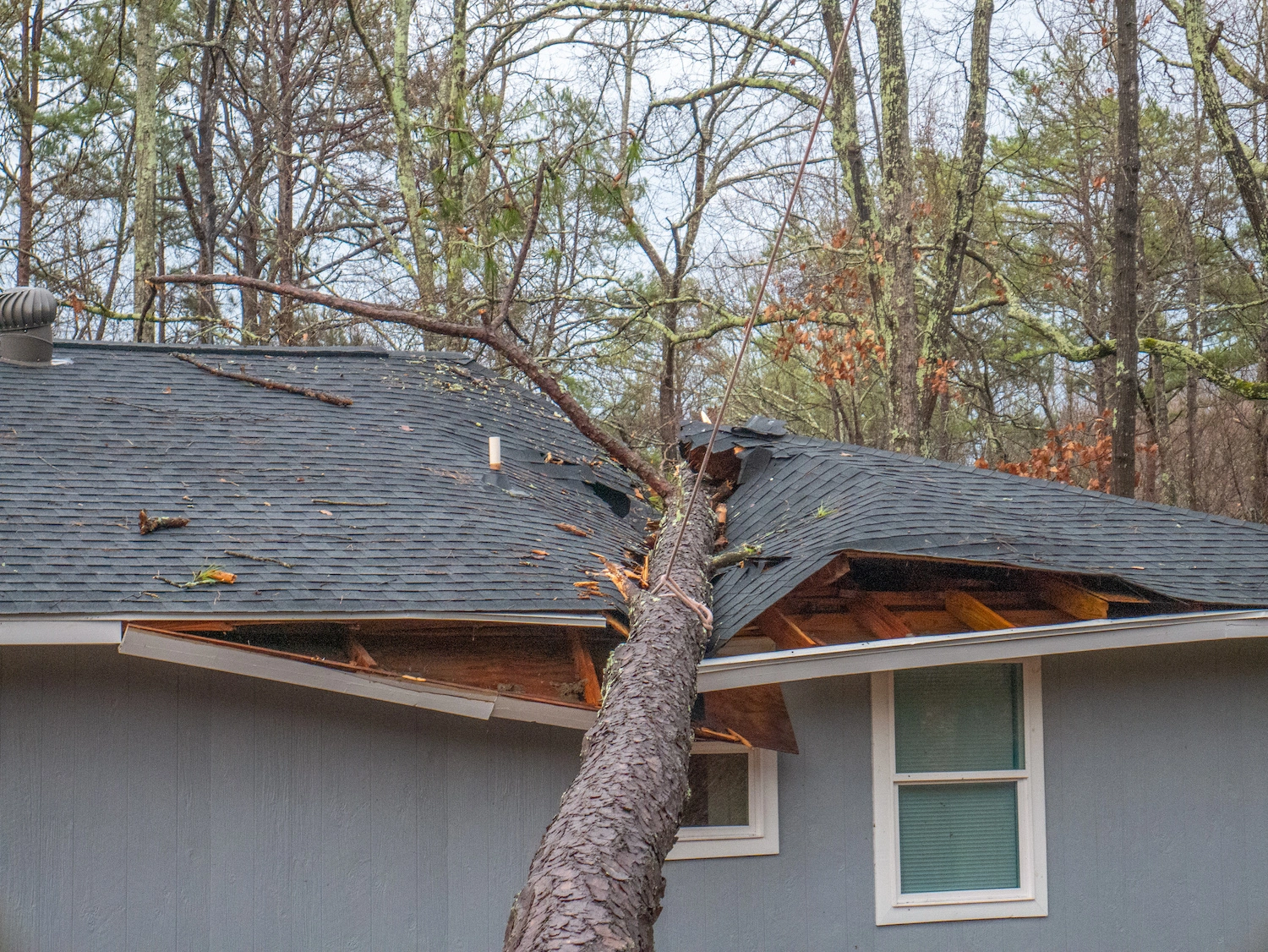

Your roof is your home’s first line of defense against the elements, but sometimes even the sturdiest roofs can suffer damage. Knowing when to file a roof insurance claim for damages is crucial for protecting your investment and ensuring timely repairs. In this homeowner’s guide, we’ll explore the signs that indicate it’s time to file a roof insurance claim and guide you through the process. Let’s dive in!
Inside this blog:
- 4 signs you need to file a roof insurance claim
- 3 scenarios when you should take action for filing a claim
- How to file a roof insurance claim for roof damages
Keep reading to learn all you need to know about when it’s the right time to file a roof insurance claim!
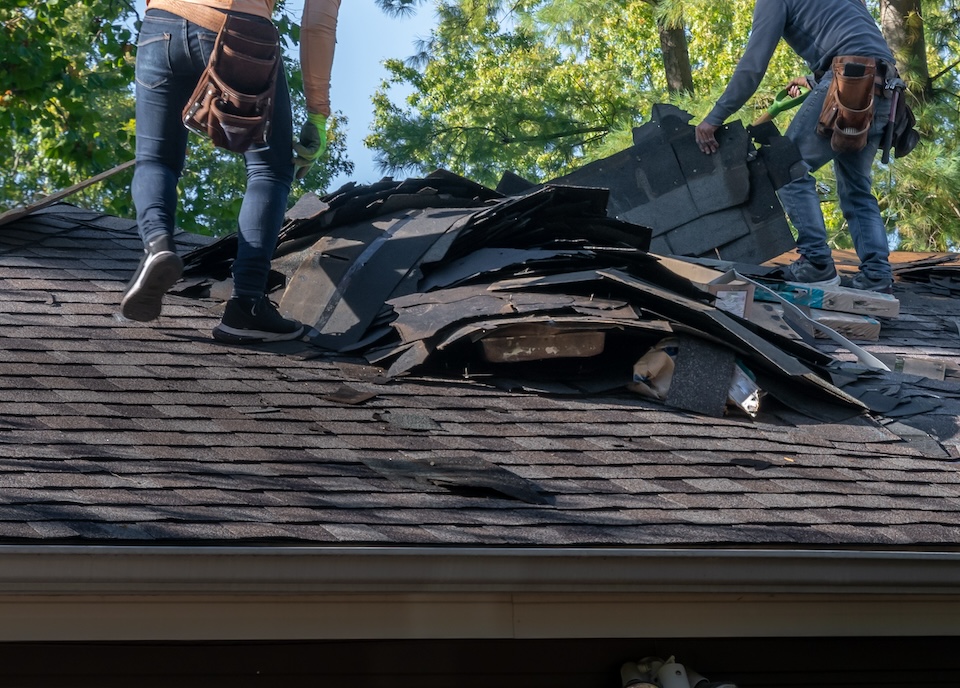
4 Signs It’s Time to Act on Filing a Claim For Roof Damage
Check out the signs below that indicate it’s time to start the roof insurance claim process.
1. You Notice Visible Damage
When you see obvious signs of trouble on your roof, like missing or broken shingles, cracks, or spots where water is leaking through, don’t wait to act. These problems might seem small at first, but if you leave them alone, they can get worse and cause even bigger headaches down the road.
2. You’ve Been Hit By a Recent Storm
After a big storm rolls through your area, it’s smart to give your roof a once-over. Even if your roof looks okay from the ground, there could be damage that’s hard to spot. Checking for any new issues after bad weather can help you catch problems early and prevent them from getting worse.
3. Your Roof is Getting Old
As your roof gets older, it starts to wear out and become more prone to damage. If your roof is getting up there in years or has already surpassed its expected lifespan, it’s a good idea to keep a close eye on it. Older roofs are more likely to develop problems, so it’s important to watch for any signs of trouble and take action if you see them.
4. You See Water Stains or Leaks
If you see water stains on your ceilings or walls, it’s a sign that something’s not right with your roof. These stains can indicate that water is getting in somewhere it shouldn’t be, which could lead to more serious issues if you don’t address it. Whether it’s a small leak or a big one, it’s important to deal with it right away to prevent further damage to your home.
When to Take Action
Below are 3 scenarios when you should take action on filing a homeowners insurance claim for your roof damage.
1. Immediate Damage
When something major happens to your roof, like a tree crashing down on it or a chunk of it collapsing, don’t hesitate to get your insurance involved right away. The quicker you act, the faster you can get things fixed up and stop any more damage from happening to your home.
2. Hidden Damage
Sometimes, the damage to your roof isn’t obvious right away. After a big storm or if you suspect something’s not right, it’s a good idea to take a closer look. Even if you can’t see any problems from the ground, there could be damage lurking underneath that could cause big issues later on if you don’t catch it early.
3. Preventive Measures
If you spot little problems on your roof, like a few missing shingles or some wear and tear, don’t wait for them to get worse. Filing a claim with your insurance can help cover the cost of fixing up these minor issues before they turn into big headaches. It’s like getting ahead of the game and stopping problems in their tracks before they have a chance to get out of hand.
How to File a Claim
Before filing a roof insurance claim, review your homeowner’s insurance policy to understand your coverage limits, deductibles, and any exclusions that may apply to roof damage.
Thoroughly document the damage to your roof, including photos and videos from multiple angles. Be sure to capture any visible signs of damage, such as missing shingles, leaks, or structural issues.
Contact Your Insurance Company
Contact your insurance company as soon as possible to report the damage and initiate the claims process. Be prepared to provide detailed information about the damage, including when it occurred, how it happened, and the extent of the damage.
Your insurance company may schedule an inspection of your roof to assess the damage and determine the cost of repairs or replacement. Be sure to schedule the inspection as soon as possible to expedite the claims process.
After the inspection, follow up with your insurance company to discuss their findings and address any recommendations or concerns. Be proactive about staying informed throughout the claims process and advocating for the repairs your roof needs.
🏡 File a Roof Insurance Claim Like a Pro
Filing a roof insurance claim for damages can be a complex process, but knowing when to take action and how to navigate the process can help you protect your home and ensure timely repairs. By staying vigilant for signs of damage, documenting any issues, and working closely with your insurance company, you can restore your roof’s integrity and safeguard your home for years to come.Contact our team of expert contractors at Secured Roofing and Restorations today. We’ll answer all of your questions and customize an approach to tackle your project quickly and efficiently. Every one of our roofing experts is trained to provide the highest professional workmanship, personalized service, and to use only the best quality materials.
How To Get Roof Damage Covered By Insurance (Step-By-Step Guide)
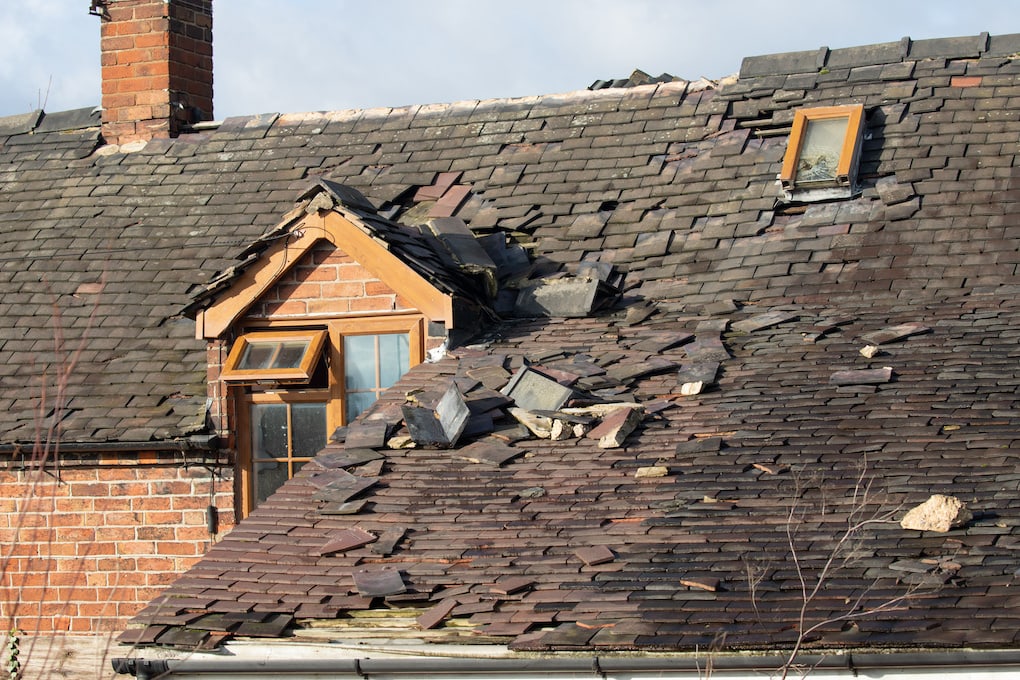
When a storm or other natural disaster damages your roof, you may be left wondering the best way to get roof damage coverage and file an insurance claim. It can be difficult to know what type of damage is covered by homeowners insurance and which types are not. This blog post will give you a step-by-step guide on how to get the coverage you need when you’re facing unexpected roof damage.
What to do if You Have Roof Damage
Roof damage can occur at any moment, in any location, and no matter what, it’s going to be a surprise you’re not ready for. However, depending on the severity of the damage, there are a few key steps you’ll want to take.
- First, make sure you and your family are safe from harm. Hurricanes and tropical storms are not uncommon where we are in Florida, and across the country, you may face tornadoes, hail, and floods, among other severe weather. So the first thing you want to do is ensure everyone is safe.
- Make sure there is no risk of more severe weather, and if so, get to safety. Then, make sure you have power and running water in the event of mass outages. This takes precedence over any roof damage. But also, if your roof is damaged enough to cause immediate leaks, you should tarp it to protect your property from any further damage from water leaks.
- Check your property and document and note any damage you can see. Some may not be completely obvious, but if you notice any missing, loose, cracked, or dented shingles, take note of that. If it is safe to do so, get on a ladder and take photos of the damage you see at first glance. And also, check your interior for signs of immediate water leaks in the attic.
- Call your local contractor and schedule an estimate for the damages. This will get the ball rolling and ensure you get your roof repaired sooner than later.
- File an insurance claim. This can be a little complicated, and it’s why we’re going over how to best get your roof damage covered by insurance, and part of that is filing your insurance claim quickly and correctly.
What Kind of Roof Damage is Covered by Insurance?
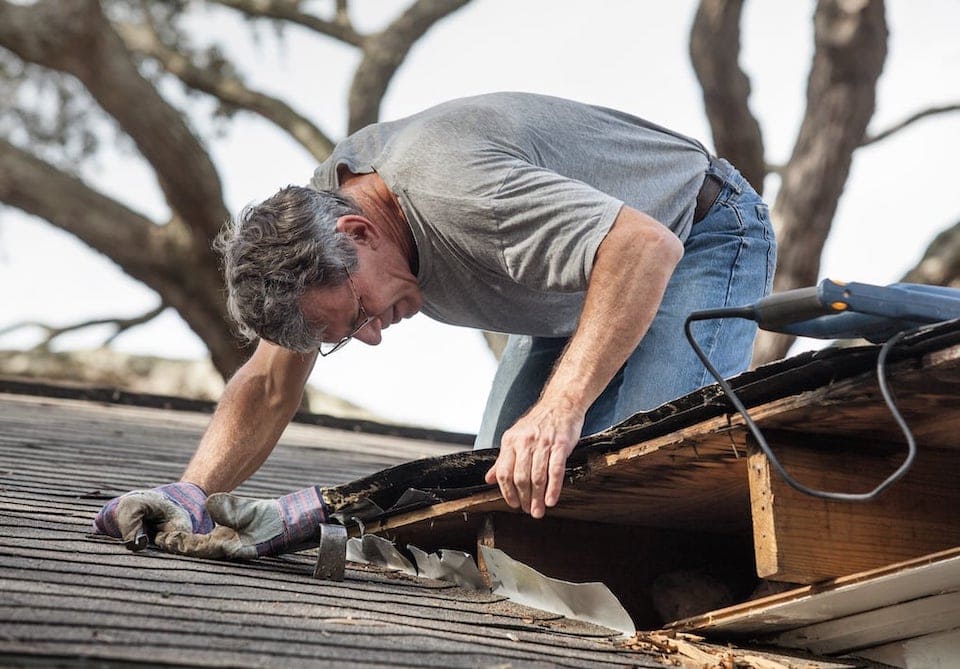
There are various sections of your homeowner’s insurance policy, and the dwelling portion includes your home’s structure and the roof. For the most part, roof damage is covered by insurance, but there are definitely stipulations. Roof damage that is covered includes:
- Sudden and accidental damage
- Damage from hail and windstorms
- Lightning strikes
- Falling debris
- Damage due to snow, ice, or sleet
- Fire or smoke damage
What Roof Damage is NOT Covered by Insurance?
Other types of roof damage aren’t immediately covered under a standard warranty but may be considered add-ons to your insurance, depending on where you live.
- Negligence and general wear and tear
- Damage due to infestation of animals or insects
- Damage caused by earthquakes or floods
- Damage due to failed DIY repairs
Tips for Filing a Roof Claim
Properly filing your insurance claim is essential to getting the coverage you need and getting repairs done in a timely manner. There are a few key steps to take when filing your roof claim to make sure everything goes smoothly.
- The first step is to call your local contractor and have them inspect the damage. They will provide you with an estimate for repairs that can be used on your insurance claim.
- Read your policy thoroughly before filing the claim, so you don’t have any surprises when you talk to your insurance provider.
- Don’t wait too long to file. The sooner you do, the better your chance of getting coverage for roof repair costs.
- If it’s a natural disaster or other severe weather events that damaged your roof, make sure you and any family living in the home are safe before doing anything else. Always take care of safety precautions before taking care of structural damages—you want to minimize water damage to your property.
- Never do any roof repairs yourself, or let family members do them without the supervision of a professional contractor. DIYing these types of fixes can cause more damage and significantly increase costs in the long run, and void some insurance coverages or warranties.
- Lastly, contact an agent with your provider if you’re not sure what type of coverage you have on your dwelling for insurance purposes. Always be sure that you are covered before filing a claim (particularly for something as important as structural damages). You want to know exactly what is being replaced, so there are no surprises down the line—that way, everything is fully documented and accounted for from start to finish.
Other Key Things to Note
There are a few other things you’ll want to know before filing a roof claim or roof repair.
Avoid Roofing Scams
Watch out for roofing repair scams. Unfortunately, there are some sketchy contractors, often referred to as “fly-by-night” contractors, who will flock to an area or state that has just had severe damage and will door knock to offer roof repairs to residents.
They may not be credited or licensed in that state and are just in town for a quick buck. These scams might pocket insurance claim money and do a cheap and poor job repairing your roof. Only hire reputable local contractors to fix your roof damage.
Higher Premiums for Premium Roofs
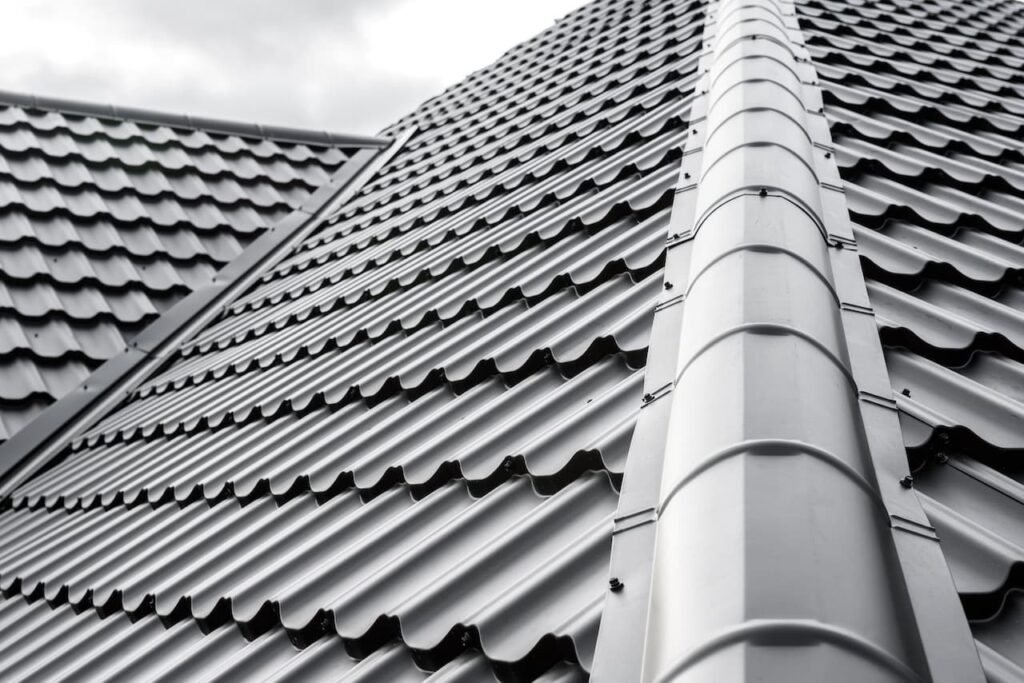
Some roofing materials such as wood or metal may actually cost more to insure or not get the same coverage as other, more standard roofing materials like asphalt shingles. For example, some metal roofs can dent easily from hail and thus won’t be covered under your policy. So you may need to add on that coverage.
Frequently Asked Questions
Will insurance cover a 20-year-old roof?
Most standard homeowner’s policies will cover a roof up to 20 years and anything past that that may have limited coverage. Roofs that last longer than that (slate, metal, tile) will have to rely on some warranty coverage to get complete replacements covered.
Also, total replacements based on an old roof’s wear and tear are not covered, but they could potentially cover sudden roof damage from a storm. But, again, always check your policy for details.
Will insurance cover water damage caused by a roof leak?
A standard policy would cover water damage for certain types of accidents, like if a fallen tree branch causes a roof leak. However, a leaky roof that has been ignored or poorly repaired would not be covered.
Will my premium go up after getting roof repairs?
It depends! The short answer is yes. But, certain roofing materials like a premium metal roof could actually lower insurance rates because of how long the roof lasts and how well it stands up to bad weather.
To recap, to get your roof damage covered by insurance, you should a) know the ins and outs of your policy so you can be prepared should the time come. b) add-on specific weather-related coverage like flood and hurricane insurance to your standard policy depending on the state you live in. c) call a reputable contractor to do your inspection and give you an accurate insurance estimate.
When you find yourself facing roof damage and need your roof repaired right away, call Secured Roofing and Restoration. Our expert team can help you navigate the insurance process and act fast to ensure your roof gets repaired and back in shape as soon as possible. Visit our storm damage repair page for more info!
Your Homeowners Insurance Checklist For 2023

Looking to change your Homeowner’s Insurance plan in the coming year? Wondering what to include, exclude, add-on? We’ve got you covered.
Here is a handy homeowner’s insurance checklist to ensure you get the right coverage for your needs in 2022.
Key Coverages in a Standard Homeowner’s Policy
Many coverages come standard on any homeowner’s policy that you don’t need to worry about adding, but you should become well-versed in what those coverages actually mean for you. These 6 coverages are nearly guaranteed to be included in your basic homeowner’s insurance plan.
Structure or Dwelling Replacement
Dwelling coverage is the part of your insurance policy that would cover any damage done to the actual structure of your home, not the property or land. This can be for a single section of your home or any catastrophic damage that may occur.
To determine how much coverage you need, you and your insurance company will need to figure out the dwelling replacement cost. You’ll need a few things to figure this out. First, research the average cost per square foot in your area and multiply that by your home’s square footage. Then add that to the cost of all interior and exterior additions like cabinets, windows, doors, flooring, etc. This should give you a fairly close estimate of how much you would need to re-build structural damage.
Other Structures
Any other structures or shelters you have on your property can be covered by your homeowner’s policy as well. This includes but is not limited to sheds, fences, workshops, garages, gazebos, etc. Make sure to list every additional structure you have aside from your home when applying for coverage.
Personal Property Damage & Theft

Similar to tallying your home’s value, you can also add up the supposed value of all personal belongings of necessity such as clothes, furniture, and things deemed necessary for living. These will be added to determine the replacement cost on contents should a catastrophic event ever damage all of your belongings.
You will want to get additional overage for your personal valuables, sometimes not covered under the personal property standard coverage. Most people will get coverage for anything costing over $1000, like electronics and jewelry. You can purchase additional packages to cover things like china dishes, expensive stemware, antique furniture, furs, weapons, and other valuable assets.
Loss of Use
Loss of Use, also known as Additional Living Expense, is coverage that would provide assistance paying expenses should your home ever become unlivable, either from damage or receiving repairs. Expenses covered or reimbursed include storage of property and belongings, temporary housing, additional food, furniture rental for temp housing, relocation expenses, etc.
It’s important to note the ALE coverage is only for anything over your usual monthly allotted amount. So it does not pay the mortgage, utility bills, and other standard household things you would normally pay. It is for additional expenses caused by being displaced and having those added costs such as moving and storage expenses and even eating at a restaurant due to being displaced without a kitchen.
Personal Liability Insurance
Some of the biggest payouts in court occur when someone files a claim or lawsuit against an injury or incident that happened on someone’s property. If that property is yours, and you are found liable for and someone getting injured on your property, you will be the one paying for it. This coverage is critical to protecting yourself against large lawsuits, and legal fees should this occur. This coverage will apply to any family members living on the property and will not cover intentional damage done by anyone living on the property and covered under the policy.
Medical Payments for Incidence On Your Property
Medical Payment or Guest Medical Insurance is separate from liability insurance in that it would specifically cover any medical expenses for anyone injured on your property. Regardless of fault, this coverage is essential to have to protect yourself from extensive costs when accidents happen. The personal liability insurance is a bit different in that the coverage would pay for the claim filed plus any legal fees, not including any accrued medical expenses.
Other Insurance Coverages Homeowners Should Consider
There are some coverages that may require being an additional add-on, or they just aren’t something considered to be standard on all policies. But they are definitely something to look into depending on your living situation.
Ordinance or Law Changes
Many policies will include a small coverage for any costs associated with changes to building codes. If you are considered about more, you can try and get additional coverage for these sorts of fees and costs associated with ordinance or law changes.
Running a Business From Home
If you use any part of your home for running a business, this won’t be covered by your standard homeowner’s insurance policy. In fact, depending on your state or insurance company, you may need to obtain commercial insurance. Otherwise, to cover any small business expenses, you can add on business coverage to many homeowner’s insurance policies.
Earthquake, Flood, and Hurricane
Lastly, typical home insurance will cover damage to your home caused by fire, wind, and hail. Fun fact, it is said the Great Fire of 1666 that destroyed over 13,000 London homes triggered the inception of home insurance coverage. Never again would homeowners have to worry about recovering damages after such a devastation.
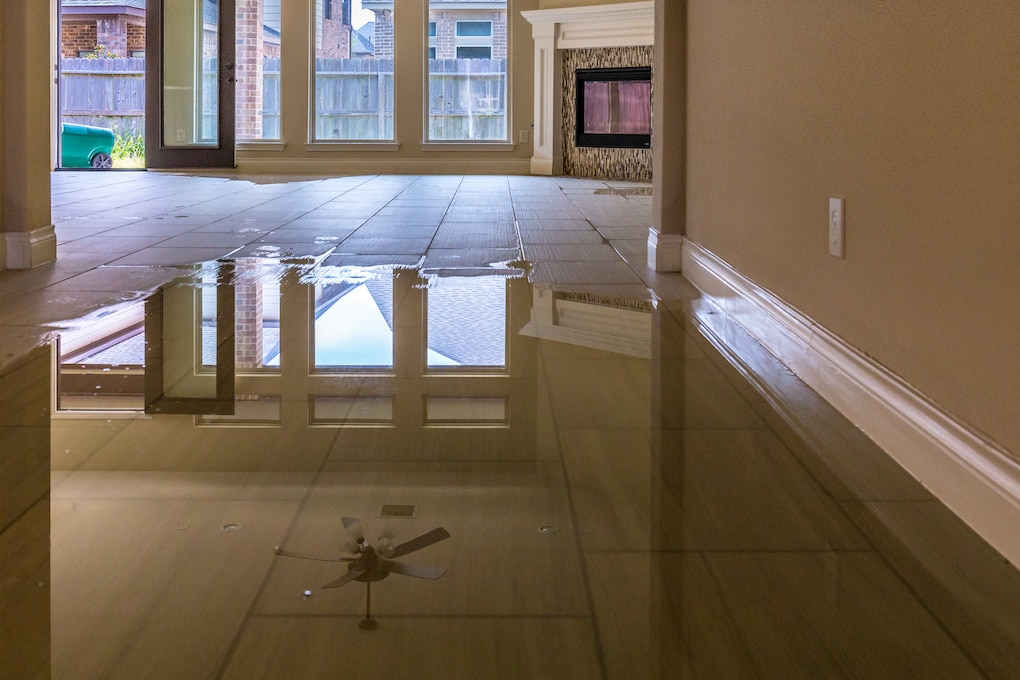
Any weather aside from that, such as floods, hurricanes, tornados, or earthquakes, will not be automatically covered by your policy. Some places like North Dakota and other plains states are at risk of 100-year floods and are required to add flood insurance to their policies. Check with your local state regulations and talk to your insurance provider to add on any coverage of this sort if those types of severe weather are a concern.
Download our helpful Homeowner’s insurance checklist for your own use! If you ever have questions regarding what is or isn’t covered by your homeowner’s insurance, don’t hesitate to call us. We can work with you and your insurance to get you the proper coverage.
Making the Best Decision for Your Home
While we all hope you don’t have to deal with storm damage (or any type of damage to your home), it is always good to know of a quality team you can call on to have your back. Whether it is working with insurance, repairing your roof, or replacing the roof of your home, our team at Secured Roofing and Restoration is always happy to help. If you have any questions about insurance or your home’s roof, feel free to give us a call!