



Metal Roofing
Metal Roof Repair: Step By Step Guide for Homeowners



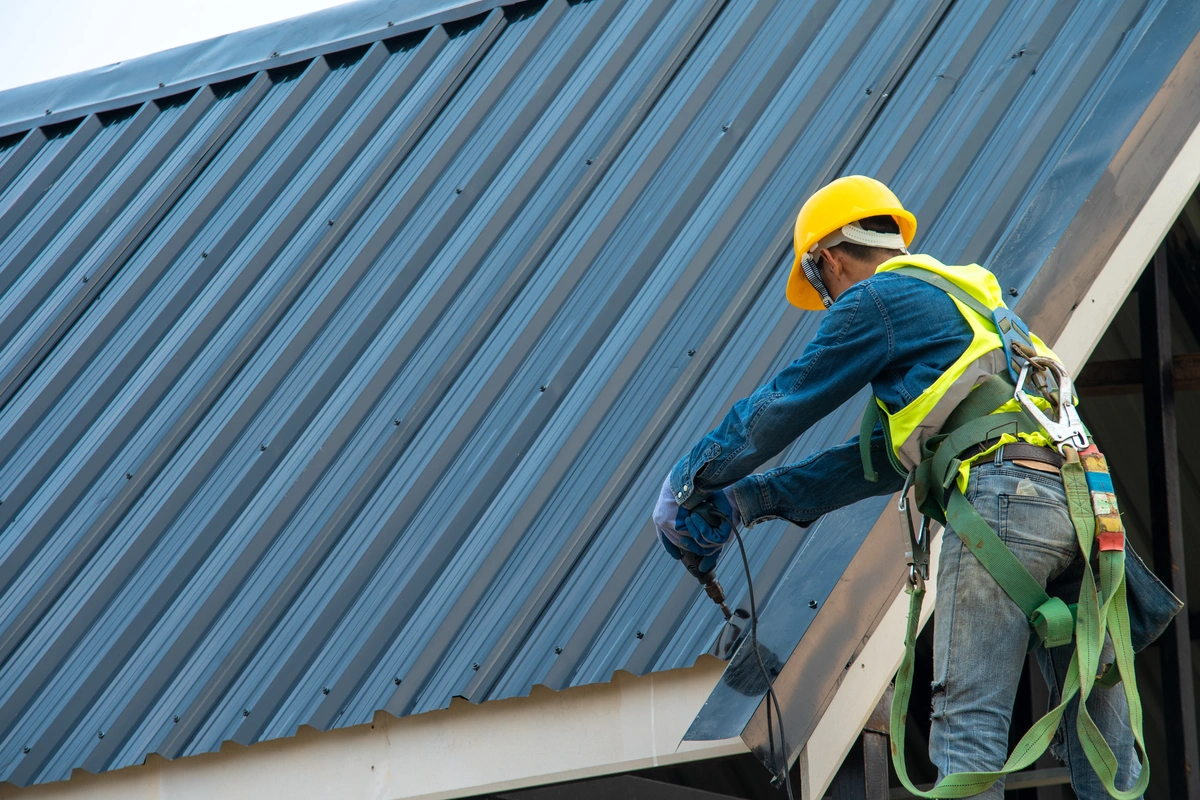

Metal roofs are renowned for their durability, energy efficiency, and longevity. However, like any roofing material, they are susceptible to damage over time due to weather conditions, physical impacts, and general wear and tear. If you’re a homeowner with a metal roof, understanding how to carry out repairs can save you a significant amount of money and extend the life of your roof. In this comprehensive guide, we’ll walk you through the step-by-step process of metal roof repair, including:
- Understanding common metal roof problems
- 10 steps to repair a metal roof
🤔 Understanding Common Metal Roof Problems
Before diving into the repair process, it’s essential to understand the common issues that can affect metal roof systems:
- Leaks: Often caused by loose or missing fasteners, rusted areas, or seams that have opened up.
- Rust and Corrosion: Metal roofs can rust, especially if the protective coating wears off.
- Loose or Missing Fasteners: Screws and fasteners can become loose over time, leading to potential leaks and structural issues.
- Punctures and Tears: Hail, falling branches, or heavy debris can cause punctures and tears in the metal panels.
- Oil Canning: A visible waviness or distortion in the flat areas of the metal roof panels, usually caused by improper installation or thermal expansion.
🛠️ 10 Steps To Repair A Metal Roof
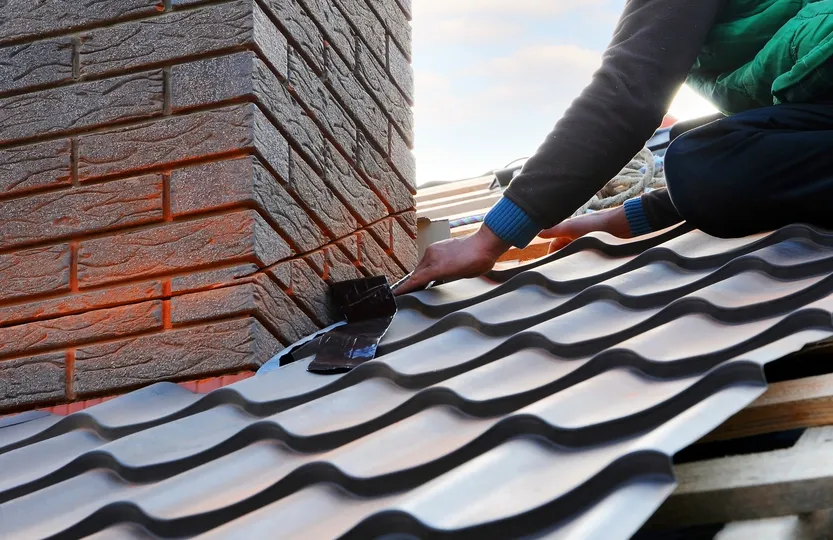
Metal roofs are known for their durability, but even the best roofs require occasional repairs. In this section, we will guide you through a systematic approach to fixing common issues with metal roofing. Follow these 10 steps to ensure your metal roof remains in excellent condition and continues to provide robust protection for your home.
1. Safety First
Before starting any roof repair, safety should be your top priority. Here are some essential safety tips:
- Wear Appropriate Gear: This includes non-slip shoes, gloves, safety glasses, and a hard hat.
- Use a Safety Harness: If your roof is steep or high, always use a safety harness and secure it properly.
- Check the Weather: Avoid working on the roof during wet, windy, or excessively hot weather conditions.
- Use a Stable Ladder: Ensure your ladder is stable and placed on solid ground. Have someone hold the ladder for added stability.
2. Inspect the Roof
A thorough inspection helps identify the problem areas that need repair. Here’s how to do it:
- Visual Inspection: Start by visually inspecting the roof from the ground. Look for obvious signs of damage, such as missing fasteners, rust spots, or punctures.
- Up-Close Inspection: Use a ladder to get a closer look. Pay attention to the seams, joints, and areas around fasteners. Check for loose screws, rust, and damaged panels.
- Check the Attic: Sometimes, leaks can be more apparent from the inside. Inspect the attic for any signs of water damage, mold, or mildew.
3. Gather the Necessary Tools and Materials
Having the right tools and materials is crucial for effective repairs. Here’s a list of what you might need:
- Replacement Screws and Fasteners: Ensure they are of the same type and size as the existing ones.
- Metal Roofing Panels: If you need to replace damaged sections.
- Metal Roof Sealant: Designed specifically for metal roofs, it helps seal seams and joints.
- Wire Brush: For cleaning rusted areas.
- Paint and Primer: To repaint repaired areas and protect them from future rust.
- Sheet Metal Snips: For cutting metal panels.
- Screw Gun/Drill: To remove and install screws and fasteners.
- Caulking Gun: For applying sealant.
- Protective Gear: Gloves, safety glasses, and a hard hat.
4. Fix Loose or Missing Fasteners
Loose or missing fasteners are a common issue and relatively easy to fix. Here’s how:
- Tighten Loose Screws: Use a screw gun or drill to tighten any loose screws. Be careful not to over-tighten, as this can strip the hole.
- Replace Missing Screws: If screws are missing, replace them with new ones of the same type and size. Ensure they are installed securely but not overly tight.
- Check for Leaks: After replacing screws, check the areas for leaks. Apply metal roof sealant around the screws to ensure a watertight seal.
5. Repair Rusted Areas
Rust can compromise the integrity of your metal roof. Here’s how to address it:
- Clean the Area: Use a wire brush to remove rust and any loose debris. Ensure the area is clean and dry before proceeding.
- Apply Rust Inhibitor: Apply a rust inhibitor to the cleaned area to prevent future rusting.
- Prime and Paint: Apply a metal primer followed by paint to match your roof. This will protect the area from future rust and blend it with the rest of the roof.
6. Seal Leaks and Seams
Leaks often occur at seams and joints. Sealing these areas can prevent water from entering your home:
- Clean the Area: Ensure the area around the leak is clean and dry.
- Apply Metal Roof Sealant: Use a caulking gun to apply metal roof sealant along the seams and joints. Ensure a generous and even application.
- Smooth the Sealant: Use a putty knife or your finger (wearing gloves) to smooth the sealant and ensure it fills the gaps completely.
7. Replace Damaged Panels

In some cases, you may need to replace entire sections of the metal roofing. Here’s how:
- Remove the Damaged Panel: Start by removing the screws or fasteners holding the damaged panel in place. Carefully lift the panel off the roof.
- Cut a New Panel: Measure the area and cut a new panel to fit using sheet metal snips.
- Install the New Panel: Place the new panel in position and secure it with screws or fasteners. Ensure it overlaps correctly with the adjacent panels to maintain a watertight seal.
- Seal the Edges: Apply metal roof sealant along the edges of the new panel to ensure a watertight seal.
8. Fix Punctures and Tears
Small punctures and tears can be repaired without replacing entire panels. Here’s how:
- Clean the Area: Ensure the area around the puncture is clean and dry.
- Apply Roofing Cement: Use roofing cement to fill the puncture or tear. Spread it evenly over the damaged area.
- Apply a Patch: Cut a piece of metal patch to fit over the puncture. Press it firmly into the roofing cement.
- Seal the Patch: Apply another layer of roofing cement over the patch, ensuring it’s sealed completely.
9. Address Oil Canning
Oil canning is more of an aesthetic issue than a functional one, but it can be addressed:
- Tighten Fasteners: Sometimes, oil canning can be reduced by tightening the fasteners around the affected area.
- Add Additional Fasteners: If tightening existing fasteners doesn’t help, consider adding additional fasteners to reduce the waviness.
- Replace Panels: In severe cases, replacing the affected panels may be necessary.
10. Preventive Maintenance
Regular maintenance can prevent many of the issues mentioned above. Here are some tips:
- Regular Inspections: Inspect your metal roof at least twice a year and after major storms.
- Keep the Roof Clean: Remove debris, leaves, and branches that can cause damage or retain moisture.
- Trim Overhanging Branches: Ensure trees near your home are trimmed to prevent branches from falling on your roof.
- Check and Tighten Fasteners: Periodically check and tighten screws and fasteners to ensure they remain secure.
- Reapply Sealant: Over time, sealant can wear out. Reapply metal roof sealant to seams and joints as needed.
🙌 Ensuring the Longevity of Your Metal Roof with Secured Roofing and Solar
Repairing a metal roof can seem daunting, but with the right tools, materials, and expertise, it doesn’t have to be. At Secured Roofing and Solar, our skilled team is equipped to handle all your roofing needs, ensuring your metal roof remains in excellent condition. By trusting us, you can protect your home and investment for years to come. Our commitment to regular maintenance and timely repairs guarantees you get the best durability and performance from your roof. Contact Secured Roofing and Solar today to experience the peace of mind that comes with working with the best in the industry!
Metal Roof Insulation: Why Does It Matter?
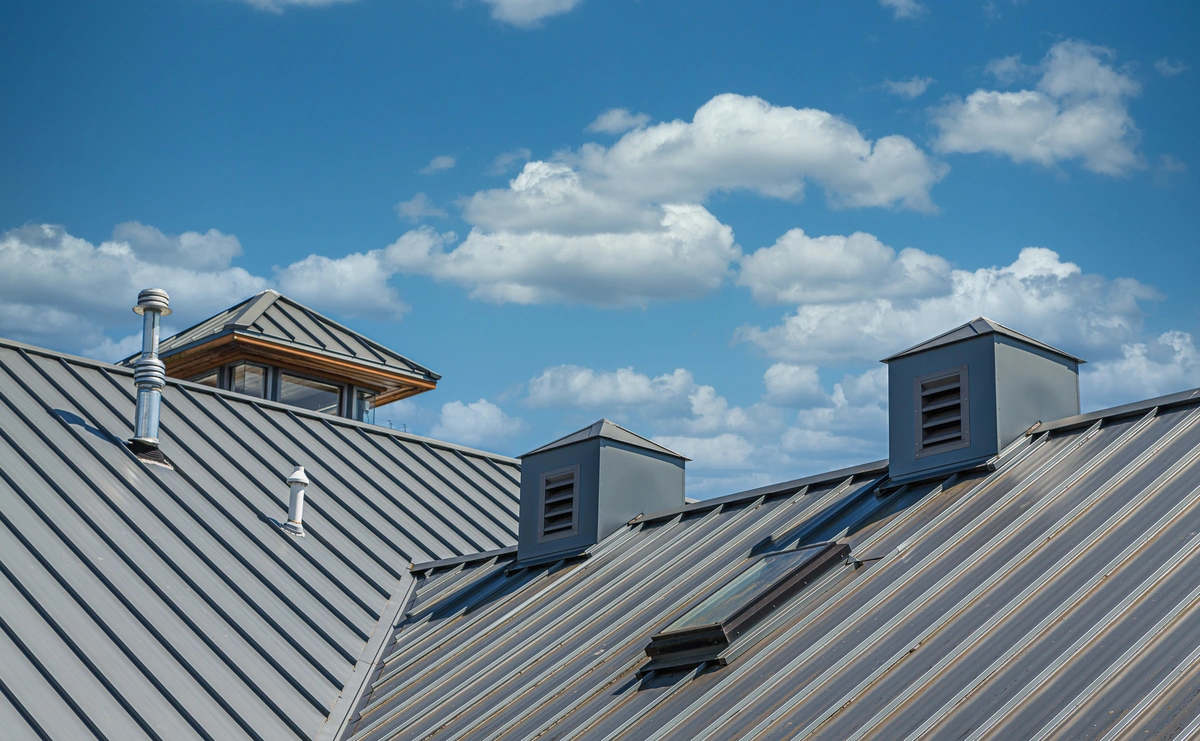
Metal roofs are gaining popularity due to their durability, energy efficiency, and sleek modern appearance. However, a crucial component that often gets overlooked in the installation and maintenance of metal roofs is insulation. Proper insulation can dramatically affect the performance and lifespan of a metal roof, influencing everything from energy efficiency to noise reduction. In this comprehensive guide, we will cover metal roof insulation, including:
- The importance of insulating a metal roof
- 5 types of metal roof insulation
- 5 factors to consider when choosing insulation
- Installation tips and best practices
❗️ The Importance of Insulating a Metal Roof

- One of the primary benefits of metal roof insulation is improved energy efficiency. Metal roofs, by themselves, are excellent at reflecting solar radiation. This reflective property can help keep your home cooler during the hot summer months. However, without proper insulation, the conductive nature of metal can allow heat to transfer into your home, reducing the overall cooling efficiency.
- Proper insulation acts as a barrier that reduces heat transfer, keeping your home cooler in the summer and warmer in the winter. This translates to lower energy bills as your HVAC system won’t have to work as hard to maintain a comfortable temperature.
Condensation Control:
- Condensation is a common issue in metal roofing systems, especially in climates with high humidity or significant temperature fluctuations. When warm, moist air from inside the home rises and meets the cooler metal surface of the roof, condensation can form. Over time, this moisture can lead to problems such as mold growth, rust, and structural damage.
- Insulation plays a vital role in preventing condensation by creating a thermal break between the warm air inside and the cool metal roof. This thermal barrier helps maintain a more consistent temperature, reducing the likelihood of condensation forming on the underside of the roof.
Noise Reduction:
- Another significant benefit of metal roof insulation is noise reduction. Metal roofs can be noisier than other roofing materials, especially during heavy rain, hailstorms, or when debris like branches fall on the roof. Proper insulation can dampen these noises, providing a quieter and more comfortable indoor environment.
Improved Comfort:
- Insulation helps regulate the indoor temperature by reducing heat transfer through the roof. This means your home will be more comfortable throughout the year. In the summer, insulation keeps the heat out, and in the winter, it retains the warmth generated inside, creating a more stable and pleasant living environment.
Extended Roof Lifespan:
- By preventing condensation and reducing thermal stress on the metal roof, insulation can extend the lifespan of your roofing system. Moisture and temperature fluctuations can lead to the expansion and contraction of the metal, which over time, may cause wear and tear. Insulation helps mitigate these effects, contributing to the longevity of the roof.
🏠 5 Types of Metal Roof Insulation
There are several types of insulation materials suitable for metal roofs, each with its own set of advantages and disadvantages. Here’s a look at some of the most common options:
1. Fiberglass Insulation
Fiberglass insulation is one of the most widely used insulation materials for metal roofs. It consists of fine glass fibers and is available in rolls, batts, and loose-fill forms. Fiberglass insulation is popular due to its affordability, ease of installation, and good thermal performance.
Pros:
- Affordable
- Easy to install
- Good thermal and acoustic performance
Cons:
- Can be irritating to skin and lungs if not handled properly
- Loses effectiveness if compressed
2. Spray Foam Insulation
Spray foam insulation is a versatile option that can be sprayed directly onto the underside of the metal roof. It expands to fill gaps and create a seamless barrier, providing excellent thermal resistance and air sealing.
Pros:
- Excellent thermal performance
- Air sealing properties
- Reduces condensation risk
Cons:
- More expensive than other insulation types
- Requires professional installation
3. Rigid Foam Insulation
Rigid foam insulation, typically made from polystyrene, polyurethane, or polyisocyanurate, comes in panels that can be cut to fit and installed between the roof framing. It offers high R-values and good moisture resistance.
Pros:
- High R-value per inch
- Moisture resistant
- Durable
Cons:
- More expensive than fiberglass
- Can be challenging to install in tight spaces
4. Reflective Insulation
Reflective insulation, also known as radiant barriers, consists of a reflective foil layer that reflects radiant heat away from the roof. It’s often used in conjunction with other insulation types to enhance thermal performance.
Pros:
- Effective at reflecting radiant heat
- Lightweight and easy to install
- Can be used with other insulation types
Cons:
- Limited thermal resistance by itself
- Requires an air gap to be effective
5. Insulated Panels
Insulated metal panels (IMPs) are prefabricated panels that integrate metal skins with a foam core. These panels provide excellent insulation and structural strength and can be used for both roof and wall applications.
Pros:
- High insulation value
- Structural strength
- Quick installation
Cons:
- Higher upfront cost
- Limited design flexibility
🤨 5 Factors to Consider When Choosing Insulation

Choosing the right insulation for your metal roof involves considering several factors, including your climate, budget, and specific needs. Here are some key considerations to keep in mind:
1. R-Value
The R-value measures the insulation’s thermal resistance. A higher R-value indicates better insulating properties. The recommended R-value for your insulation will depend on your climate and local building codes. Colder climates typically require higher R-values to maintain energy efficiency.
2. Moisture Resistance
Moisture resistance is crucial in preventing condensation and potential damage to the roofing system. Materials like spray foam and rigid foam offer better moisture resistance compared to fiberglass.
3. Installation Method
Consider whether you’ll be installing the insulation yourself or hiring a professional. Some materials, like spray foam, require professional installation, while others, like fiberglass batts, can be installed by a skilled DIYer.
4. Budget
Your budget will play a significant role in determining the type of insulation you choose. While some options like spray foam and insulated panels offer superior performance, they come at a higher cost. Balancing performance with affordability is key.
5. Noise Reduction Needs
If noise reduction is a priority, consider insulation materials that offer good acoustic performance. Fiberglass and spray foam are both effective at dampening sound.
💡 Installation Tips and Best Practices
Proper installation is critical to ensuring that your metal roof insulation performs effectively. Here are some tips and best practices to follow:
- Seal All Gaps and Cracks: Before installing insulation, make sure to seal any gaps, cracks, or openings in the roof structure. This helps prevent air leaks and improves the overall thermal performance of the insulation.
- Use Vapor Barriers: In climates where condensation is a concern, consider using a vapor barrier in conjunction with your insulation. Vapor barriers help prevent moisture from penetrating the insulation and causing problems.
- Maintain Proper Ventilation: Proper ventilation is essential to prevent moisture buildup and ensure the longevity of the roofing system. Make sure your roof has adequate ventilation to allow for air circulation and moisture control.
- Follow Manufacturer Instructions: Always follow the manufacturer’s instructions for the specific insulation material you are using. This ensures that you achieve the best performance and avoid any potential issues.
- Consider Professional Installation: While some insulation materials can be installed by homeowners, others, like spray foam, require professional expertise. Hiring a professional ensures that the insulation is applied correctly and performs as expected.
🙌 Maximize Your Home’s Efficiency with Expert Metal Roof Insulation from Secured Roofing and Restorations
Metal roof insulation is a crucial component that significantly impacts the energy efficiency, comfort, and durability of your home. Understanding the benefits and different types of insulation allows you to make an informed decision that best suits your needs and budget. Whether you choose fiberglass, spray foam, rigid foam, reflective insulation, or insulated panels, proper installation and maintenance are key for optimal performance.
At Secured Roofing and Restorations, we specialize in providing top-quality insulation solutions tailored to enhance your home’s comfort and energy efficiency. Our expert team understands the importance of protecting your roofing system from potential damage caused by condensation and temperature fluctuations. With our extensive experience and dedication to excellence, we ensure that your metal roof performs at its best for years to come.
As the popularity of metal roofs continues to rise, it’s essential to choose the right insulation and the right team to install it. With Secured Roofing and Restorations, you can trust that your investment will pay off in the long run, providing you with a durable, efficient, and comfortable roofing solution. Contact us today to schedule a consultation and discover why we are the preferred choice for all your roofing needs!
3 Different Types Of Metal Roofing (Homeowners Guide)
Your roof is like the number one protector of your home, keeping you safe and dry from the elements. But just like anything else, it needs a little TLC to stay in tip-top shape. Roof cleaning might not be the most glamorous task, but it’s an essential part of home maintenance. Here are some handy tips to make the job a breeze!
Inside this blog:
- The 6 best tips for thorough roof cleaning
- Details under each tip to help homeowners
Keep reading to learn everything you need to know about proper roof cleaning so your home can stay in tip top shape!
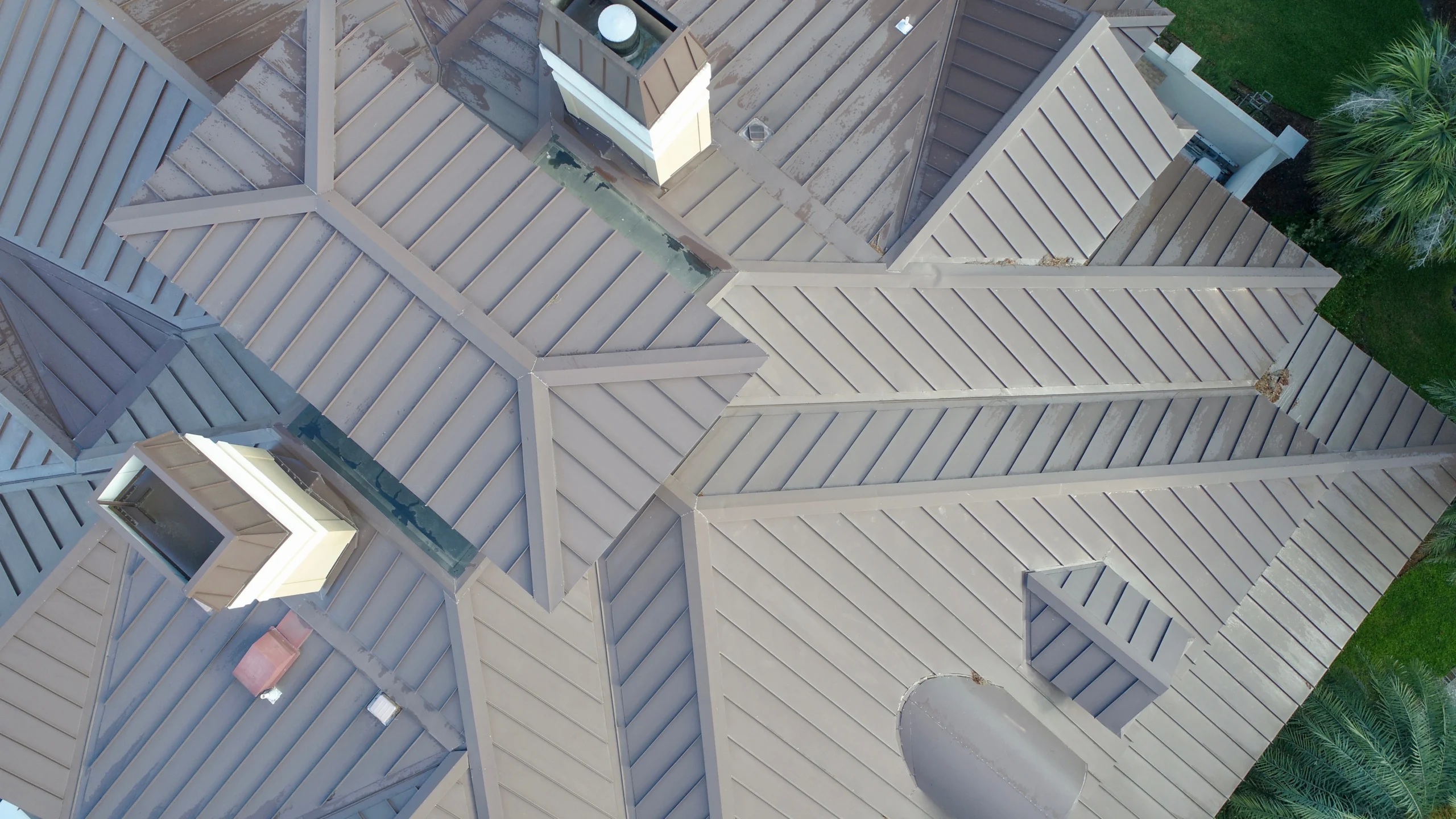
1. Standing Seam Metal Roofing
Standing seam metal roofing is one of the most common types of metal roofing systems. Here’s what you need to know:
Design
Standing seam roofs not only offer exceptional durability but also boast a sleek and modern appearance. The vertical panels with raised seams create a clean and streamlined look that enhances the overall aesthetics of your home. With their interlocking design, these roofs provide a seamless barrier against rain, snow, and wind, keeping your home safe and dry year-round.
Materials
When it comes to materials, standing seam roofs offer versatility and customization options to match your home’s style and architectural preferences. Whether you prefer the classic appeal of steel, the lightweight properties of aluminum, or the timeless elegance of copper, there’s a material choice to suit every homeowner’s taste.
Additionally, the availability of various color and finish options allows you to personalize your roof to complement the overall look of your home.
Durability
Standing seam roofs are renowned for their exceptional durability and longevity. Built to withstand the harshest weather conditions, these roofs can endure heavy rains, strong winds, and even hailstorms without succumbing to damage.
With proper maintenance, such as regular inspections and minor repairs, standing seam roofs can last anywhere from 40 to 70 years, providing homeowners with peace of mind and long-term protection for their investment.
2. Metal Shingle Roofing
Metal shingle roofing combines the durability of metal with the aesthetic appeal of traditional shingles. Here’s what you should know:
Appearance
Metal shingles are designed to emulate the appearance of traditional roofing materials like asphalt, wood, or slate shingles, giving your home a classic and timeless look. Whether you prefer the rustic charm of wood or the elegant appeal of slate, metal shingles can replicate the aesthetic of your choice while providing the durability and strength of metal.
Installation
Installing metal shingles is a straightforward process that involves overlapping rows, similar to traditional shingles. However, unlike asphalt shingles, metal shingles offer superior longevity and weather resistance, ensuring your roof remains sturdy and reliable for years to come. With proper installation techniques, metal shingles can withstand harsh weather conditions and protect your home from the elements.
Cost
While metal shingles may come with a higher initial cost compared to traditional asphalt shingles, they offer significant cost savings over the long term. Their durability and longevity mean you’ll spend less on repairs and replacements over the lifespan of your roof.
Additionally, metal shingles can increase the resale value of your home, providing a return on your investment should you decide to sell in the future.
3. Corrugated Metal Roofing
Corrugated metal roofing is a versatile and cost-effective option for residential and commercial properties. Here’s what you need to know:
Design
Corrugated metal panels are characterized by their distinctive ridges and grooves, which not only enhance the roof’s strength and stability but also allow for thermal expansion and contraction, reducing the risk of warping or damage over time. This design feature ensures that the roof remains durable and reliable, even in fluctuating weather conditions.
Applications
While corrugated metal roofing has long been favored for agricultural buildings, warehouses, and industrial structures due to its durability and affordability, it has increasingly become a popular choice for residential roofing applications as well. Homeowners appreciate its versatility, as it can complement a variety of architectural styles, from modern to rustic, and its ability to withstand the elements.
Affordability
One of the main advantages of corrugated metal roofing material is its affordability compared to other types of metal roofing. Its relatively low cost makes it an attractive option for homeowners on a budget who still want the durability and longevity of metal roofing.
Additionally, its low maintenance requirements mean that homeowners can save on upkeep costs over the lifespan of the roof, further enhancing its cost-effectiveness.
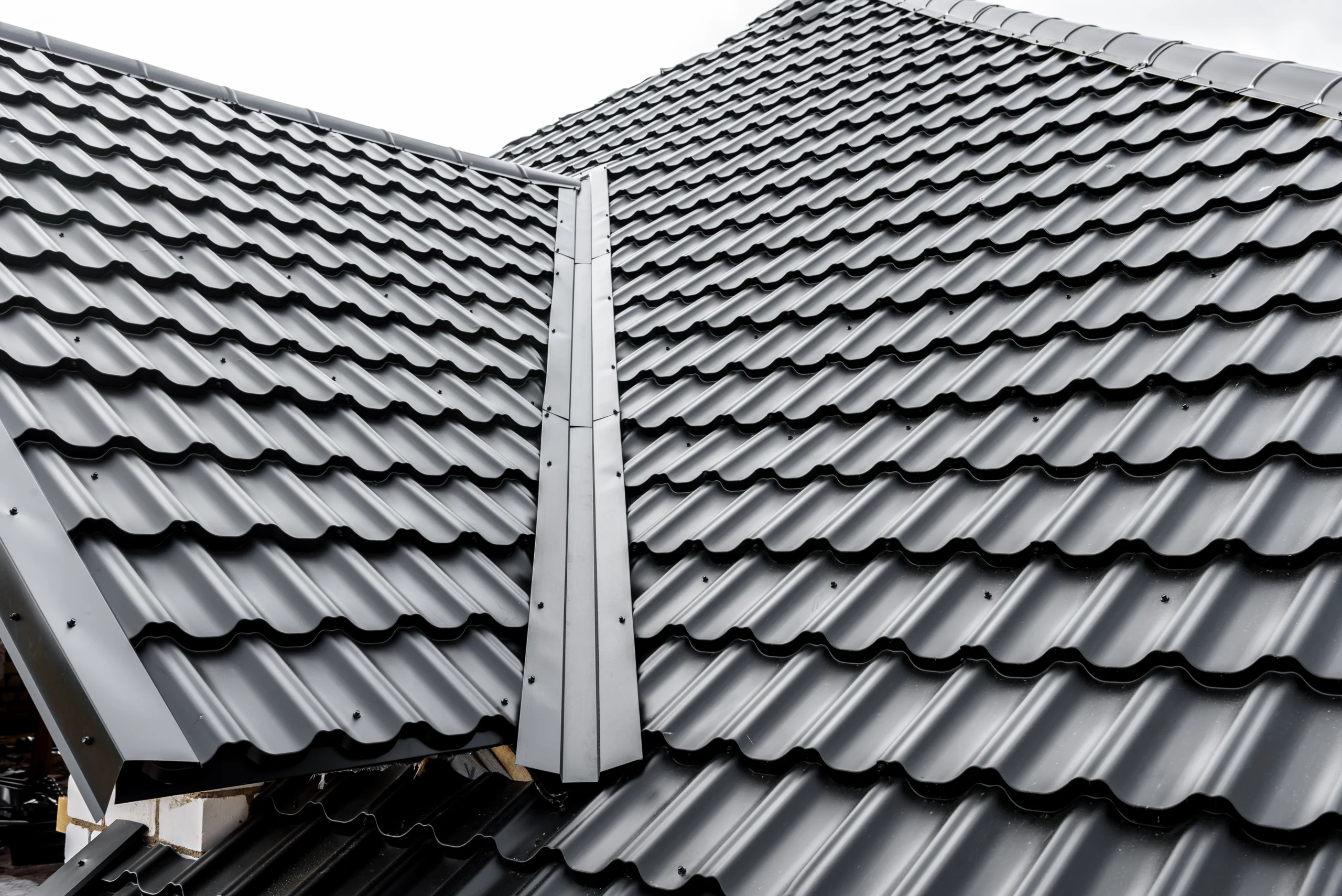
A Metal Roof Overview
Regardless of the metal roofing materials you choose, it’s clear that this cutting-edge roofing offers durability, longevity, and energy efficiency. It can last 50 years or more and withstand harsh weather like rain and wind.
Metal roofs are also fire-resistant and environmentally friendly because they’re often made from recycled materials and can be recycled again. Plus, they come in various styles and colors to match any home design.
However, metal roofing can be expensive upfront, and it may be noisy during heavy rain or hailstorms. Installation can also be tricky and requires professional help. Additionally, metal roofs can dent from hail or falling debris, and they may expand and contract, causing seams to loosen over time.
Choosing the Right Metal Roofing for Your Home
When it comes to selecting a metal roofing option for your home, consider factors such as durability, aesthetics, and budget. Whether you opt for standing seam, metal shingles, or corrugated metal roofing, you can enjoy the benefits of a long-lasting and low-maintenance roofing system that enhances the value and curb appeal of your home. Contact our team of expert contractors at Secured Roofing and Restorations today. We’ll answer all of your questions and customize an approach to tackle your project quickly and efficiently. Every one of our roofing experts is trained to provide the highest professional workmanship, personalized service, and to use only the best quality materials.
How Much Does A Metal Roof Cost? (2024 Update)
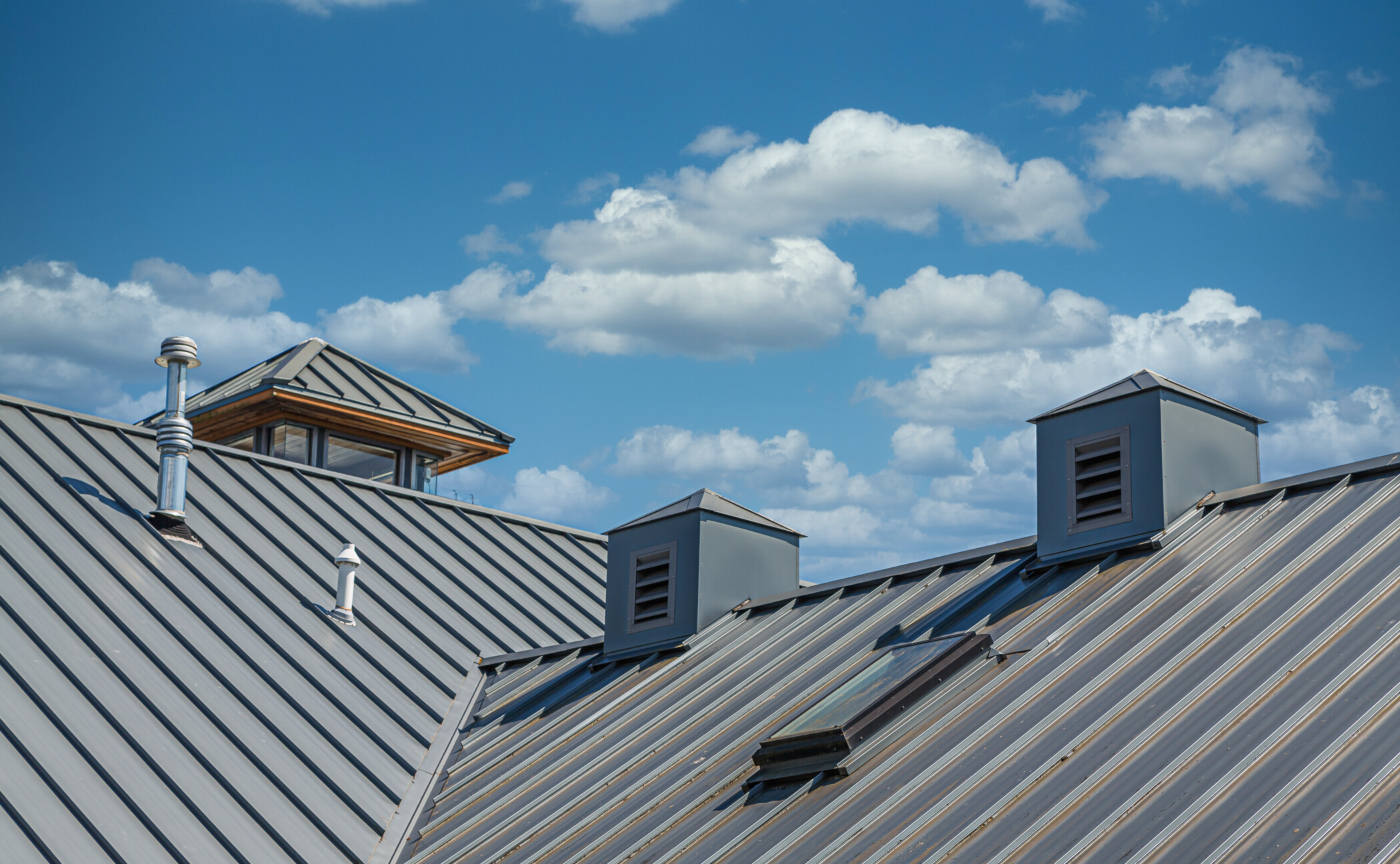
When considering a metal roof for your home, it’s essential to understand the associated costs. Metal roofing offers durability, energy efficiency, and aesthetic appeal, but how much does it actually cost? In this updated guide for 2024, we’ll explore the factors that influence metal roof costs and provide valuable insights for homeowners. From materials and labor to additional expenses, let’s dive into the world of metal roof pricing!
Inside this blog:
- 5 factors affecting metal roof cost
- 4 tips for managing metal roof costs
Keep reading to learn more about how much you should have saved up for a metal roof!
💰 5 Factors Affecting Metal Roof Cost
Several factors contribute to the overall cost of installing a metal roof. Understanding these factors can help homeowners budget effectively and make informed decisions:
1. Roof Size
The size of your roof plays a significant role in determining the overall cost of a metal roof installation. Larger roofs require more materials and labor to cover, resulting in higher expenses. Additionally, complex roof designs with multiple angles or sections may require additional time and effort to install properly, further contributing to the overall cost.
2. Material Choice
The type of metal roofing material you choose will impact the cost of your project. While basic options like steel may be more affordable upfront, premium materials such as copper or zinc come at a higher price point due to their durability and aesthetic appeal. Consider your budget and long-term goals when selecting the right material for your roof.
3. Roof Complexity
The complexity of your roof’s design can affect the installation process and, consequently, the overall cost. Roofs with multiple peaks, valleys, or dormers may require more intricate installation techniques, increasing labor costs. Additionally, features like chimneys, skylights, or roof vents may require custom flashing or additional materials, adding to the total expense.
4. Labor Costs
Labor expenses for a metal roof installation can vary depending on factors such as location, contractor rates, and the complexity of the project. Skilled labor is essential for ensuring proper installation and long-term performance, so it’s essential to budget accordingly for labor costs. Obtaining multiple quotes from reputable contractors can help you compare labor rates and find the best value for your project.
5. Additional Features
In addition to the roofing material and labor costs, there may be additional features or accessories that contribute to the total expense of a metal roof installation. These can include insulation to improve energy efficiency, underlayment to provide added protection, flashing to seal joints and edges, and gutter systems to manage water runoff.
While these features may increase the upfront cost of your project, they can enhance the performance and longevity of your metal roof in the long run.
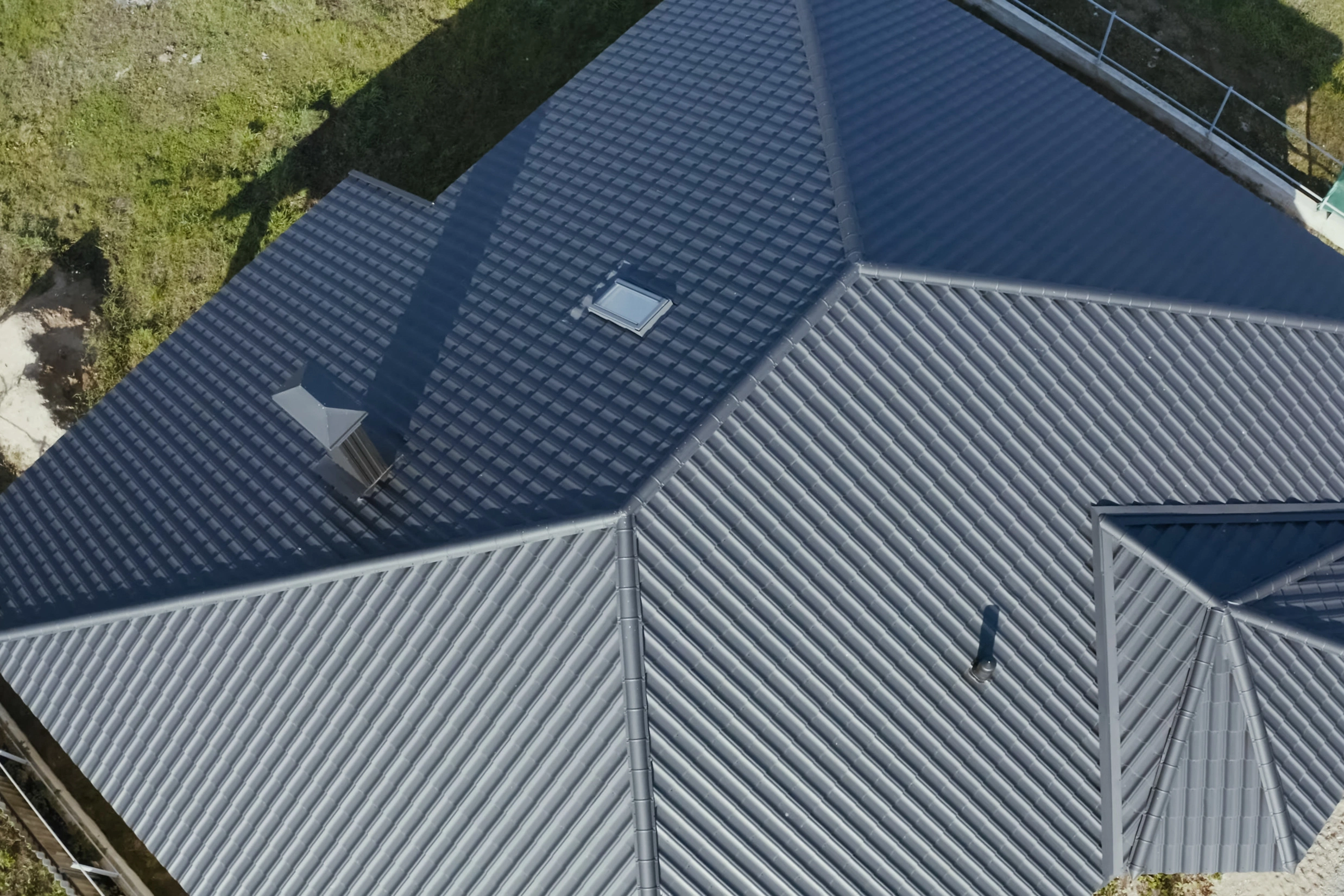
Breaking Down the Costs
Let’s delve deeper into each component of metal roof costs to gain a comprehensive understanding:
Material Costs
- Steel: Steel is a popular and affordable option, with prices typically ranging from $5 to $12 per square foot.
- Aluminum: Aluminum offers excellent corrosion resistance and durability but comes at a higher cost, ranging from $9 to $15 per square foot.
- Copper: Copper is a premium option known for its beauty and longevity, but it’s also the most expensive, averaging $15 to $25 per square foot.
Labor Costs
Labor expenses vary depending on factors like location and contractor rates. On average, homeowners can expect to pay between $3 to $7 per square foot for labor.
In some areas with higher costs of living, labor expenses may be higher, while in others, they may be more affordable. It’s essential to obtain quotes from multiple contractors to compare labor costs and ensure you’re getting a fair price for the installation.
Additionally, investing in a reputable and experienced contractor may come with a higher labor cost upfront but can save you money in the long run by ensuring quality workmanship and fewer issues.
Additional Expenses
- Underlayment: Typically costing around $0.50 to $1 per square foot, underlayment provides added protection against moisture and improves energy efficiency.
- Flashing and Trim: These essential components help seal roof joints and edges, preventing leaks. Prices range from $10 to $20 per linear foot.
- Insulation: Insulating your metal roof can enhance energy efficiency and comfort, with costs varying based on insulation type and thickness.
4 Tips for Managing Costs
Navigating metal roof costs can be daunting, but these tips can help homeowners manage expenses effectively:
1. Get Multiple Quotes
Obtaining quotes from multiple contractors allows you to compare prices and services, ensuring you get the best value for your money. It also gives you the opportunity to ask questions and clarify any concerns you may have about the project.
2. Consider Long-Term Value
Although the initial cost of a metal roof may be higher than other roofing materials, it’s essential to consider the long-term benefits. Metal roofs are durable and can last for decades with minimal maintenance, saving you money on repairs and replacements in the long run. Additionally, their energy-efficient properties can lower your utility bills over time, further enhancing their value.
3. Explore Financing Options
If the upfront cost of a metal roof is a concern, many contractors offer financing plans or payment options to help homeowners spread out the expense. By exploring these financing options, you can make installing a metal roof more affordable and manageable within your budget.
4. Invest in Quality
When it comes to metal roofing, investing in high-quality materials and professional installation is crucial for ensuring the longevity and performance of your roof. High-quality materials are more durable and resistant to damage, while professional installation ensures proper fitting and sealing, minimizing the risk of leaks or other issues down the road. While it may cost more upfront, investing in quality now can save you money on repairs and replacements later.
🏡 Investing in Your Home’s Future
While the cost of a metal roof may seem significant upfront, it’s an investment in your home’s future. With durability, energy efficiency, and aesthetic appeal, metal roofing offers long-term value and peace of mind for homeowners. By understanding the factors influencing metal roof costs and implementing smart budgeting strategies, you can embark on your roofing project with confidence, knowing you’re making a wise investment in your home.
Contact our team of expert contractors at Secured Roofing and Restorations today. We’ll answer all of your questions and customize an approach to tackle your project quickly and efficiently. Every one of our roofing experts is trained to provide the highest professional workmanship, personalized service, and to use only the best quality materials.