



Roof Inspection
What We Look for During a Roof Inspection
 Written by : Secured Roofing and Restorations
 4 minutes read
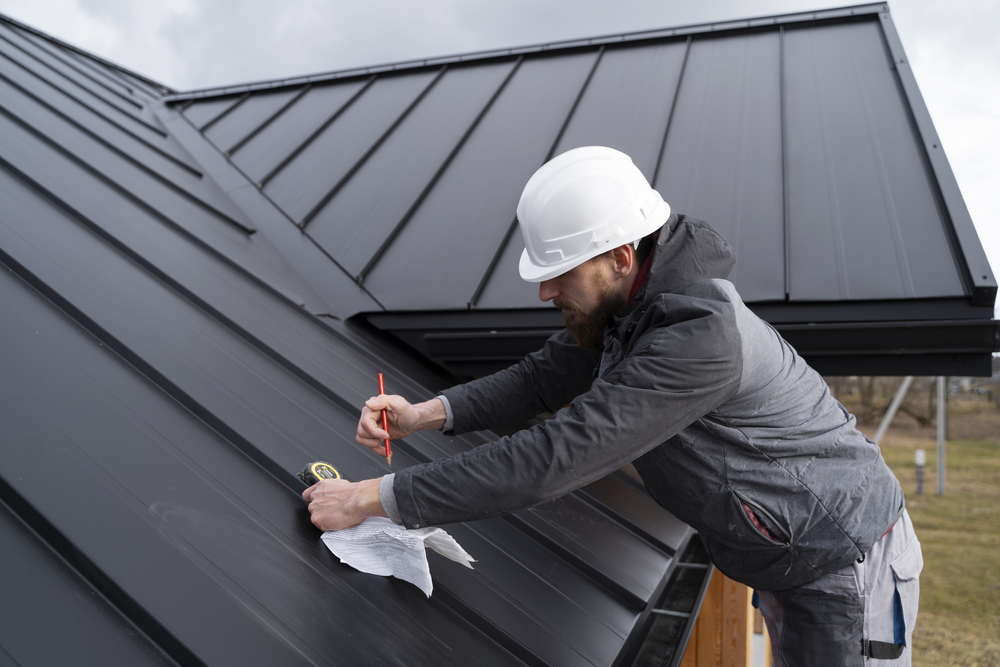

Roof Inspection Cost: Everything You Need to Know
Written by : Secured Roofing and Restorations
9 minutes read
Owning a home comes with many responsibilities, and maintaining the roof is one of the most important. Regular roof inspections can save you thousands of dollars in repairs and give you peace of mind that your home is safe from the elements. In this blog post, we’ll explore every aspect of roof inspection costs, aiming to provide homeowners like you with all the information needed to make an informed decision, including:
- The Importance of Roof Inspections
- Factors Affecting Roof Inspection Cost
- When Should You Schedule a Roof Inspection?
- 5 Signs You Need a Roof Inspection
- How to Find a Reliable Roof Inspector
- Benefits of Regular Roof Inspections
- FAQs
❗️ The Importance of Roof Inspections
Regular roof inspections are essential for maintaining the integrity of your home. They help identify potential issues before they become major problems, ensuring your roof lasts longer and protects you better.
Roof inspections can detect leaks, structural damage, and other issues that may not be visible from the ground. By catching these problems early, you can prevent costly repairs and extend the lifespan of your roof. Additionally, regular inspections can help you maintain your home’s value and improve energy efficiency.
Neglecting roof inspections can lead to expensive repairs and even complete roof replacements. Therefore, it’s crucial to prioritize roof inspections as part of your home maintenance routine.
🤔 Factors Affecting Roof Inspection Cost
Several factors can influence the cost of a roof inspection, including:
- Roof Size and Complexity: Larger and more complex roofs require additional time and effort for thorough inspections, as inspectors must navigate various features and potential hazards. This increased labor and the need for careful evaluation often lead to higher costs for the inspection process.
- Roof Material: Different roofing materials, such as asphalt, tile, or metal, may necessitate specialized inspection techniques and equipment. For instance, some materials might be more prone to specific issues, requiring inspectors to have a deeper understanding of those materials, which can influence the overall cost of the inspection.
- Inspector Experience: Highly experienced inspectors bring valuable knowledge and skills to the process, enabling them to identify potential problems more effectively. Their expertise can result in more accurate assessments, but it may also lead to higher inspection fees as their services are often in greater demand.
Cost Breakdown of Roof Inspections

Roof inspections typically range from $100 to $400, depending on various factors. Here’s a general breakdown of what you might expect:
- Basic Visual Inspection: $100 to $200
- Comprehensive Inspection with Equipment (e.g., drones, infrared cameras): $200 to $400
- Additional Services (e.g., lab testing for mold or asbestos): Extra charges may apply
Keep in mind that these are general estimates, and actual costs may vary based on your location and specific requirements.
DIY vs Professional Roof Inspections
While it might be tempting to inspect your roof yourself, professional inspections are highly recommended. Here’s why:
- Safety: Climbing onto a roof can be dangerous, especially without proper equipment and experience.
- Expertise: Professional inspectors have the knowledge and tools to identify issues that may not be visible to the untrained eye.
- Thoroughness: A professional inspection covers all aspects of your roof, ensuring no potential problems are overlooked.
Although DIY inspections can save money, they may not provide the same level of accuracy and reliability as a professional inspection.
📆 When Should You Schedule a Roof Inspection?
Timing is crucial when it comes to roof inspections. Here are some key instances when you should schedule an inspection:
Before Buying or Selling a Home ons every 1-2 years to catch issues early and maintain your roof’s health.
Ensure the roof is in good condition to prevent unexpected repairs down the line. It’s crucial to have a professional inspection to assess any potential issues that could affect the property’s value and your investment.
After Severe Weather
Check for damage from storms, heavy rainfall, or high winds. Look for missing shingles, leaks, or debris accumulation, as these can lead to more significant problems if not addressed promptly.
Regular Maintenance
Schedule regular inspections to keep your roof in optimal condition. This includes cleaning gutters, checking for algae or moss growth, and ensuring flashing is intact, all of which contribute to the longevity of your roof.
By scheduling inspections at these times, you can ensure your roof remains in top condition throughout the year.
⚠️ 5 Signs You Need a Roof Inspection
Certain signs indicate it’s time for a roof inspection. Here are five key indicators:
1. Leaks and Water Stains

If you notice water stains on your ceiling or walls, it’s crucial to get your roof checked as soon as possible. These stains often indicate underlying leaks that can lead to more severe water damage if left unaddressed. Regular inspections can help identify the source of these leaks, allowing for timely repairs and preventing costly renovations in the future.
2. Missing or Damaged Shingles
Visible damage to shingles can significantly compromise your roof’s integrity, making it more susceptible to leaks and further deterioration. Missing shingles expose the underlying layers to the elements, while damaged ones may allow water to seep through. Regularly inspecting your roof for shingle issues ensures that any necessary repairs are made quickly, prolonging the life of your roof.
3. Sagging Roof
A sagging roof is a clear sign of structural issues that require immediate attention. This can be caused by a variety of factors, including water damage, inadequate support, or the weight of accumulated snow. Ignoring this warning can lead to catastrophic failures, so it’s essential to consult a professional to assess the structural integrity and recommend necessary repairs or reinforcements.
4. Increased Energy Bills
Higher energy costs could indicate poor insulation or ventilation in your roof. If your home feels drafty or you notice fluctuating temperatures, it might be time to evaluate your roofing system. Proper insulation helps regulate indoor temperatures, reducing your reliance on heating and cooling systems. An energy audit can help pinpoint areas for improvement, ultimately saving you money in the long run.
5. Moss or Algae Growth
Moss or algae growth on your roof can cause significant damage if not addressed promptly. These organisms thrive in damp conditions and can retain moisture against your shingles, leading to rot and deterioration. Regular cleaning and maintenance can help prevent their growth, and installing zinc or copper strips can inhibit moss and algae from taking hold, ensuring the longevity of your roof.
🔎 How to Find a Reliable Roof Inspector
Finding a trustworthy roof inspector is crucial for an accurate assessment. Here are some tips to help you find a reliable professional:
- Ask for Recommendations: Speak with friends, family, or neighbors who’ve had roof inspections.
- Check Online Reviews: Look at reviews on websites like Google, Yelp, and the Better Business Bureau.
- Verify Credentials: Ensure the inspector is licensed, insured, and certified by relevant industry organizations.
Taking these steps can help you find a qualified roof inspector who will provide a thorough and reliable assessment.
What to Expect During a Roof Inspection
Understanding what happens during a roof inspection can help you prepare. Generally, the process involves:
Visual Inspection
The inspector will thoroughly examine the roof’s surface for visible damage, such as missing shingles, cracks, or signs of wear. This initial assessment helps identify any immediate concerns that could lead to more significant issues if left unaddressed.
Structural Inspection
They’ll conduct a comprehensive check of the roof’s structure, including the attic space and support beams, looking for signs of damage, moisture intrusion, or structural wear. This evaluation ensures that the underlying framework is sound and capable of supporting the roof’s weight.
Detailed Report
After the inspection, you’ll receive a detailed report outlining any issues found, including photos and descriptions of the damage. The report will also include recommended repairs and maintenance tips to help you address the problems and preserve the integrity of your roof.
Knowing what to expect can help you feel more confident and prepared for your roof inspection.
✅ Benefits of Regular Roof Inspections

Regular roof inspections offer numerous benefits, including:
Early Detection of Issue
Catching problems early can prevent costly repairs and extend your roof’s lifespan. During a roof inspection, several common issues may be identified, such as:
- Leaks: Water infiltration can cause significant damage if not addressed promptly.
- Shingle Damage: Missing, cracked, or curled shingles compromise your roof’s protection.
- Flashing Problems: Damaged or improperly installed flashing can lead to leaks and water damage.
Improved Energy Efficiency
A well-maintained roof plays a crucial role in ensuring proper insulation and ventilation, which helps regulate temperature and reduces the energy needed for heating and cooling. By preventing air leaks and maintaining a balanced environment, homeowners can enjoy lower utility bills and a more comfortable living space year-round.
Increased Home Value
Investing in a well-maintained roof not only enhances the aesthetic appeal of your home but also increases its market value. Potential buyers often view a sturdy roof as a sign of a well-cared-for property, making it a key selling point. A new or recently repaired roof can provide buyers with peace of mind, knowing they won’t have to address significant maintenance issues shortly after purchase.
❓ FAQs
Q: How often should I schedule a roof inspection?
It’s recommended to schedule a roof inspection every 1-2 years, or after severe weather events.
Q: Can I inspect my roof myself?
While DIY inspections can save money, professional inspections are safer and more thorough.
Q: What should I do if my roof has damage?
If damage is found during an inspection, follow the inspector’s recommendations for repairs to prevent further issues.
🙌 The Importance of Regular Roof Inspections for Home Safety and Value
Understanding roof inspection costs and the importance of regular inspections can help you maintain your home’s value and safety. By staying proactive, you can catch potential problems early and enjoy the benefits of a well-maintained roof.
At Secured Roofing and Restorations, we pride ourselves on providing reliable and thorough roof inspections. Our team of experts is dedicated to helping homeowners like you protect their investments. Contact us today to schedule your roof inspection and experience the peace of mind that comes with knowing your home is in good hands.
When To File A Roof Insurance Claim For Damages
Written by : Secured Roofing and Restorations
5 minutes read
Your roof is your home’s first line of defense against the elements, but sometimes even the sturdiest roofs can suffer damage. Knowing when to file a roof insurance claim for damages is crucial for protecting your investment and ensuring timely repairs. In this homeowner’s guide, we’ll explore the signs that indicate it’s time to file a roof insurance claim and guide you through the process. Let’s dive in!
Inside this blog:
- 4 signs you need to file a roof insurance claim
- 3 scenarios when you should take action for filing a claim
- How to file a roof insurance claim for roof damages
Keep reading to learn all you need to know about when it’s the right time to file a roof insurance claim!
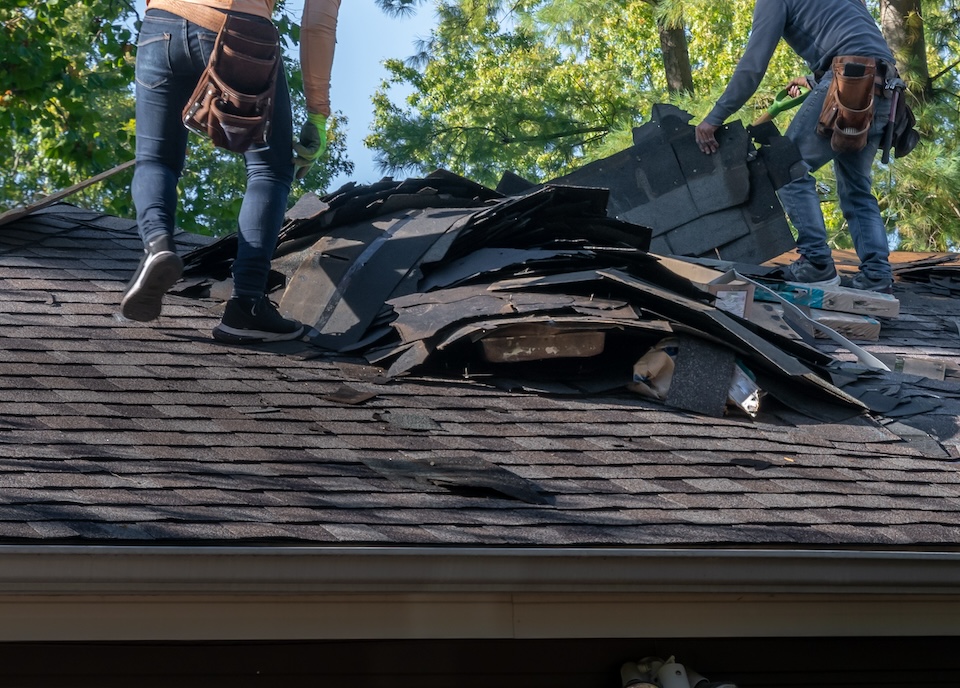
4 Signs It’s Time to Act on Filing a Claim For Roof Damage
Check out the signs below that indicate it’s time to start the roof insurance claim process.
1. You Notice Visible Damage
When you see obvious signs of trouble on your roof, like missing or broken shingles, cracks, or spots where water is leaking through, don’t wait to act. These problems might seem small at first, but if you leave them alone, they can get worse and cause even bigger headaches down the road.
2. You’ve Been Hit By a Recent Storm
After a big storm rolls through your area, it’s smart to give your roof a once-over. Even if your roof looks okay from the ground, there could be damage that’s hard to spot. Checking for any new issues after bad weather can help you catch problems early and prevent them from getting worse.
3. Your Roof is Getting Old
As your roof gets older, it starts to wear out and become more prone to damage. If your roof is getting up there in years or has already surpassed its expected lifespan, it’s a good idea to keep a close eye on it. Older roofs are more likely to develop problems, so it’s important to watch for any signs of trouble and take action if you see them.
4. You See Water Stains or Leaks
If you see water stains on your ceilings or walls, it’s a sign that something’s not right with your roof. These stains can indicate that water is getting in somewhere it shouldn’t be, which could lead to more serious issues if you don’t address it. Whether it’s a small leak or a big one, it’s important to deal with it right away to prevent further damage to your home.
When to Take Action
Below are 3 scenarios when you should take action on filing a homeowners insurance claim for your roof damage.
1. Immediate Damage
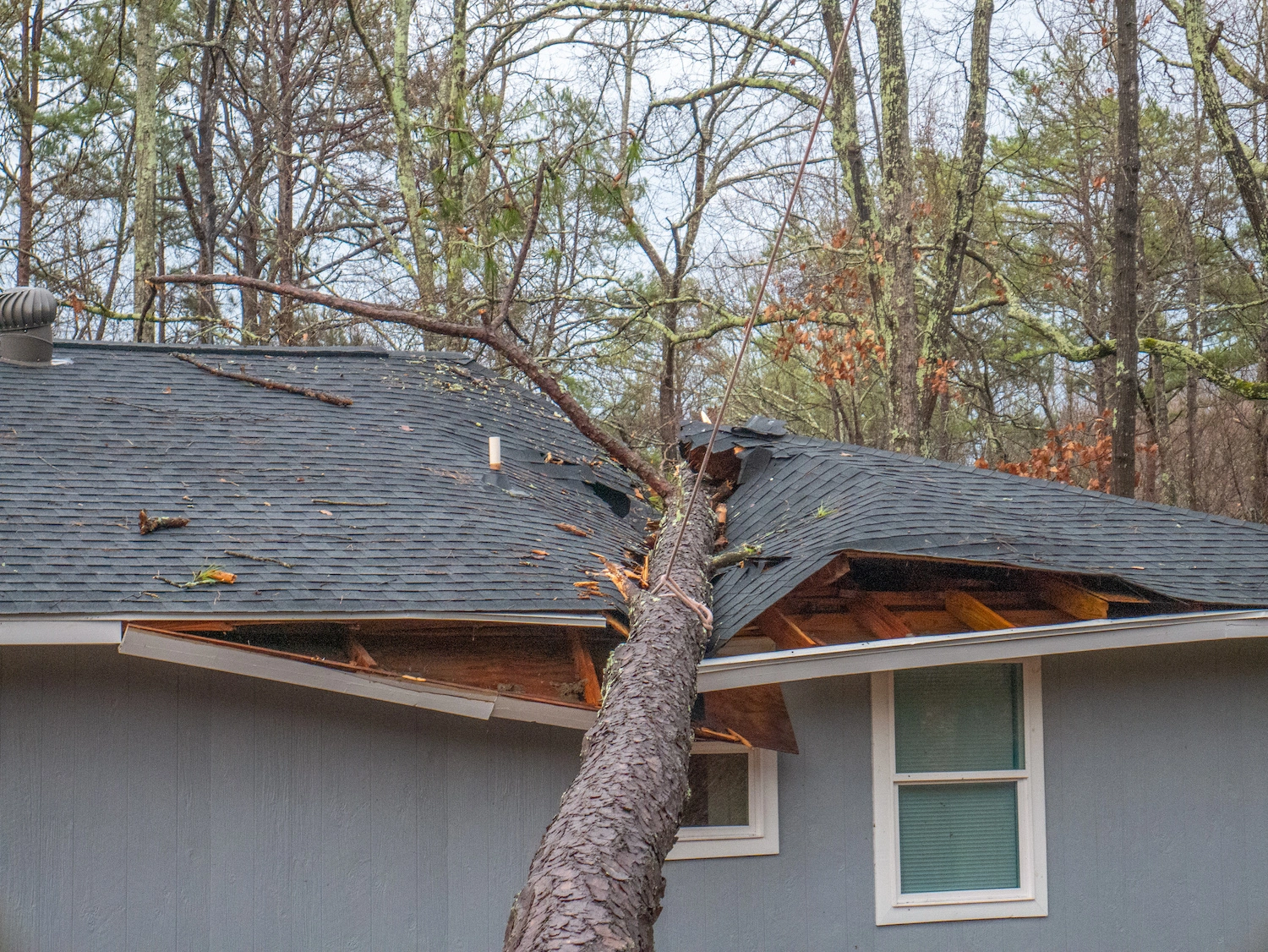
When something major happens to your roof, like a tree crashing down on it or a chunk of it collapsing, don’t hesitate to get your insurance involved right away. The quicker you act, the faster you can get things fixed up and stop any more damage from happening to your home.
2. Hidden Damage
Sometimes, the damage to your roof isn’t obvious right away. After a big storm or if you suspect something’s not right, it’s a good idea to take a closer look. Even if you can’t see any problems from the ground, there could be damage lurking underneath that could cause big issues later on if you don’t catch it early.
3. Preventive Measures
If you spot little problems on your roof, like a few missing shingles or some wear and tear, don’t wait for them to get worse. Filing a claim with your insurance can help cover the cost of fixing up these minor issues before they turn into big headaches. It’s like getting ahead of the game and stopping problems in their tracks before they have a chance to get out of hand.
How to File a Claim
Before filing a roof insurance claim, review your homeowner’s insurance policy to understand your coverage limits, deductibles, and any exclusions that may apply to roof damage.
Thoroughly document the damage to your roof, including photos and videos from multiple angles. Be sure to capture any visible signs of damage, such as missing shingles, leaks, or structural issues.
Contact Your Insurance Company
Contact your insurance company as soon as possible to report the damage and initiate the claims process. Be prepared to provide detailed information about the damage, including when it occurred, how it happened, and the extent of the damage.
Your insurance company may schedule an inspection of your roof to assess the damage and determine the cost of repairs or replacement. Be sure to schedule the inspection as soon as possible to expedite the claims process.
After the inspection, follow up with your insurance company to discuss their findings and address any recommendations or concerns. Be proactive about staying informed throughout the claims process and advocating for the repairs your roof needs.
🏡 File a Roof Insurance Claim Like a Pro
Filing a roof insurance claim for damages can be a complex process, but knowing when to take action and how to navigate the process can help you protect your home and ensure timely repairs. By staying vigilant for signs of damage, documenting any issues, and working closely with your insurance company, you can restore your roof’s integrity and safeguard your home for years to come.Contact our team of expert contractors at Secured Roofing and Restorations today. We’ll answer all of your questions and customize an approach to tackle your project quickly and efficiently. Every one of our roofing experts is trained to provide the highest professional workmanship, personalized service, and to use only the best quality materials.
What To Expect During a Home Roof Inspection? (2023 Guide)
Written by : Secured Roofing and Restorations
7 minutes read
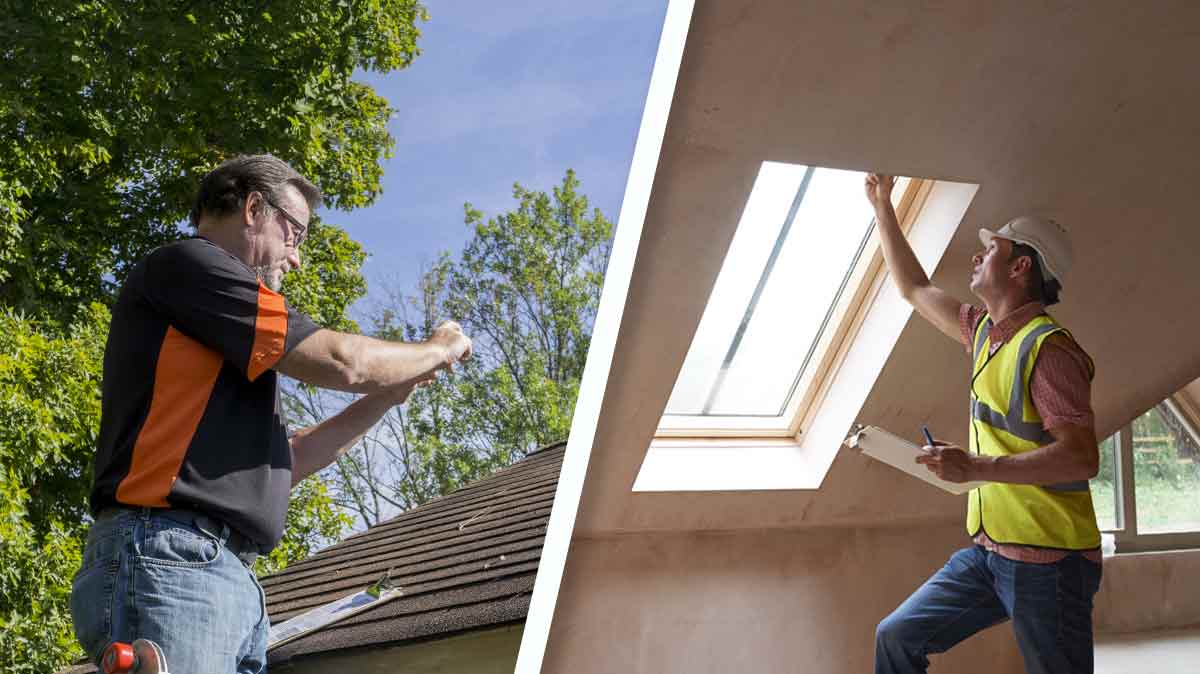
Homeowners might believe that as long as the roof looks free of debris or damage, that they’re in the clear. But over time your roof’s integrity does decline, especially without proper maintenance.
Roofing inspections are critical to increasing the longevity of your roof and spotting problem areas that could cost you significant money in repairs. They should be performed at least once every three years or immediately after a severe storm. If you have neglected to get your roof inspected, or if it’s your first time, there are a few things you should know.
What To Expect During a Home Roof Inspection?

How Long Does a Roof Inspection Take?
Depending on the size, type, and slope of your roof, a thorough roof inspection can take just under an hour. In recent years, roofers have introduced drones into their standard practice for inspections and that way can shave off 30-40 minutes from an inspection. Of course, you will have to schedule the inspection which can take a while if the contractor you are working with is very busy. After severe storms, this can definitely be the case.
When Should I Schedule a Roof Inspection?
Many homeowners may get roof inspections after severe weather comes through, which is definitely a good idea, but it isn’t the only time you should get an inspection. You should also get a roof inspection if you are prepping to sell your home (replacing the roof can be a big selling point), and every few years depending on roof type and location.
For example, asphalt shingle roofs should be inspected about every 3 years, while tile and metal roofs can go much longer between inspections—closer to 5-6 years. Living near the coast or in a climate with heavy snow or rain can wear away your roof much faster, and you may want to consider more frequent roof inspections in those areas.
The time of year that is best for scheduling your roof inspection is in the fall before cold weather and ice and snow begin. If your roof needs replacement or repair, you can catch it before any further damage occurs. The snowmelt in the spring can be a definite risk of water damage if your roof isn’t up to snuff.

What Can I Expect During my Professional Roofing Inspection?
When you hire a professional roof inspector, you can expect them to check for a few things. First, they’ll look for obvious signs of damage or leaks, wear and tear from an aging roof, and other issues that can occur from poor installation or maintenance.
In order to hit every area, inspections are usually broken up into 4 categories; structure, material, interior, and workmanship. This ensures every aspect of the roof as a whole is inspected. They will also look at the chimney, soffits, gutters, and any other system associated with your roof’s function and ability to protect your home. And to do a thorough inspection to check for leaks and water damage, you can expect them to do both an exterior and interior inspection.
Exterior Roof Inspection
The first step in a typical roof inspection is taking a look from the ground level at the drainage patterns of your home and looking for any worn-out areas. The next step involves getting a ladder and checking out the roof.
Here, the inspector will look for leaks, damaged shingles, loose granules, and any other problematic spots. They may even circle any spots with washable chalk to make sure they don’t miss it when filling out their report. They will also check all the “joints” of your roof including sidewalls, dormers, and valleys to assure that the flashings are properly sealed.
During an exterior inspection, the inspector may be looking for:
- Cracked caulk or rust spots on flashing
- Shingles that are missing, broken, buckling, curling, or blistering
- Cracked or worn rubber boots around vent pipes
- Large groups of moss and lichen, which could signal roof decay
- Instances of mold and roof rot
- Leaks of any kind
- Signs of structural issues such as a sagging roof deck
- The structural integrity of your gutters.

Interior Roof Inspection
Once they have noted all the problem spots on the exterior, an inspector will want to check out the interior to look for more serious conditions that may be hidden from the exterior inspection. Insulation and ventilation play critical roles in the longevity of your roof. Any signs of moisture, mold or sagging will lead to major repairs.
During an interior inspection, the inspector may be looking for:
- Moisture around fireplaces
- Peeling paint where the roof overhangs
- Dark areas on your ceiling
- Concave areas on your ceiling
- Leaks
- Water Stains on pipes near the water heater/furnace
- Mold and rot on your wood rafters
Can I Do my Own Roof Inspection?
Sure! It’s absolutely possible to do your own inspection if you don’t want to call a contractor, especially for regular roof inspections for maintenance purposes. You can follow the same steps as the above exterior and interior inspections we listed above, as long as you can safely do so. We don’t recommend inexperienced homeowners to get up on the roof, but you should be able to spot any immediate damage and assess the condition of your roof just by looking at it. If you see anything obviously wrong, you should call a professional for a more thorough look.
The same goes for an interior inspection. If you have easy access to your attic, go ahead and take a flashlight and peek around from the attic entrance. Look for any spots of water damage, discoloration, wet insulation, etc. If everything from that view looks ok, you shouldn’t need to walk into your attic and risk injury or causing damage to your attic floor.
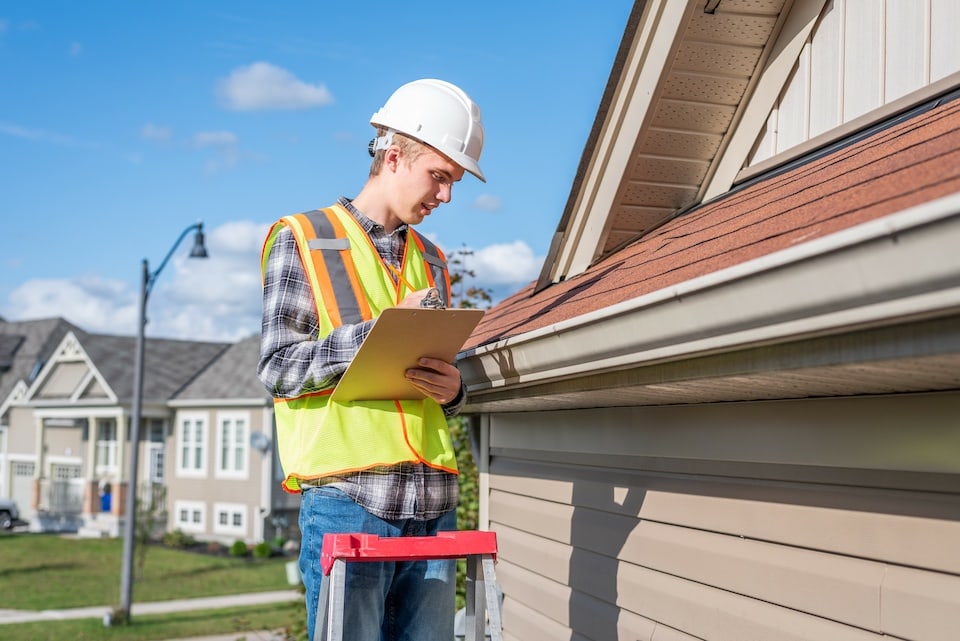
Roof Inspection Cost, Action Plan, and Next Steps
If you are worried about the costs involved with getting a professional roof inspection, there is no need to worry. In todays market, most roof inspections cost somewhere around $200. It is also common to find some contractors who offer complementary roof inspections, especially when there is suspected storm damage.
Another benefit of going the professional route is that once the interior and exterior inspections are done, your professional inspection team will go down their checklist identifying any issues that need to be fixed. They will then go over that list prioritizing imminent threats that should be taken care of immediately. If necessary, they will provide you with a formal estimate for the repairs.
That’s it! Hopefully, your first inspection doesn’t alert you to any significant problems, but if it does, the roofing experts at Secured Roofing and Restoration can provide everything you need to get your roof back to 100% without a hassle. We offer comprehensive roof repair services to ensure you get back to normal in no time at all.
Frequently Asked Questions
What happens during a roof inspection?
A roofing inspection is a routine checkup on the integrity of your roof. Homeowners choose to inspect their roofs for a number of reasons, predominantly to check for storm damage or to determine the life left on the roof of a newly purchased home.
How often do I need to have my roof inspected?
Generally, there are three important times to have your roof inspected: when you purchase a used home, after a severe storm rolls through, or at the half-life of your roof. So if you expect your shingle roof to last 20 years, have it inspected 10 years down the road.
Can I perform my own roofing inspection?
We do not recommend that homeowners inspect their own roofs. Getting on your roof can be dangerous in and of itself. Not to mention the average homeowner doesn’t know what signs of damage to look for. Your home is a massive investment, and it isn’t worth the risk to inspect it yourself. We recommend hiring a local roofer you trust to take a look at your roof when its inspection time.