



Roof Maintenance
How Long Does A Roof Last? (Maintenance Tips, Materials…)
 Written by : Dev Team
 8 minutes read

Few investments come close to being as significant as your roof. A well-maintained roof provides shelter, protects your home from the elements, and contributes to the overall aesthetics of your property. But how long does a roof really last? The lifespan of a roof can vary widely based on several factors including the materials used, the quality of installation, and the level of maintenance it receives. In this comprehensive guide, we will answer the question, “How long does a roof last?”, offer essential maintenance tips, and other helpful recommendations, like:
- Lifespan of different roofing materials
- 7 Essential Maintenance Tips for Prolonging Roof Life
- 6 Factors Affecting Roof Longevity
- 5 Signs Your Roof Needs Replacement
- Choosing the Right Roofing Material for Your Needs
⏳ Lifespan of Different Roofing Materials
The type of roofing material you choose is one of the most critical factors in determining how long your roof will last. Here is an overview of the expected lifespan of some common roofing materials:
Asphalt Shingles
Asphalt shingles are the most popular roofing material in the United States due to their affordability and ease of installation. There are two main types of asphalt shingles: 3-tab shingles and architectural shingles.
- 3-tab shingles: Typically last between 15 to 20 years.
- Architectural shingles: Offer a longer lifespan of 25 to 30 years due to their thicker, more durable design.
Wood Shingles and Shakes
Wood shingles and shakes provide a natural, rustic look and are usually made from cedar, redwood, or pine.
- Wood shingles: Generally last between 25 to 30 years.
- Wood shakes: Can last up to 35 to 40 years with proper maintenance.
Metal Roofing
Metal roofs are known for their durability and are available in various materials such as steel, aluminum, copper, and zinc.
- Steel and aluminum: Can last between 40 to 70 years.
- Copper and zinc: Offer an impressive lifespan of 70 to 100 years or more.
Clay and Concrete Tiles
Clay and concrete tiles are incredibly durable and are commonly used in Mediterranean-style homes.
- Clay tiles: Can last between 50 to 100 years.
- Concrete tiles: Offer a lifespan of 40 to 60 years.
Slate Roofing
Slate roofing is one of the longest-lasting roofing materials available, known for its elegance and longevity.
- Slate tiles: Can last between 75 to 200 years, depending on the quality of the slate.
Synthetic Roofing Materials
Synthetic roofing materials, such as rubber, plastic, and polymer, are designed to mimic the appearance of natural materials while offering increased durability.
- Synthetic shingles: Typically last between 20 to 50 years.
💡 7 Essential Maintenance Tips for Prolonging Roof Life
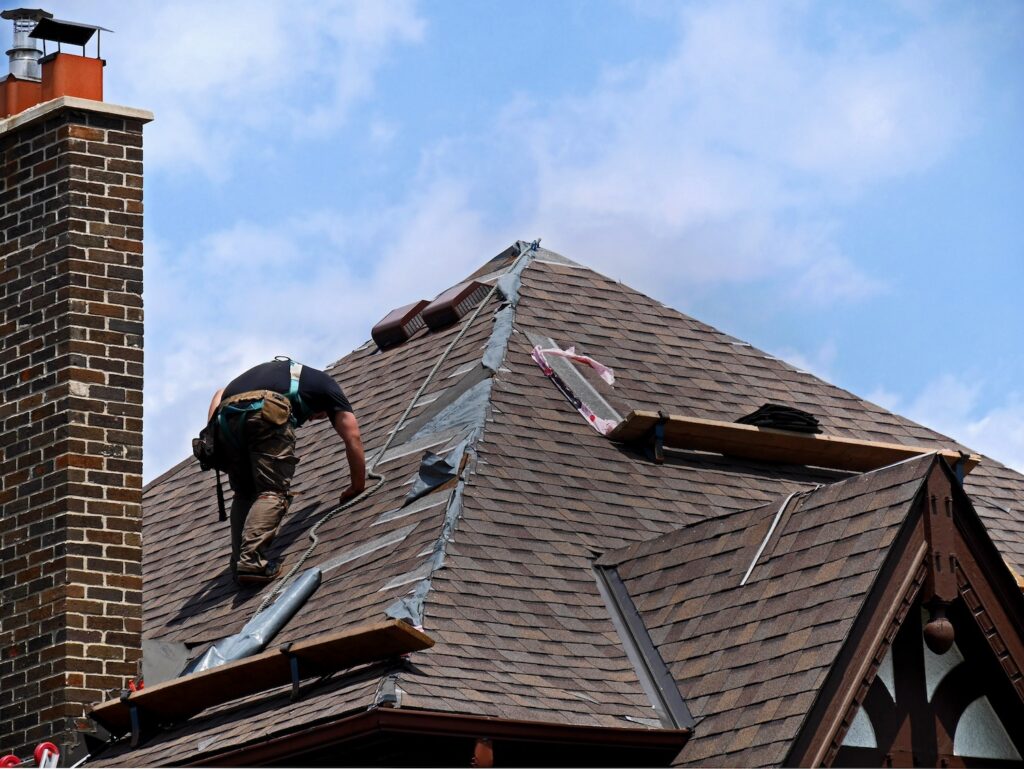
Proper maintenance is crucial for extending the lifespan of your roof, regardless of the material. Here are some essential maintenance tips to help you keep your roof in top condition:
1. Regular Inspections
Conduct regular roof inspections at least twice a year, preferably in the spring and fall. Look for signs of damage, such as missing or cracked shingles, rusted flashing, and clogged gutters.
2. Clean Your Gutters
Clogged gutters can cause water to back up and seep under your roofing materials, leading to leaks and water damage. Clean your gutters regularly to ensure proper drainage.
3. Remove Debris
Keep your roof free from debris, such as leaves, branches, and moss. Debris can trap moisture and cause deterioration of the roofing materials. Use a roof rake or a leaf blower to remove debris safely.
4. Trim Overhanging Branches
Overhanging branches can scrape and damage your roof, especially during storms. Trim back any branches that are close to your roof to prevent potential damage.
5. Address Repairs Promptly
If you notice any damage during your inspections, address it promptly. Small issues, such as a missing shingle or a minor leak, can quickly escalate into more significant problems if left unattended.
6. Check for Proper Ventilation
Proper attic ventilation is essential for maintaining the health of your roof. Ensure that your attic has adequate ventilation to prevent heat and moisture buildup, which can lead to premature roof deterioration.
7. Ensure Proper Insulation
Proper insulation helps regulate your home’s temperature and reduces the strain on your roofing materials. Make sure your attic is well-insulated to prolong the life of your roof.
🏠 6 Factors Affecting Roof Longevity
Several factors can influence the lifespan of your roof, beyond the materials used and maintenance practices. Here are some key factors to consider:
1. Climate and Weather Conditions
The climate and weather conditions in your area play a significant role in determining how long your roof will last. For example, roofs in areas with extreme temperatures, heavy snowfall, or frequent storms may experience more wear and tear than those in milder climates.
2. Quality of Installation
The quality of the installation is critical to the longevity of your roof. Poor installation can lead to issues such as leaks, improper ventilation, and premature deterioration. Always hire a reputable and experienced roofing contractor to ensure your roof is installed correctly.
3. Roof Pitch and Design
The pitch and design of your roof can also impact its lifespan. Steeper roofs tend to shed water and snow more effectively, reducing the risk of water damage. Additionally, roofs with fewer valleys and complex features are less prone to leaks and other issues.
4. Material Quality
The quality of the roofing materials used can vary significantly. Investing in high-quality materials may have a higher upfront cost but can result in a longer-lasting roof and fewer repairs over time.
5. Ventilation and Insulation
As mentioned earlier, proper ventilation and insulation are crucial for maintaining the health of your roof. Ensure your attic has adequate ventilation and insulation to prevent heat and moisture buildup, which can lead to premature roof deterioration.
6. Regular Maintenance
Regular maintenance is essential for prolonging the life of your roof. By conducting regular inspections, cleaning your gutters, and addressing repairs promptly, you can prevent small issues from becoming major problems.
⚠️ 5 Signs Your Roof Needs Replacement
Even with proper maintenance, there will come a time when your roof needs to be replaced. Here are some signs that it may be time for a new roof:
1. Age of the Roof
If your roof is approaching the end of its expected lifespan based on the materials used, it may be time to consider a replacement.
2. Frequent Repairs
If you find yourself constantly repairing your roof, it may be more cost-effective to invest in a new roof rather than continuing to patch up an aging one.
3. Visible Damage
Visible damage, such as cracked or missing shingles, sagging, or extensive granule loss, can indicate that your roof is nearing the end of its lifespan.
4. Leaks and Water Damage
Frequent leaks and water damage inside your home can be a sign that your roof is no longer providing adequate protection.
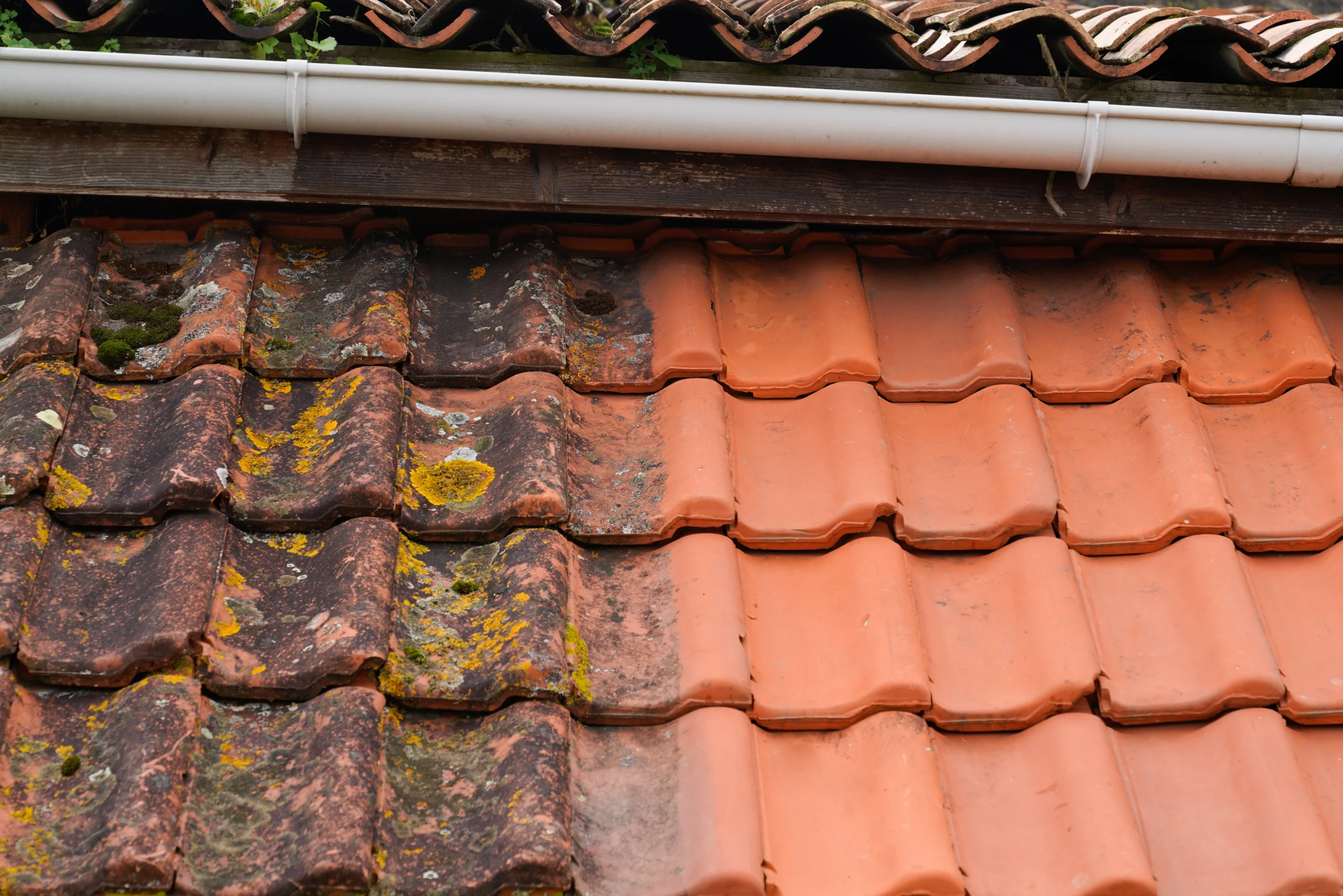
5. Moss and Algae Growth
While moss and algae growth can often be cleaned, persistent growth can indicate underlying issues with moisture retention and may be a sign that your roof needs to be replaced.
👇 Choosing the Right Roofing Material for Your Needs
When it comes time to replace your roof, choosing the right roofing material is crucial. Here are some factors to consider when selecting a roofing material:
Climate
Consider the climate in your area when choosing a roofing material. For example, metal roofs are excellent for areas with heavy snowfall, while clay tiles are ideal for hot, dry climates.
Budget
Your budget will play a significant role in determining the type of roofing material you choose. While high-end materials such as slate and metal can be more expensive, they often offer longer lifespans and lower maintenance costs.
Aesthetic Preferences
The appearance of your roof can significantly impact the overall look of your home. Choose a roofing material that complements your home’s architectural style and enhances its curb appeal.
Durability
Consider the durability of the roofing material and how it will stand up to the elements in your area. High-quality materials may have a higher upfront cost but can save you money in the long run by reducing the need for repairs and replacements.
Maintenance Requirements
Different roofing materials have varying maintenance requirements. Consider how much time and effort you are willing to invest in maintaining your roof when selecting a material.
🙌 Secured Roofing and Solar: Ensuring Longevity and Quality for Your Roof
The lifespan of your roof hinges on materials, installation quality, and maintenance. At Secured Roofing and Solar, we use top-quality materials and ensure flawless installation for long-lasting roofs. Choosing us means regular maintenance and prompt repairs, extending your roof’s life. We guide you in selecting the best roofing materials based on climate, budget, and durability. Our services include inspections, repairs, and proper ventilation, ensuring your roof’s longevity. Trust Secured Roofing and Solar for all your roofing needs. Contact us today for a consultation and protect your home with our expertise!
6 Helpful Tips For When You Are Doing Some Roof Cleaning
Written by : Secured Roofing and Restorations
6 minutes read
Your roof is like the number one protector of your home, keeping you safe and dry from the elements. But just like anything else, it needs a little TLC to stay in tip-top shape. Roof cleaning might not be the most glamorous task, but it’s an essential part of home maintenance. Here are some handy tips to make the job a breeze!
Inside this blog:
- The 6 best tips for thorough roof cleaning
- Details under each tip to help homeowners
Keep reading to learn everything you need to know about proper roof cleaning so your home can stay in tip top shape!
1. Safety First
Before you even think about climbing up onto your roof, make sure you have the right safety gear. A sturdy ladder, non-slip shoes, and a safety harness can help prevent accidents. Additionally, ensure that the ladder is placed on a stable surface and that it extends at least three feet beyond the edge of the roof for proper support. Taking these precautions is crucial to safeguarding yourself against potential falls or injuries while working on the roof.
Check the weather forecast before you start the roof cleaning process. Avoid working on your roof in rainy or windy conditions, as it can make surfaces slippery and increase the risk of falls. It’s also essential to consider the temperature and humidity levels, as certain cleaning solutions may be less effective or pose safety hazards in extreme weather conditions. By planning your roof cleaning on a clear and dry day, you can ensure optimal safety and effectiveness in removing debris and stains.
Let someone know you’ll be up on the roof, just in case anything goes wrong. Having a friend, family member, or neighbor aware of your rooftop activity can provide an extra layer of safety and support. In the event of an emergency or accident, having someone nearby who can assist or alert authorities can make all the difference. It’s always better to be safe than sorry when it comes to working at heights, so don’t hesitate to inform someone of your plans before tackling roof cleaning tasks. And, if you’re hesitant at all to do a DIY roof cleaning, reach out to professional roof cleaners.
2. Start With a Visual Inspection
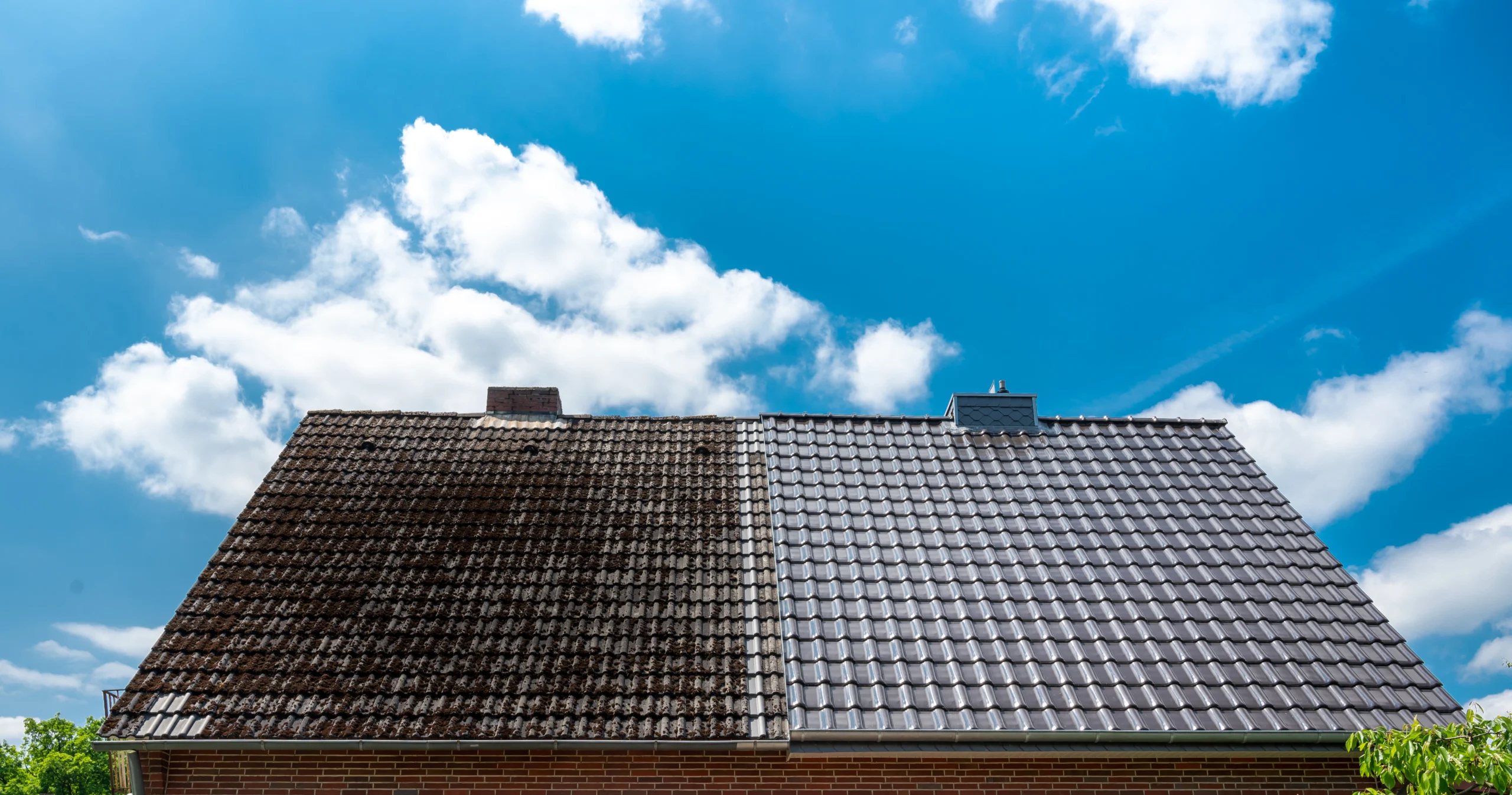
Take a walk around your home and inspect your roof from the ground. Look for any visible signs of damage on your roofing material, such as missing or damaged asphalt shingles, moss or algae growth, or debris buildup in gutters. Pay attention to areas where the roof meets other structures, such as chimneys, vents, and skylights, as these areas are prone to leaks and damage.
Additionally, inspect the edges of the roof for any signs of sagging or deterioration, as this could indicate structural issues that require immediate attention.
If needed, use binoculars to get a closer look at hard-to-reach areas. Binoculars can help you spot potential issues that may not be visible from the ground, such as loose or damaged shingles or signs of water damage. Take note of any areas that may need special attention during cleaning, such as areas with heavy moss or algae growth or sections where debris has accumulated.
By thoroughly inspecting your roof shingles before cleaning, you can identify any areas that require repairs or additional maintenance to ensure the longevity and integrity of your roof.
3. Gather Your Tools and Cleaning Solutions
Before you head up to the roof, gather all the necessary tools and cleaning solutions. A soft-bristled brush, a garden hose with a spray nozzle, and a gentle cleaning solution such as mild detergent or a commercial roof cleaner are essential.
Avoid using harsh chemicals or engaging in pressure washing, as this can damage your roof’s surface and void your warranty.
4. Start With Gentle Cleaning Techniques
Begin by gently sweeping away any loose debris, such as leaves, twigs, or dirt, using a soft-bristled brush or broom. Work from the top of the roof down to avoid pushing debris into gutters or downspouts.
Once the surface is clear, use a garden hose with a gentle spray nozzle to rinse away any remaining dirt or grime. Avoid using high-pressure settings, as they can damage shingles or dislodge roofing materials.
5. Address Stubborn Stains and Growth
For stubborn stains or areas affected by moss, algae, or mildew, apply a mixture of water and mild detergent to the affected areas. Allow the solution to sit for a few minutes to loosen the stains.
Use a soft brush or sponge to gently scrub the stained areas, working in a circular motion. Rinse thoroughly with clean water to remove any residue.
6. Take Preventive Measures
After cleaning your roof, consider applying a preventive treatment, such as zinc or copper strips, to inhibit the growth of moss, algae, or mildew. These strips release metal ions that help prevent organic growth over time.
Regular maintenance, such as keeping gutters clean and trimming overhanging branches, can also help prevent debris buildup and minimize the need for frequent roof cleaning.
🌟 Bonus Tip: Consider hiring a professional roof cleaning service for a thorough and safe cleaning experience, especially for multi-story homes or roofs with steep pitches. They have the expertise and equipment to ensure your roof is cleaned effectively without causing damage.
🧹 A Healthy Home Has a Clean Roof
Regular roof cleaning is essential for maintaining the integrity and longevity of your home’s roof. By following these helpful tips, you can ensure that your roof stays clean and free from damage-causing debris, stains, and growths.
Remember to prioritize safety, use the right tools and cleaning solutions, and consider seeking professional assistance when needed. With proper care and maintenance, your roof will continue to protect your home for years to come, giving you peace of mind and saving you money on costly repairs in the long run. Contact our team of expert contractors at Secured Roofing and Restorations today. We’ll answer all of your questions and customize an approach to tackle your project quickly and efficiently. Every one of our roofing experts is trained to provide the highest professional workmanship, personalized service, and to use only the best quality materials.
8 Roof Maintenance Tips: To Save You Time & Money
Written by : Secured Roofing and Restorations
6 minutes read

Failing to maintain your roof will cost your time and money in the long run!
Many homeowners don’t realize that your roof needs more maintenance than just cleaning out the gutters. Taking good care of your roof can help it reach its intended lifespan and beyond. You can DIY many things to ensure your roof is in tip-top shape for years to come. Minor repairs can save you in the long run by preventing having to get a much more expensive roof replacement sooner than later. Here are some roof maintenance tips to ensure your home’s biggest investment is taken care of.
8 Valuable Roof Maintenance Tips
Wash Your Roof
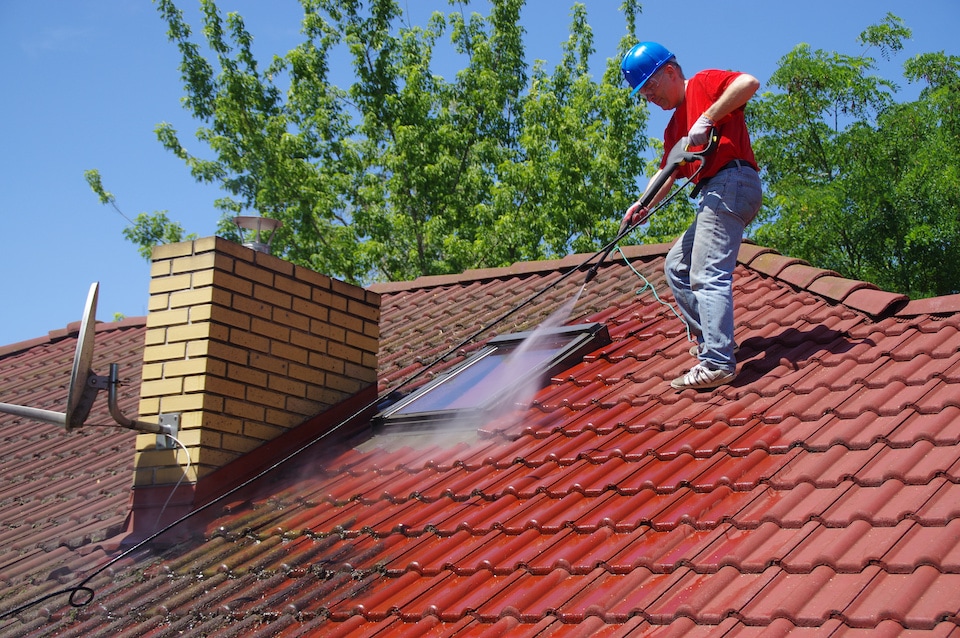
Your roof can get quite dirty over time, and this can be shown by dark streaks that seem to drip down from the peak down the shingles. This discoloration is a sign of algae growth. Damp shingles after heavy rains can lead to algae and mold growth on your shingles. To remedy this, you can wash your roof with a soft-wash mixture that includes gentle soaps that both rinse the roof off and cleans, and prevents future algae growth. Do not pressure wash your roof, as this can spray water up under your shingles or soffits, causing even worse water damage and mold growth.
Do a Visual Inspection of the Roof
Whenever you do spring cleaning and get your home’s landscaping in shape after the winter months can be the perfect time to do an annual visual inspection of your roof. If you can see your roof from the ground, you should be able to take a glance and look for obvious signs of wear and tear or damage. Loose shingles, cracked shingles, dark spots (a sign of hail damage), and failing flashing can be seen without getting up on the roof to look. You should be able to see pretty quickly whether or not your roof shingles are in good shape and everything is in order. If you notice anything suspicious, give your local roofer a call to get an inspection.
Get Professional Roof Inspections
To expand on calling a professional, if you ever notice damage to your roof that you believe is needing immediate repair, call a pro roofer right away. Even small damage like one cracked shingle can lead to water damage and model growth in your attic. The longer you put off repairs, the worse damage can get. So if you really want to ensure your roof stays in good condition, regular inspections every 3-5 years can be essential to maintaining your roof.
Clean Out the Gutters
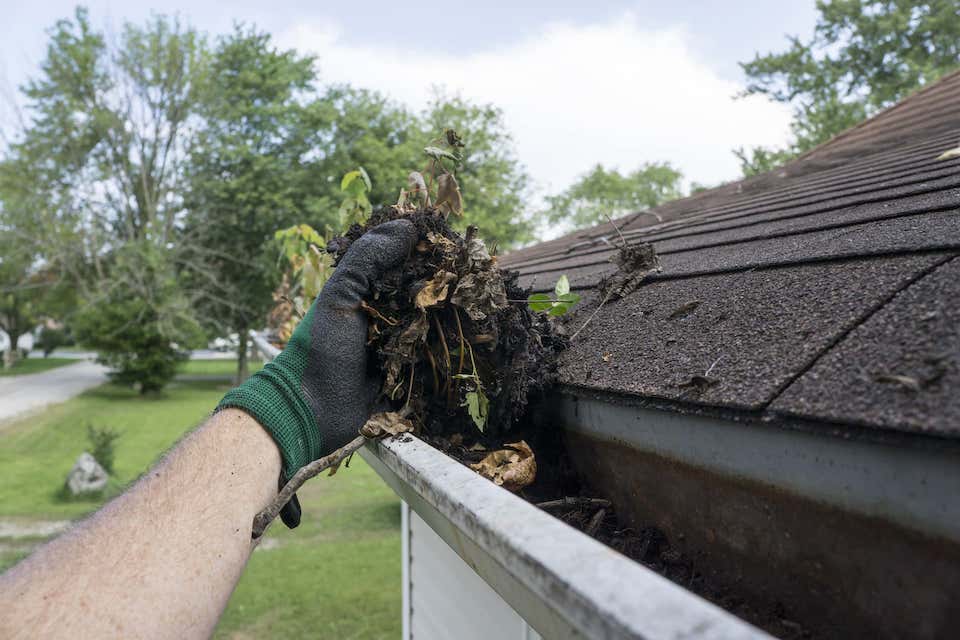
Your gutters are critical to ensuring your roof stays clean, dry, and free of debris. Your gutters and downspouts are part of the entire system that keeps your home nice and insulated, and safe from the elements. Clogged gutters mean no rainwater is running off. This can result in sitting water or ice dams that seep in under your shingles and into the attic. The damage this can cause can be astronomical and lead to very costly repairs or even a full roof replacement. So clean out those gutters! And investing in gutter guards can be a huge help in keeping your gutters free of debris.
Trim Overhanging Trees
If you find yourself having issues with clogged gutters, try trimming the large trees near your home. Even if a tree doesn’t hang exactly over your home, the leaves and seeds from that tree continue to blow onto your roof and clog your gutters.
Plus, long branches can be a massive risk for high winds and intense storms. If they break off, they can immediately damage your roof to the point of needing a full replacement. Trimming trees is much more affordable than having to repair a broken roof from that large branch falling. Plus, less debris equals less gutter cleaning, and we can all agree to that.
Check for Leaks in the Attic
If you can easily access your attic, that can be a great place to check for leaks without having to get up on the roof. Your attic can quickly reveal any signs of leaks and water damage. Look for discoloration or dark spots on the attic floor. Insulation can also look deflated, wet, or even moldy if it’s been getting dripped on from a roof leak. You may even be able to smell a musty scent that can indicate a lot of moisture has been sitting up in your attic.
It’s key to note that a musty, moisture-riddled attic can also mean your roof is just poorly ventilated, and moisture cannot escape. This can also lead to water damage and costly repairs, so ensuring your roof and attic are well-ventilated is imperative to this prevention.

Ensure Proper Insulation & Ventilation
Your roof is intended to keep your home safe from the elements but also regulate its temperature. A roof that is properly insulated and ventilated will ensure your home stays warm in the winter and cool in the summer. Heat can escape through your roof if it is poorly installed or damaged. And if roof vents are clogged or cracked, their ventilation can be very poor, leading to that moisture collection and heat/cool escape when you need it most.
Adding or replacing vents for more effective ventilation is always a good consideration if you are experiencing high levels of moisture in your attic. Another consideration would be adding insulation which can help solve this. If you are unsure of the levels of moisture of your attic, an annual inspection will catch any poor insulation, cracked vents, or damaged flashing up on the roof.
Patch Your Chimney
If you have one, your chimney is one of the most susceptible to leaks and heat escape in your home. Plus, any cracked mortar or loose bricks on the outside of your home can actually fall and end up damaging your shingles. Not to mention, the flashing surrounding your chimney to keep it leak-proof can crack easily, and that water can seep down the sides right into your attic or interior walls. If you notice any missing bricks, cracked mortar, or even a lop-sided chimney, call a professional immediately.
Keeping Up with Roof Maintenance
Homeowners can follow these tips to make sure their roof is well-maintained and can last a long time. It’s vital to do these regular checks so you can avoid replacing your roof early. Of course, we don’t expect you to always be responsible for keeping your roof in perfect condition, but that’s where we come in. From roof repair to roof inspections, Secured Roofing & Restoration is here for all of your roofing needs. Contact us today, and we can inspect your roof to ensure it’s doing its job.