



Roof Materials
Which Roofing Materials Withstand High Winds the Best?
 Written by : Secured Roofing and Restorations
 5 minutes read
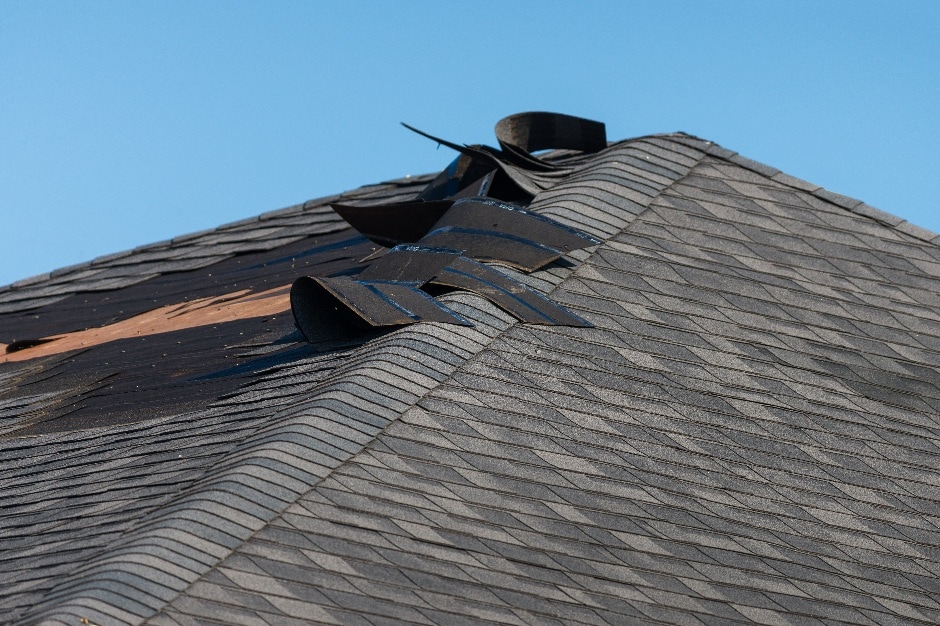

Certain areas of the United States are more susceptible to tornadoes, hurricanes, and high wind storms. Homes in these high-risk areas could benefit greatly from having a roof that is able to withstand the weather. When those high gusts of wind come and hit your roof, you don’t want to be dealing with storm damage every…single…time. Some certain brands and materials are built to withstand such weather, and we’ll lay down a list of some of the best roofing materials for high winds.
The Importance of Having Wind-Resistant Shingles
Your roof is meant to keep you and your family safe from the elements, and when you face severe weather, you want it to do its job. Wind-resistant shingles are more durable, protective, and more impact-resistant, making them impervious to severe storm damage.
Wind-resistant shingles cost a little bit more, but with nearly a quarter of all homeowners’ roof damage insurance claims being wind-related, the cost is worth it when it keeps you from having storm damage every single time.
Plus, in states where hurricanes and tornadoes are not uncommon, those winds (200+ mph) can easily lift up patio furniture, garbage cans, and other large debris that can then hit your roof, causing severe damage. But certain roofing materials are highly impact resistant and can help alleviate some of the more severe damage that can be caused during those storms aside from wind damage.
How to Choose the Best Wind-Resistant Shingles
There are different classifications by wind resistance in shingles and roofing materials that measure how well they will withstand the strong winds. Each type of roofing material is rated Class 1 through 4, with 4 being the highest wind resistance. When looking for which shingles to go with, look for those marked Class 4 or “impact-resistant.” Shingles classified at Class 4 are at the top of the food chain when it comes to hail resistance. Hail damage is one of the leading causes of roof damage, and without that added strength, you could find yourself having to get major roof repairs more often.
Shingles and other roofing materials are assigned classes based on special testing via Underwriters Laboratories. These class ratings are often paired with their UL rating, which means it’s met the UL Standard. For example, class 4 shingles will often carry the code UL2218, which is the specific Underwriters Lab’s indication for “Impact Resistance of Prepared Roof Covering Materials” Those materials have passed all of the tests and met the criteria of being impact resistant.
The Best Wind-Resistant Roofing Materials
The best wind-resistant roofing materials include asphalt, metal, slate, and wood shingles. But, not all of those shingles are naturally wind-resistant; they must be treated or designed as such.
Metal
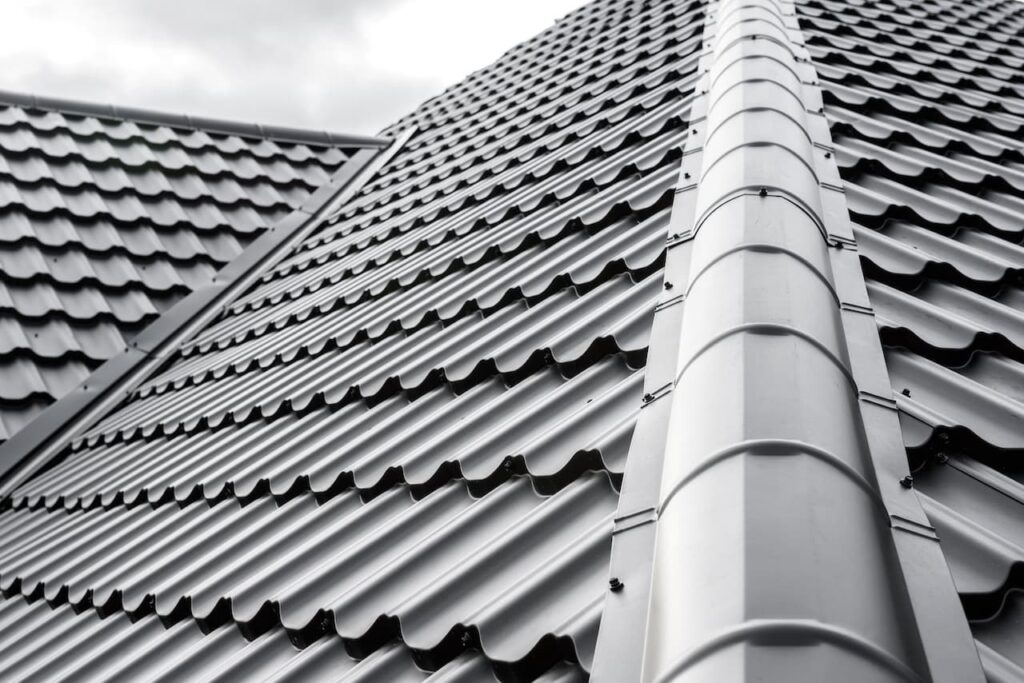
Metal provides a few unique benefits that make it one of the more resistant materials against wind and other severe weather elements. They require minimal maintenance and upkeep and are highly durable and long-lasting. Plus, metal can be installed in larger sheets or panels, making fewer seams and areas where wind can lift up the roof. Other, less durable roofing materials can be easily lifted up and bent when the wind gets up underneath them.
Tile
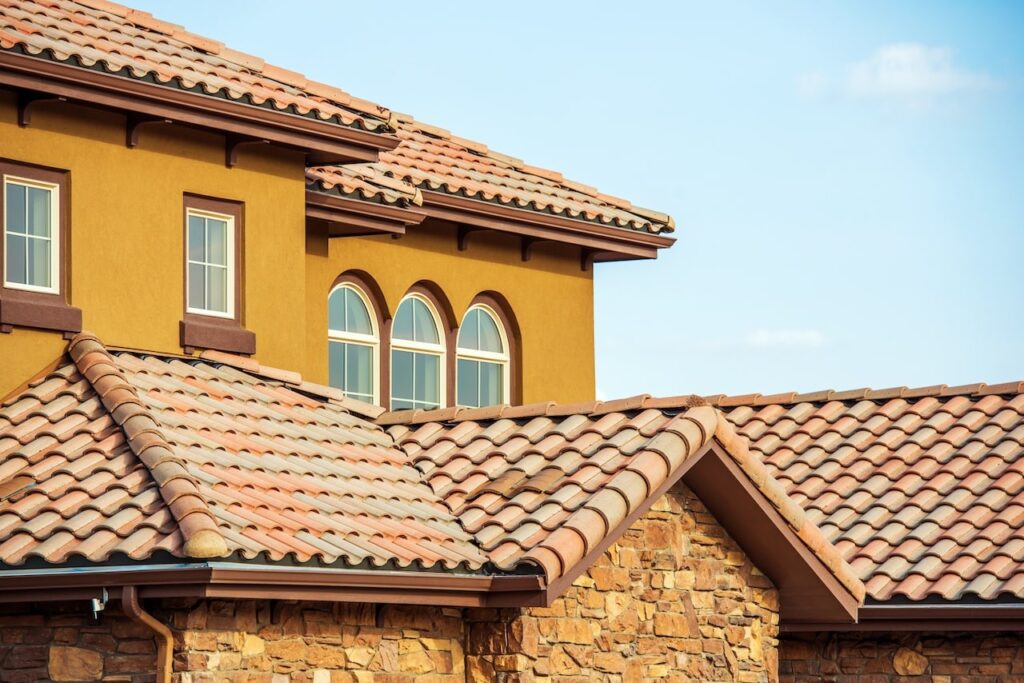
Clay and concrete tiles are incredibly resistant against high winds, strictly based on their heavyweight. Clay and concrete will also outlast most roofing materials, with a lifespan of between 50 and 100 years. However, it is important to note that debris flown onto your tile roof could still cause damage such as cracks or chips if it hits hard enough. Also, if you’re looking to make a worthwhile investment, concrete tile doesn’t last as long (50 years) but is much more durable than clay.
Slate
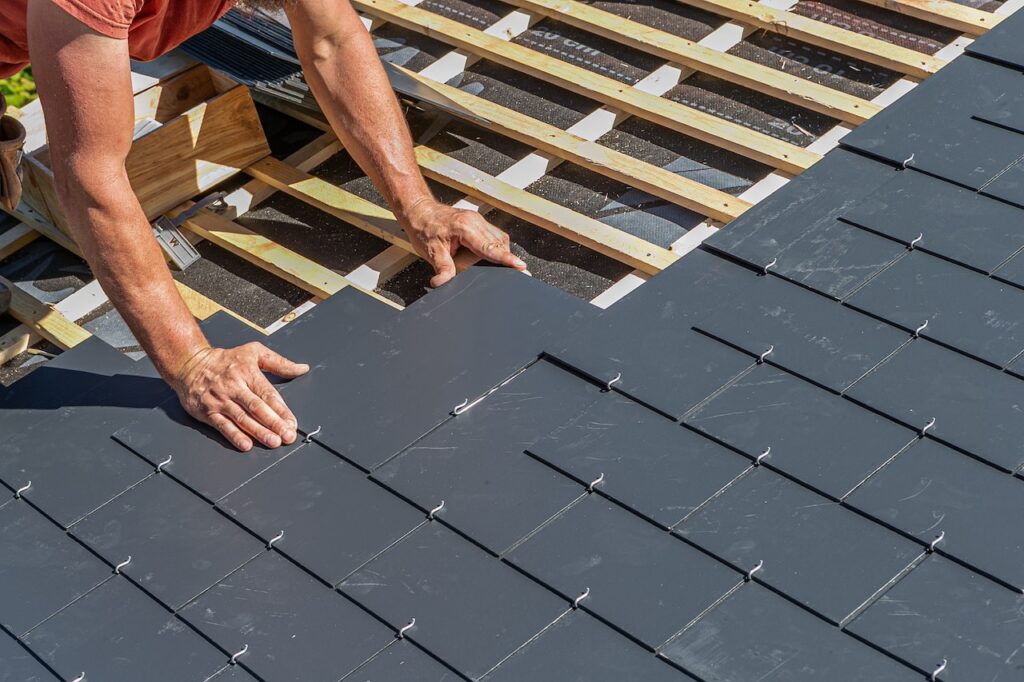
Slate comes with a very high upfront cost, but the ROI is huge. Often referred to as the ‘forever roof,’ Slate tile roofs can last 100 years or more. They are highly durable, and just like clay and concrete tiles, their extra heavyweight will prevent wind from blowing off your shingles.
Asphalt
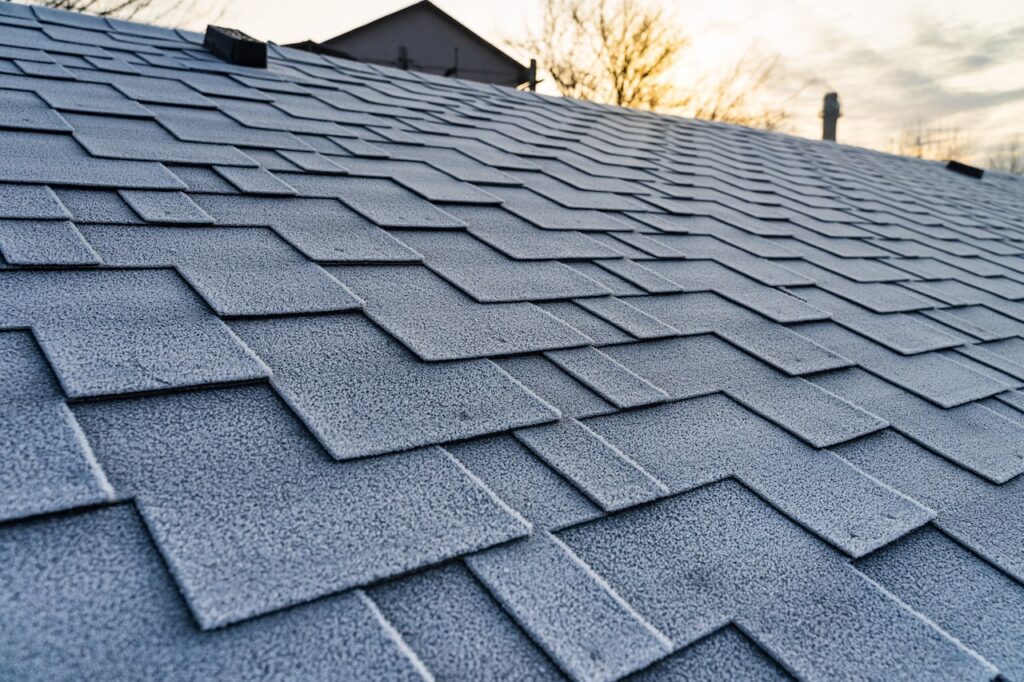
Not all asphalt shingles carry high wind resistance with them, but some are tested to the Class 4 level of resistance. The thing that makes asphalt shingles susceptible to wind damage is that their edges can be lifted, tearing off shingles, and wind-driven debris can also knock off shingles or their granules. But, a few brands have added features that make them more secure and more durable against high winds and severe weather.
Secured Roofing’s preferred shingle for high winds is the Tamko Titan XT Premium Architectural Shingles. Tamko has innovated these shingles to be faster to install, have a stronger seal, protect against winds up to 160mph, and added weather protection layering.
What sets the Heritage Proline Titan XL shingles above the rest is their patented Anchorlock™ technology. The Anchorlock™ layers reinforce the shingles and provide added protection and security against strong winds trying to pry the shingles up. In addition, the poly-fiber fabric adds an anchor that the nails embed into, making a much tighter seal and holds the nails in.
Severe storms can come at a moment’s notice, and if you’re not prepared, you could be facing massive repairs or even a total roof replacement. When you find yourself needing roof repairs, always call a professional right away. Secured Roofing & Restoration is here for all of your roofing repair needs and can make the best recommendation for you to get your roof in better shape than before and prevent further damage in the future.
8 Of The Best Roofing Materials Trusted by Professionals (Roofing Materials Guide)
Written by : Secured Roofing and Restorations
8 minutes read
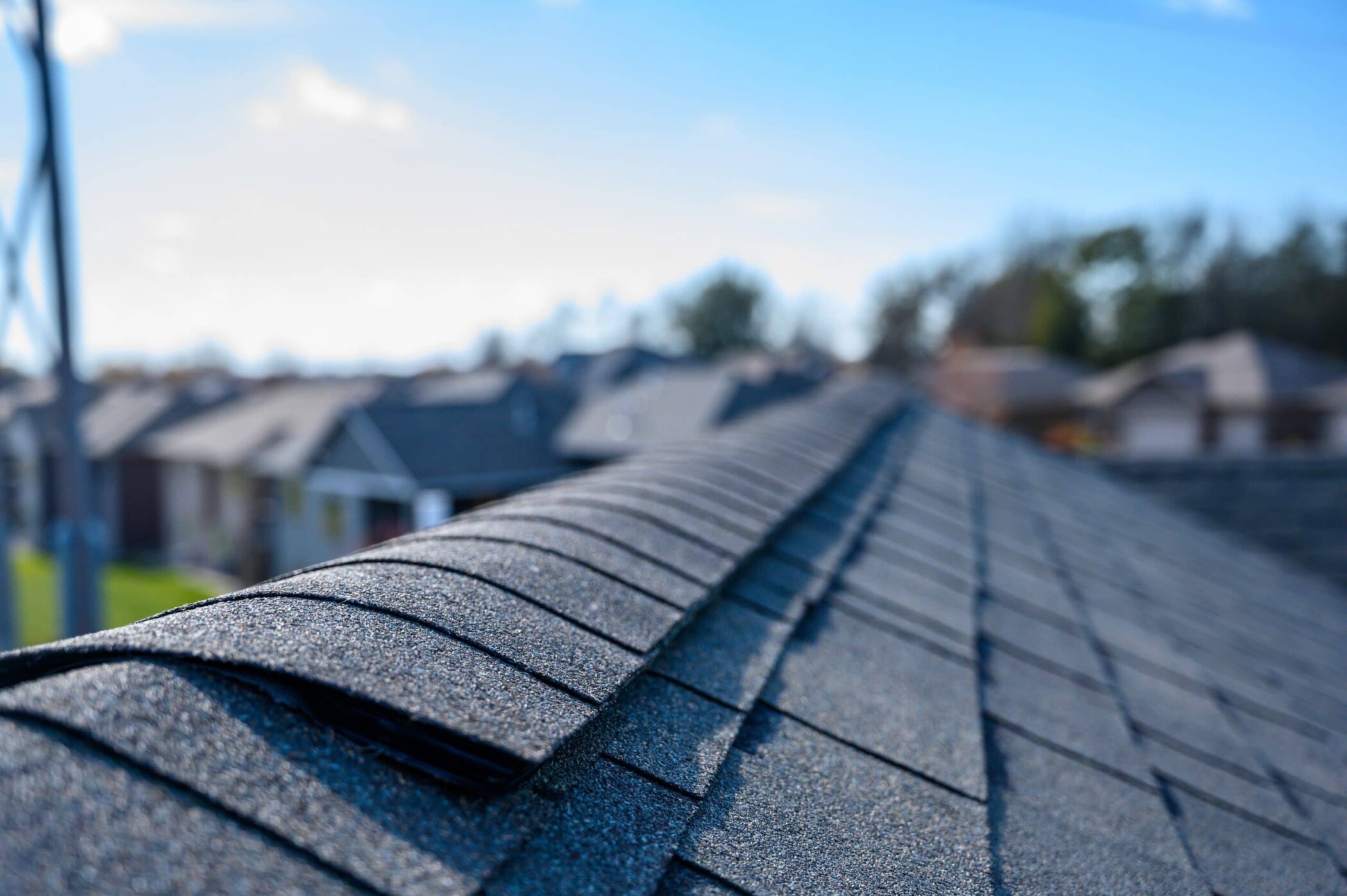
Choosing the right roofing material for your home can be a daunting task. There are dozens of different styles and types of roofs to choose from, plus the varying costs and complexities of installing. So we’ve put together a list of some of the best and most trusted roofing materials from an expert’s opinion. We will go over the different lifespans and the pros and cons of each to help you choose the absolute best option for your investment.
Asphalt Shingles
Asphalt shingles are probably the #1 most commonly used roofing material in America. Drive down any street, and you’ll see dozens of homes with these simple but durable and attractive shingles. Asphalt shingles are made of organic materials like cellulose fibers and inorganic materials like glass fibers. They come in an endless array of colors and can match just about any look you’re going for. Benefits include:
- Lightweight material
- Strong and durable
- High fire rating
- Energy-efficient
- Easy to install
- Great warranties
The life span of asphalt shingles is anywhere from 15-30 years, depending on the type of asphalt shingle installed. The two most basic forms are 3-tab and dimensional shingles, dimensional lasting longer by at least 5 years. Asphalt roofs are also one of the most affordable, which explains why they’re most common. They will run about $2 to $5 per square foot, depending on the manufacturer. They are easy to maintain, and if you ever need a repair, it won’t cost an arm and a leg to get the job done.
Asphalt Roll
An asphalt roll roof is made of the same materials as asphalt shingles but comes in rolled sheets. This type of roofing material is very DIY-friendly and only recommended for low-pitch roofs like sheds, garages, and porches. It’s not recommended to roof your average high-pitch roof with this type of material. It has a short lifespan (5 to 10 years) but is a great option for the DIY homeowner who wants to have a simple-to-install roof to protect their small backyard shed or lean-to. At around $2/sq. Ft., an asphalt roll roof can get the job done for a fraction of the cost.
BUR (Built-Up Roofing)
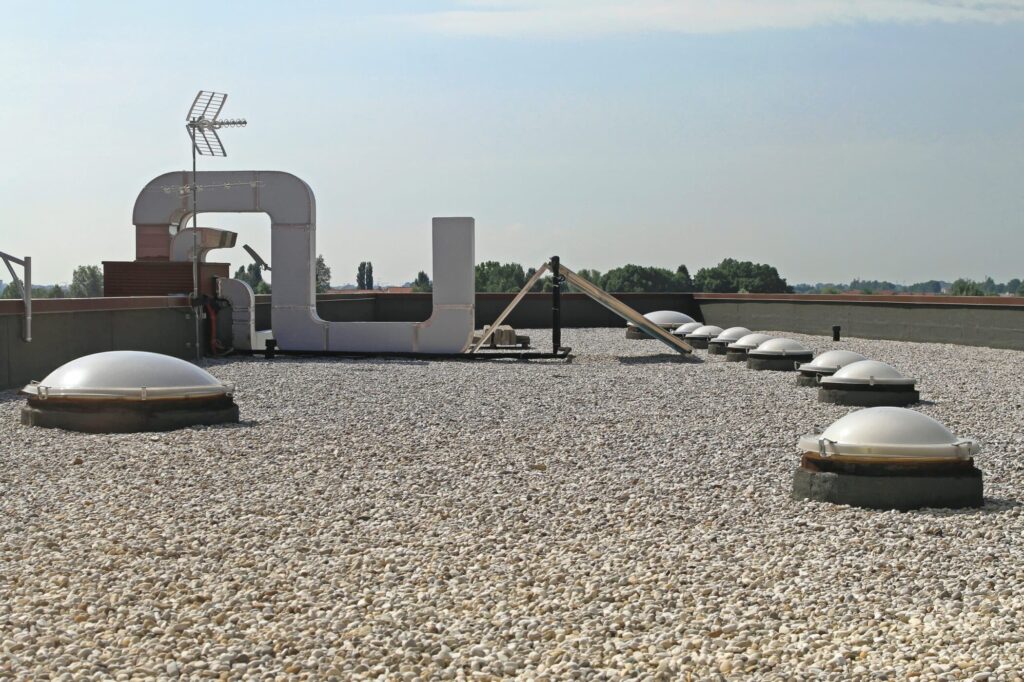
Another flat roof type of material is BUR or Built-Up Roofing. BUR roofs are comprised of alternating layers of felt, fiberglass, hot tar, and other waterproof materials. It is exclusively used on flat or very low-pitch roofs and is quite inexpensive to install. It’s a good-to option for many commercial properties with a flat roof and wants a nice waterproof roof option. Thanks to the hot tar, it is quite a smelly process to install but can be done quickly and easily.
The lifespan of BUR is around 20 to 30 years but can last even longer with the proper maintenance. Maintaining this type of flat roof includes regular cleaning to ensure no debris sits on the roof and compromises its integrity, and also regular inspections to make sure it’s in good shape. One of the biggest benefits of this type of roofing material is its fire resistance, making it ideal for places like apartment buildings to keep people safe. BURs cost around $4 per square foot on average, making it an easy investment for many commercial properties.
Wood Shingles
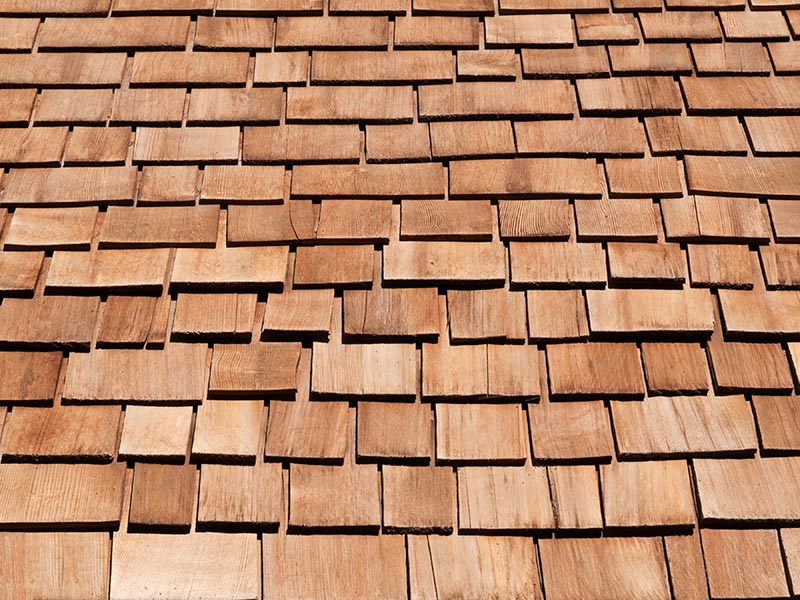
Wood shingles are made from wood such as pine or cedar that have been cut into wedges so they can easily overlap and lay on the roof in even rows. They are truly one of the more beautiful types of roofing materials but are also expensive, high-maintenance, and cumbersome to install. They are definitely not DIY-friendly and are not recommended for areas that experience seasonal wildfires.
However, wood shingles can last 25, 35, or even 50 years if they are well maintained and cared for. Keeping them free of debris, moss and replacing damage as soon as it occurs can save your wood shingles and make them last for as long as you own your home. They cost on average $9-$10 per square foot, so if you’re going to invest, make sure it’s the appropriate material for your area, and if so, you should be in great shape.
Wood Shakes
On the other hand, Wood shakes are the better option for wood if you’re going that route. They are thicker and more durable and made of beautiful cedar that will age gracefully. It’s also commonly treated to be resistant to insects, pests, weather, and the sun’s rays. These are even more costly than the wood shingles at around $13/sq. Ft. but the benefits of a long lifespan and boosting your curb appeal with minimal maintenance can be critical to your investment in your home.
Standing-Seam Metal
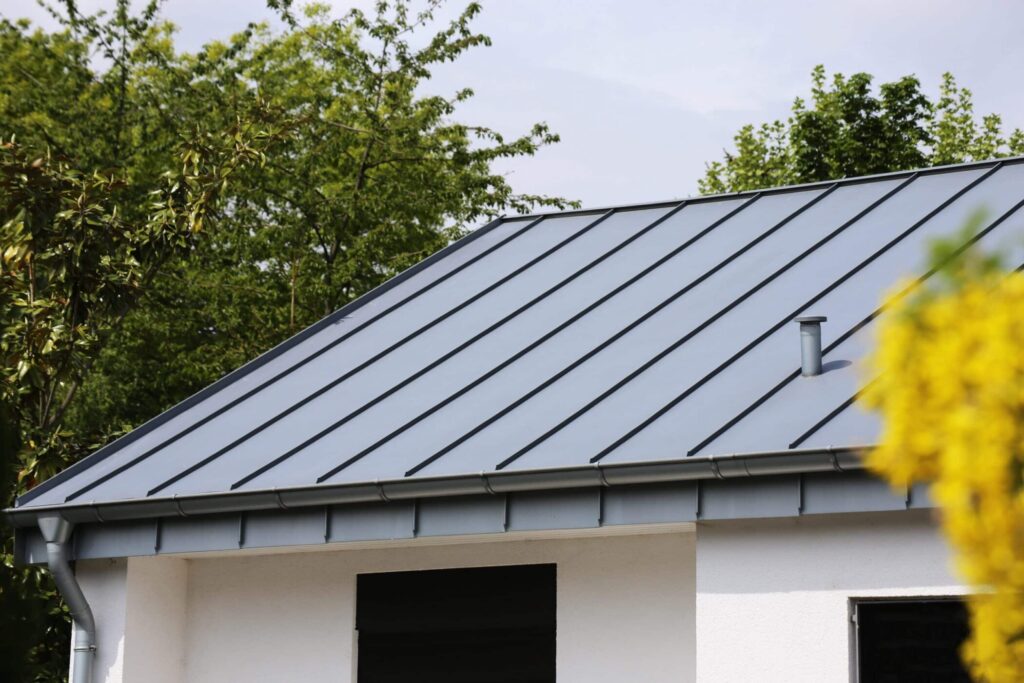
Metal roofs continue to grow in popularity as homeowners learn of metal’s immense benefits and as they shift into more residential-friendly styles and colors. A standing-seam metal roof comprises large metal sheets or panels that lay perpendicular to your roof’s edge and seem to overlap with edges, making for a nice sleek look on your roof. They definitely require some expertise when it comes to installation, but if you’re going to go with a complex roof, metal is a great option.
The cost of standing-seam metal roofs varies greatly depending on the type of metal used. For example, steel or aluminum panels will cost between $9 and $11 per sq. ft. on average. Zinc will cost between $12-$14 per sq. ft., and copper is the most costly at around $18 per sq. ft. on average. However, the lifespan of these roofs can last 50+ years, saving you tons of money in the long run because chances are you will only replace your metal roof once.
Metal Shingles
For a more modern look, metal shingles have become the go-to option for metal roofing instead of the standing-seam look. It’s amazing the work done to manufacture metal shingles that can look like regular shingles, but with the incredible benefits of metal roofing. In general, metal roofs are going to give homeowners one of the biggest returns on investment, especially if you are looking to sell in the future. The benefit of having a metal roof on your home means never having to face a re-roofing project for as long as you own the home, most likely. Metal shingles will have a lower upfront cost than the standing seam at around $9 per square feet and will go with more styles of homes than the standing-seam metal panels might. Definitely worth the cost!
Clay
Traditionally, clay tiles will be made of terracotta and found predominantly in the Southwest region of the United States, where the weather is dry and warm. There are also ceramic and concrete clay tile roofs that share similar durability and lifespan as terracotta. Clay tiles lay in an overlapping pattern creating a beautiful, unique look that is super strong and durable. They are also very heavy and require a home’s structure to withstand the roof’s weight, especially on larger homes.
A clay tile roof can last up to 100 years! And the one thing that can really degrade your clay roof is if a tile gets cracked or falls off. If you can manage to keep it safe from large debris and keep from walking on it, you should be in good shape. At around $10 to $20+ per square foot, clay tiles are one of the most costly roofing materials, but the payback is huge. If you know your roof will last 100+ years, that ROI is incredible and can offer up quite the value to your home when the time comes to sell.
Slate
And last but not least, slate: a.k.a. the forever roof. Slate gets the name “forever roof” because it can last practically forever. With a lifespan of 100+ years, slate roofs have been one of the oldest forms of roofing material used across the world. Thanks to its natural properties of stone that make it very strong and impervious to weathering, it’s the choice if you’re looking for longevity as well as beauty. The one downfall is its incredibly high cost. Slate roofs can cost as much as $80 per square foot, but rightfully so. They are very heavy and require an expert installation team to get the job done. But when it is complete, it will never have to be re-done.
These are just a few of the many options of roofing materials out there for homeowners. But these 8 types have proven time and time again to be durable, stable, long-lasting, and provide homeowners with a roof they can be proud of and get the most out of their investment. After all, the roof of your home is one of its’ greatest attributes and is what protects you and your family from the elements—it should be the biggest investment you make. If you’re ready to get started on your roof repair or replacement, Contact Secured Roofing and Restoration to get the job done right.
Most Popular Roof Styles in 2023 For Your New Home
Written by : Secured Roofing and Restorations
8 minutes read
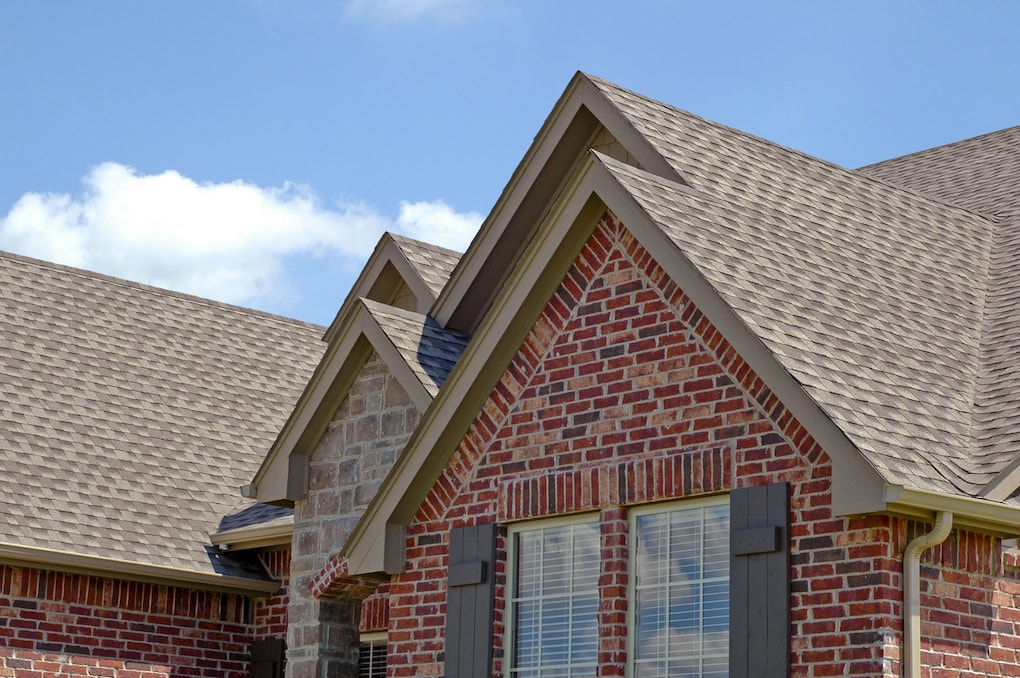
Looking for the most popular roof styles?
Whether you’re building a new home or putting on an addition, you have an opportunity to pick from many different roof styles to both enhance the style of your home and get you the best protection against severe weather. Believe it or not, there are dozens of different roof styles to choose from that vary in height, style, pitch, shape, and more. We will go through some of the most popular roof types to help you determine which is the best for you and your new home, plus the benefits of each.
Gable Roof
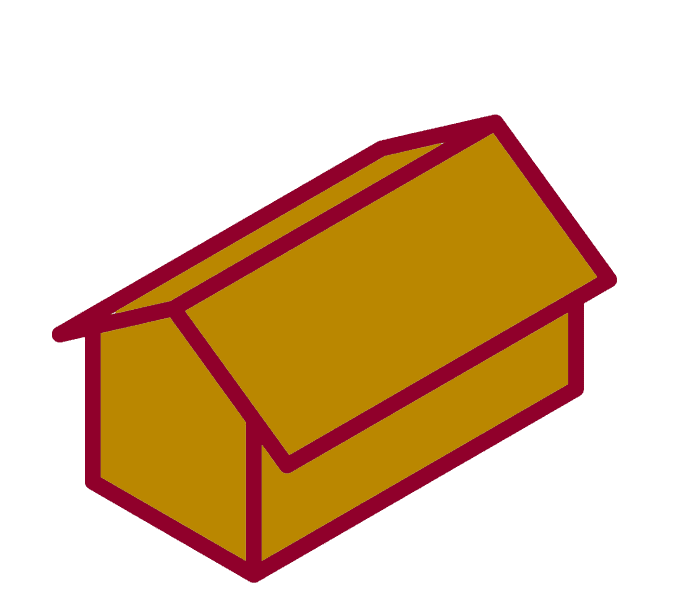
Let’s start with probably the most popular type of roof: the gable roof. When you imagine a house in your mind, it’s probably the first thing you think of. It’s a square home with two slopes pitching in the middle to create a perfect triangle roof. A gable roof is just that; two slopes, one on each side, coming together on the top peak with their ends open. It’s like a tented roof, simple to install and maintain, and works with just about any home style.
Benefits of a Gable Roof:
- Great for shedding water and snow.
- There are no valleys or other spots susceptible to water leaks.
- Make way for plenty of attic space on an upper level.
- Well-ventilated.
- Easy to install and repair.
Downfalls of a Gable Roof:
- Prone to wind damage (wind can easily lift of the edges)
- At risk of collapsing if improperly installed
Clipped Gable
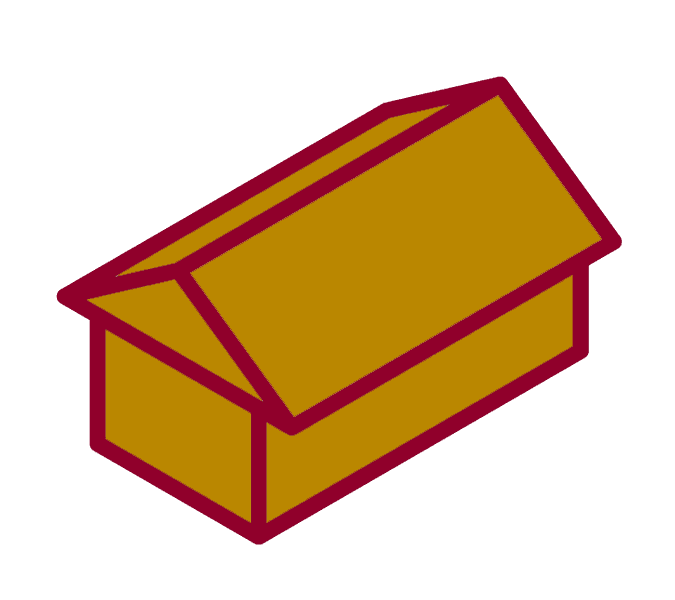
There are many variations of the gable roof, with clipped being one of the most common. A clipped gable, also called a jerkinhead or hipped gable roof, has a small edge at the peak of the point where the two slopes come together. It’s a tiny detail that can drastically change both the look and the function of your home. The small clip on the front of your home can showcase your beautiful shingles and also make just enough shade to put a window up near the point of your roof in an attic or upper floor bedroom. They are most commonly seen on craftsman or bungalow-style homes.
Benefits of a Clipped Gable Roof:
- Visually pleasing
- Showcase your home’s shingles.
- Shade upper floor windows.
- Reduce wind force.
Downfalls of a Clipped Gable Roof:
- Increases cost compared to gable roof due to more complex design
- Minimal headspace on the upper level
Dutch Gable
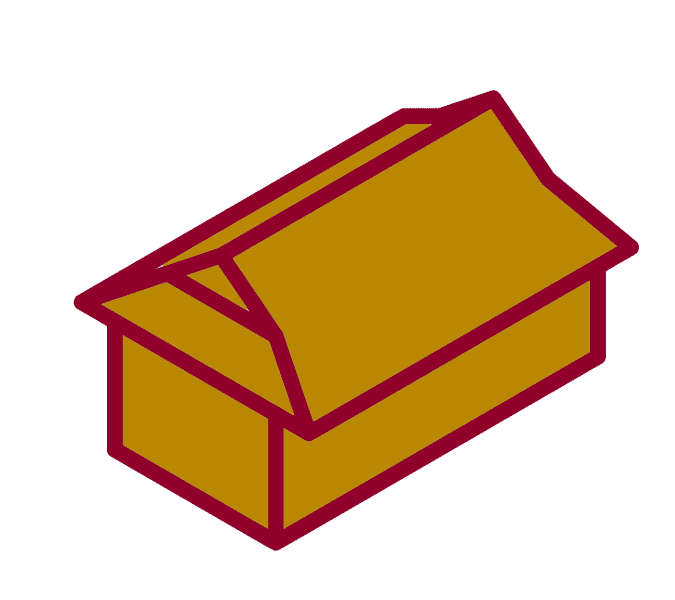
Yet another style of the gable roof is the dutch gable. A Dutch gable roof is a combination of a hip roof and a gable roof. It has the hipped surface on the front of the home, but with a tiny gable or “gablet” up top that creates a small space with enough room for a window or small balcony near the roof’s peak. It’s perfect for those homes utilizing their upper floor attic space for a bedroom or living space because it allows for more natural light to enter.
Benefits of a Dutch Gable Roof:
- Allows more natural light, which can help with heating in the winter
- A more unique look from a traditional gable roof
- Works with any type of roofing material
Downfalls of a Dutch Gable Roof:
- Multiple pitches make for a complex installation
- Requires extra details to prevent water leaks at the joints
- Asphalt shingles can wear quickly using this design (metal is ideal)
Flat
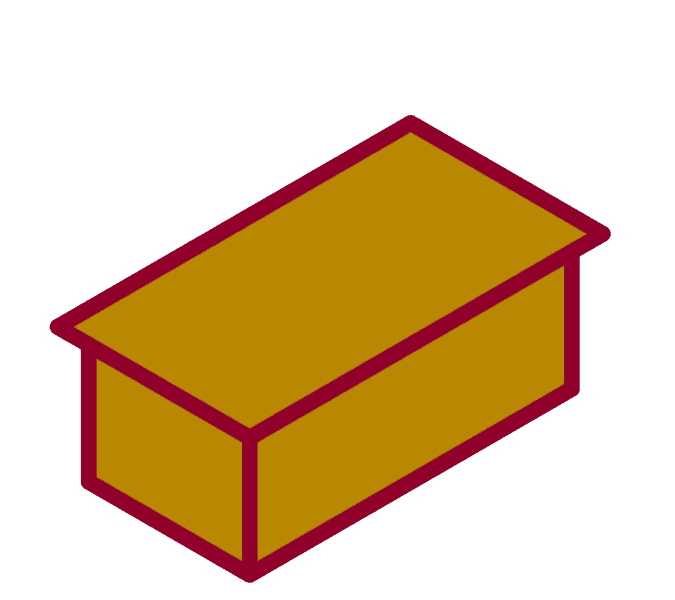
A flat roof is more commonly seen used on commercial properties, but the occasional residential may also benefit from utilizing a flat roof. Homes with a multi-level design or an attached garage could utilize a flat roof in any number of ways. Flat roofs have a very slight slope to allow for rainwater run-off but are essentially flat enough to be able to walk on. Flat roofs can be made of many different materials, from rubber to BUR (built-up roofing), asphalt rolls, and even gardens that make for a completely sustainable roof option. One downfall is they can be susceptible to leaks if they are poorly installed, leading to standing water eventually breaking through the roof.
Benefits of a Flat Roof:
- Great use of space: can be converted to an outdoor living space or make room for an additional level to be built on.
- Fast and easy to install.
- Makes room for solar panels or a sustainable garden: very eco-friendly.
- No issues with drainage.
Downfalls of a Flat Roof:
- Higher likelihood of pooling water
- Can wear quickly without proper installation and maintenance
- Garden flat roofs can lead to invasive plant species causing issues with the building if not careful
Gambrel
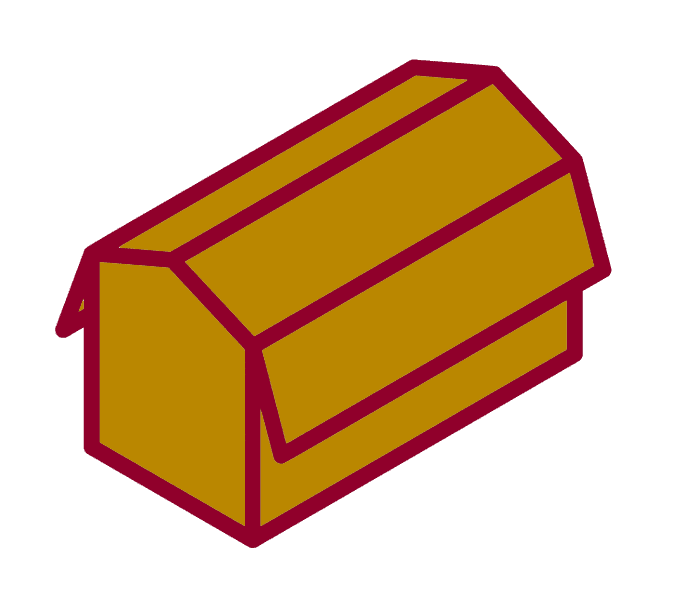
A gambrel roof is basically what you’ll find on a classic red barn. It has two sides with two slopes each for four slopes from the bottom to the top peak of the roof. It makes a shape kind of like half of a stop sign with the four sides, not all of the equal lengths. This design allows plenty of space to have an upper-level attic living space with more than enough room on each end of the home to put large windows. There is also a much larger surface area to place shingles, so homeowners should heavily consider how they want the shingles to look and function when deciding to build a gambrel-style roof.
Benefits of a Gambrel Roof:
- Tons of space for an attic, storage space, or living area
- Needs few materials to build
- Excellent drainage and water-shedding
- Has space to add additional windows for natural light
- It has a beautiful historical look to it
Downfalls of a Gambrel Roof:
- Poor resistance to accumulating snow and ice
- It can be challenging to customize and repair
- Highly susceptible to wind damage
Hip
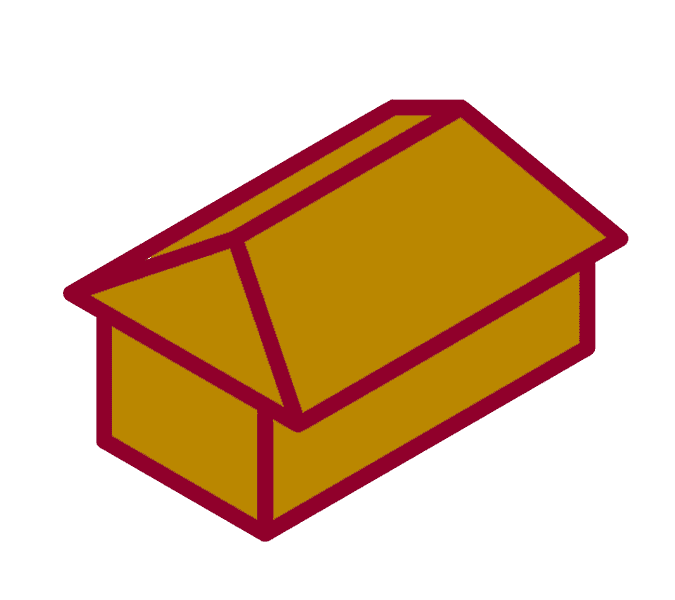
A hip roof has four sides of equal size that all come to a point in the center of the roof. It’s kind of like a pyramid shape but with four sides. This roof style will make your roof shingles or whatever material you use highly visible, so if you want to showcase that, choose wisely when picking colors and textures for your new roof. Hip roofs are very common in 70’s style ramblers and single-story homes and have a very mid-century modern look.
Benefits of a Hip Roof:
- The four equal sides at a low-slope make it one of the most sturdy roof styles of them all.
- Can withstand very high winds.
- Perfect for areas that get a lot of snow.
Downfalls of a Hip Roof:
- More costly than other roof types
- More complex to install and maintain
- Can lead to poor ventilation
- Creates less room in the attic
Mansard
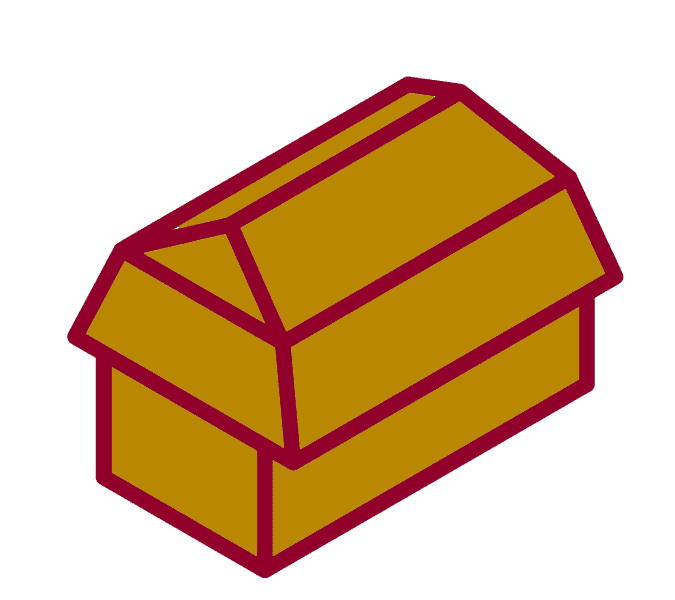
Mansard roofs come from classic french architecture of the 1700s and can be found frequently in Europe, but have also made their way to America as a very unique style of roof. It has a four-sided design with four low-slope sides at the point and four high slopes on each side. Again, this roof style is ideal for those wanting to utilize a large attic floor. However, a benefit to the mansard design allows for the ideal place to input dormer windows from the roof.
Benefits of a Mansard Roof:
- Significantly more attic space than other roof types
- It makes it easy to expand on a home/living space
- Ideal opportunity for dormer windows
- Can work on most building styles
Downfalls of a Mansard Roof:
- Might require special permits to install
- Poor water resistance
- Complicated to install and repair
- High installation and repair costs
Shed
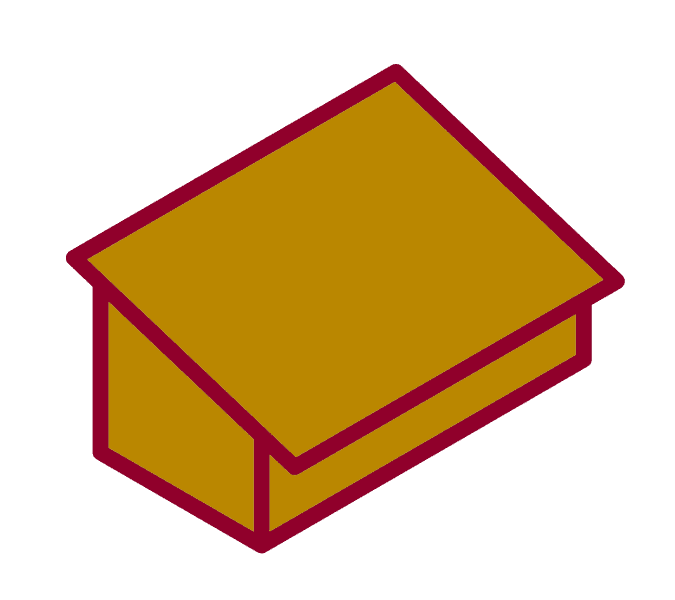
A shed roof is like having just half of a gable roof. It’s similar to a lean-to as it is just a one-sided slope on the building. This roof style is prevalent on sheds, porches, and side additions to homes but has become increasingly popular as an ultra-modern design for new builds. This roof style opens up endless possibilities for unique design such as large ascending windows, exposed beams on the interior, and including more than one shed roof on different portions of the home.
Benefits of a Shed Roof:
- Affordable
- It takes fewer materials to build than any other type of roof
- Great for modern design
- No risk of standing or pooling water
- It can easily shed heavy snowmelt
- Perfect for installing skylights
- Provides unique design opportunities
Downfalls of a Shed Roof:
- You must install box gutters to handle the increased load of rain
- It doesn’t work with just any type of home
- It won’t work well for large homes
Picking the Best Roof Style for Your Home
These are just a few of the most common roof types to choose from. As you can see, they are definitely not a one-size-fits-all, and as amazing as the benefits are, they each come with their fair share of downfalls as well.
Hopefully that this list can help any prospective home builders or homeowners looking for a refresh get a good idea of how they can modernize and improve on their home with a new roof in addition to new roofing materials. If you’re interested in re-roofing with us, contact us today! We would love to work with you to get you the roof of your dreams.
How Long Does a Roof Last? A Look At Roof Material Durability
Written by : Secured Roofing and Restorations
7 minutes read

The other day someone asked me “so how long does a roof last?” The answer was more complicated than I thought.
You also may be wondering how long your roof will last, and the short answer is: it depends. Roofs are not meant to last forever, but they should last for many decades with the right maintenance and repairs necessary to keep its integrity. Some materials like metal, slate, or tiles can last upwards of 50 years!
Because your roof is one of the biggest investments you can make for your home, you’ll want to know all of your options and determine the right one for your home. We’ll look at which materials are the most durable, and last the longest. That way, you can make the right decision when the time comes.
How Long A Roof Lasts By Material
Asphalt Shingle Lifespan
- Most commonly installed roof
- Lasts 15 to 30 years
- Affordable
- Requires some maintenance
- Susceptible to damage from strong winds and rain if not taken care of
Composite asphalt shingles are the most commonly used roofing material in the country. It’s affordable, it looks nice, and it lasts for 15 to 30 years. It’s a solid option for any home. Plus, they often come with great warranties that last 20 to 25 years. That’s the entirety of your roof’s lifespan.
Asphalt shingles are made of composite material, cement fibers, organic materials, and you guessed it, black asphalt. The granules on the shingles help to protect against UV rays, pests, and elements like wind and rain. The layer of black asphalt underneath the granule shingles provides a layer of protection for your home against leaks and helps to insulate your home: keeping it cool in the summer and warm in the winter.
Architectural Shingle Lifespan

- Enhanced version of asphalt shingle roof
- Lasts 25 to 30 years
- Customizable style
- Three times more expensive than asphalt
If you like the idea of asphalt shingles, but want something a little more premium, then architectural shingles are a great option. They are three times thicker than asphalt shingles, and subsequently three times more expensive as well. But, their dense material makes them even more impervious to heavy rainfall, strong winds, and with even more leak protection.
An added benefit of architectural shingles is that thanks to their thicker material, they can be designed to look quite similar to other, more expensive roofing materials. Want the look of a slate roof but don’t have the funds? Try architectural shingles that mimic that of slate shingles. They also last almost a decade longer than regular asphalt shingles.
Cedar Shingle Lifespan
- Beautiful curb appeal
- Low-maintenance
- Incredibly durable
- Insect and rot-resistant
- Lasts 30 years or more
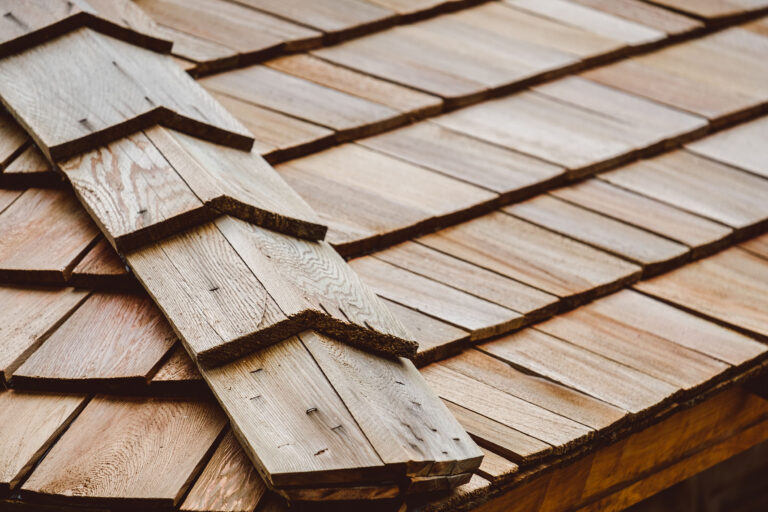
Wooden shingles are even more durable, particularly Cedar, which are the preferred type of wooden shingle used by homeowners. Cedar shakes are a premier choice as their major selling point, aside from looking stunning on any home, is its resistance to insects and rot.
Cedar shakes do require some light maintenance to keep them in their best shape for decades to come. Each year it’s recommended to check for any loose or damaged wood, and simply nail them back in place. You can also gently clean the shingles with a special, light solution. Never seal or stain the shakes. If you take care of your wood shingles they will age naturally to a beautiful grey color and last for 30 years or longer.
Clay Tile Lifespan
- Very unique style
- Durable against the elements
- Long warranties
- Lasts 50+ years
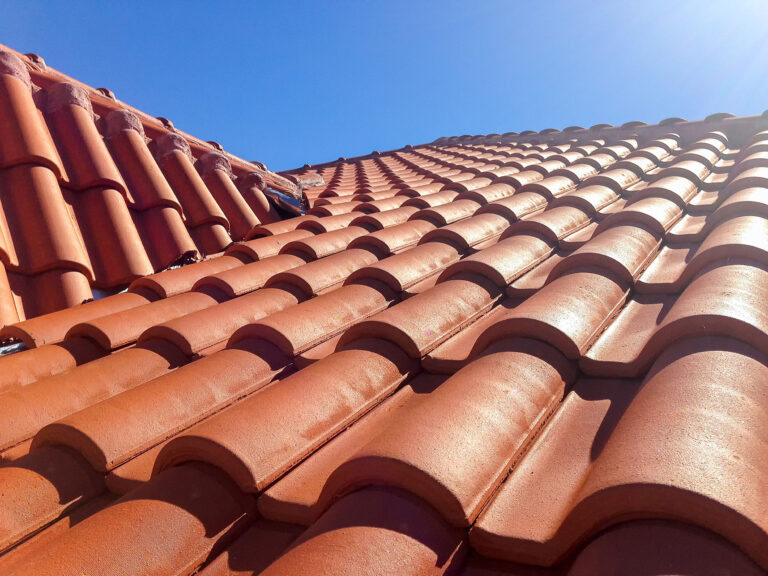
Clay tile roofs are equally as unique as cedar shakes. They can come in many colors and sizes but are widely known for their beautiful terracotta color commonly used in states in more desert climates in the U.S. They are incredibly low-maintenance and extremely durable, making them a fantastic choice for any home. Once your clay roof is installed, you can rest assured it will be good to go for up to 50 years. If you’re lucky you can even find a life-time warranty for some brands of clay tiles.
Metal Roof Lifespan
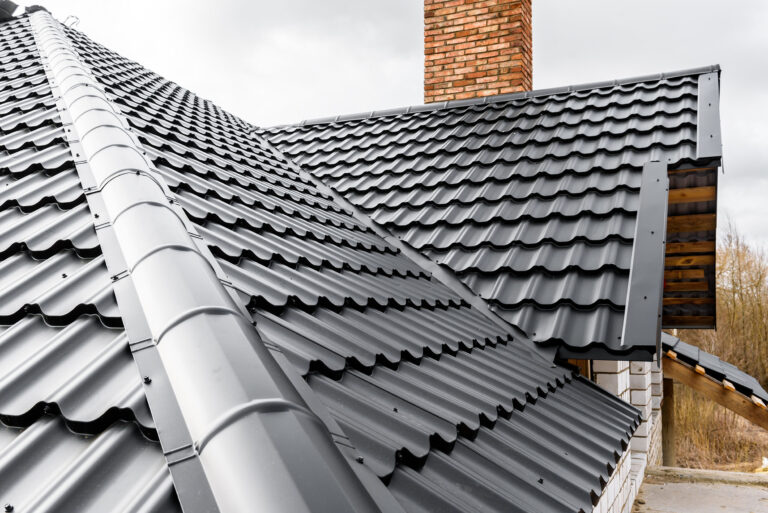
- Cool, sleek design
- Comes in sheets or shingles
- Great for heavy rain and snowfall
- Virtually no maintenance
- Lasts up to 75 years or more
Metal roofs have an incredibly sleek look to them and can transform any home with any style. They can be quite costly, up to $1000 per sheet, but the return on investment is ten-fold. Metal roofs can last, without heavy maintenance for over 70 years! They are especially preferred in states that experience heavy snowfall as the snow and ice easily sloughs off the metal roof slant thanks to it utilizing the heat from the sun’s rays.
Slate Roof Lifespan
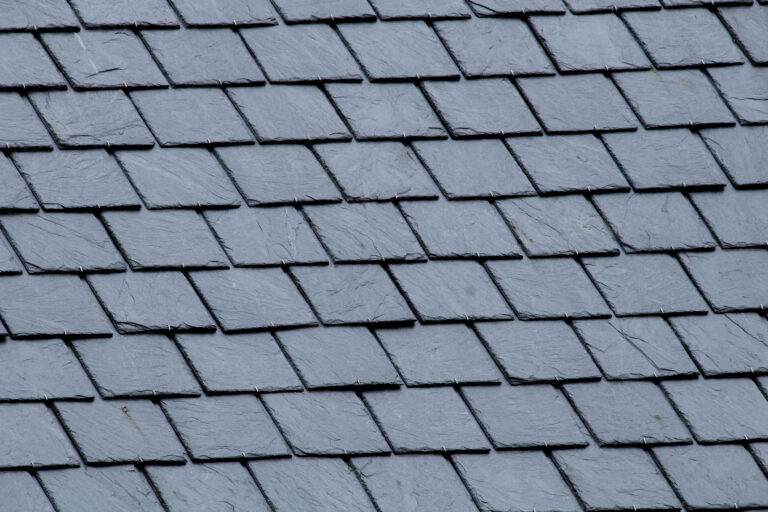
- Coined the “forever roof”
- Impervious to the elements
- Timeless design
- Can work for residential or commercial
- Never need a roof replacement
- Lasts 100+ years
Often called the forever roof, slate shingles are made of natural stone that can be cut into any style, including smooth cut, shingles. This metamorphic rock is going to be nearly impervious to any of the elements and its heavy material makes it virtually impenetrable to high winds or heavy rainfall.
Although slate can have incredibly high upfront costs, the return on investment is invaluable as you would only need to have one roof for your entire life. This can be especially great for homes kept in the family or if you ever wanted to up the value of your home. While homeowners with asphalt shingles will be getting a roof replacement every 15-20 years, you will remain safe and secure with a natural slate roof for the next century.
How Do you Know When to Replace Your Roof?
There are many ways to know whether or not you need a new roof. The first is the age of your roof. The roof of the average homeowner was likely built to last about 20 years. If you’ve owned your home for longer than that, there’s a good chance it has reached its life expectancy and you should get a roof inspection.
Signs of an aging roof that has been damaged by wind or rain could be wind uplift, cracked or missing shingles, or signs of leaks inside your attic or home. Your roof shingles, if damaged, can potentially just be repaired. But, a roof past its life expectancy or one that’s been severely damaged would likely need a full replacement.
There are a few questions you’ll want to ask yourself before deciding on which roof material to choose:
How often do you want to replace your roof? If you are living in your forever home, you can expect to replace your roof again in 15 to 20 years.
How long do you plan on living in your home? If you are selling your home, a new roof can really boost the value of your home, and you may get more for it when you sell.
Do I live in a snowy climate or one with extreme weather? Is it worth the extra investment to ensure a safe, secure roof through any weather?
Needless to say, there are dozens of types of roofs out there to choose from. Whether you love the simplicity and affordability of an asphalt shingle roof or the luxurious investment of a metal roof, it’s important to get the one that suits your needs best. We are here to help.
When it comes time to install your new roof, choose Secured Roofing and Restorations. Call us for more information on how to get the roof of your dreams at 407-986-ROOF.
The 4 Best Roof Shingle Colors & Combinations For 2023
Written by : Secured Roofing and Restorations
7 minutes read

When it comes to your roof, no longer do you have to use a cookie-cutter look or style.
Your roof can be just as much a part of your curb appeal as your siding and landscaping, so choosing the best roof shingle colors can make a huge impact on your home’s overall look. There are however a few do’s and don’ts when it comes to choosing the right color, so we’ll get into that as well.
If ultimately you decide you need to update you’re roof, we’re currently offering our roofing services in Pensacola & Orlando, Florida.
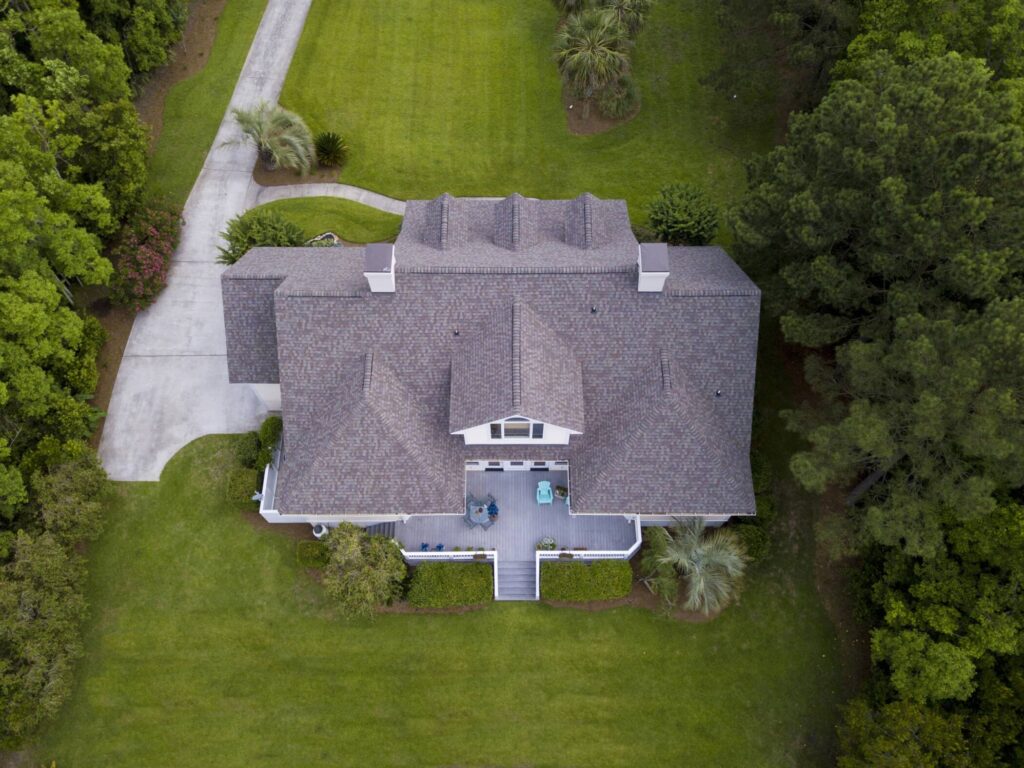
The Best Roof Shingle Colors for Your Home
For the sake of consistency, we will use the common asphalt shingle as the roofing shingle material. To bring a more dynamic look to your home, using a darker colored shingle can make a huge difference and bring beautiful contrast. Some colors that are not simple gray include light greens and blues and neutrals like beige or off-white. Also, shingles with alternating and blended colors are huge as they give more dimension and texture to your roof.
The top trending roof shingle colors for 2021 include:
- Light and soft greens (forest green, moss green, hunter green)
- Light and pale blues (blue-green, sky blue, denim)
- Beige and off-white (stone, khaki, tan)
- Taupe and light brown hues (sand, desert, taupe gray)
The Best Color Combinations for Your Roof and Siding
Matching your siding with your roof is important to boost your curb appeal and ensure your colors don’t clash. But choosing the right colors can also be a tough decision to make, especially since it is hard to turn back once you start. Depending on the color of your siding, there are some suggested colors for your roof shingles that you should consider. Here are some of our favorite combinations from Sherwin Williams, to make it a little easier for you.
If your house is red, you should consider a darker hue roof color. Your shingles should be black or include shades of black, dark gray, dark brown, and dark green.
If your house is white, solid, and primary colors are your best bet. Depending on the style of your home and roof you can have everything from green to blue to red or black and gray roofs can look really nice with a white house. Adding some pops of color on the doors or shutters can help tie it all together.
One of the more common color combinations you’ll see in homes today is gray hue siding with a darker hue roof. If your siding is gray, consider a black, dark green, dark blue, darker gray, or even white roof.
In recent years, more people have been shifting towards blue siding for a more robust, unique look. A dark blue hue for your siding is beautiful and light accents really make it pop. So if your siding is blue, grays and whites can be your best color combo but a black or brown roof will also look very nice.
Brown houses have many options for roof shingle colors like green, blue, black, charcoal, and dark grays or browns of a different shade (lighter or darker.)
For homes that have a light beige or tan color, brown can be a great color for your roof. Any other dark color of green or blue hues will look really nice too.
As you can see, for the most part, combining dark and light colors together creates a perfect blend of contrast. Making your siding and roof both a light color will look weird, and only some dark hues work together for a roof and siding.
Think of it like putting an outfit together. A nice white blouse with brown pants is going to look much better than another brown blouse with brown pants. Creating contrast is key to boosting your curb appeal and making your colors stand out.

When to Use a Dark or Light Hue for Your Roof Shingles
Continuing with how to create contrast between your siding and roof, there are a few dos and don’t when it comes to using the right color for your roof. There are a few situations that call for a dark hue and others call for a light hue.
In general, if you want to stand out in your neighborhood, especially as you get a brand new roof, keep in mind that dark colors draw more attention. They are very eye-catching and can just create more dimension and texture for your home’s design.
Darker shingles can also work really well for multi-level homes. Often in multi-level homes, you have a few roof peaks over the second level, maybe the foyer, and your garage. So using darker hues can create a nice balance and draw more attention to the varying levels of the house giving it dimension. Be wary of using dark hues on homes with high pitch roofs though as it can be very heavy and take over the look of your home.
Ranch homes and ramblers can bode well with medium hue colors like medium grays, blues, greens, or beige. Using dark roof colors on a single-story home like a rambler can drown your house and make it look like it’s mostly a roof.
Trending Roofing Materials for Your 2021 Re-Roof
When we speak to trends in roofing shingle colors, we are mostly talking about asphalt shingles which is the most commonly used material among homes today. However, there are a number of materials that people are shifting towards due to their ROI and lasting much longer.
On top of shifting to lighter shingle colors as an option, here is some different roofing materials that people are trending towards..
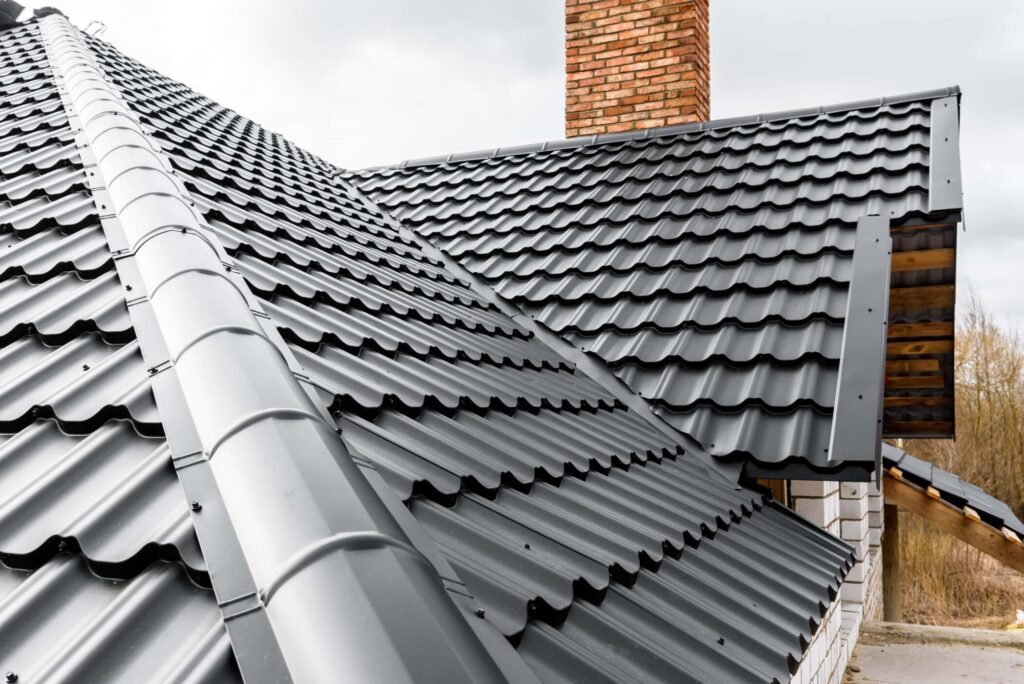
Metal roofing has had a recent resurgence in the housing market. Metal roofs can come in a few different forms, as sheets or even shingles that look like a regular shingled roof, but last for upwards of 50-75 years with little maintenance. They are very resistant to roof damage. Metal roofs are generally darker in color so work best with the combinations with green, gray, or black roofs we mention above.
Solar roofs have been growing each year due to their efficiency and in lieu of shifting towards more green energy sources. Solar roofs can have quite a great ROI over time depending on the size of your home and energy usage. Solar roofing panels can go with most home and roof types, and new designs have allowed them to blend in and get built right into your roofing.
Some other options for energy-efficient roofs include flat roofs with green roofs. If your home has a flat roof, installing a green roof can come with many benefits from managing rainwater to insulating your home. They’re a great option for those looking for an alternative to basic roofing materials.
Get A FREE Roofing Estimate From The Pros!
Choosing the right color for your new roof can boost curb appeal, improve energy efficiency (by absorbing or reflecting the sun’s rays), and increase your home’s value. In 2021 the main things to focus on are creating balance, texture, and dimension by contrasting your siding with your roof in the best way possible.
We love working with our clients to get them the right colors for their homes. Even if you have older siding, a new roof with the right hue can make your home look good as new. Get a FREE estimate below for your next roofing project. We look forward to it!