


roof replacement
When To File A Roof Insurance Claim For Damages
 Written by : Secured Roofing and Restorations
 5 minutes read
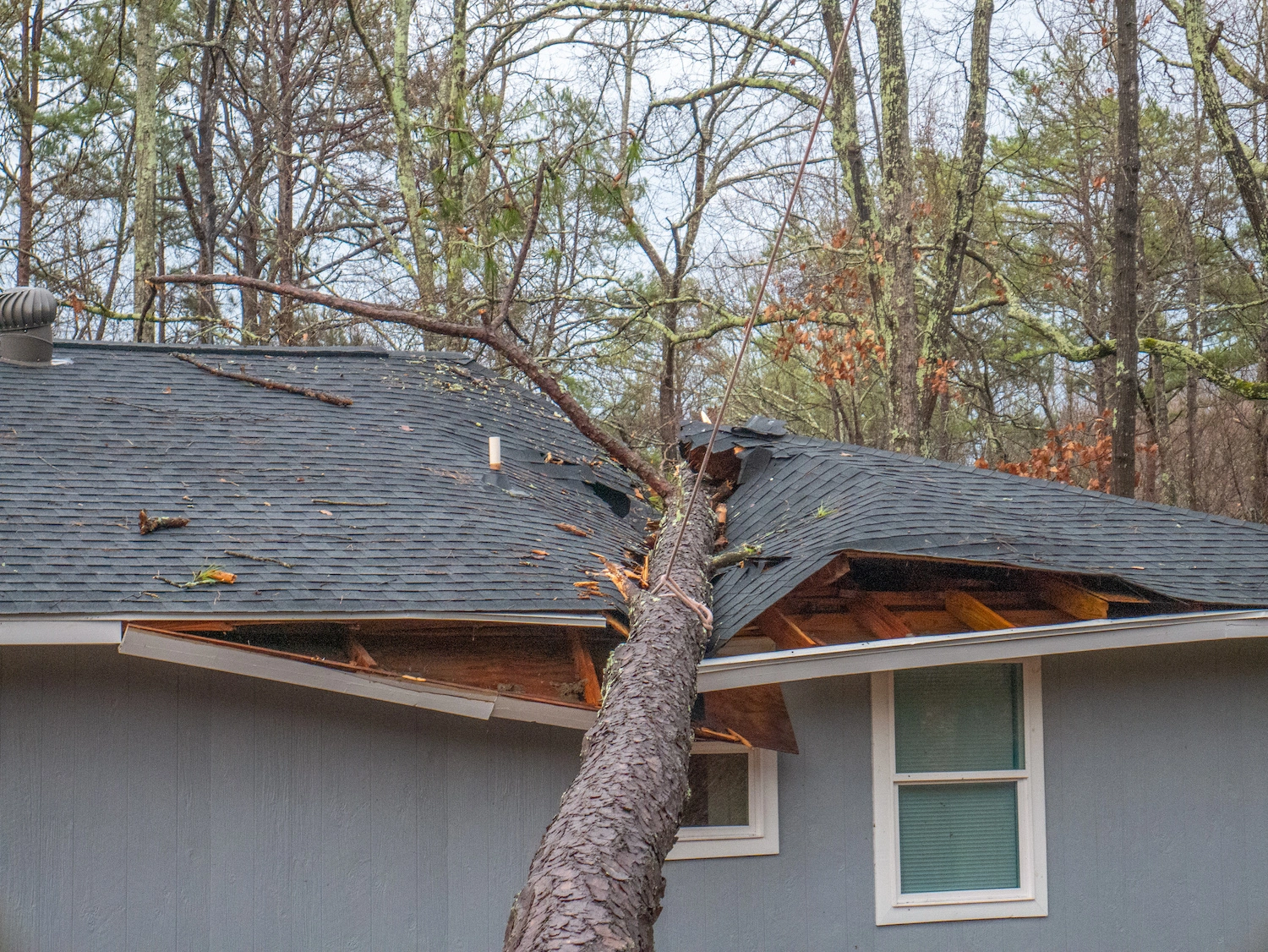

Your roof is your home’s first line of defense against the elements, but sometimes even the sturdiest roofs can suffer damage. Knowing when to file a roof insurance claim for damages is crucial for protecting your investment and ensuring timely repairs. In this homeowner’s guide, we’ll explore the signs that indicate it’s time to file a roof insurance claim and guide you through the process. Let’s dive in!
Inside this blog:
- 4 signs you need to file a roof insurance claim
- 3 scenarios when you should take action for filing a claim
- How to file a roof insurance claim for roof damages
Keep reading to learn all you need to know about when it’s the right time to file a roof insurance claim!
4 Signs It’s Time to Act on Filing a Claim For Roof Damage
Check out the signs below that indicate it’s time to start the roof insurance claim process.
1. You Notice Visible Damage
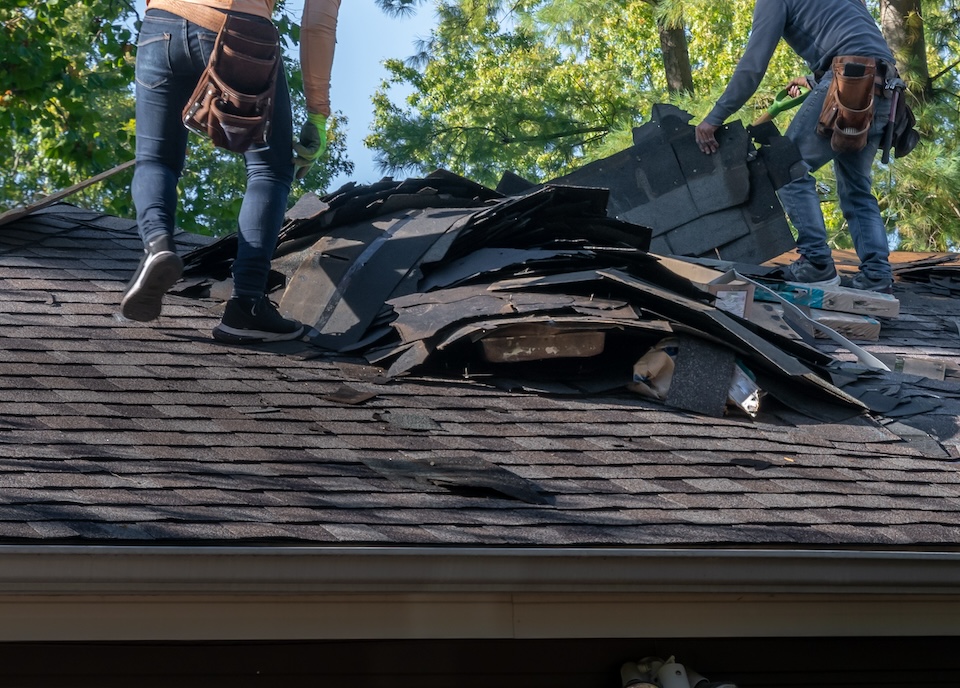
When you see obvious signs of trouble on your roof, like missing or broken shingles, cracks, or spots where water is leaking through, don’t wait to act. These problems might seem small at first, but if you leave them alone, they can get worse and cause even bigger headaches down the road.
2. You’ve Been Hit By a Recent Storm
After a big storm rolls through your area, it’s smart to give your roof a once-over. Even if your roof looks okay from the ground, there could be damage that’s hard to spot. Checking for any new issues after bad weather can help you catch problems early and prevent them from getting worse.
3. Your Roof is Getting Old
As your roof gets older, it starts to wear out and become more prone to damage. If your roof is getting up there in years or has already surpassed its expected lifespan, it’s a good idea to keep a close eye on it. Older roofs are more likely to develop problems, so it’s important to watch for any signs of trouble and take action if you see them.
4. You See Water Stains or Leaks
If you see water stains on your ceilings or walls, it’s a sign that something’s not right with your roof. These stains can indicate that water is getting in somewhere it shouldn’t be, which could lead to more serious issues if you don’t address it. Whether it’s a small leak or a big one, it’s important to deal with it right away to prevent further damage to your home.
When to Take Action
Below are 3 scenarios when you should take action on filing a homeowners insurance claim for your roof damage.
1. Immediate Damage
When something major happens to your roof, like a tree crashing down on it or a chunk of it collapsing, don’t hesitate to get your insurance involved right away. The quicker you act, the faster you can get things fixed up and stop any more damage from happening to your home.
2. Hidden Damage
Sometimes, the damage to your roof isn’t obvious right away. After a big storm or if you suspect something’s not right, it’s a good idea to take a closer look. Even if you can’t see any problems from the ground, there could be damage lurking underneath that could cause big issues later on if you don’t catch it early.
3. Preventive Measures
If you spot little problems on your roof, like a few missing shingles or some wear and tear, don’t wait for them to get worse. Filing a claim with your insurance can help cover the cost of fixing up these minor issues before they turn into big headaches. It’s like getting ahead of the game and stopping problems in their tracks before they have a chance to get out of hand.
How to File a Claim
Before filing a roof insurance claim, review your homeowner’s insurance policy to understand your coverage limits, deductibles, and any exclusions that may apply to roof damage.
Thoroughly document the damage to your roof, including photos and videos from multiple angles. Be sure to capture any visible signs of damage, such as missing shingles, leaks, or structural issues.
Contact Your Insurance Company
Contact your insurance company as soon as possible to report the damage and initiate the claims process. Be prepared to provide detailed information about the damage, including when it occurred, how it happened, and the extent of the damage.
Your insurance company may schedule an inspection of your roof to assess the damage and determine the cost of repairs or replacement. Be sure to schedule the inspection as soon as possible to expedite the claims process.
After the inspection, follow up with your insurance company to discuss their findings and address any recommendations or concerns. Be proactive about staying informed throughout the claims process and advocating for the repairs your roof needs.
🏡 File a Roof Insurance Claim Like a Pro
Filing a roof insurance claim for damages can be a complex process, but knowing when to take action and how to navigate the process can help you protect your home and ensure timely repairs. By staying vigilant for signs of damage, documenting any issues, and working closely with your insurance company, you can restore your roof’s integrity and safeguard your home for years to come.Contact our team of expert contractors at Secured Roofing and Restorations today. We’ll answer all of your questions and customize an approach to tackle your project quickly and efficiently. Every one of our roofing experts is trained to provide the highest professional workmanship, personalized service, and to use only the best quality materials.
How Long Does it Take to Replace a Roof? (2023 Guide)
Written by : Secured Roofing and Restorations
6 minutes read
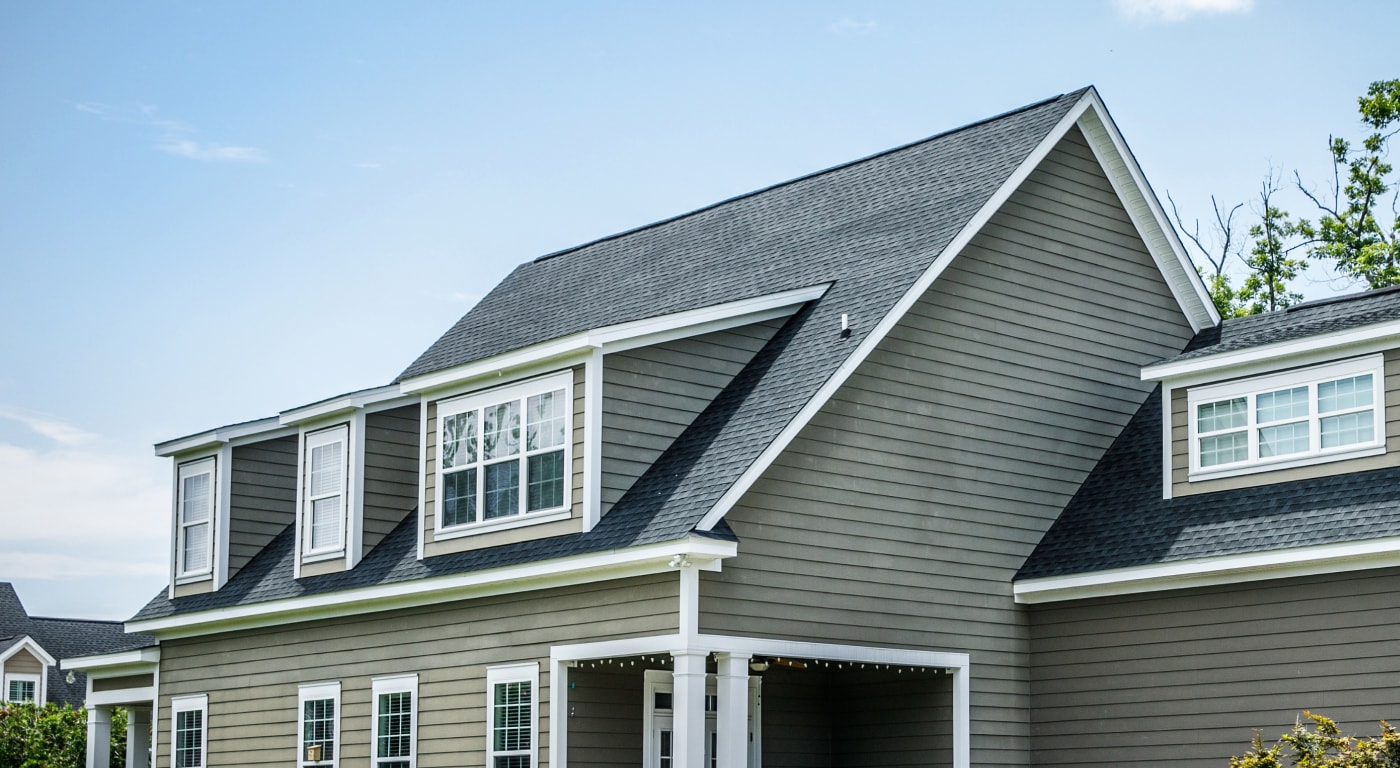
A common question homeowners always ask when they reach out to get a new roof is, “How long does it take to replace a roof?”
And the short answer is usually within one to a few days for simple removal and replacement. In truth, many factors come into play when determining how long it will take to replace the roof. Size, material, weather, and the complexity of the install can all affect the timeline. And when the time comes to get a new roof, you want it done well and done fast. So let’s dive in and find out just how long it takes to replace a roof.
How Long Does it Take to Replace a Roof? (Determining Factors)
The average home has a 2,000-3,000 square foot roof and, in general, will be able to be replaced in a day, or up to 5 days for more complex cases. Here are some factors that can lengthen that timeline.
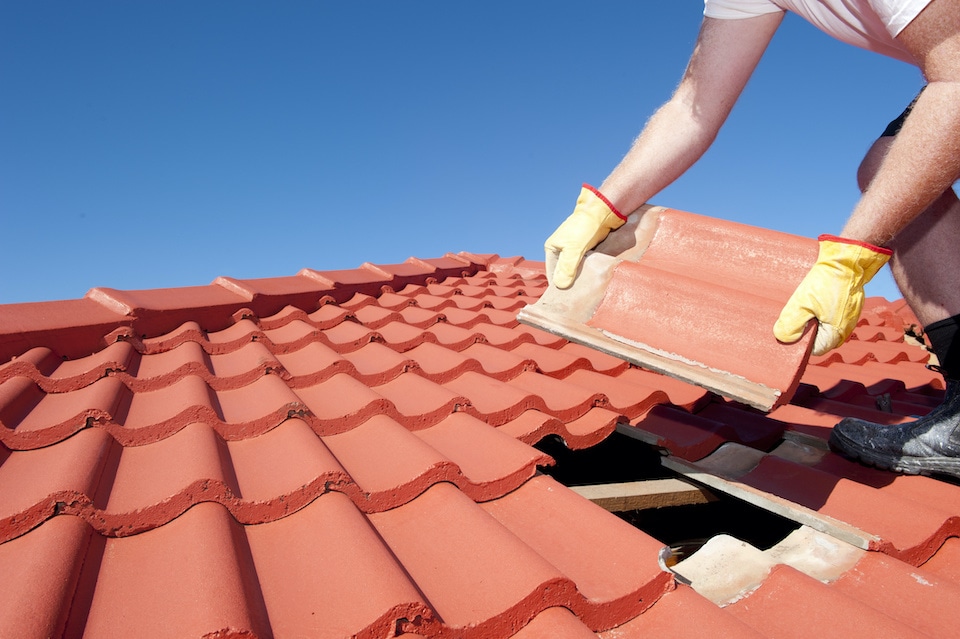
The Time of Year
Most roofers are only going to install your roof in the nice months between spring and fall. Summer is jam-packed for many reasons. In summer, the weather is better to install certain materials that can constrict in colder weather. Also, the longer days allow for around 15 hours to complete a roof install, making it highly likely to be done within one day.
Many contractors don’t even stay open in the winter months because business is so slow. However, it can be possible to do roof work in the cold, but it can be hazardous, and shingles may not install appropriately.
Inclement Weather
Despite summer being the busy time for roof replacement, it can also be very hot, creating poor working conditions for the contractors and unideal for installing certain shingles. Hot weather, freezing temps, rain, and snow can all delay your roof install by a few days. And because roofers have full schedules, if they have to put off your job, it can be difficult to schedule you for a make-up date quickly.
How Complex Your Roof is
Your roof’s complexity can complicate the installation, especially if there are multiple hips, valleys, and a high peak. The higher the peak, the more difficult it can be to install, plus it requires a lot more safety equipment to manage the steep slope. Valleys, peaks, and dormers all need to be sealed with flashing and sealant, which adds a lot of extra time to the install, thus driving up the labor cost. A more complex roof may take up to three days to complete vs. one for a simple installation on a less complex roof.
Accessibility of Your Roof
When a roof is hard to access, it complicates the entire process. A house with a lot of landscaping around it will require extra care to cover and protect those plants and bushes with tarps and limits where debris can be tossed from the roof. Also, a paved surface must be readily available to safely place a ladder to the roof’s access point, so contractors can quickly and easily get up and down without trouble. Lastly, if there is no place to put a dumpster to toss materials, roofers may need to come down more often to dispose of materials when they can’t easily toss it down to the dumpster. These small details can really add up the time and increase how long your project will take.
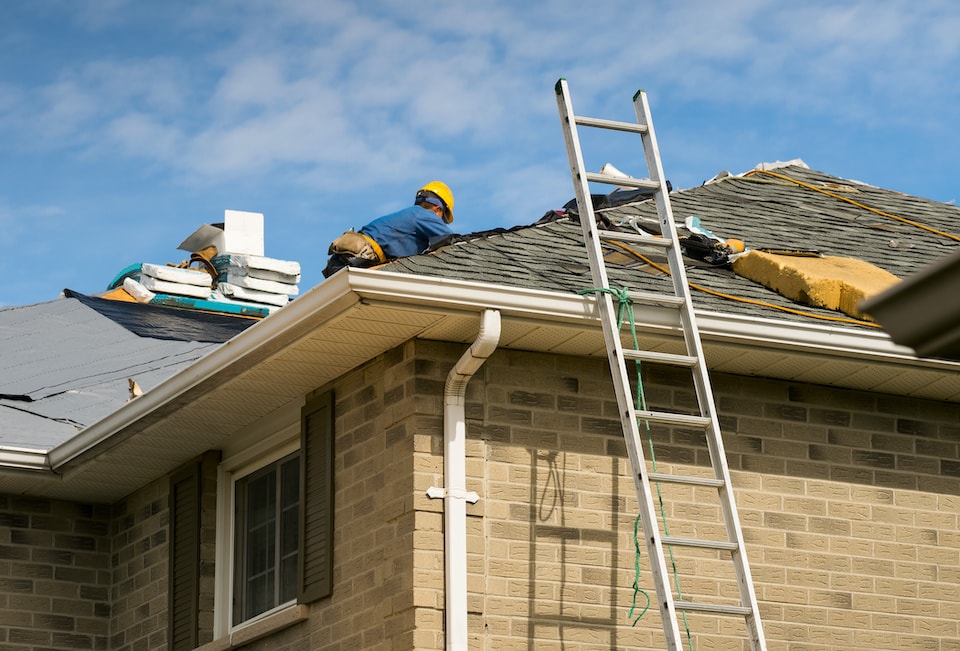
The Size of Your Home
It may go without saying that the bigger your home, the bigger the roof, and the longer it will take to install. Not only will an extra-large roof take another day to install, but it will also drive up the cost of materials if you are doing a full replacement. Plus, larger homes often have many complexities like more hips and valleys, which complicate the installation.
Any Structural Damage
A home with any structural damage (known or unknown) will definitely increase how long it takes to do the installation. If a roof is being replaced due to storm damage, this is definitely possible that structural damage had also occurred and needs to be fixed before laying the new roof. Other times, the contractors may remove your old roof to find water or mold damage underneath, and those issues must be addressed before moving forward.

How Long Do the Most Common Roofing Materials Take to Install?
Different roofing materials can have vastly different installation procedures and techniques, which can drastically affect how long it takes to install them. Many need perfect weather conditions and complex tools or techniques to ensure a perfect installation. Also, asphalt shingles can easily be hoisted up in large rolls, making it easy to transport the materials up on the roof. On the other hand, metal or slate tiles are much heavier, and that will change the entire process of both getting the materials up on the roof and installing them safely. It will likely require much larger tools and machinery to do so. Here’s an average timeline for different roofing materials, from shortest to longest.
Asphalt Shingles: 1 to 3 days.
Metal: 2 to 3 days.
Membrane Flat Roof: 3 to 6 days.
Wood Shingles: 6 to 8 days.
Slate Tiles: 6 to 7 days.
Concrete Tiles: 8 to 9 days.
The sturdier roofing materials like metal and slate are also much more expensive in general, not including the cost of labor. But, that investment will last you for decades longer than any asphalt shingle roof, which is very easy to install but will be replaced more frequently.
If you’re in the market for a roof replacement but don’t know where to start, we are here to help. Our simple 3-step process will include an estimate, a design discussion, and finally, seamless construction to get you the roof you deserve. We can help you decide which material is best for you and create a tight timeline to get your roof replaced in no time so you can get back to your life. Contact us here to get started today!
How Old is My Roof? 5 Simple Way To Determine The Age (Homeowners Guide)
Written by : Secured Roofing and Restorations
6 minutes read
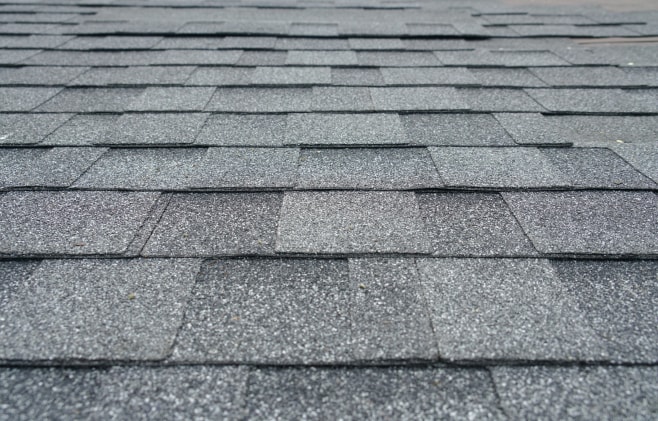
Unless it’s clearly detailed on the listing; as a new homeowner you might be asking the question “How old is my roof?”
The age of the roof can be a critical detail that determines how much work you have ahead of you to maintain or replace it. Luckily, a few tell-tale signs of an aging roof can help you determine just how old it is.
Signs of an Aging Roof
As your roof ages, it will succumb to normal wear and tear as well as years of storms and mild damage. There are some signs of an aging roof that would require immediate repair to prevent water damage. But if your roof is nearing or past its expected lifespan, you are likely going to need a new roof.

Curling Roof Shingles
Common in asphalt shingles, curling or buckling will happen over time, and it more than likely means your roof is 12-15 years old—reaching its expected lifespan. Curling shingles can also be a sign that your shingles were installed improperly, or your attic has poor ventilation, and trapped heat is affecting your shingles.
Missing or Damaged Shingles
An event like a severe storm or falling debris can immediately damage or remove shingles on your roof. However, the older your roof gets, the more likely wear and tear can cause the same effect. A missing shingle immediately leaves your home susceptible to leaks, so if you notice this and your roof is old, you will want to also examine your attic for signs of any major leaks or water damage.
Rusted Flashing
Flashing is essentially to prevent leaks up on your roof. It’s also the thing most likely needing replacement or repair before your roof’s lifespan is up. So if you notice cracked, damaged, or rusted flashing, that is a sign that your roof was installed long ago and requires inspection and probably a full roof replacement.
When you are checking your flashing make sure everything is in-place, in good condition, and that there is no way for water to come in contact with the siding of your home. This can be a good way of determining how old your roof is and help direct you to other potential problems to look for.
Sometimes older roofs are missing various types of flashing because they were not required by code at the time. A good example of this would be kick-out flashing. Since it used to not be required by code, many older roofs do not have it. While not having this is not the end of the world, it can leave your siding vulnerable to water damage.
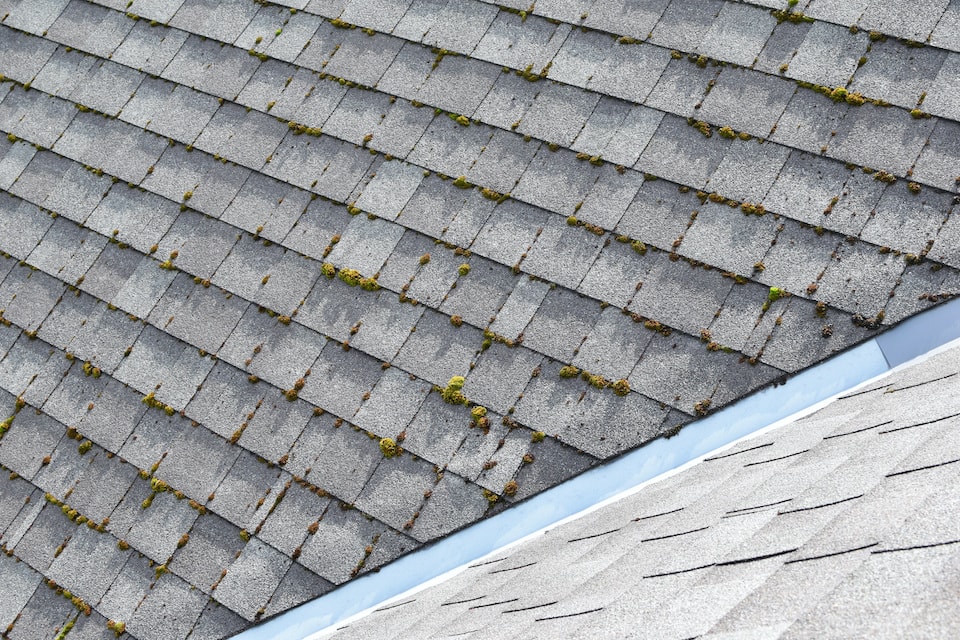
Moss or Algae on the Roof
Moss and algae can grow on your roof if you don’t properly maintain and clean it. It’s also a sign it’s not working as efficiently as it should. It shows that your roof is holding on to moisture, and as these things grow and take root, it can actually separate the shingles of your roof, causing even more areas for moisture to enter. If you see this happening on your roof, at a minimum, you should contact a professional to remove the moss or algae.
Rusted or Exposed Nails
Exposed nails are a sign that your shingles are coming loose, which can definitely happen over time as rain, snow, and wind grace over your roof for years and years. When they get exposed, they can obviously become more rusted by being exposed to the elements. This can cause them to loosen, leaving your home susceptible to leaks, and should be addressed.
Damaged Roof Valleys
The valleys of your roof are vital for allowing water runoff to your gutters and downspouts. Over time, these valleys lose their integrity with shingles shifting or coming loose. If you notice debris like leaves and sticks gathering in your roof valleys, it’s a good sign it’s damaged and needs some tending to.
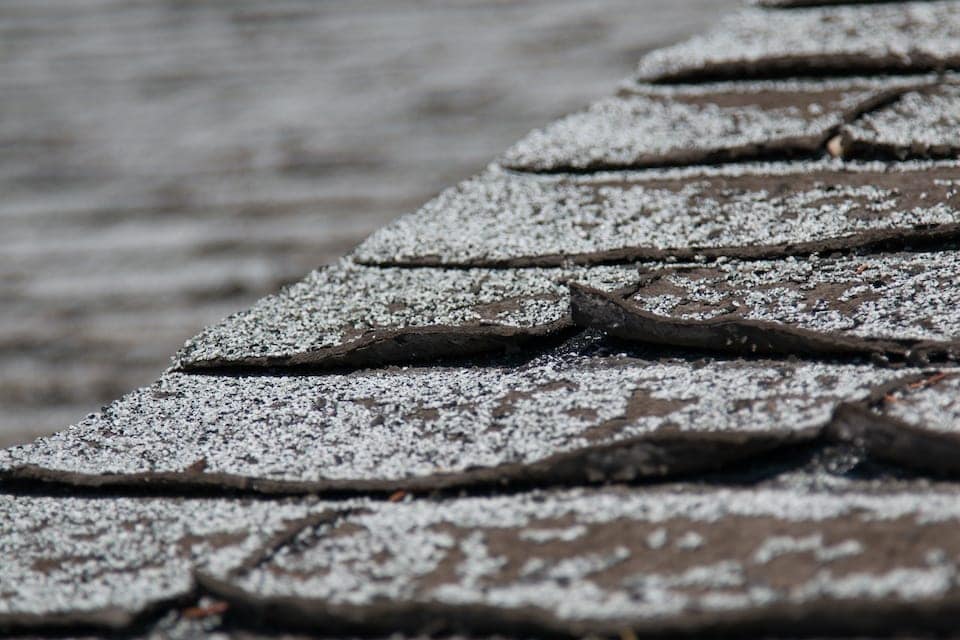
Missing Granules
The granules on your shingles are your roof’s first barrier of protection as they keep the tar underneath protected, which keeps UV rays and moisture away. The second those are compromised, your roof is exposed to the elements. Hail, debris, along with standard wear and tear can cause granule loss. While this is to be expected, excessive granule loss can lead to lower performance and could be a good indication to consider a new roof.
Your Neighbors are Getting Their Roofs Replaced
In general, neighborhoods are built around the same time. So if you begin to see or hear that a lot of your neighbors are getting their roofs replaced, it could mean it’s time for you as well. Of course, your roof could have been replaced before you bought it in recent years, but if it’s showing some of these signs, you can bet on it being the same age as everyone else’s.
How Old Is My Roof: 5 Simple Ways To Determine The Age
If you notice any of the above symptoms on your roof, it’s a good bet it’s nearing the end of its life, and you can guess it’s quite old depending on the damage. However, if you are interested in learning the exact age of your roof but you weren’t the one who installed it, there are a few places you can go to find that information.
Ask The Previous Owners if Possible
If you purchased your home recently or within a few years, tracking down the original owners may be the easiest way to find out how old your roof actually is. If they don’t know, then you can probably assume your roof is nearing its lifespan if it’s asphalt or similar material. Metal and slate roofs can last much longer.
Track Down a Building Permit
Your building permit should hopefully contain information regarding any contacting work, including roof replacement, that’s been done on your property throughout its history.
Get an Inspection
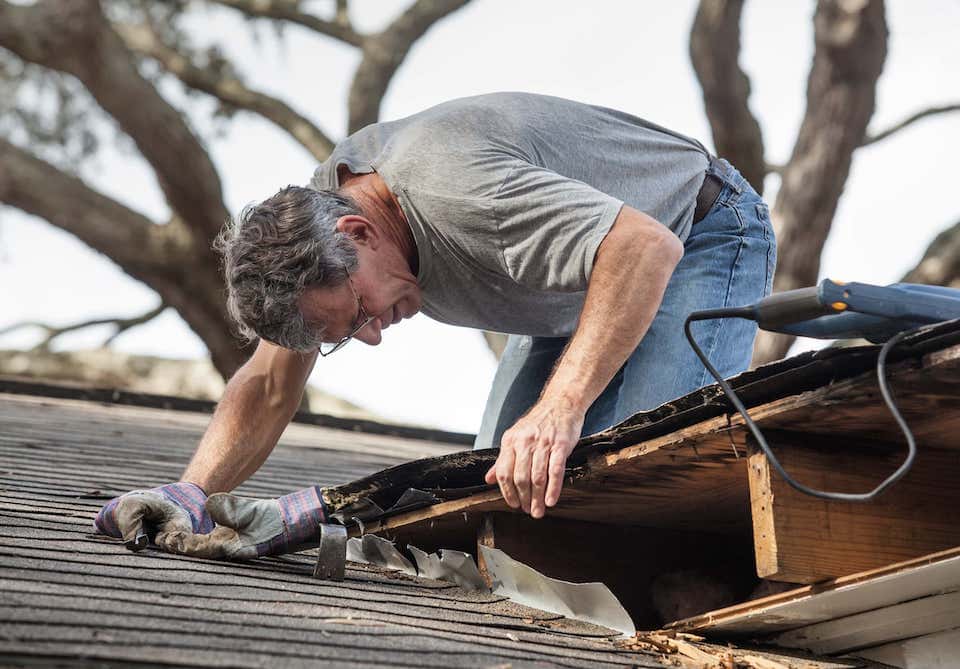
Getting a professional inspection by an insurance adjuster or your local contractor can allow them to more accurately estimate how old your roof is based on factors like the ones we listed above, plus any records they have on your property. They can give you a good idea of how old your roof is, how much time it has left, and an estimate for any repairs or replacement you require.
Find Out the Roofing Company and Request a Receipt
If you know the shingles’ brand or if you can find out the name of the company who did your last roof install, you should be able to find out when work was done via your address. This will tell you exactly, to the day, how old your roof is.
Get Your FREE Roofing Estimate!
If you’ve checked all the boxes and determine what you thought—that you have an aging roof, give us a call to schedule your roof repair service. You’ll get a quote from us within 48 hours so you can get started quickly!
How Often Should You Replace Your Roof? A Look At Roof Lifespan
Written by : Secured Roofing and Restorations
4 minutes read